Best Fishing Lakes in Eastern New Mexico
Eastern New Mexico might not always steal the spotlight when you think of the state's incredible fishing, often overshadowed by the pristine mountain streams up north. But let me tell you, as someone who's cast a line across this diverse landscape for years, the eastern plains hold some truly remarkable angling opportunities. It can be a challenge to figure out which lakes are worth your time and effort, especially with varied water levels and local conditions. This guide is here to cut through the confusion and highlight the best fishing lakes in Eastern New Mexico, giving you the lowdown on what to expect, what to target, and how to make your next trip a success.
Understanding Eastern New Mexico's Unique Fishing Landscape
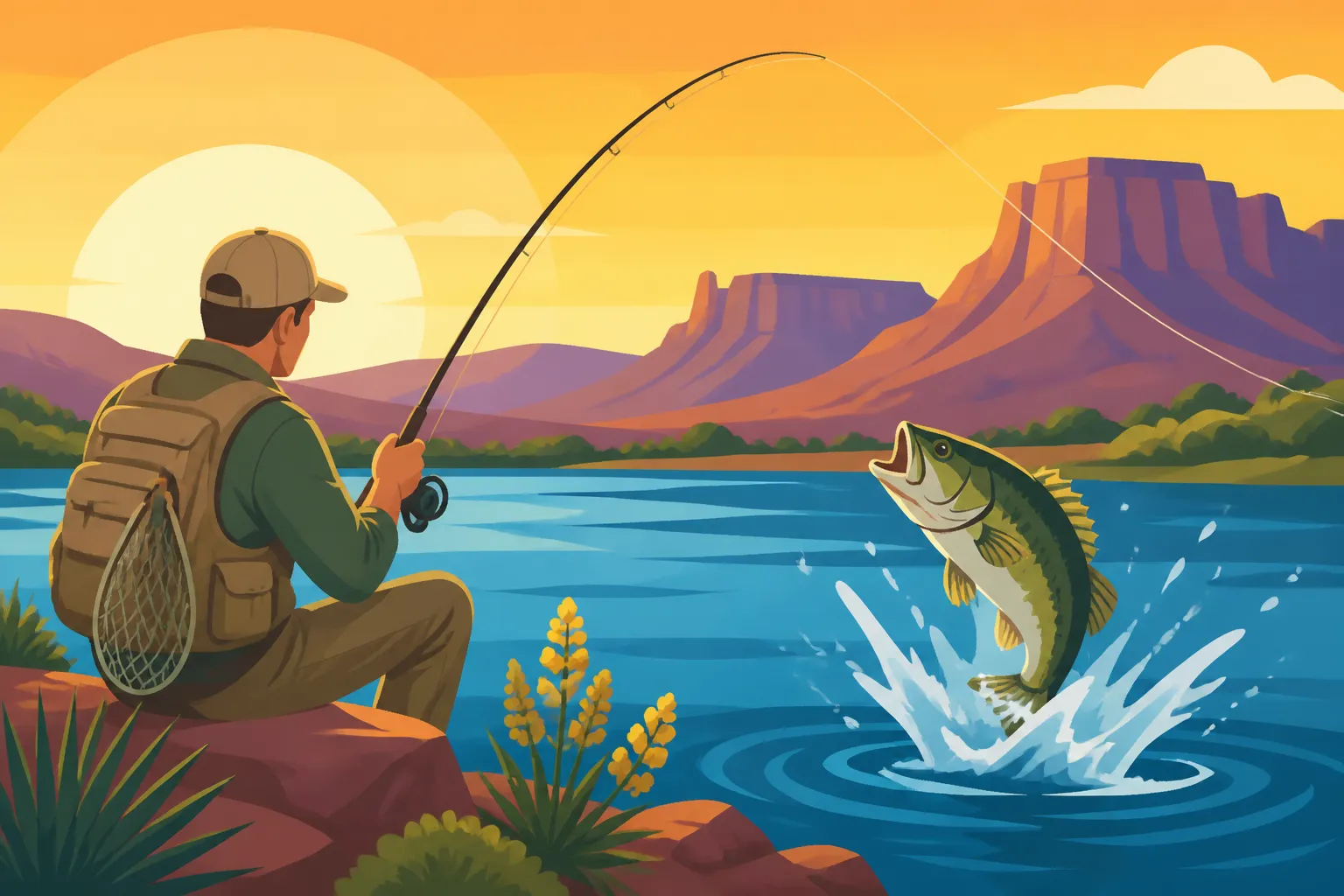
Fishing in Eastern New Mexico is a distinct experience, quite different from the high-altitude trout streams or the vast, deep reservoirs in other parts of the state. This region is largely defined by its expansive plains, arid climate, and the crucial role that large impoundments play in providing angling opportunities. You'll find a mix of warm-water species thriving here, making for exciting and often surprising catches. The landscape itself, with its sweeping vistas and dramatic sunsets, adds a unique charm to every fishing expedition.
Climate and Water Conditions Impacting Fishing
The climate in Eastern New Mexico is typically drier and warmer than its western and northern counterparts. This means that many of the region's best fishing spots are man-made reservoirs, fed by rivers and seasonal runoff. Water levels can fluctuate significantly throughout the year and from year to year, which is a critical factor for anglers. A lake that's booming one season might be considerably lower the next, impacting fish patterns, access points, and even the species that thrive. Understanding these dynamics is key to successful fishing. For instance, lower water levels might concentrate fish in deeper channels or force them into more predictable structures, while high water can spread them out into newly flooded vegetation, offering different challenges and rewards. Always check current water conditions before heading out, as they can dramatically alter your game plan.
Common Fish Species in Eastern New Mexico Lakes
While trout might be the poster child for New Mexico fishing in general, Eastern New Mexico's lakes are primarily renowned for their robust populations of warm-water species, alongside some impressive cold-water inhabitants in certain waters. You'll find an abundance of largemouth and smallmouth bass, particularly around submerged structures and rocky shorelines. Crappie, both black and white, are extremely popular and provide fantastic action, especially in the spring and fall. Walleye are another prized catch, known for their delicious fillets and challenging pursuit, often requiring specific techniques like jigging or trolling.
Catfish, especially channel catfish, are prolific and can grow to impressive sizes, offering great night-fishing opportunities. Some lakes even boast populations of striped bass, which are hard-fighting and offer a thrilling challenge for anglers. And let's not forget the occasional rainbow trout stocking in cooler months or deeper waters, adding a surprising cold-water option to the mix. Knowing what to expect in each lake will help you tailor your gear and approach. For more details on what you might encounter, check out our guide on Fish Species Found in New Mexico.
Top Fishing Lakes in Eastern New Mexico
Now, let's dive into the specifics of where you can find these fantastic angling opportunities. Each lake offers something a little different, from multi-species action to trophy-sized specific targets.
Conchas Lake: A Multifaceted Angler's Paradise
Conchas Lake is arguably one of Eastern New Mexico's most celebrated fishing destinations, and for good reason. Located east of Las Vegas, New Mexico, this sprawling reservoir on the Canadian River offers an incredible diversity of fish species and a vast amount of water to explore. It's truly a gem for anglers who appreciate a varied challenge. The lake is huge, with two distinct areas—the main lake and the Conchas River arm—offering different fishing environments. This means you can spend days here and still discover new coves and structures.
What makes Conchas Lake so special is its incredible multi-species fishery. You can successfully target walleye, crappie, largemouth bass, smallmouth bass, channel catfish, and even some northern pike. The walleye fishing here is legendary, with many anglers specifically making the trip for a shot at a trophy. They often congregate around submerged humps, points, and old river channels, especially in deeper water. Crappie are abundant and can be found schooling around brush piles, timber, and rocky banks, offering fast-paced action, particularly in the spring when they move shallow. Bass anglers will find plenty of cover and structure to cast at, from rocky shorelines to flooded timber. If you're planning a trip, consider checking out our Conchas Lake Fishing Guide for even more detailed insights. Access to the lake is excellent, with multiple boat ramps and the Conchas Lake State Park providing amenities like camping, cabins, and marinas, making it perfect for a multi-day fishing adventure.
Ute Lake: Deep Waters and Big Fish
Further east, near Logan, you'll find Ute Lake, the second largest body of water in New Mexico. This lake is known for its deep, clear waters and its reputation for producing some truly enormous fish, particularly striped bass and walleye. Ute Lake is a bit of a contrast to Conchas, with less shoreline complexity but more open, deep water. It's a favorite for those who love to troll or fish vertically in deeper zones.
Ute Lake is a prime destination if you're chasing the thrill of a hard-fighting striped bass. These powerful fish cruise the open water, often schooling and chasing baitfish. Trolling with large crankbaits or live bait is a popular and effective method here. The walleye fishery is also very strong, with anglers often targeting them in deeper water using jigs, bottom bouncers, or trolling crankbaits. Crappie are also present, often found suspended over submerged structure or around the deeper points. The lake offers multiple boat ramps, including those at Ute Lake State Park, along with camping and cabins. While it can get windy, especially in the spring, the potential for a truly memorable catch makes Ute Lake a must-visit for any serious Eastern New Mexico angler. Our article on Ute Lake Fishing provides more specific tactics for tackling its big fish.
Clayton Lake: Walleye, Trout, and Dinosaur Tracks
Heading north into the northeastern corner of the state, near the town of Clayton, lies Clayton Lake State Park. This smaller, but incredibly scenic lake offers a unique blend of fishing opportunities, along with the fascinating added bonus of dinosaur tracks embedded in the bedrock. It's a fantastic spot for a family outing where fishing can be combined with a bit of natural history exploration.
Clayton Lake is primarily known for its excellent walleye fishery. It consistently produces healthy numbers of these tasty fish, with anglers finding success using jigs, live bait (like minnows), or by trolling small crankbaits. The lake also receives regular stockings of rainbow trout, especially during the cooler months, providing a cold-water option that's particularly popular in spring and fall. These stocked trout offer great action from shore or boat, making it an accessible spot for anglers of all skill levels. Because it's a state park, amenities are well-maintained, including camping, picnic areas, and interpretive trails to see those incredible dinosaur footprints. While smaller than Conchas or Ute, Clayton Lake offers a more intimate fishing experience with a strong chance of success, especially for walleye. Check out the Clayton Lake Fishing.
Santa Rosa Lake: Bass and Catfish Hotspot
South of Conchas Lake, near the town of Santa Rosa, you'll discover Santa Rosa Lake. This reservoir is a fantastic choice if your passion lies in pursuing largemouth bass and various catfish species. While it might not have the multi-species notoriety of Conchas or the big stripers of Ute, Santa Rosa truly shines as a warm-water fishery. The lake is set in a picturesque canyon, offering some dramatic scenery while you fish.
Santa Rosa Lake boasts a robust population of largemouth bass. Anglers often find success working plastic worms, jigs, crankbaits, and spinnerbaits around the rocky points, submerged brush, and patchy vegetation that lines its shores. Early mornings and evenings are often the most productive times for bass, especially during the warmer months. Beyond bass, the lake is a prime location for channel catfish. Whether you're using stink baits, cut bait, or worms, you're likely to find steady action, particularly during the twilight hours and into the night. It’s also a good spot for crappie, which can be found in brushy areas. Santa Rosa Lake State Park provides convenient access, boat ramps, and camping facilities, making it a great destination for a weekend fishing trip focused on warm-water species. Fluctuating water levels can impact the available cover for bass, so adapting your approach based on current conditions is crucial here.
Here’s a quick overview of these fantastic Eastern New Mexico fishing lakes:
| Lake Name | Primary Species Targeted | Best Time to Fish | Key Features / Tips |
|---|---|---|---|
| Conchas Lake | Walleye, Crappie, Bass, Catfish | Spring, Fall | Huge, diverse fishery; excellent walleye; two distinct arms. |
| Ute Lake | Striped Bass, Walleye, Crappie | Spring, Summer (Stripers) | Deep, clear water; trophy stripers; ideal for trolling. |
| Clayton Lake | Walleye, Rainbow Trout | Spring, Fall | Smaller, scenic; consistent walleye; stocked trout; dinosaur tracks. |
| Santa Rosa Lk | Largemouth Bass, Catfish, Crappie | Spring, Summer | Great warm-water fishery; bass in cover; excellent catfishing. |
Essential Tips for Fishing Eastern New Mexico Lakes
Successfully fishing these Eastern New Mexico lakes isn't just about knowing where to go; it's also about understanding the nuances of the environment and being prepared. The arid conditions and reservoir nature of these waters demand a thoughtful approach.
Adapting to Seasonal Changes and Water Levels
The best fishing in Eastern New Mexico can change dramatically with the seasons and, perhaps even more importantly, with water levels. Spring is often prime time, as fish move into shallower waters for spawning, making them more accessible to shore anglers and boaters alike. This is when crappie and bass can be caught in good numbers near structure. As summer heats up, fish tend to move deeper, seeking cooler temperatures, requiring different tactics like vertical jigging, deep cranking, or night fishing for catfish. Fall sees fish becoming more active again as water temperatures cool, feeding heavily in preparation for winter. Even winter can offer surprising opportunities, especially for walleye and the occasional trout through ice fishing in suitable conditions.
Water levels are a constant consideration. Many of these reservoirs can experience significant drawdowns due to irrigation needs or drought. When water levels are low, fish may be concentrated in fewer areas, making them easier to locate but potentially more stressed. Conversely, high water can flood new vegetation, creating excellent new habitat but also spreading fish out. Always check the current water levels and recent fishing reports before you head out. Websites like FishingBooker often have up-to-date reports from local guides who know the current conditions. Being adaptable and having a plan B is crucial for consistent success.
Gear and Techniques for Eastern New Mexico
The varied species in Eastern New Mexico lakes mean you'll need versatile gear. For bass and walleye, a medium-heavy spinning or baitcasting setup with 8-15lb test line is a good all-around choice. Lures like crankbaits, soft plastic worms, jigs, and spinnerbaits will cover most situations. For crappie, a lighter rod with 4-6lb test line, using small jigs or minnows under a bobber, is often the ticket. Catfish anglers will want sturdier rods and heavier line (15-30lb test) for battling larger fish, using prepared baits, cut bait, or worms on a bottom rig.
Trolling is a very effective technique on larger, open lakes like Ute and Conchas, especially for walleye and striped bass. Downriggers or planer boards can help you reach precise depths and cover more water. For those pursuing trout, a lighter spinning setup with small spoons, spinners, or PowerBait can be very effective, especially in areas where trout are stocked. Don't forget essentials like a good pair of polarized sunglasses for spotting structure and fish, and a wide-brimmed hat for sun protection in the intense New Mexico sun. A comprehensive New Mexico Fishing Regulations Overview will also guide you on specific gear restrictions for certain waters.
Planning Your Trip and Staying Safe
Before you even load your gear, make sure your New Mexico fishing license is up to date, along with any necessary validations like the New Mexico Habitat Stamp and Validation Requirements. These are essential and ensure you're contributing to conservation efforts. Many of these lakes are within New Mexico State Parks, which may require day-use or camping fees, so factor that into your planning.
Safety is paramount, especially on large reservoirs where conditions can change quickly. Always check the weather forecast, and if you're boating, ensure you have all required safety equipment, including life jackets for everyone on board. The winds on these open plains can whip up quickly, turning calm waters into choppy conditions in a short amount of time. If you're new to a particular lake or looking for an edge, consider hiring a local guide. Services like FishingBooker can help you find experienced captains who know the local waters, current hotspots, and effective techniques, significantly improving your chances of a successful and safe trip. They can provide invaluable local knowledge, especially concerning optimal times to visit or specific New Mexico Fishing Season Dates and Limits.
Finally, practice good stewardship. Pack out everything you pack in, and if you're practicing catch and release, do so with care to ensure the fish's survival. These Eastern New Mexico lakes are precious resources, and by fishing responsibly, we help ensure they remain fantastic destinations for generations to come.
Disclaimer
Please remember that fishing conditions, regulations, and access can change. Always consult the latest New Mexico Department of Game and Fish regulations handbook before you head out. This guide is for informational purposes and does not constitute legal advice.