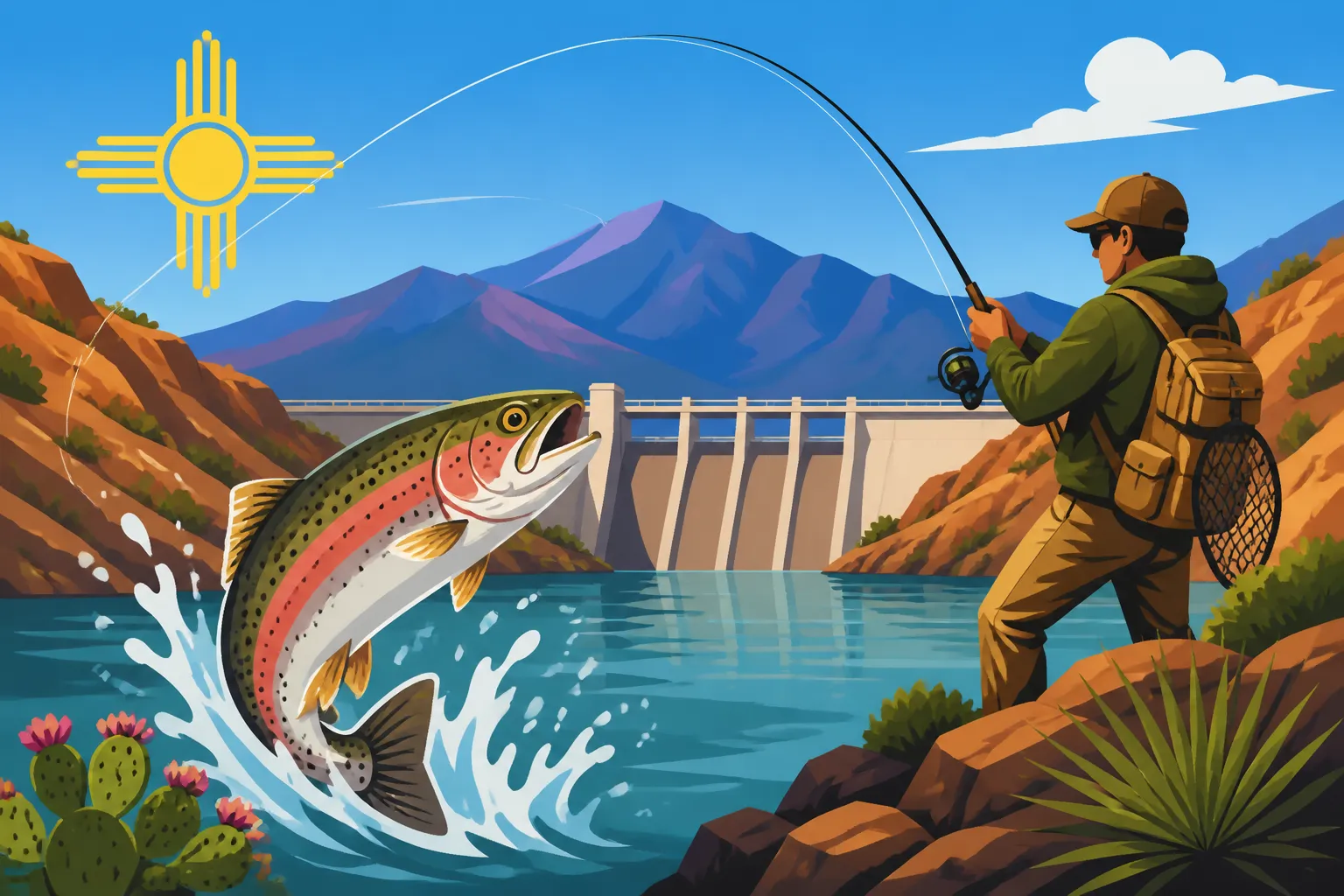
Leasburg Dam State Park Fishing
Many anglers dream of finding that perfect, tranquil spot to cast a line without the crowds, but the reality can often be frustrating. You spend hours researching, only to arrive at a crowded lake or a river with unmanageable flows. This guide is here to cut through that uncertainty, offering you a deep dive into fishing at Leasburg Dam State Park, a often-overlooked gem near Las Cruces, ensuring your next outing is both peaceful and productive.
Discovering the Charm of Leasburg Dam State Park for Anglers
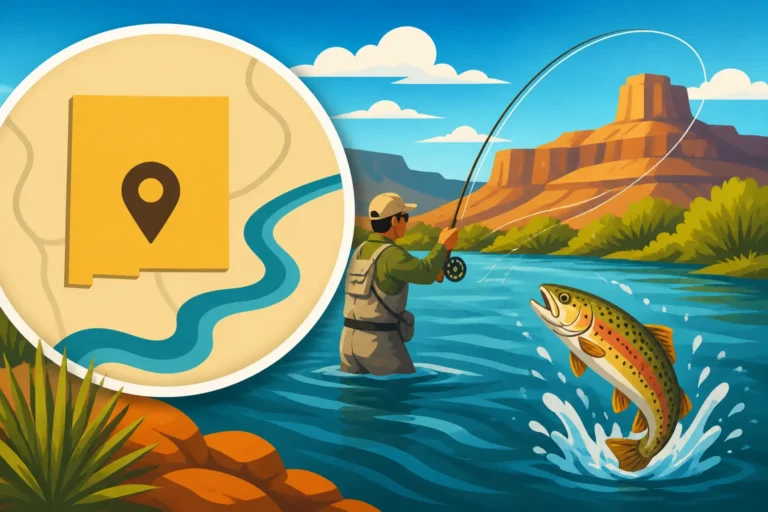
Leasburg Dam State Park offers a unique slice of New Mexico fishing that often gets overshadowed by its larger, more famous counterparts. Nestled along the historic Rio Grande, it's a place where history, recreation, and the quiet pursuit of angling converge, providing a distinctly different experience than a bustling reservoir.
A Brief History and Unique Location
The Leasburg Diversion Dam, originally constructed in the early 20th century, isn't just a historical landmark; it's the heart of the park's angling appeal. Its primary purpose was to divert the life-giving waters of the Rio Grande into an irrigation canal system, sustaining agriculture in the fertile Mesilla Valley. What this means for us anglers is that the park's fishing opportunities are intrinsically tied to the flows and management of this mighty river. Located a mere 15 miles north of the vibrant city of Las Cruces, and just a short drive from Radium Springs, Leasburg Dam State Park is incredibly accessible. It’s not some remote, backcountry trek, which is a huge bonus for a spontaneous morning or afternoon trip. You won't find the massive expanses of water you might at Elephant Butte Lake, but instead, you'll encounter a more intimate, riverine environment, perfect for those who appreciate a calmer, less overwhelming fishing experience. The park’s smaller scale encourages a slower pace, where you can truly connect with the water and its surroundings.
Why Leasburg Stands Out and Its Challenges
What truly makes Leasburg stand out is its blend of accessibility, history, and diverse fishing opportunities within a state park setting. It’s particularly popular with families and those seeking a less intense outing, offering picnic areas, hiking trails, and the chance to fish without the long boat rides or intense competition you might find elsewhere. The tranquility here is a huge draw, allowing you to actually hear the birds and the gentle flow of the river rather than the roar of speedboats.
However, it’s only fair to acknowledge the frustrations that can come with fishing a diversion dam system. The Rio Grande's flows can fluctuate dramatically. During periods of heavy irrigation demand or low snowpack, the river can become quite shallow, impacting fish movement and concentration. This means that what was a prime fishing hole one week might be a mere trickle the next. It requires a bit of adaptability and checking conditions before you go. Additionally, while the park provides a wonderful natural escape, it's a different kind of fishery than a large, deep lake. You're more likely to have success targeting certain species and employing specific techniques suited to river and shallow water environments. The good news is that with a little local knowledge, which we're sharing here, you can turn these potential challenges into opportunities for a rewarding trip.
The Aquatic Residents of Leasburg Dam State Park: What You'll Hook
Fishing Leasburg Dam State Park isn't about chasing monster trophy fish, but rather enjoying the consistent action provided by a variety of warmwater species, with a few coldwater surprises thrown in during the right season. It's a fantastic place to practice your skills and, often, to introduce newcomers to the joy of fishing.
Primary Targets: Catfish, Bass, and Panfish
When you cast your line into the waters around Leasburg Dam, your most likely catches will be a mix of warmwater favorites. Channel Catfish are often the stars of the show here. These whiskered bottom-dwellers thrive in the Rio Grande's currents and calmer pools. You can expect to find them ranging from pan-sized eaters to respectable 3-5 pounders, offering a good fight and an excellent meal. Their abundance makes Leasburg a reliable spot for those looking to fill a cooler.
Beyond catfish, both Largemouth Bass and Smallmouth Bass make their homes in the park's waters. Largemouths tend to stick to any available cover, like submerged brush or slower pockets, while smallmouths prefer the rockier, more current-swept areas downstream of the dam. You might not pull out state-record-breaking bass here, but solid 1-2 pounders are common, providing exciting action, especially for anglers practicing their casting and retrieval techniques. These fish are feisty and can make for a memorable experience. Lastly, don't overlook the ubiquitous Panfish. Bluegill and other sunfish species are plentiful, making them an ideal target for younger anglers or anyone just looking for consistent bites. They're often found near the banks and are eager biters, providing non-stop entertainment. Remember to check the New Mexico Statewide Bag Limit for Crappie and Sunfish before you go.
Opportunistic Catches and Seasonal Surprises
While catfish, bass, and panfish are your bread and butter at Leasburg, the dynamic nature of the Rio Grande can sometimes lead to unexpected encounters. Common carp are always present in river systems, and you might hook into one of these powerful fighters, especially if you're using bottom baits. While not typically sought after by many anglers, carp can provide an incredible challenge on light tackle.
Perhaps the most exciting seasonal surprise at Leasburg Dam State Park comes in the form of Rainbow Trout. The New Mexico Department of Game and Fish (NMDGF) occasionally stocks trout in the cooler months, typically from late fall through early spring, as part of their winter trout stocking program. However, Leasburg is not as consistently stocked as some dedicated trout waters. These stockings are highly dependent on water conditions and NMDGF's schedule, so it’s always a good idea to check their stocking reports if trout are your primary target. When they are stocked, these trout offer a fantastic opportunity for anglers to target a coldwater species in an otherwise warmwater fishery. The presence of trout is a direct result of the Rio Grande's cooler winter temperatures and careful management, proving that even in unexpected places, you can find a diverse array of fish. For more details on trout limits, be sure to check the New Mexico Trout Bag and Possession Limits.
| Species | Common Size Range | Preferred Habitat | Best Season(s) | Common Baits/Lures |
|---|---|---|---|---|
| Channel Catfish | 1-5 lbs (up to 10 lbs) | Deeper pools, current breaks, near dam/structure | Spring, Summer, Fall | Worms, cut bait, stink bait, chicken liver |
| Largemouth Bass | 1-3 lbs (up to 5 lbs) | Submerged vegetation, slower eddies, cover | Spring, Fall | Soft plastics (worms, lizards), crankbaits, spinnerbaits |
| Smallmouth Bass | 1-2 lbs (up to 4 lbs) | Rocky areas, current seams, gravel bars | Spring, Fall | Small crankbaits, tubes, grubs, jigs |
| Bluegill/Sunfish | 4-8 inches | Shallow, calm areas, near aquatic vegetation, banks | Spring, Summer | Worms, crickets, small jigs, tiny spinners |
| Rainbow Trout | 8-14 inches (stocked) | Cooler, oxygenated water (post-stocking) | Late Fall, Winter, Early Spring | PowerBait, worms, small spinners, flies |
Mastering Your Leasburg Dam State Park Fishing Strategy
Fishing successfully at Leasburg Dam State Park isn't about having the fanciest gear; it's about understanding the specific conditions of the Rio Grande and the habits of the fish that call it home. With a little strategic planning, you can significantly increase your chances of a rewarding day on the water.
Best Techniques for Different Species
To truly excel at Leasburg, you’ll want to tailor your approach to the species you’re targeting:
-
For Channel Catfish: These fish are scent-driven scavengers. Your best bet is bottom fishing with baits that have a strong odor. Think traditional nightcrawlers, prepared catfish stink baits, chicken livers, or even cut bait from small baitfish (check regulations on legal baitfish first!). Cast your bait out into deeper holes or current seams, using a slip sinker rig that allows the fish to pick up the bait without feeling immediate resistance. Night fishing can be particularly productive for catfish, as they become more active after dark. Look for the calm eddies or slower current areas downstream of the dam. For more tips on targeting these robust fish, check out our guide on Where to Catch Channel Catfish in New Mexico.
-
For Largemouth and Smallmouth Bass: Bass fishing here requires a bit more finesse and understanding of structure. Largemouths will gravitate towards any cover – submerged brush, fallen trees, or even the shadows cast by the bank. Try casting soft plastic worms (Texas-rigged to avoid snags), small crankbaits, or spinnerbaits parallel to the bank or into any visible cover. For smallmouths, focus on the rockier areas and current breaks, especially immediately downstream from the dam. Small jigs, tube baits, or small crankbaits that imitate crayfish or baitfish can be very effective when bounced along the bottom or retrieved through current. Remember that bass here are often reacting to subtle movements, so varying your retrieve speed can make a big difference.
-
For Panfish (Bluegill, Sunfish): This is where simplicity often reigns supreme, making it perfect for beginners or kids. A small hook, a piece of a worm or a cricket, and a bobber set to keep your bait just off the bottom or suspended in shallow water near the bank is often all it takes. These eager biters are usually found congregating around any available cover in calmer, shallower sections. Light spinning gear or even a simple cane pole works wonderfully. This is truly one of the Best Fish Species to Target With Kids.
-
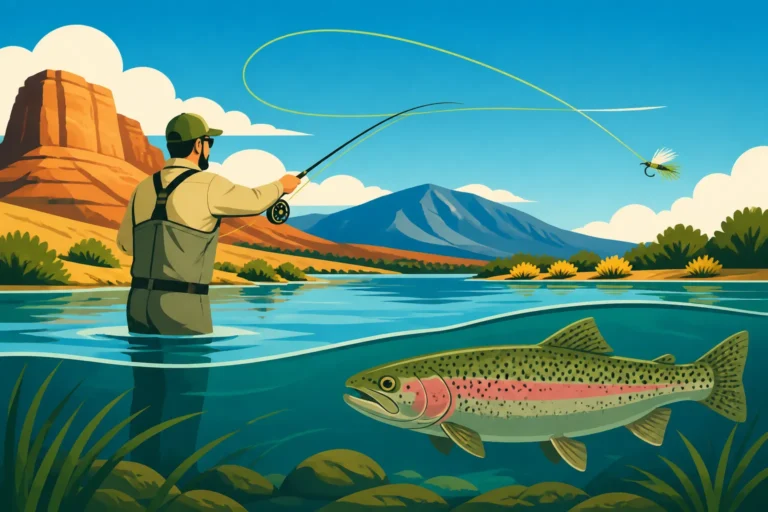
For Rainbow Trout (if stocked): When trout are present, they’ll often respond well to PowerBait (in various colors like garlic or cheese), small spinners (like Rooster Tails or Mepps), or tiny spoons. You can fish these on light spinning gear, either near the bottom or drifted with the current. For fly anglers, small nymphs, emergers, or even tiny dry flies might work, especially during a hatch. Remember that trout in river environments are often facing upstream, waiting for food to drift by, so casting upstream and allowing your bait or lure to drift naturally back towards you can be very effective.
Seasonal Considerations and Optimal Fishing Times
The best time to fish Leasburg Dam State Park is heavily influenced by the season and, crucially, by the Rio Grande's water levels.
- Spring (March-May): This is often a fantastic time. As temperatures rise, catfish become more active, and bass begin to move into shallower areas to spawn. River flows tend to be more consistent, though runoff from snowmelt can sometimes make the water muddy. The milder weather makes for very comfortable fishing days.
- Summer (June-August): Fishing can still be good, but you'll need to adapt to the heat and potentially lower water levels due to irrigation demands. Early mornings and late evenings are generally the most productive times, as fish seek cooler water and are more active. Catfish often remain active in the heat, especially at night. Bass might retreat to deeper holes or shaded areas.
- Fall (September-November): Another prime season. The weather cools, fish become more active, and water levels can stabilize. Bass often go on a feeding frenzy before winter, and catfish continue to bite well. If winter trout stockings begin early, this is when you might start seeing them.
- Winter (December-February): This can be a slower period for warmwater species, but it's the exclusive window for trout, assuming NMDGF has stocked them. Anglers targeting trout will find cooler water and often less competition. For warmwater species, target the warmest parts of the day.
Checking current water levels for the Rio Grande near Leasburg Dam before you leave home is always a smart move. Websites from the U.S. Geological Survey (USGS) can provide real-time river flow data, giving you a better idea of what to expect.
Bank Fishing vs. Boat Access
Leasburg Dam State Park is predominantly a bank fishing destination. Its varied shoreline along the Rio Grande and within the park boundaries offers numerous accessible spots to cast from. You can walk the banks, find a quiet stretch, or set up near one of the picnic areas. This accessibility makes it ideal for anglers without boats or those who prefer to stay on solid ground. Many of the best spots are right off the accessible paths.
While it's primarily a bank fishing park, small, hand-launched watercraft are perfectly suitable and can give you access to areas inaccessible from shore. Kayaks, canoes, and small jon boats are ideal here, allowing you to paddle around the calmer waters, fish deeper holes, or reach isolated stretches of the river. You won't typically see large, high-horsepower motorboats at Leasburg, as the river's depth and characteristics generally don't accommodate them. Plus, the peaceful atmosphere of a paddle craft complements the park's tranquil vibe. Just remember to have all your New Mexico Boat Registration and Titling Guide requirements in order, even for smaller vessels if they are motorized.
Essential Information and Park Logistics
A successful fishing trip isn't just about the fish; it's also about knowing the lay of the land, respecting the rules, and ensuring you have everything you need for a comfortable day. Leasburg Dam State Park is no exception, and a little preparation goes a long way.
Navigating the Park and Amenities
Leasburg Dam State Park is wonderfully designed for visitor convenience. Upon entering, you'll find ample parking close to the main recreation areas. The park offers numerous picnic sites, many with shaded ramadas, perfect for enjoying a packed lunch or taking a break from the sun. Restrooms are readily available and typically well-maintained. For those who enjoy a bit of land-based exploration, there are several easy hiking trails, including a nature trail that provides educational insights into the local flora and fauna. These trails often run alongside the river, giving you more opportunities to scout potential fishing spots.
For anglers with mobility challenges, it's worth noting that New Mexico State Parks often strive for accessibility. While Leasburg might not have extensive ADA-specific fishing piers like some larger urban ponds, many of its bank access points are relatively flat and easy to navigate, particularly near the main picnic areas. Always check with the park office directly for the most up-to-date information on accessible features if that is a primary concern for your visit. The park is well-marked, and getting around is straightforward, allowing you to focus more on your fishing and less on navigation.
Regulations and License Requirements
Before you even think about casting a line, securing the proper documentation is paramount. In New Mexico, everyone 12 years of age and older needs a valid fishing license. This isn't just a suggestion; it's a legal requirement to help fund conservation efforts and fish stocking programs across the state. You can easily purchase your license online through the New Mexico Department of Game and Fish (NMDGF) website, or visit one of the many authorized vendors across the state. We have a comprehensive guide on How to Get a New Mexico Fishing License that walks you through the entire process.
In addition to your standard fishing license, you'll also need a Habitat Management and Access Validation (HMAV) stamp. This validation is crucial as it grants you access to state trust lands and other properties managed for wildlife and public recreation, including state parks like Leasburg. This stamp is an annual requirement for most anglers and is automatically added to your purchase when you buy an annual fishing license. However, make sure you understand the details of the New Mexico Habitat Stamp and Validation Requirements. Beyond the license, it’s vital to be aware of the specific bag and possession limits for the species you’re targeting. These limits are in place to ensure sustainable fish populations for future generations of anglers. Always consult the most current New Mexico Fishing Rules and Regulations booklet, available online or at license vendors, to stay compliant. Ignorance of the rules is never an excuse, and violations can lead to fines and loss of fishing privileges.
Planning Your Visit
Making a trip to Leasburg Dam State Park successful involves a bit of forethought. The best times to visit for fishing were discussed above, but generally, spring and fall offer the most comfortable weather and active fishing. If you plan a summer trip, prioritize early mornings or late evenings to avoid the intense desert heat. Always bring plenty of water, sunscreen, a wide-brimmed hat, and appropriate clothing to protect yourself from the New Mexico sun, which can be relentless, even in cooler months. Comfortable chairs, a small cooler for drinks and snacks, and maybe some insect repellent (especially during warmer months near the water) will enhance your comfort.
While Leasburg Dam State Park is a fantastic DIY fishing spot, if you're ever looking to branch out to larger, more complex New Mexico fisheries that might benefit from local expertise, remember that platforms like FishingBooker can connect you with experienced guides. However, for Leasburg itself, a self-guided approach is usually sufficient and highly rewarding. Before you head out, double-check the weather forecast and, as mentioned, the Rio Grande's flow levels to ensure you're arriving at optimal conditions. A quick check of the NMDGF website for any recent stocking reports, particularly for trout, can also give you an edge. With proper planning, your fishing trip to Leasburg Dam State Park can be a truly enjoyable and productive experience.
Disclaimer
Please remember that fishing conditions, regulations, and park amenities can change. Always consult the official New Mexico Department of Game and Fish website and Leasburg Dam State Park's official pages for the most current and accurate information before planning your trip. Safety should always be your top priority when enjoying the outdoors.