Where to Catch Tilapia in New Mexico
It's a common misconception among anglers, especially those new to the Land of Enchantment or hailing from warmer climates, to wonder about chasing species like tilapia. The thought of catching these hardy, fast-growing fish might bring up images of bountiful harvests, but the reality of tilapia fishing in New Mexico's diverse and often high-desert aquatic environments is quite different from what many expect. This guide is here to shed light on why you won't typically find tilapia on the New Mexico Department of Game and Fish (NMDGF) stocking reports and where, under very specific and limited circumstances, you might encounter them, while also emphasizing responsible angling practices.
Understanding Tilapia in New Mexico's Waters: Why They're Not Common
When you think of New Mexico, images of high-desert mountains, the majestic Rio Grande, and pristine trout streams often come to mind. These environments, while stunning, are predominantly cold-water fisheries or, in the case of larger reservoirs, support a mix of warm and cool-water species. Tilapia, on the other hand, are tropical fish, native to Africa and the Middle East, thriving in waters much warmer than what New Mexico generally offers. This fundamental biological requirement is the primary reason you won't find them widely distributed or actively managed as a game fish here.
The Thermal Threshold for Tilapia Survival
Tilapia are incredibly resilient and can adapt to a range of water conditions, but their Achilles' heel is cold water. Most tilapia species, such as the popular Mozambique or Nile tilapia, begin to experience stress when water temperatures drop below 60°F (15°C) and will die if temperatures consistently fall below 50°F (10°C) for extended periods. New Mexico, with its high elevations and cold winters, sees most of its public waters fall well below this critical threshold for much of the year. Even the warmest parts of our major reservoirs like Elephant Butte Lake or Caballo Lake will cool significantly in winter, making it impossible for tilapia to sustain wild, reproducing populations long-term.
It's not just about surviving winter, either. For tilapia to thrive and establish a fishery, they need sustained warm temperatures for reproduction and growth. Our springs are typically short, followed by intense summers, and then quick transitions to fall and winter. This thermal seasonality simply doesn't align with what tilapia need to proliferate in natural, open-access waters. The NMDGF focuses its efforts on species that are native or well-adapted to our unique ecosystem, ensuring healthy, sustainable fisheries for everyone. If you're looking for species that truly thrive here, understanding the broader context of New Mexico's diverse fish species is key.
Invasive Species Concerns and Ecosystem Balance
Beyond the temperature challenge, there's another crucial aspect: the designation of tilapia as a potential invasive species. Introducing non-native species into an ecosystem can have devastating consequences for native fish and other aquatic life. Tilapia are highly competitive, reproduce rapidly, and can quickly outcompete native species for food and habitat. They can also alter water quality, impact plant life, and introduce diseases.
Because of these significant ecological risks, state wildlife agencies, including the NMDGF, are extremely cautious about any non-native introductions. There's no benefit to introducing tilapia into New Mexico's public waters, and the potential harm to our precious native fish populations, such as the Rio Grande Cutthroat Trout or the Gila Trout, is immense. Maintaining the delicate balance of our aquatic environments is a top priority, and preventing the spread of invasive species is a critical part of that effort. This is why you won't find regulations encouraging their catch and release, but rather often the opposite: if caught, don't release. You can learn more about how the state manages these issues by understanding the New Mexico fishing regulations overview.
Specific Locations Where Tilapia Might Be Found and the Caveats
Given the challenges outlined above, finding tilapia in New Mexico's public waters is exceedingly rare. However, there are a few highly specific, often anomalous, situations where an angler might encounter them. These are not typically "fishing spots" in the traditional sense, but rather unique environments where human intervention or geothermal activity provides the necessary conditions.
Geothermal or Thermally Influenced Waters
The most likely, albeit still rare, place to find tilapia in New Mexico would be in isolated ponds or outflows that are influenced by geothermal activity or receive warm-water discharges. Think of small, private ponds fed by hot springs or industrial cooling ponds. These locations provide the consistent warm water that tilapia require year-round. However, these are almost universally private properties, not public fishing spots. Access would require explicit permission from landowners, and even then, these are not maintained fisheries.
Hypothetical Scenario: Imagine a small, privately owned pond on a ranch in the southwestern part of the state, perhaps near Truth or Consequences, known for its hot springs. If that pond were somehow stocked with tilapia decades ago and maintained a consistent warm temperature, a population could theoretically exist. However, this is far from a reliable, accessible fishery for the general public. These situations are exceptions, not the rule, and discovering such a spot would be a matter of local knowledge and private access.
Unauthorized Introductions in Closed Systems
Unfortunately, sometimes non-native species are illegally introduced into private ponds or even small, isolated public waters by individuals unaware of or disregarding the ecological risks. While highly discouraged and illegal, these isolated incidents could, theoretically, lead to a temporary tilapia population if the water conditions are favorable. These populations are unsustainable in the long term for most of New Mexico, and if discovered, the NMDGF would likely take steps for their removal to protect the broader ecosystem.
It’s crucial to understand that actively seeking out and targeting such illegally introduced fish on public lands could lead to legal repercussions. The state takes its invasive species management seriously. If you encounter what you suspect to be tilapia in any public water, it's best to report it to the NMDGF rather than attempting to fish for them.
The Reality: Focus on New Mexico's True Warm Water Fish
Rather than chasing the elusive and ecologically problematic tilapia, anglers in New Mexico have a fantastic array of warm-water species that genuinely thrive here and are actively managed by the state. These fish offer excellent angling opportunities across numerous lakes and rivers.
Here's a quick look at some prevalent and exciting warm water fish:
| Species | Preferred Habitat | Key New Mexico Locations | Typical Bait/Lures |
|---|---|---|---|
| Largemouth Bass | Weedy areas, submerged structure | Elephant Butte, Conchas, Ute Lake, Navajo Lake | Plastic worms, crankbaits, jigs |
| Smallmouth Bass | Rocky areas, clear water, current | Abiquiu Lake, Cochiti Lake, Rio Grande, San Juan | Small crankbaits, tubes, grubs, jigs |
| Walleye | Open water, deep structure, rocky | Ute Lake, Conchas Lake, Elephant Butte, Clayton | Jigs, crankbaits, bottom bouncers |
| Channel Catfish | Deep holes, slow current, muddy | Rio Grande, Pecos River, Most Reservoirs | Stink bait, cut bait, hot dogs |
| Striped Bass | Open water, schools of baitfish | Elephant Butte Lake, Caballo Lake | Swimbaits, topwater, live bait |
| Crappie | Submerged brush, timber, structure | Conchas Lake, Ute Lake, Elephant Butte, Navajo | Jigs, minnows, small crankbaits |
| Bluegill/Sunfish | Shallow, weedy areas, docks | Ponds, most reservoirs, slow river sections | Worms, crickets, small jigs |
If you're interested in pursuing these species, places like Elephant Butte Lake Fishing Guide or Conchas Lake Fishing Guide offer fantastic opportunities. Many anglers even book guided trips through services like FishingBooker to maximize their chances and learn the best local techniques for targeting these popular game fish. They are the true stars of New Mexico's warm-water scene.
Regulations and Responsible Angling for Tilapia in New Mexico
Because tilapia are not a managed game fish in New Mexico and are considered a potentially invasive species, the regulations surrounding them are quite different from those for native or established sport fish. It's paramount for every angler to understand these rules to protect our waterways.
Catching Tilapia: What to Do
The general directive from the New Mexico Department of Game and Fish regarding invasive fish species, which would include tilapia if found, is typically "do not release." This means if you happen to catch a tilapia in any New Mexico waterway, you should not return it to the water. Instead, you are usually encouraged to dispatch the fish humanely and properly dispose of it. This policy is in place to prevent the establishment or spread of species that could harm native ecosystems.
It's always best practice to consult the most current New Mexico fishing regulations overview, which is updated annually. These regulations will have specific guidance on invasive species. Generally, the aim is to prevent any non-native species from spreading from one body of water to another. This means you should never transport live fish from one location to another, even if it's "just a pond."
Preventing the Spread of Invasive Species
Responsible angling goes far beyond just understanding bag limits. When dealing with any non-native species, prevention is the ultimate goal. Here are crucial steps every angler should take:
- Clean, Drain, Dry: This mantra is vital. Before moving your boat, kayak, waders, or any fishing gear from one body of water to another, always clean off any visible mud, plants, or organisms. Drain all water from your boat, livewell, and bait buckets. Finally, dry everything thoroughly. Many invasive species, including microscopic ones, can hitch a ride on wet gear.
- Never Release Bait: Do not release live bait, dead bait, or aquarium fish into any public or private waterway. That small minnow in your bait bucket could become an invasive threat.
- Report Sightings: If you positively identify tilapia or any other suspected invasive species in a public water body where it's not known to exist, report it to the NMDGF immediately. Providing accurate information can help wildlife officials take timely action.
- Understand Local Ecosystems: Take the time to learn about the native fish species and the delicate balance of the particular water body you're fishing. Knowing what belongs there helps you identify what doesn't.
By adhering to these principles, you play a vital role in protecting New Mexico's incredible aquatic resources for future generations. While the pursuit of a unique catch can be exciting, the long-term health of our fisheries depends on every angler's commitment to responsible practices. For a deeper dive into the rules, specifically concerning species and their management, checking out the New Mexico warm water fish bag limits and related regulations is always a smart move.
Alternative Warm Water Species to Target in New Mexico
Since tilapia are practically non-existent as a viable sport fish in New Mexico, it's far more productive and rewarding to focus your efforts on the fantastic array of warm-water species that genuinely thrive here. New Mexico's large reservoirs and lower-elevation rivers are teeming with exciting opportunities for anglers seeking a warm-water challenge.
The Mighty Black Bass
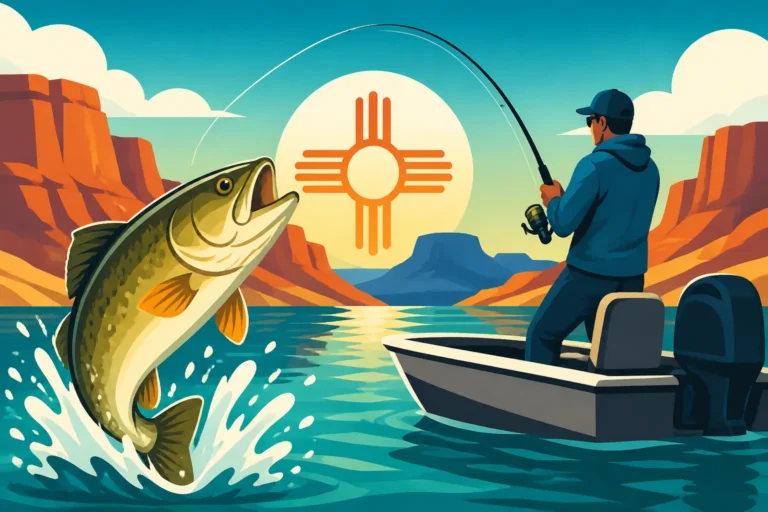
New Mexico boasts both Largemouth and Smallmouth Bass, offering diverse angling experiences. Largemouth bass are often found in the weedier, shallower parts of reservoirs like Conchas Lake and Ute Lake, favoring cover and structure. They hit aggressively and provide a thrilling fight. Techniques like Texas-rigged worms, crankbaits, and topwater lures are incredibly effective.
Smallmouth bass, on the other hand, prefer rocky habitats, clear water, and areas with current, making them common in reservoirs like Abiquiu Lake and Cochiti Lake, as well as the rocky stretches of the Rio Grande. They are known for their strong fights and acrobatic jumps. Small crankbaits, tubes, and spinnerbaits work wonders. You can find excellent information on how to improve your bass game in guides like Bass Fishing Techniques for New Mexico Lakes.
Walleye: The Elusive and Delicious
Walleye are highly sought after by many anglers for their challenging nature and their reputation as one of the best-tasting freshwater fish. They are often found in deeper, cooler parts of reservoirs, especially around structure. Conchas Lake and Ute Lake are perennial favorites for walleye, but Elephant Butte and Clayton Lake also offer good opportunities. Jigging with minnows or artificial lures, trolling with crankbaits, or using bottom bouncers are common and successful techniques. These fish can be a bit elusive, but the reward is certainly worth the effort.
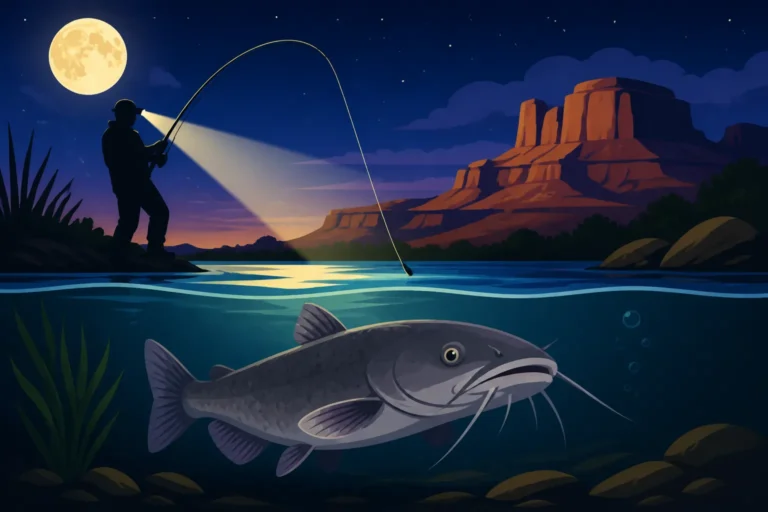
Catfish: The Nighttime Giants
For anglers who enjoy a relaxed evening or night fishing experience, New Mexico's catfish populations are abundant and robust. Channel catfish are widespread in nearly all major reservoirs and rivers, including the Rio Grande and Pecos River. They are not particularly picky eaters and can be caught using a variety of baits, from traditional stink baits and cut bait to more unconventional options like hot dogs or corn.
Flathead catfish, known for their enormous size and powerful fights, are also present in some of New Mexico's larger river systems and reservoirs. Targeting these giants requires heavier gear and patience, often with live bait. For a truly authentic warm-water experience, a night out chasing catfish can be incredibly rewarding. Exploring the nuances of Catfish Fishing in New Mexico can open up a whole new world of angling opportunities.
Panfish: Fun for Everyone
For family outings or beginners, New Mexico's panfish species like crappie, bluegill, and various sunfish offer continuous action. Crappie are popular for their schooling behavior and delicious fillets, often found around submerged brush and timber in lakes like Conchas, Ute, and Navajo. Small jigs and minnows are their weakness.
Bluegill and other sunfish are ubiquitous in most warm-water ponds and reservoir coves, making them perfect for introducing kids to fishing. A simple bobber, a small hook, and a worm or cricket are all you need for a day of smiles and tugs. Many local ponds are stocked and accessible, providing easy entry points into the sport. Consider looking into the Best Places to Fish in New Mexico for family-friendly options.
Instead of focusing on a species like tilapia that is ill-suited to New Mexico's environment and can pose ecological threats, embrace the incredible diversity of game fish that call these waters home. Whether you prefer the aggressive strike of a bass, the delicate bite of a walleye, or the steady pull of a catfish, New Mexico's warm-water fisheries offer plenty of exciting possibilities for every angler. Booking a trip with a local guide through platforms like FishingBooker can also be a fantastic way to discover the best spots and techniques for these truly magnificent New Mexico fish.
Disclaimer
Please remember that fishing regulations can change. Always consult the official New Mexico Department of Game and Fish website or the latest printed proclamation for the most up-to-date rules and regulations before heading out on your fishing adventure. This article provides general information and should not be considered legal advice or a substitute for official sources.