Fishing the Rio Grande Below Cochiti Dam
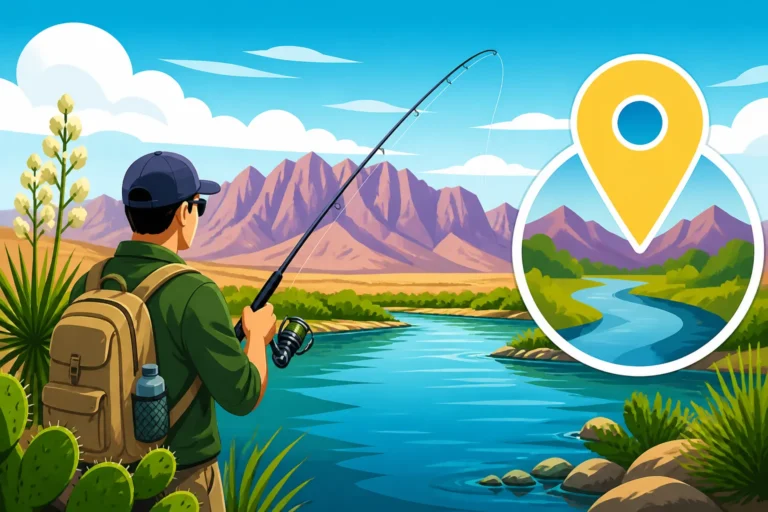
Feeling the pull of the Rio Grande below Cochiti Dam can be incredibly exciting, but also a bit daunting. The ever-changing water flows, the specific access points, and figuring out what the fish are actually biting on can turn a hopeful fishing trip into a frustrating guessing game. This guide is here to cut through that confusion, giving you a detailed roadmap to confidently fish this unique stretch of New Mexico water and boost your chances of a successful day on the river.
Understanding the Unique Challenges Below Cochiti Dam
The Rio Grande below Cochiti Dam isn't just another stretch of river; it's a dynamic environment heavily influenced by dam operations. This means that what works one day might not work the next, making local knowledge and adaptability your best friends.
Water Flow Dynamics and Their Impact
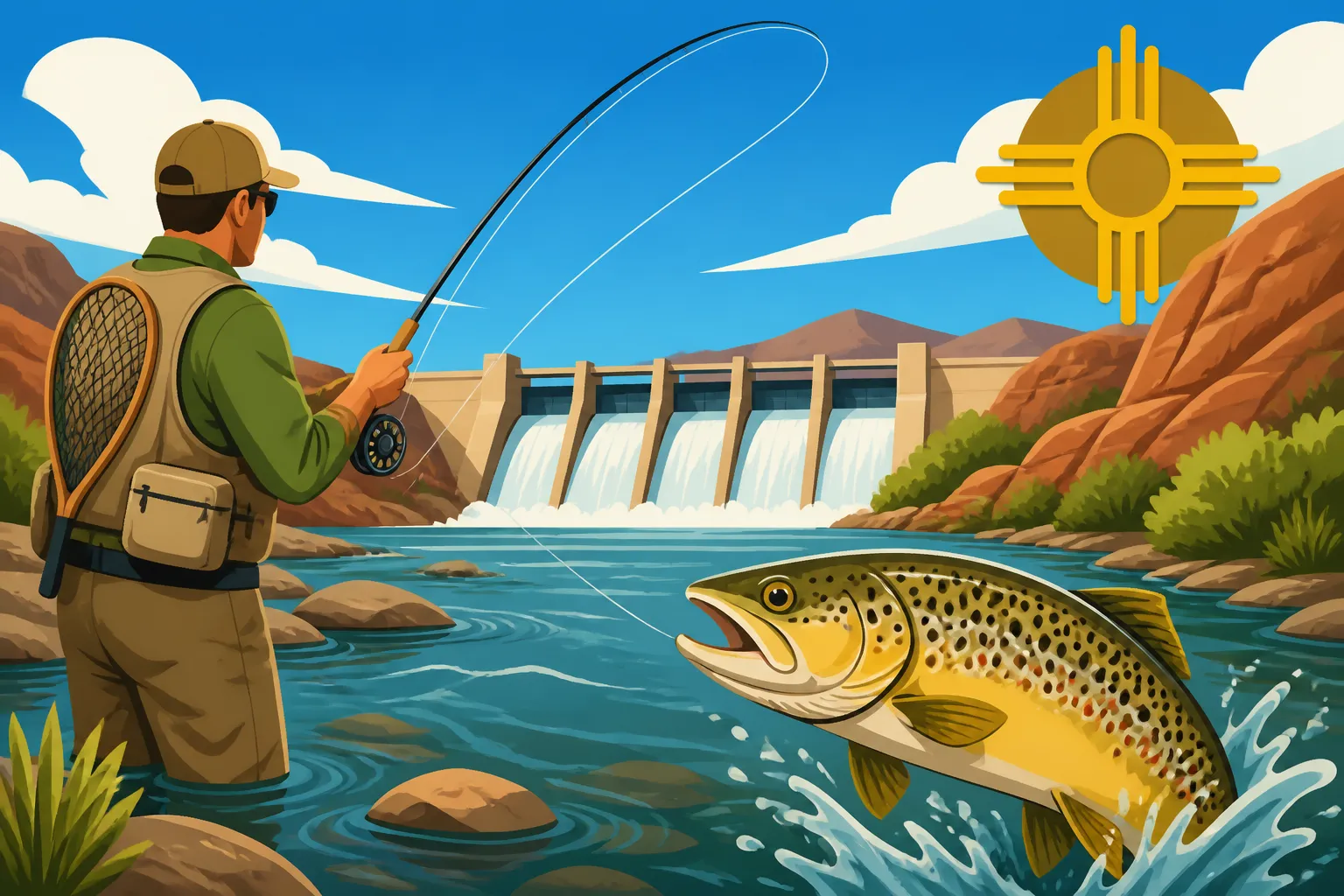
Cochiti Dam serves multiple purposes, including flood control and water storage for downstream irrigation. This means the New Mexico Interstate Stream Commission, in conjunction with the Army Corps of Engineers, regularly adjusts releases, which can dramatically alter the river's character. You might arrive to find a gentle, easily wadeable stream one morning, and a raging torrent unsuitable for wading the next. These fluctuations profoundly impact fish behavior and angler access.
Higher flows generally mean the fish will seek refuge in slower pockets, eddies, and behind larger structures, as the main current becomes too strong to hold position. The water also becomes murkier, reducing visibility and making sight fishing impossible. Conversely, lower flows can concentrate fish in deeper pools, but also make them warier and more visible to predators, including anglers. It’s crucial to check the U.S. Geological Survey (USGS) streamflow data for the Rio Grande near Cochiti before heading out. A good starting point for trout is often around 300-800 cubic feet per second (cfs), but even at higher flows, you can find success in the right spots. Understanding these dynamics is key to any successful trip here, and sometimes having a local expert guide through a service like FishingBooker can give you real-time insights into the current conditions.
Access Points and Considerations
Accessing the Rio Grande below Cochiti Dam can be straightforward in some areas and challenging in others. While the river often flows through public lands managed by the Bureau of Land Management (BLM) and the State of New Mexico, there are also private lands and tribal lands (Pueblo de Cochiti) where access is restricted or requires special permits. It's imperative to respect all posted signs and boundaries.
One of the most popular and accessible areas is near the Cochiti Lake Recreation Area, specifically below the dam itself. There are various points where you can park and walk to the river, but these areas can sometimes be steep or overgrown. The fishing access points might require a bit of a hike, so comfortable, sturdy footwear is a must. Further downstream, access points become more dispersed, often requiring dirt road navigation. Always be mindful of your vehicle's capabilities and current weather conditions, as dirt roads can quickly become impassable after rain. Always carry a map or use a reliable GPS app to ensure you know exactly where you are and if you're on public land. For a general overview of where to find the best spots throughout the state, check out our guide on the Best Places to Fish in New Mexico.
Target Species and Seasonal Shifts
The Rio Grande below Cochiti Dam is primarily known for its trout fishing, with rainbow trout being the most common, often supplemented by New Mexico Game & Fish stockings. You'll also find brown trout, which are wilder and more elusive, offering a rewarding challenge. In the warmer months, especially in slower or deeper pools, you might encounter warm water species like channel catfish, smallmouth bass, and even carp.
The best time for trout fishing here generally aligns with cooler weather – spring, fall, and even mild winter days. During these seasons, trout are more active and feeding aggressively. As temperatures rise in summer, the trout can become stressed, and fishing often slows down, making early mornings or late evenings the most productive times. If you're targeting warm water species, summer is often prime time. Remember that specific regulations, like those covered in the New Mexico Trout Fishing Rules, may vary depending on the species and location, so always consult the latest New Mexico Fishing Regulations.
Essential Gear and Techniques for Success
Having the right gear and knowing how to use it effectively will significantly increase your success rate below Cochiti Dam. This isn't a place for one-size-fits-all tackle.
Tackle for River Flow and Species
For trout fishing, a medium-light spinning rod (6-7 feet) paired with a 2000-2500 series reel spooled with 4-6 lb test monofilament or fluorocarbon line is a versatile setup. For fly anglers, a 9-foot, 5 or 6-weight rod is a good all-around choice. When the water is running high and swift, you'll need heavier split shot or tungsten weights for nymphing, and larger, heavier flies or lures that can cut through the current. Think about streamers or weighted nymphs that mimic aquatic insects or baitfish. When flows are lower and clearer, lighter lines, smaller flies, and more subtle presentations become critical. For more on what to use, our Best Lures for New Mexico Trout article has some great ideas.
For warm water species like catfish or bass, a medium-heavy spinning or baitcasting rod with 8-12 lb test line will handle the bigger fish and heavier baits. Baits like stink baits, worms, or cut bait work well for catfish, while crankbaits, jigs, and soft plastics can entice smallmouth bass. Don't forget a sturdy landing net, especially if you plan on practicing catch and release, to minimize stress on the fish.
Wading vs. Bank Fishing Strategies
The choice between wading and bank fishing depends heavily on the river's flow, your comfort level, and the specific access point.
- Wading: When flows are moderate and water clarity allows, wading offers the advantage of reaching prime holding water that might be inaccessible from the bank. Always wear good quality wading boots with felt or studded soles for grip on slippery rocks. A wading staff is highly recommended for stability, especially when crossing currents or navigating unfamiliar terrain. Always face upstream while wading to see obstacles coming. Be aware of sudden drop-offs and changing current speeds. Always use the "shuffle" method – never pick both feet up at once – to maintain balance.
- Bank Fishing: Bank fishing is a great option during high flows when wading is dangerous, or for those who prefer not to wade. Look for slower eddies, seams where fast and slow water meet, and undercut banks. These areas provide refuge and ambush points for fish. Casting accuracy becomes vital to place your bait or lure in these productive zones. Often, deeper pools or areas with submerged structure can be effectively fished from the bank. For a more in-depth look at techniques that work for different water types, check out Trout Fishing Techniques for New Mexico.
Seasonal Approach to Cochiti Dam Tailwater
Fishing below Cochiti Dam requires a seasonal understanding, much like managing your yearly schedule for fishing as described in the New Mexico Fishing Season Calendar.
- Spring: As runoff begins and dam releases might increase, focus on finding slower water. Trout are often hungry after winter. Baits like PowerBait, worms, or small spinners can be effective, alongside nymphing for fly anglers.
- Summer: High sun and warmer water push trout into deeper, cooler pockets, or into shaded areas during low light hours. Early mornings and late evenings are key. Consider switching to warm water species if trout fishing is slow.
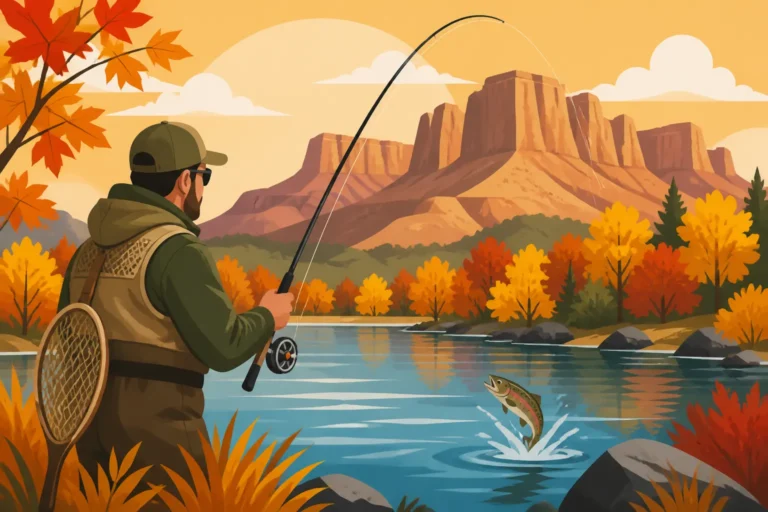
- Fall: This is arguably the best time for trout. Water temperatures cool, and flows often stabilize. Trout become very active, feeding heavily before winter. Fly fishing with nymphs, streamers, and even dry flies on calm days can be excellent. Spinning anglers will find success with various lures and natural baits.
- Winter: Fishing can still be productive on mild winter days. Trout are often concentrated in deeper, slower pools. Stealth and a slow presentation are crucial, as fish are less active. Small nymphs, midge patterns, or tiny jigs are effective. Remember to dress warmly in layers!
Navigating Regulations and Conservation Efforts
Fishing is a privilege, and understanding the rules not only keeps you out of trouble but also ensures these fantastic resources are available for future generations.
Specific Rules for This Stretch
The Rio Grande below Cochiti Dam falls under general statewide fishing regulations, but it’s always wise to consult the latest New Mexico Department of Game and Fish (NMDGF) fishing proclamation. This critical document will outline specific bag limits for trout and other species, length restrictions, and bait or lure restrictions for certain sections of the river. While the entire Rio Grande is not typically designated as "Special Trout Water" like parts of the San Juan River, localized rules can apply. Always double-check before you cast.
A New Mexico Fishing License Guide is essential reading. Remember, anyone 12 years and older needs a fishing license, and often an annual Habitat Management and Access Validation (HMAV) stamp is required, especially if you're fishing on federal lands managed by BLM or the Forest Service. Don't risk a fine; these regulations are in place for a reason. Ignoring them can lead to significant penalties, as detailed in New Mexico Fishing Violations and Penalties.
Conservation and Ethical Angling
As anglers, we are stewards of the environment. Practicing good conservation habits is crucial, especially in heavily fished areas like the Rio Grande.
- Catch and Release: If you're not keeping fish for the table, practice responsible catch and release techniques. Minimize handling, keep the fish in the water as much as possible, use barbless hooks, and revive the fish until it can swim away on its own. For more guidance, read up on New Mexico Catch and Release Regulations.
- Leave No Trace: Pack out everything you pack in, including discarded fishing line, bait containers, and any other trash.
- Respect Wildlife and Property: Give wildlife ample space and always respect private property boundaries.
- Report Violations: If you witness poaching or pollution, report it to NMDGF.
By adhering to these principles, we contribute to the health of the river and ensure its beauty and fish populations endure. If you're looking for an ethical and knowledgeable guide for a specific part of New Mexico, a resource like FishingBooker can connect you with local experts who prioritize conservation.
Common Fish Species and Best Practices Table
To give you a quick overview of what you might encounter and how to approach it:
| Species | Preferred Habitat (Below Cochiti) | Best Time to Target | Recommended Bait/Lure | Bag Limit (General, always check current regs) |
|---|---|---|---|---|
| Rainbow Trout | Eddies, seams, runs, stocked areas, deeper pools | Spring, Fall, Winter | PowerBait, worms, small spinners, nymphs, streamers | 5 fish daily (usually) |
| Brown Trout | Undercut banks, log jams, deeper, darker pockets | Fall, Winter (more active) | Spinners, small crankbaits, streamers, larger nymphs | Included in trout limit (usually) |
| Channel Catfish | Slower, deeper pools, muddy bottoms | Summer, warm nights | Stink baits, cut bait, worms, chicken livers | 25 fish daily (usually) |
| Smallmouth Bass | Rocky areas, current breaks, submerged structure | Summer | Jigs, crankbaits, soft plastics, spinnerbaits | 10 fish daily (usually) |
| Carp | Shallow flats, slow moving areas, muddy bottoms | Year-round, warmer months best | Corn, dough balls, worms, bread | No limit (often considered invasive) |
Note: Bag and possession limits are subject to change. Always consult the most current New Mexico Department of Game and Fish regulations before fishing. For details on New Mexico Fishing License Costs Explained and how to acquire one, be sure to visit the official NMDGF website or a licensed vendor. If you're trying to figure out how to get your license quickly, our guide on How to Get a New Mexico Fishing License has all the steps laid out for you.
Disclaimer
The information provided in this guide is for general informational purposes only and is subject to change. Fishing regulations, conditions, and access points can vary. Always consult the official New Mexico Department of Game and Fish regulations and local authorities before planning your fishing trip. Exercise caution and prioritize safety when on or near the water.