Best Fall Fishing Spots in New Mexico
The leaves are starting to turn, there's a crispness in the air, and suddenly, your favorite summer fishing spots just aren't producing like they used to. It's a common frustration for many anglers in New Mexico – trying to figure out where the fish go and what they're biting when the seasons shift. This comprehensive guide is here to help you unlock the magic of fall fishing, showing you the absolute best spots across the Land of Enchantment to cast your line when the autumn colors begin to glow.
Why Fall Fishing in New Mexico is a Game Changer
You might be tempted to put your fishing gear away once the kids go back to school, but trust me, fall offers some of the most spectacular angling opportunities in New Mexico. Many folks overlook it, thinking summer is the prime time, but that's a mistake. The truth is, autumn brings a host of benefits that make for incredible fishing experiences, often with fewer crowds.
Cooler Temperatures and Active Fish
One of the biggest advantages of fall fishing is the dip in water temperatures. Throughout the scorching New Mexico summer, many fish species, especially trout, become lethargic and seek refuge in deeper, cooler waters. They're just trying to survive the heat! But as fall arrives and the mercury drops, fish become much more active. They sense the impending winter and go into a feeding frenzy, packing on weight. This means they’re more willing to strike a lure or fly, making them easier to catch. For species like rainbow and brown trout, this is prime time, as they're also getting ready for their spawning runs, often becoming more aggressive.
Reduced Crowds and Stunning Scenery
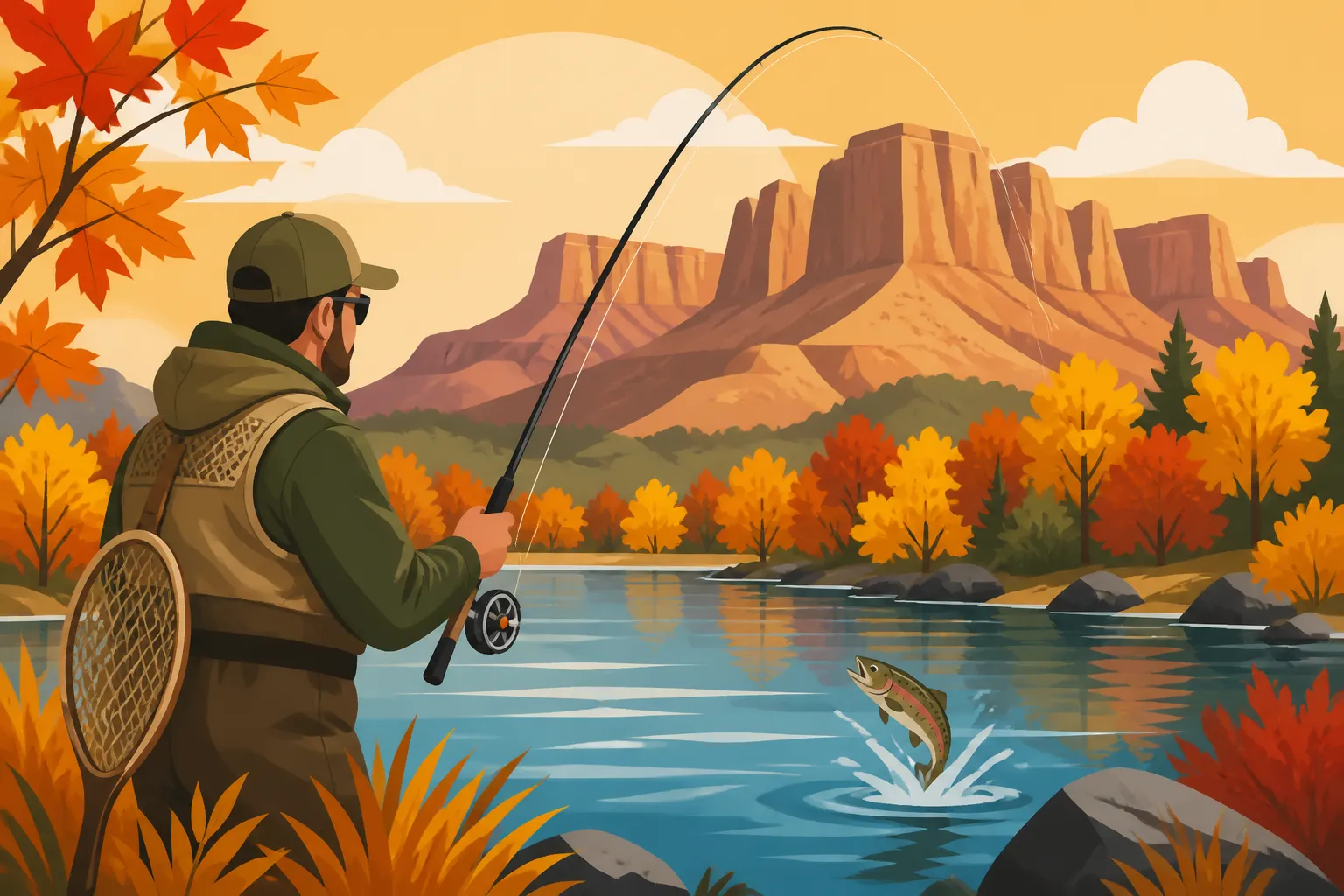
Let's be honest, nothing beats having a beautiful stretch of water mostly to yourself. Once the summer vacationers head home, many popular fishing spots become significantly less crowded. You'll find more elbow room on the banks of a river or more open water on a lake. And the scenery? Absolutely breathtaking. Imagine casting your line with vibrant golden aspens reflecting on the water, or deep red oaks lining the riverbanks. It’s not just about the fish; it's about the entire experience of being immersed in New Mexico’s stunning autumn landscape. It's a truly serene and rewarding time to be out on the water.
Shifting Forage and Spawning Runs
As the seasons change, so do the food sources available to fish. Insect hatches change, and baitfish might behave differently. Understanding these shifts can give you a significant edge. For instance, in lakes where Kokanee salmon are present, fall marks their spectacular spawning run, drawing in predatory fish like trout and pike who are eager to feast on their eggs or the salmon themselves. For many trout species, fall is when they begin their spawning rituals, making them more concentrated and aggressive in certain areas. This instinctual behavior often leads to some of the biggest fish of the year being caught. You can find more details on these seasonal changes in our New Mexico Fishing Season Calendar guide.
Northern New Mexico: High-Country Havens and Tailwater Treasures
Northern New Mexico is often synonymous with trout fishing, and for good reason. The high-country lakes and cold tailwaters truly shine in the fall.
San Juan River Quality Waters
If there’s one place that consistently delivers phenomenal fall fishing in New Mexico, it’s the San Juan River Quality Waters below Navajo Dam. This fishery is world-renowned for its unbelievably large and numerous trout, and fall is no exception. The water flows are generally stable, and the fish are actively feeding on midges, annelids, and even larger patterns as they bulk up for winter.
The cooler air temperatures make for a much more comfortable day of wading or drift-boating compared to the summer heat. You'll often find excellent nymphing action, sometimes with multiple fish caught on a single drift. Early morning and late afternoon can also bring fantastic dry fly opportunities when conditions are right, as smaller midges become more active. Many anglers will even book a guided trip through services like FishingBooker to maximize their chances and learn the subtle nuances of this technical river. It’s an experience every serious angler should have. For a deep dive into this incredible fishery, check out our San Juan River Fishing Guide.
Heron Lake and Eagle Nest Lake
Further north, Heron Lake and Eagle Nest Lake offer distinct and exciting fall fishing experiences. Heron Lake, a beautiful no-wake lake, is a prime destination for Kokanee salmon and large rainbow trout. In the fall, typically from late September through October, the Kokanee embark on their spawning run, turning a vibrant red. While you generally can't target spawning Kokanee directly in the no-wake zones, the sheer abundance of these fish, and the opportunity to snag them in designated areas (when the season is open and regulations allow), makes it a unique fall spectacle. The predatory trout in the lake also become more active, feeding on the eggs and any weaker salmon.
Eagle Nest Lake, nestled in the Moreno Valley, is another fantastic fall destination. It's known for its abundant rainbow trout, Kokanee salmon, and the elusive but thrilling tiger muskie. As the water cools, the trout become very active, often found closer to the surface. Trolling with small spoons or spinners can be incredibly effective. Like Heron, Eagle Nest also sees a Kokanee salmon run in the fall, which excites both anglers and the resident game fish. The tiger muskie, a challenging but rewarding catch, also becomes more active in the cooler waters, offering a chance at a true trophy. Detailed information on this beautiful high-altitude fishery can be found in our Eagle Nest Lake Fishing guide.
Central New Mexico: Reservoir Action and River Runs
As you move south, the fishing opportunities adapt to the slightly warmer, but still excellent, fall conditions. Central New Mexico reservoirs and rivers provide diverse options.
Abiquiu Lake
Abiquiu Lake, a large reservoir northwest of Española, is primarily known for its smallmouth bass, but it also holds good populations of walleye and brown trout. In the fall, the smallmouth bass really turn on. They move into shallower rocky areas and along points, feeding aggressively before winter. You can have fantastic success casting crankbaits, jigs, or even topwater lures early in the morning. The cooler water also means the brown trout, which can grow quite large here, become more active, often chasing baitfish near drop-offs and ledges. Walleye will also be on the move, making this a diverse and exciting fall fishery.
Cochiti Lake and the Rio Grande
Cochiti Lake, a large flood control reservoir on the Rio Grande, is a popular spot for bass, walleye, and pike. While its fishing can be hit-or-miss in summer, fall often brings more consistent action. The cooler water helps concentrate the bass, especially largemouth, in areas with submerged cover or rocky structures. Walleye can be found deeper, but they too will feed more readily.
Downstream from Cochiti, the Rio Grande itself offers some excellent, accessible fall fishing. While it's largely a warm-water fishery in its central sections, it still receives trout stockings in certain urban stretches through the fall. Native Rio Grande cutthroat trout and brown trout can also be found in its cooler, higher elevation tributaries and sometimes in the main stem where conditions are right. For general guidelines on fishing regulations that apply to all these waters, consult the New Mexico Fishing Regulations Overview.
Southern New Mexico: Warm-Water Delights and Late-Season Bites
Don't think fall fishing is only for trout lovers! Southern New Mexico's larger reservoirs continue to offer fantastic warm-water species action well into autumn.
Elephant Butte Lake
Elephant Butte Lake, New Mexico's largest body of water, is a prime example of fantastic fall fishing for warm-water species. While summer can be brutally hot, the autumn months bring welcome relief and invigorate the resident fish. Striped bass, the lake's star attraction, go on a feeding binge in the fall. They'll often school up and actively chase shad, creating exciting topwater blowups, particularly in the mornings and evenings. Trolling or casting large crankbaits and swimbaits can be incredibly productive.
Largemouth and smallmouth bass also become very active, moving to shallower structures and points. Walleye fishing also picks up significantly as they move from their deep summer haunts. The sheer size and diversity of Elephant Butte means there's always something biting. If you're looking for an experienced guide to navigate this vast lake and find the hot spots, services like FishingBooker can connect you with local experts. For more detailed information on fishing this massive lake, dive into our Elephant Butte Lake Fishing Guide.
Caballo Lake
Just south of Elephant Butte, Caballo Lake also offers excellent fall fishing for bass, crappie, and walleye. As the temperatures cool, crappie often school up in large numbers around submerged brush piles and rocky ledges, making for some fast-paced action. Jigging with small plastics or minnows can yield impressive limits. Bass, both largemouth and smallmouth, remain active, patrolling shorelines and points. Caballo is a great alternative to the often-busier Elephant Butte, providing a more relaxed but equally rewarding fall fishing experience for warm-water species.
Essential Fall Fishing Tips for New Mexico
To make the most of your New Mexico fall fishing adventures, keep these key tips in mind. The change in season requires a slight shift in approach.
Adapt to Changing Fish Behavior
As mentioned, fish behavior changes dramatically with the seasons. In fall, many species will be more aggressive, but also more sensitive to light and temperature swings.
- Trout: Look for trout to be more active in shallower water, especially during low light conditions (early morning, late evening, or overcast days). They'll often feed heavily on smaller insects and emerging midges in tailwaters like the San Juan, but don't overlook streamers imitating baitfish in lakes. For a variety of tactics, explore our Trout Fishing Techniques for New Mexico article.
- Bass and Walleye: These warm-water species will also move shallower in the fall, particularly as water temperatures remain mild, targeting baitfish that are pushed by cooling water. Work points, humps, and submerged cover with crankbaits, jerkbaits, and jigs. As the season progresses into late fall, they may retreat to deeper main lake structures, but they will still be actively feeding.
- Kokanee Salmon: When snagging season is open, these fish are usually targeted in specific areas of lakes like Heron and Navajo. Always check the current regulations for specific dates and methods.
Dress in Layers and Be Prepared for Weather Shifts
New Mexico fall weather is notoriously unpredictable. A morning that starts with frost on the ground can quickly warm up to a sunny, pleasant afternoon, only to have a cold front blow in by evening. Dressing in layers is absolutely crucial. Start with a moisture-wicking base layer, add insulating layers like fleece, and always have a waterproof and windproof outer shell. Gloves and a warm hat are also essential for those crisp mornings, especially in the high country. Don't forget polarized sunglasses, which are invaluable for spotting fish in clear water, and ample sunscreen, as the high-altitude sun can still be intense.
Consider Time of Day and Current Conditions
While fish are generally more active in fall, the best bite often occurs during specific times. For trout, low light periods at dawn and dusk are typically prime, especially when combined with a warming trend during the day. For reservoir fishing, bright sunny days can push fish deeper, while overcast conditions might bring them closer to the surface. Always check local weather forecasts and water conditions before heading out. Websites and apps, including those used by FishingBooker, often provide real-time updates that can help you plan your trip. Also, remember to secure your New Mexico Fishing License Guide before you head out.
| Fall Fishing Hotspot | Primary Species | Best Fall Months | Key Fall Tactic |
|---|---|---|---|
| San Juan River Quality W. | Rainbow Trout, Brown Trout | Sep – Nov | Nymphing, Midge hatches, small streamers |
| Heron Lake | Kokanee Salmon, Rainbow T. | Sep – Oct | Trolling, Kokanee Snagging (check regs) |
| Eagle Nest Lake | Rainbow Trout, Kokanee, T. | Sep – Nov | Trolling, Spoons, Spinners, Tiger Muskie |
| Abiquiu Lake | Smallmouth Bass, Walleye | Sep – Oct | Crankbaits, Jigs, Jerkbaits (rocky areas) |
| Elephant Butte Lake | Striped Bass, Bass, Walleye | Sep – Nov | Trolling, Topwater, Crankbaits, Jigs |
| Caballo Lake | Crappie, Bass, Walleye | Sep – Nov | Jigging (crappie), Crankbaits (bass/walleye) |
This table provides a quick reference, but remember that specific conditions can always vary. It's always best to combine this general knowledge with the most current local reports. If you're keen to learn more about the seasonal changes and what to expect throughout the year, our broader Fall Fishing in New Mexico guide offers even more insights into the autumn angling scene across the state. Furthermore, knowing the Best Lures for New Mexico Trout will greatly enhance your success in the fall.
Disclaimer
Fishing conditions and regulations in New Mexico can change. Always consult the latest New Mexico Department of Game and Fish (NMDGF) regulations before planning your trip to ensure compliance with all laws and to verify season dates, bag limits, and any special restrictions for specific waters.