Fly Fishing Techniques for New Mexico Rivers
Venturing into the world of fly fishing on New Mexico's stunning rivers can feel like stepping into a whole new universe, especially with the unique high-desert conditions, varied water flows, and an incredible diversity of trout that call these waters home. Many anglers, even seasoned ones from other states, find themselves scratching their heads, wondering which techniques truly unlock the potential of the Pecos, the Chama, or the legendary San Juan. This guide is here to demystify the art and science of fly fishing in New Mexico, equipping you with the techniques and local insights you need to confidently cast your line and find success.
Understanding New Mexico's Unique Fly Fishing Landscape
New Mexico offers an incredibly diverse range of fly fishing experiences, from small, intimate mountain streams to large, powerful tailwaters. It's not a "one size fits all" kind of place, and understanding the distinct characteristics of these different environments is the first step to mastering the local techniques. The altitude, water temperatures, and even the geology play a huge role in what makes the fish tick here.
High-Altitude Mountain Streams and Wilderness Rivers
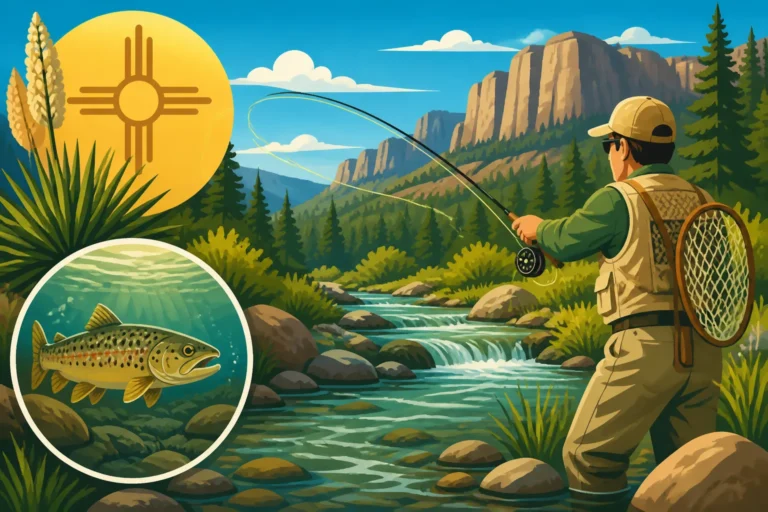
Imagine crystal-clear, freestone streams tumbling down from the Sangre de Cristo or Gila wilderness areas. These are the arteries of New Mexico, often fed by snowmelt and rain, carving their way through dense forests and open meadows. The fish here, often smaller and wilder, like the native Rio Grande Cutthroat Trout, are incredibly wary and require a delicate touch. You'll find yourself making precise casts to small pockets and runs, often in challenging terrain. The season for these waters is typically shorter, opening up fully after the spring runoff subsides, usually by late May or early June, and remaining productive through early fall.
Successfully fishing these streams means adapting to their dynamic nature. Water levels can fluctuate rapidly with summer monsoons, and fish often stack up in predictable holding lies. The emphasis here is on stealth, accurate presentations, and using smaller, more natural fly patterns that mimic the local insect life. Don't be surprised if you spend more time hiking and less time casting, but the rewards of catching a truly wild trout in an untouched setting are immeasurable.
Tailwaters and Large Rivers
Contrast that with New Mexico's powerful tailwaters, like the world-renowned San Juan River below Navajo Dam. These rivers are fed from the bottom of large reservoirs, resulting in incredibly consistent water temperatures and flows throughout the year. This stability creates an ideal environment for prolific insect hatches, leading to incredible fish growth and density. The San Juan, in particular, is famous for its massive populations of large, healthy rainbow and brown trout.
Fishing these larger rivers often involves different tactics. You might encounter heavy flows, requiring specialized nymphing rigs to get your flies down to the fish. Due to the constant food source, these fish can become highly selective, making fly selection and presentation paramount. The sheer size and power of the water can also be intimidating, demanding heavier tippet and strong casts. Unlike mountain streams, these waters are often fishable year-round, offering fantastic opportunities even in the depths of winter. Understanding the specific micro-ecosystems of these tailwaters, from the Quality Waters of the San Juan to the productive sections of the Rio Chama, is key to consistent success.
Essential Fly Fishing Gear for New Mexico Waters
Before we dive into specific techniques, having the right gear is crucial. New Mexico's diverse environments demand versatility from your equipment. You wouldn't use a heavy streamer rod for delicate dry fly fishing on a small creek, nor would a lightweight setup stand a chance against a powerful San Juan River rainbow.
Rods, Reels, and Lines for Varied Conditions
For most general trout fishing in New Mexico, a 9-foot, 5-weight fly rod is a fantastic all-around choice. This setup offers a great balance of power for casting larger flies or battling bigger fish, with enough sensitivity for delicate presentations. It's versatile enough for both smaller mountain streams and the broader sections of rivers like the Pecos or Rio Grande. Many anglers find reliable options on Amazon, offering good value and performance for this staple rod weight.
However, if you plan to spend significant time on the San Juan River's Quality Waters, you might consider a 9-foot, 4-weight rod for slightly more delicate nymphing presentations or a 6-weight rod if you plan to throw larger streamers or target bigger fish in heavier currents. For those tiny, brush-choked mountain streams, a 7 to 8.5-foot, 3-weight rod can make a huge difference in accuracy and manageability in tight spaces. Your reel should be a reliable disc-drag model, matching your rod weight, capable of holding your fly line and appropriate backing. A good weight-forward floating line is standard, but you might also want a sink-tip line for streamer fishing in deeper, faster waters.
Waders and Wading Boots for Safety and Comfort
New Mexico's waters, especially the tailwaters, can be quite cold, even in summer. Good breathable chest waders are an absolute must for comfort and safety. Neoprene waders can be too hot for most of the year, though they might be comfortable for winter fishing. Look for durable, well-fitting waders that allow for layering underneath. Many trusted brands are available, and you can often find good deals on them through retailers.
Your wading boots are equally important. New Mexico rivers can have slippery, rocky bottoms. Felt-soled boots provide excellent grip on slick rocks, but some areas, particularly in national forests or wilderness areas, may restrict felt soles to prevent the spread of invasive species. Rubber-soled boots with aggressive treads, often with studs or cleats added, offer a great alternative, providing traction on a variety of surfaces. Always check the local regulations for specific water bodies regarding wading boot restrictions. Ensure your boots are comfortable enough for long days of walking and wading, as you'll often cover considerable distances.
Essential Accessories and Tackle Organization
Beyond the big-ticket items, a few accessories will make your New Mexico fly fishing trips much more enjoyable and productive. A fishing vest or chest pack is invaluable for keeping your fly boxes, tippet spools, floatant, nippers, and forceps organized and easily accessible. A landing net with a rubber bag is highly recommended, especially for catch-and-release, as it minimizes harm to the fish. When you are looking for a reliable landing net, check for options online, many of which can be found on Amazon. Don't forget polarized sunglasses to cut the glare and spot fish, and a brimmed hat for sun protection in the intense New Mexico sun.
You'll also want a variety of tippet spools (e.g., 3X, 4X, 5X, 6X) for different situations and fly sizes, split shot or tungsten putty for nymphing, and a reliable strike indicator system. A good fishing backpack for hiking to high lakes or remote river sections can carry water, snacks, extra layers, and your essential gear, ensuring you're prepared for anything the New Mexico wilderness throws at you.
Mastering Core Fly Fishing Techniques for New Mexico
Fly fishing is an art, but it's also a science. Understanding the core techniques and knowing when and where to apply them will drastically improve your success on New Mexico's waters.
Nymph Fishing Strategies
Nymphing is arguably the most consistently productive technique in New Mexico, especially on tailwaters like the San Juan River. Trout spend the vast majority of their lives feeding subsurface on aquatic insects in their larval or pupal stages. The key to successful nymphing is getting your flies down to the fish's feeding lane and achieving a natural, drag-free drift. This often means replicating the movement of a dislodged insect tumbling along the river bottom.
A common setup involves a strike indicator (like a buoyant foam indicator or a yarn indicator) attached to your leader, followed by one or more weighted nymph patterns. The indicator acts as a visual cue for strikes and helps suspend your flies at the desired depth. Often, a small amount of split shot or tungsten putty is added a foot or so above the first fly to help it sink quickly. The leader length from the indicator to your bottom fly should be about 1.5 times the depth of the water you are fishing. For instance, if the water is 3 feet deep, you'd want about 4.5 feet of leader between your indicator and your lowest fly. You'll cast upstream and allow your flies to drift naturally downstream, mending your line to eliminate drag as needed. Strikes can be subtle, sometimes just a slight twitch or hesitation of the indicator, so constant vigilance is crucial. Mastering your Nymph Fishing on the San Juan River will be a game changer for many anglers.
Dry Fly Fishing Techniques
There's nothing quite like the thrill of seeing a trout rise to a perfectly presented dry fly. While not always the most productive technique, dry fly fishing in New Mexico offers some incredible moments, especially during specific hatches or in faster, oxygenated water. Dry flies imitate adult aquatic insects, terrestrials (grasshoppers, ants, beetles), or even drowned insects floating on the surface.
The most critical elements of dry fly fishing are presentation and leader management. You want your fly to land softly, mimicking a natural insect, and drift without any drag. This often requires shorter, precise casts, especially on smaller streams. On larger rivers, longer casts and careful line mending are essential to achieve a drag-free drift over the fish's lie. A long, fine leader length for San Juan River nymphing (though you'll adjust this for dry flies) and appropriate tippet (often 5X or 6X) are necessary to ensure the fly floats naturally and doesn't spook wary trout. Pay close attention to what insects are hatching (or might be blown onto the water), and try to "match the hatch" with your fly selection. Knowing Dry Fly Fishing in New Mexico can lead to unforgettable experiences.
Streamer Fishing for Aggressive Trout
When trout are feeling aggressive, particularly larger ones, streamer fishing can be incredibly effective. Streamers imitate baitfish, leeches, or other larger prey items that trout actively hunt. This technique often appeals to the predatory instincts of larger brown trout or rainbow trout, especially in higher flows or during low-light conditions.
Streamer fishing typically involves casting larger, weighted flies and retrieving them with varying strips and pauses to create an enticing, darting motion. This active retrieve contrasts sharply with the passive drift of nymphing or dry fly fishing. On many New Mexico rivers, including sections of the Rio Grande and the Rio Chama, streamers can elicit powerful strikes. You'll often use a slightly heavier rod (a 6-weight is good here) and a sink-tip or even a full sinking line to get your streamer down quickly in deeper runs. Experiment with retrieve speeds and patterns to figure out what the fish are keying in on. Target deeper pools, undercut banks, and current seams where larger fish tend to ambush prey.
River-Specific Fly Fishing Strategies in New Mexico
New Mexico's major rivers each have their own personality, demanding slightly different approaches. What works on the San Juan might not be ideal for the Pecos, and vice versa.
The Legendary San Juan River
The San Juan River, particularly its "Quality Waters" section below Navajo Dam, is a fly fishing mecca. This 4-mile stretch is renowned for its incredibly dense population of large rainbow and brown trout. Due to consistent flows and temperatures, it's a tailwater fishery, meaning insects are abundant year-round. However, this also means the trout are highly educated and often incredibly selective.
The primary technique here is nymphing, often with tiny midge and annelid patterns, sometimes paired with egg patterns. Anglers frequently use a two-fly rig setup for the San Juan River, with a heavier "point" fly and a lighter "dropper" fly. Precision in depth, weight, and leader construction is paramount. Many anglers also use a modified Euro-nymphing technique without an indicator to maintain ultra-sensitive contact with their flies. When hatches occur (often midges and tiny mayflies), delicate dry fly presentations can be effective, but typically the fish are looking down. Strong currents and deep runs mean you need to be prepared with plenty of split shot and durable tippet. Understanding the San Juan River Quality Waters Section is essential for any angler visiting.
Fishing the Rio Chama and Rio Grande
The Rio Chama, particularly below Abiquiu Dam, offers excellent trout fishing with a mix of wild and stocked fish. This river has a different character than the San Juan, with more freestone sections and varied habitat. You'll find good opportunities for nymphing, dry fly fishing, and streamer fishing, depending on the season and specific section. During spring and early summer, caddis hatches can be prolific, leading to fantastic dry fly action.
The mighty Rio Grande, New Mexico's most iconic river, also provides fly fishing opportunities, especially in its northern stretches and the famous Rio Grande Gorge. Trout fishing is best in the colder, faster sections, particularly the stunning Rio Grande Gorge where wild brown and rainbow trout reside. Access can be challenging, often requiring hiking into the gorge. Here, a mix of nymphing, streamer fishing, and high-stick nymphing techniques are effective due to the deep, fast currents. During warmer months, terrestrial patterns like grasshoppers can be very productive along the banks. Fishing the Rio Chama Fishing and the larger Rio Grande Fishing Guide requires adaptability to diverse conditions.
Exploring the Pecos River and High Mountain Streams
The Pecos River, winding through the Sangre de Cristo Mountains, offers a classic freestone trout fishing experience. From its headwaters in the Pecos Wilderness down to its more accessible lower sections, you'll find a mix of rainbow, brown, and native Rio Grande Cutthroat Trout. These waters are often smaller, shallower, and clearer than the big tailwaters, demanding a stealthier approach.
Dry fly fishing can be exceptional during summer hatches of caddis and mayflies, and especially with terrestrial patterns later in the season. Nymphing with smaller patterns that mimic local stoneflies, caddis larvae, and mayfly nymphs is also consistently effective. Look for fish in pocket water, riffles, and small pools behind structure. Access can range from roadside to long hikes into the wilderness. The rewards are often beautiful, wild trout in stunning mountain settings. Always be aware of special regulations in specific sections, as some areas may have catch-and-release or fly-and-lure-only rules to protect native trout populations. The beauty of the Pecos River makes it a prime candidate for a dedicated "Pecos River Fishing" trip.
Seasonal Considerations for New Mexico Fly Fishing
New Mexico's distinct seasons profoundly impact fly fishing conditions, dictating fish behavior, insect hatches, and the most effective techniques.
Spring Runoff and Early Season Fishing
Spring in New Mexico (typically March through May, though this varies by elevation) is often characterized by snowmelt-driven runoff. Rivers swell, become cold and often murky, making fishing challenging on many freestone streams. During this period, the best fishing is usually found on the stable tailwaters, like the San Juan, where flows remain relatively consistent. The increased flows can actually push more insects into the drift, making nymphing incredibly productive.
For freestone rivers like the Pecos or Chama, once the initial surge of runoff subsides and the water begins to clear, early season fishing can be fantastic. Fish are often hungry after a long winter and willing to hit a variety of flies. Look for pre-runoff windows on smaller streams, or target slower pockets and eddies on larger rivers where fish can escape the main current. Streamer fishing can also be highly effective in the off-color, higher water of early spring. Learning about Spring Trout Fishing in New Mexico is key to success during this transitional period.
Summer Hatches and Terrestrial Action
Summer (June through August) brings warmer temperatures and vibrant insect activity to New Mexico's rivers. Many mountain streams become fully accessible and offer superb dry fly fishing with caddis, mayflies, and stoneflies. The high-desert sun also means terrestrials like grasshoppers, ants, and beetles become incredibly important food sources, especially from July through September. "Hopper-dropper" rigs (a large dry fly on top, with a nymph dropper below) are a summer staple.
On tailwaters, while dry fly opportunities exist, consistent nymphing remains king, often with tiny midges and Tricos. Warm water temperatures on lower elevation rivers can stress trout, so it's essential to practice good catch-and-release ethics, handling fish gently and quickly. Consider fishing early mornings or late evenings when temperatures are cooler. Knowing the New Mexico Fishing Season Calendar helps you plan your summer adventures around peak insect activity.
Fall Spawning and Winter Tailwater Fishing
Fall (September through November) is a favorite season for many New Mexico fly anglers. As temperatures cool, brown trout become increasingly aggressive as they prepare to spawn, offering fantastic streamer and nymphing opportunities. Hatches of blue-winged olives and midges become more prominent, providing dry fly action, especially on overcast days. The vibrant fall foliage against the clear, cool rivers makes for an unforgettable experience.
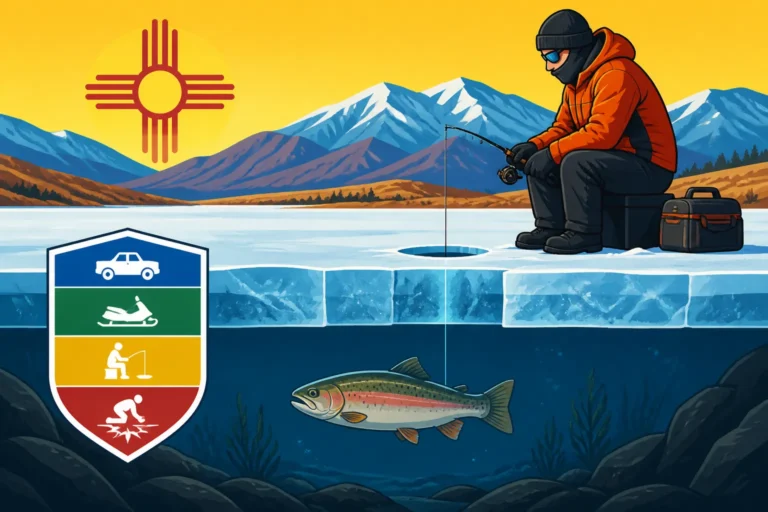
Winter (December through February) sees most freestone streams become very cold and often ice-bound at higher elevations. However, this is when New Mexico's tailwaters, particularly the San Juan, truly shine. Their stable, warmer water creates consistent fishing conditions, often dominated by tiny midge and annelid patterns for nymphing. On sunny, calm winter days, you might even see sporadic midge hatches bringing fish to the surface. It's a challenging but highly rewarding time to fish, requiring patience and meticulous technique. Layering up is essential for comfort in the cold.
Essential Entomology and Fly Selection
Understanding the basic insect life cycle and choosing the right fly patterns are critical for consistent success in fly fishing. While New Mexico has a vast array of insects, focusing on the most common groups will cover most situations.
Key Aquatic Insects and Their Imitations
The three most important groups of aquatic insects for trout anglers are mayflies, caddisflies, and stoneflies.
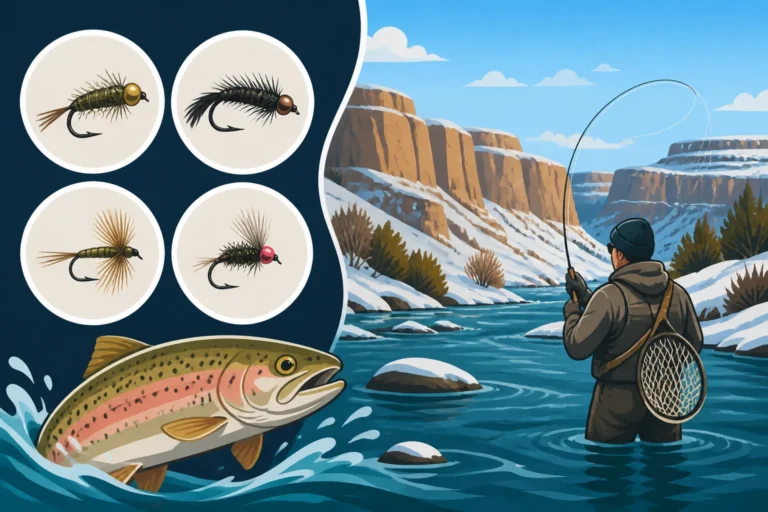
- Mayflies go through incomplete metamorphosis, with nymphs that crawl on the bottom, often found clinging to rocks. When they "hatch," they swim to the surface, shed their shucks, and emerge as winged adults (duns) that float on the water. After a brief flight, they transform into sexually mature adults (spinners) that return to the water to mate and lay eggs, often falling dead onto the surface. Common New Mexico mayflies include Blue-Winged Olives (BWO), Pale Morning Duns (PMD), and Green Drakes. Imitations include Pheasant Tail Nymphs, Hare's Ear Nymphs, Parachute Adams, and various specific dry fly patterns.
- Caddisflies undergo complete metamorphosis, with larvae often living in protective cases they build from pebbles or sticks. When they emerge, they quickly swim to the surface, and the adults take flight almost immediately, often skittering across the water. Important New Mexico caddis species can be found on rivers like the Rio Chama and Pecos. Imitations include LaFontaine's Sparkle Pupa, Prince Nymphs, Elk Hair Caddis, and Goddard Caddis.
- Stoneflies are mostly bottom-dwelling nymphs that are often large and predatory. Their adults are clumsy fliers that typically emerge by crawling out onto rocks or vegetation near the water's edge. Golden Stones and Salmonflies are significant stonefly species, especially in larger rivers. Imitations include Pat's Rubber Legs, Girdle Bugs, and various large dry fly patterns like Chubby Chernobyls.
Additionally, midges are incredibly important, especially in tailwaters like the San Juan. These tiny flies are present year-round, and trout become highly accustomed to feeding on their larvae, pupae, and adults. Effective midge patterns include Zebra Midges, RS2s, and tiny Griffith's Gnats. Having a diverse selection of flies is paramount for successful Fly Selection for New Mexico's San Juan River.
Terrestrials and Attractor Patterns
During the warmer months, especially late summer and early fall, terrestrial insects (those that live on land but accidentally fall into the water) become a crucial food source. Grasshoppers, crickets, ants, and beetles are all fair game for trout. Large, foamy grasshopper patterns (like the Dave's Hopper or Morrish Hopper) or black ant imitations can be incredibly effective, particularly on freestone rivers like the Pecos or Rio Grande.
Attractor patterns are flies that don't necessarily imitate any specific insect but are designed to "attract" a fish's attention through their color, flash, or movement. Woolly Buggers (imitating leeches or baitfish), Egg Patterns (especially useful during spawning seasons), and flashy nymphs (like Copper Johns) are classic examples. These can be great "searching patterns" when you're unsure what the fish are eating, or when fish are less selective. Don't be afraid to experiment, as sometimes a bright, unexpected fly will trigger a strike when more subtle patterns fail. Many good Best Lures for New Mexico Trout are also great fly patterns.
Reading the Water and Approaching the River
Successfully catching fish in New Mexico is often less about the perfect cast and more about understanding where the fish live and how to approach them without spooking them.
Identifying Productive Holding Lies
Fish seek out areas in the river that offer a combination of food, cover, and favorable currents, allowing them to conserve energy. Learning to "read the water" means identifying these productive holding lies.
- Current Seams: These are lines where fast water meets slow water. Trout often sit in the slower water, waiting for food to be swept past in the faster current.
- Riffles and Runs: These are shallower, faster sections with broken water. Trout will often hold in the deeper pockets within these areas, feeding on dislodged nymphs.
- Pools: Deeper, slower sections of the river. Fish in pools can be found near the bottom, along edges, or near structure.
- Undercut Banks and Structure: Overhanging vegetation, fallen logs, and large rocks provide critical cover from predators and strong currents. Trout love to hide in these spots.
- Tailouts: The shallower, faster water at the very end of a pool, just before it drops into a riffle. Fish often congregate here, especially during hatches, as food funnels through.
Learning How to Read Water on the San Juan River is an advanced skill that is applicable to nearly all river systems. Spend time observing the river before you even cast. Look for subtle changes in current, depth, and bottom structure. What looks like an unproductive stretch of water to the untrained eye might be teeming with fish if you know what to look for.
Stealth and Presentation
New Mexico trout, especially in popular waters or smaller streams, can be incredibly wary. Your approach to the river is often as important as your cast.
- Walk softly: Heavy footsteps on the bank or wading carelessly can send vibrations through the water, spooking fish.
- Stay low: Keep a low profile, especially when approaching clear, shallow water. Fish have a wide field of vision.
- Wade carefully: Move slowly and deliberately. Avoid kicking up silt, which can obscure your flies and alarm fish.
- Cast accurately: Aim to land your fly gently and precisely where you think the fish are holding. A sloppy cast can put down an entire run.
- Minimize false casts: The less time your line is whipping through the air over the fish, the better. Try to make your casting strokes efficient.
- Practice your roll cast and various mends: These are essential for delicate presentations and managing drag in challenging river conditions. The ability to place your fly in a small pocket without creating a lot of commotion will significantly increase your success.
Remember, a perfect drift with an average fly will almost always outfish a poor drift with the "perfect" fly. Prioritize stealth and presentation.
Catch and Release Best Practices in New Mexico
Many of New Mexico's prime fly fishing waters, especially those managed for quality trout fisheries, have strict catch-and-release regulations or encourage it to sustain healthy fish populations. Even when keeping fish is allowed, practicing proper catch-and-release is vital for the long-term health of our fisheries.
Minimizing Stress and Injury
The goal of catch and release is to ensure the fish swims away healthy and can contribute to future spawning.
- Use barbless hooks: These hooks cause less damage and are much easier to remove. Many special trout waters in New Mexico, like the San Juan Quality Waters, Barbless Hook Fishing Technique for New Mexico Rivers are required by regulation. You can easily pinch down the barb on any standard hook with a pair of pliers.
- Fight fish quickly: Don't play the fish to exhaustion. Apply steady pressure to land it as quickly as possible, especially in warmer water where oxygen levels are lower.
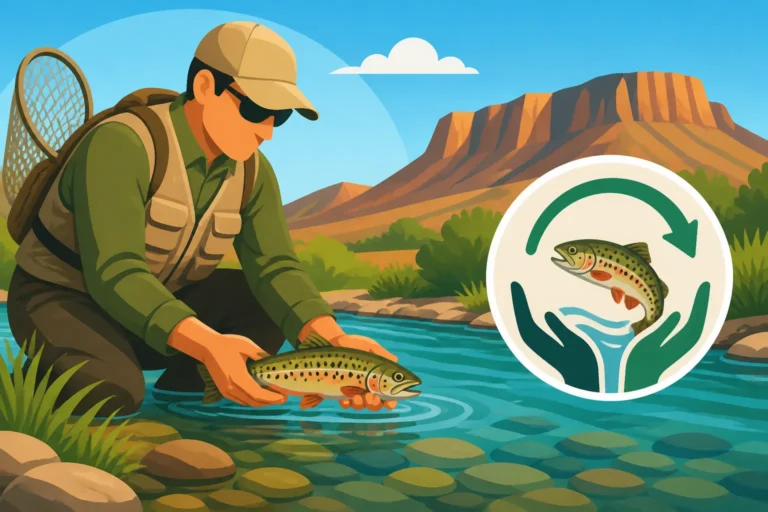
- Keep the fish in the water: Whenever possible, unhook the fish while it's still in the water. If you must remove it for a quick photo, keep it out of the water for only a few seconds, never dropping it on the bank.
- Handle with wet hands: Always wet your hands before touching a fish. Dry hands can remove the protective slime coat, making the fish vulnerable to disease.
- Avoid squeezing: Never squeeze the fish, especially around the gills or belly. This can cause internal organ damage.
- Use a rubber net: Rubber nets are much gentler on fish scales and fins than knotted nylon nets.
Proper Release Techniques
Once you've unhooked the fish, the release process is just as important as the fight.
- Support the fish: Hold the fish gently in the water, supporting its belly, and allow it to revive naturally. Position it facing upstream in a gentle current to help oxygen flow over its gills.
- Don't force it: Don't vigorously push the fish back and forth. This can damage its gills. Let it swim away on its own power.
- Observe its recovery: Wait until the fish is strong enough to swim away actively. If it rolls over, continue supporting it until it regains its balance and strength.
- Cut the line: If a hook is deeply embedded and cannot be removed without causing significant harm, it's often better to simply cut the line as close to the hook as possible. Barbless hooks will often rust out quickly.
Remember, these fish are a precious resource. Your efforts to practice Catch and Release Best Practices in New Mexico ensure that future generations can enjoy the same incredible fishing experiences you do.
Advanced Tips and Local Insights
Once you've got the basics down, a few advanced tips and local insights can help you elevate your fly fishing game in New Mexico.
High-Sticking and Euro Nymphing
On faster, deeper rivers, or when fishing pocket water, techniques like high-stick nymphing (also known as tight-line nymphing) or Euro nymphing can be incredibly effective. These methods involve using a longer, lighter rod and very little, if any, fly line on the water, relying instead on a specialized leader with a sighter section. The goal is to maintain direct contact with your flies, feeling for the most subtle takes, and achieving a perfectly drag-free drift. This can be particularly useful when you're wading through complex currents and need precise depth control.
While Euro nymphing requires specific gear and a different casting stroke, even incorporating elements of high-sticking into your traditional nymphing can yield results. By holding your rod tip high and keeping as much line off the water as possible, you minimize drag and improve your strike detection. These techniques are often employed on the San Juan River and can be a huge advantage when fish are holding deep or are particularly finicky.
Fishing During Specific Hatches or Weather Events
Paying attention to local insect hatches can unlock incredible dry fly fishing opportunities. Online resources, local fly shops (like those in Chama, Farmington, or Taos), and even river guides can provide up-to-date information on what's hatching and where. When you encounter a strong hatch, the priority is to "match the hatch" with flies that closely mimic the size, shape, and color of the natural insects.
Conversely, understanding how weather affects fishing is also vital. A sudden drop in barometric pressure before a storm can sometimes trigger a feeding frenzy, while a bright, sunny day might push fish into deeper, shadier lies. How Monsoon Season Affects New Mexico Fishing can be a big factor in summer, often clouding waters and making fish move. Learning to Best Time of Day to Catch Trout in Summer Heat often means fishing very early or very late. On the San Juan, flow changes (often due to dam releases) can significantly alter fish behavior and location, so checking the river flows before you go is always a good idea. Adaptability is the name of the game.
Ethical Angling and Conservation
Beyond regulations, being an ethical angler means respecting the resource and your fellow outdoors enthusiasts. This includes packing out all trash, staying on designated trails when possible, and being mindful of other anglers. New Mexico's waters are shared by many, including wildlife.
Conservation is also paramount. Many of New Mexico's trout fisheries rely on stocking programs, while others protect fragile native species like the Gila Trout and Rio Grande Cutthroat Trout. Understanding the regulations for specific waters, supporting conservation efforts, and practicing good stewardship ensures these incredible fly fishing opportunities remain for generations to come. Your fishing license fees contribute directly to these efforts, helping to maintain and improve our state's waters.
Disclaimer
Please be aware that fishing regulations in New Mexico can change. It is your responsibility to check the latest rules and regulations published by the New Mexico Department of Game and Fish before you head out on the water. This guide provides general information and recommendations, but specific conditions and regulations always take precedence.