How to Catch Trout in New Mexico
There’s nothing quite like the thrill of a trout hitting your line in New Mexico’s stunning waters, but let’s be real – sometimes it feels like they’re just laughing at our carefully chosen bait. Whether you’re a seasoned angler chasing elusive browns or a family looking to catch some stockers, decoding New Mexico’s diverse trout fisheries can feel overwhelming. This comprehensive guide will peel back the layers of frustration, offering you practical, no-nonsense advice to significantly improve your trout fishing success across the Land of Enchantment.
Understanding New Mexico's Trout Species and Where They Live
New Mexico is a paradise for trout anglers, boasting a fantastic variety of species that each prefer slightly different habitats and present unique challenges. Knowing what you're targeting and where they typically hang out is the first step to a successful day on the water.
Rainbow Trout The Stocked Favorite
Rainbow trout are undoubtedly the most common and accessible trout species you'll encounter in New Mexico. The New Mexico Department of Game and Fish (NMDGF) works incredibly hard to keep our lakes, rivers, and urban ponds stocked with these beautiful, hard-fighting fish. They are the backbone of many recreational fisheries, providing consistent action for anglers of all skill levels.
You’ll find rainbows thriving in cooler waters, often congregating in areas with good oxygen levels, like near inlets, around submerged structures, or in deeper pools of rivers and lakes. Their adaptability makes them a fantastic target for beginners and seasoned pros alike. For instance, the numerous urban ponds around Albuquerque and Santa Fe are regularly stocked with rainbow trout, making them perfect spots for a quick afternoon outing. Look for them around shaded areas or drop-offs, especially during warmer months.
Because they are frequently stocked, rainbows are often less finicky than their wild cousins. They’re generally opportunistic feeders, meaning they’ll readily strike a variety of baits, lures, and flies. This makes them an excellent species to target when you're introducing someone new to fishing, or if you simply want a good chance at consistent bites.
Brown Trout The Wily Adversary
Ah, brown trout. These fish are the cunning, elusive adversaries that often draw the most dedicated anglers to New Mexico’s rivers. While rainbow trout are often stocked for immediate catchability, brown trout are prized for their wild instincts, beautiful spotted patterns, and a tendency to grow to impressive sizes.
Browns prefer colder, more oxygenated water than rainbows, and they are masters of finding prime hiding spots. You’ll often find them lurking under undercut banks, behind large boulders, or in deep, slow pools where they can ambush prey. They are incredibly wary, especially in clear water, and their predatory nature means they're often looking for a substantial meal – think minnows, crawfish, and larger insects. Targeting brown trout often requires a stealthier approach and more patience.
Rivers like the Rio Grande and the Pecos River hold good populations of wild brown trout, offering a true challenge. These fish are survivors, and catching a large brown often feels like a significant accomplishment. They don't typically tolerate warm water as well as other species, so focus your efforts on the cooler sections of rivers, especially during the hottest parts of summer. When you hook into a brown, be prepared for a fight; they are known for their strong runs and powerful head shakes.
Native Cutthroat Trout A High-Country Gem
New Mexico is home to several native cutthroat trout subspecies, most notably the Rio Grande Cutthroat Trout, which is also our state fish. These aren't just fish; they are living symbols of New Mexico's wild, pristine headwaters. Targeting cutthroats is less about filling a cooler and more about experiencing the rugged beauty of their remote, high-country habitats.
You'll find cutthroats in the colder, cleaner waters of the high mountain streams and lakes, often requiring a good hike into the Pecos Wilderness or the Gila National Forest. They are typically smaller than their stocked counterparts, but their vibrant colors and the stunning scenery you encounter while chasing them make the effort entirely worthwhile. These fish are adapted to harsh conditions and often feed opportunistically on terrestrial insects that fall into the water.
Because they are native and often inhabit fragile ecosystems, many cutthroat fisheries have special regulations, including catch-and-release rules and restrictions on bait or hook types. Always check the New Mexico Trout Fishing Rules before heading out. It's an honor to fish for these remarkable creatures, and practicing Catch and Release Best Practices in New Mexico is crucial for their conservation. The experience of reeling in a wild Rio Grande Cutthroat from a crystal-clear mountain stream is something truly special and unforgettable.
Other Trout Species Brook and Lake Trout
While not as widespread as rainbows or browns, New Mexico does offer opportunities to catch other trout species, adding to the state's diverse angling appeal.
Brook trout, though not native to New Mexico, have established populations in some of the higher elevation streams and lakes, particularly in the northern part of the state. These small, strikingly colored fish thrive in cold, clear, spring-fed waters. They are aggressive feeders and can be a blast to catch on light tackle, often in remote, picturesque settings. Their vibrant red and orange markings make them a visual treat.
Lake trout, often called "Mackinaw," are a cold-water species found in a few deep, cold lakes, most notably Heron Lake. These are the giants of the trout family, capable of growing to impressive sizes. They typically inhabit the deepest parts of the lake, especially during warmer months, and require specialized techniques like deep trolling or jigging. Catching a lake trout is a true test of patience and skill, often involving heavy gear and a boat equipped with a fish finder. If you're looking for a serious challenge and a potential trophy, Heron Lake's deep, cold waters might just be your calling for lake trout.
Seasonal Strategies for Trout Fishing Success
Trout behavior in New Mexico is heavily influenced by the changing seasons, water temperatures, and flow rates. What works in April might be completely ineffective in August. Understanding these seasonal shifts is key to consistent success.
Spring Runoff and Early Season Action
Spring in New Mexico, particularly from April to early June, is a dynamic time for trout fishing. As the snow in the high country begins to melt, rivers and streams swell with cold, fast-moving water – this is what we call spring runoff. This period can be a double-edged sword: high flows can make fishing challenging by creating murky conditions and pushing fish into eddies, but it also brings a flush of nutrients and food into the system, making trout more active once the waters settle.
During peak runoff, focus your efforts on slower-moving water near the banks, behind large boulders, or in any sheltered pockets where trout can escape the main current. These fish will be expending less energy to hold their position and will be looking for easy meals. Heavy nymph rigs with larger, darker patterns that mimic dislodged insects or worms can be very effective. Spin anglers might find success with heavier spinners or spoons that can get down quickly in the turbulent water. Once runoff subsides and the water begins to clear, usually by late May or early June, trout activity picks up dramatically. They become very aggressive, feeding on emerging insects and anything else that washes downstream. This is often the prime time for catching actively feeding fish before the full heat of summer sets in. Check the New Mexico Fishing Season Calendar for optimal timings.
Summer High-Country and Tailwater Tactics
When New Mexico’s lowlands start to sizzle, usually from late June through August, trout fishing strategies shift dramatically. Warmer water temperatures can stress trout, pushing them into cooler, deeper refuges or to higher elevations. This is the perfect time to explore New Mexico's incredible high-country lakes and streams, or to visit its renowned tailwater fisheries.
High-country fishing involves heading into the mountains, often requiring a hike to remote lakes and creeks that remain cold throughout the summer. Here, trout thrive on hatches of aquatic insects and terrestrial insects that fall into the water. Dry fly fishing can be exceptional on these pristine waters, offering classic sight-fishing opportunities. Think small elk hair caddis, parachute Adams, or ant patterns. It’s an immersive experience, combining the beauty of a mountain hike with rewarding fishing. Don't forget your New Mexico Habitat Management and Access Validation Stamp if you're venturing onto federal lands.
Another excellent summer option is fishing New Mexico’s cold tailwaters, rivers that flow out from the base of large dams. The most famous example is the San Juan River Quality Waters below Navajo Dam. The water released from the bottom of the dam is consistently cold, providing a stable, year-round trout habitat. Here, trout grow large and healthy due to abundant food sources. Nymphing with tiny midge and annelid patterns is often the most effective technique on the San Juan, though dry fly opportunities can arise during specific hatches. Understanding the complex insect life and precise presentation is key to success on these technical waters. The San Juan River Fishing Guide offers extensive information for those looking to conquer this world-class fishery.
Fall The Best of Both Worlds
Fall, from September through November, is arguably one of the best times to fish for trout in New Mexico. As air temperatures cool and water temperatures begin to drop, trout become incredibly active, feeding aggressively to build up fat reserves for the upcoming winter. This period offers a fantastic blend of comfortable weather and vibrant fish.
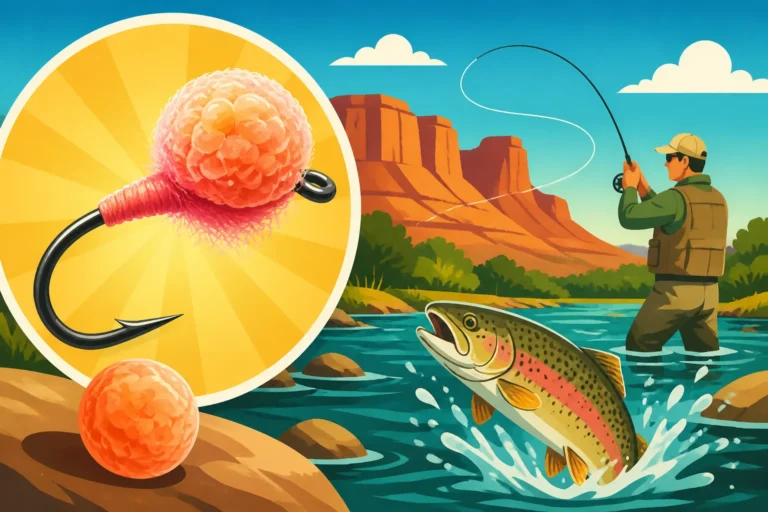
Many species, especially brown trout, begin their spawning rituals in the fall. This means larger browns will be more active and less cautious, making them a prime target for anglers looking for a trophy fish. Streamer patterns that imitate baitfish, or egg patterns, can be incredibly effective when targeting spawning browns. However, remember to exercise extreme caution and ethical practices when fishing for spawning fish. Avoid disturbing redds (spawning beds) and prioritize catch-and-release to protect future generations.
In stocked lakes and urban ponds, fall stockings by the NMDGF provide a fresh influx of hungry rainbow trout, making for excellent action. The cooler water also means these fish are more active throughout the day, not just during early morning or late evening. Both fly and spin anglers can find tremendous success across the state during this magical season. It's a time when you can truly experience the Best Places to Fish in New Mexico at their peak.
Winter Ice Fishing and Coldwater Challenges
Winter trout fishing in New Mexico presents its own unique set of challenges and rewards, especially for those brave enough to venture out onto the ice or brave the cold, open waters. While many fair-weather anglers pack away their gear, serious trout enthusiasts know that some of the biggest fish can be caught during the coldest months.
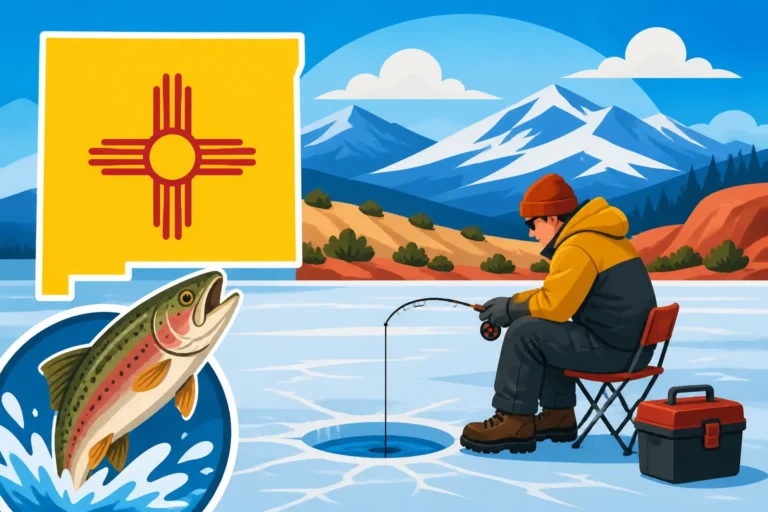
Ice fishing is a popular winter activity on several New Mexico lakes, provided the ice is thick enough for safe access. Eagle Nest Lake, Heron Lake, and Fenton Lake are popular spots that often freeze over sufficiently. Ice fishing involves drilling holes in the ice and using small jigs, spoons, or dead bait to entice trout that are holding in deeper water. The key is to fish slowly and patiently, as trout metabolism slows down in cold water. Knowing how to read a fish finder can be invaluable for locating schools of fish under the ice. Always prioritize safety: check ice thickness frequently and never venture out alone.
For those preferring open water, tailwaters like the San Juan River remain productive all winter due to their stable water temperatures. On these rivers, trout often congregate in deeper, slower pools, and become highly selective, feeding almost exclusively on tiny midge patterns and small nymphs. Presentation must be precise, and light tippets are essential. For spin anglers, very slow retrieves with small jigs or PowerBait can still yield results in calmer sections of rivers and larger lakes. Winter fishing demands patience and warm clothing, but the reward of a beautiful trout against a snowy backdrop is incomparable.
Essential Gear for New Mexico Trout Anglers
Having the right gear is non-negotiable for successful trout fishing in New Mexico. It doesn't mean you need the most expensive equipment, but rather the appropriate tools for the job. Matching your gear to the species you're targeting and the water you're fishing will significantly enhance your experience and your catch rate.
Rods, Reels, and Line for Different Scenarios
Choosing the right rod and reel setup can feel like a maze with all the options out there, but for trout, it boils down to balancing sensitivity with the power needed for the fish and the water.
For spin fishing, a light to ultralight action rod, typically 5.5 to 7 feet long, paired with a small spinning reel (like a 1000 or 2000 series), is ideal. This setup provides the sensitivity needed to detect subtle bites from trout and enough backbone to handle most stocked rainbows or smaller wild trout. Spool your reel with 4-6 pound test monofilament or fluorocarbon line. Monofilament is forgiving and easier for beginners, while fluorocarbon offers less stretch and better abrasion resistance, which can be useful in rocky rivers. For casting light lures or bait a good distance, especially on larger lakes like Eagle Nest or Navajo, a slightly longer, medium-light rod (7-8 feet) can give you that extra reach. Many excellent, affordable options are available on Amazon for both rods and reels that will perform admirably.
For fly fishing, a 4-weight or 5-weight fly rod, 8.5 to 9 feet in length, is your all-around workhorse for New Mexico trout. A 4-weight is perfect for smaller streams and delicate presentations to wary fish, while a 5-weight offers more versatility for larger flies, slightly windier conditions, and bigger rivers like the San Juan. Pair this with a matching fly reel and a weight-forward floating fly line. On the San Juan River, where fish can be large and current strong, some anglers prefer a 6-weight rod for better control. The Fly Fishing Techniques for New Mexico Rivers article delves deeper into specific setups for different fly fishing scenarios.
Lures, Baits, and Flies What Works Best
This is where things get fun and a little overwhelming because trout can be incredibly picky! However, there are some proven staples that every New Mexico trout angler should have in their arsenal.
For spin anglers using bait, PowerBait is almost synonymous with stocked rainbow trout. The PowerBait dough comes in various colors and scents, with fluorescent greens, oranges, and yellows often being top producers. A simple slip-sinker rig with a small treble hook will present it effectively. Worms (nightcrawlers, mealworms) are also universal trout candy, especially when fished under a bobber or on a light bottom rig. Corn, marshmallows, and salmon eggs can also be surprisingly effective.
When it comes to lures, small inline spinners (like Panther Martin, Mepps, or Rooster Tail) in sizes #0 to #2 are deadly. Silver, gold, and copper blades with various colored dressings (black, white, red, yellow) are essential. Small spoons (Kastmaster, Little Cleo) imitating baitfish also work wonders, particularly in lakes. For rivers, small crankbaits that dive shallow can tempt aggressive brown trout. Remember, many special trout waters have artificial lure-only regulations, so always check your New Mexico Fishing Regulations Overview.
Fly anglers need a diverse selection. For nymphing on rivers like the San Juan, tiny midge patterns (zebra midges, larva), annelid patterns (San Juan worms), and various mayfly and caddisfly nymphs (pheasant tail, hare's ear, copper john) are crucial. For dry fly fishing in the high country, parachute Adams, elk hair caddis, ant, and beetle patterns are must-haves. When targeting larger brown trout or in off-color water, streamer patterns (Woolly Bugger in black, olive, or white) are highly effective. The Best Lures for New Mexico Trout article provides more specific recommendations.
Wading Gear and Essential Accessories
Beyond your rod, reel, and tackle, several other pieces of gear can make your New Mexico trout fishing experience far more comfortable, safe, and productive.
Waders and wading boots are absolutely critical if you plan to fish rivers and streams. Neoprene waders are warmer for colder months, while breathable waders are more comfortable for spring, summer, and fall. Paired with sturdy wading boots, they allow you to access prime fishing spots that are otherwise unreachable from the bank. Make sure your boots have good traction, especially for slick riverbeds. A wading belt is essential for safety, preventing your waders from filling completely with water should you take an unexpected dip.
A landing net is often overlooked but incredibly important, especially for catch-and-release fishing. A net with a rubber or silicone mesh minimizes harm to the fish's protective slime coat and fins. For fly anglers, a smaller, lightweight net can be carried on your back. For spin anglers, a slightly larger net might be needed. Hemostats or needle-nose pliers are vital for quickly and safely removing hooks, especially if you're using barbless hooks for conservation.
Other essential accessories include polarized sunglasses to reduce glare and help you spot fish, a hat for sun protection, sunscreen, insect repellent (especially for summer mornings and evenings), a small first-aid kit, and plenty of water. A fishing vest or backpack with multiple pockets helps keep all your small items organized and easily accessible. Many of these items, from polarized sunglasses to fishing backpacks, are readily available on Amazon, making it easy to stock up before your next trip.
Mastering Trout Fishing Techniques
Catching trout consistently isn’t just about having the right gear; it’s about understanding how to present your bait, lure, or fly effectively. Trout are often keen-sighted and wary, so a natural presentation is paramount.
Spin Fishing Bait and Lure Presentation
Spin fishing is a fantastic and versatile way to catch trout, offering simplicity for beginners and effectiveness for experienced anglers. The key is in how you present your offering.
When using PowerBait or worms in still water, like a lake or a slow pool, a slip-sinker rig is highly effective. Thread a small egg sinker onto your main line, followed by a small bead, then tie on a barrel swivel. To the other end of the swivel, attach an 18-36 inch leader (4-6 lb test fluorocarbon is great for invisibility) and a small hook (size 10-14 for PowerBait, larger for worms). The slip sinker allows the fish to take the bait without feeling the weight of the sinker, giving you time to set the hook. Cast out, let it sink to the bottom, and wait. If fishing in a pond or slowly moving water, a simple bobber and split-shot setup works wonders, keeping your bait suspended at a desired depth.
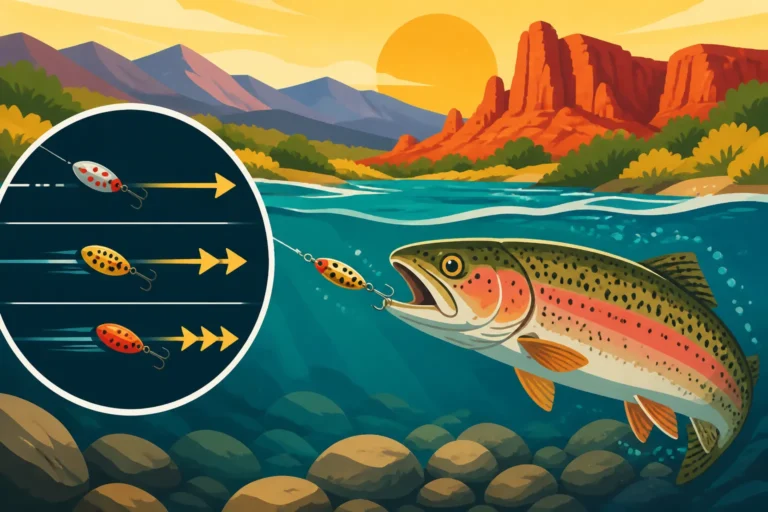
For lures like spinners and spoons, casting accuracy is crucial. Cast upstream and across the current, letting the lure swing downstream while reeling just fast enough to make the blade or spoon flash. This mimics a wounded baitfish or an insect caught in the current. In lakes, vary your retrieve speed and depth until you find what triggers a bite. Experiment with a steady retrieve, stop-and-go actions, or even twitching the rod tip to impart more erratic movements. Remember, trout often strike on the pause! Small crankbaits are best fished with a steady retrieve, letting them dive to their desired depth, or with a series of short jerks to imitate a struggling baitfish.
Fly Fishing Nymphing, Dry Flies, and Streamers
Fly fishing is an art form, and in New Mexico, it's often the most productive method, especially on its renowned wild trout waters. The three main techniques – nymphing, dry flies, and streamers – each cater to different conditions and fish behaviors.
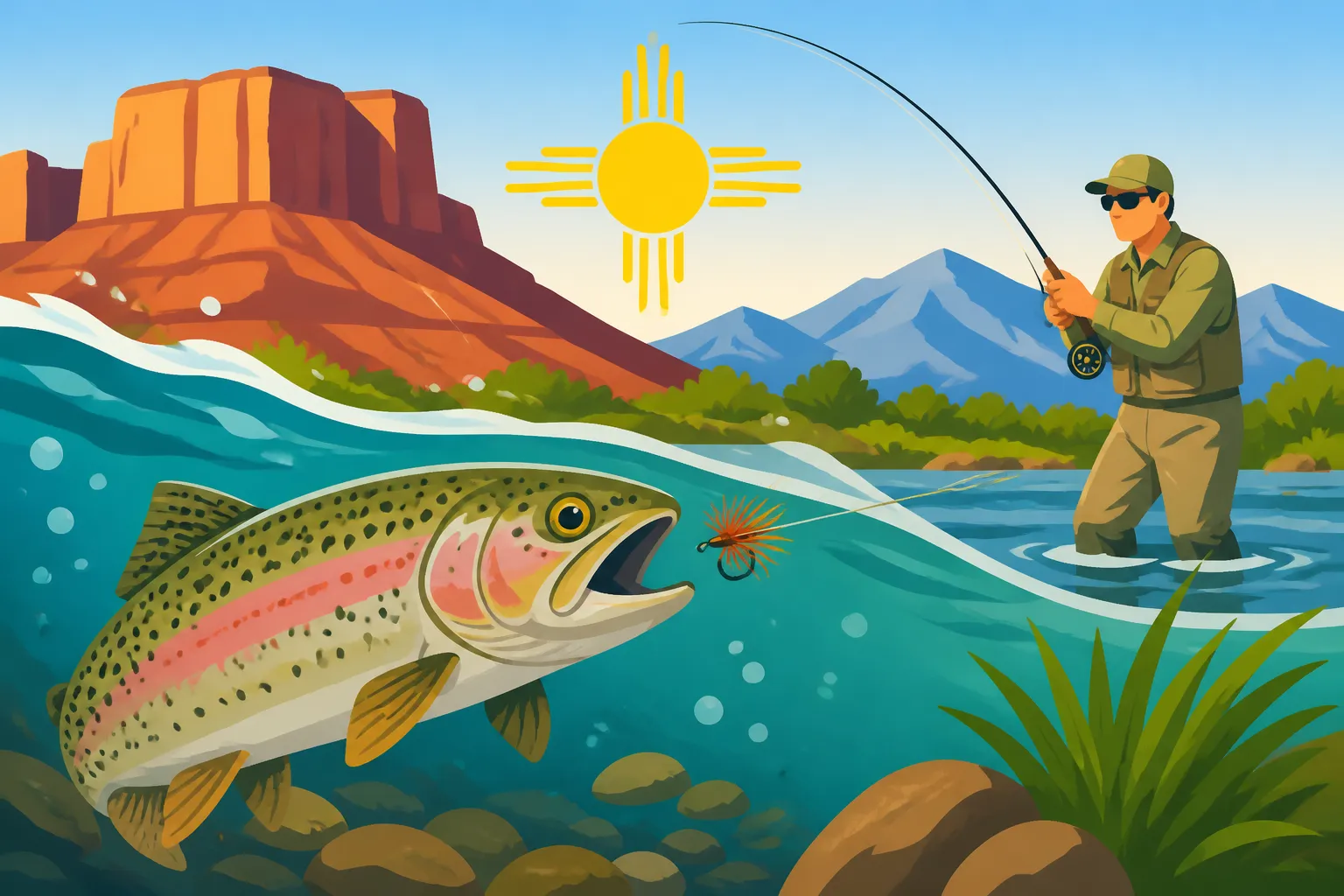
Nymphing is arguably the most effective year-round fly fishing technique for trout, as fish feed subsurface over 80% of the time. This involves imitating aquatic insect larvae and pupae drifting along the riverbed. A typical nymph rig consists of an indicator (like a strike indicator or dry fly), one or two weighted nymph patterns, and split shot if needed to get down to the fish. The key is to achieve a "dead drift" – letting your flies drift naturally at the speed of the current without any drag from your line. On technical waters like the San Juan River Quality Waters, anglers use very light tippets (6x or 7x) and tiny flies to fool wary trout. Mastery of mend casts to control your drift is essential.
Dry fly fishing is the most visually exciting method, where you present a fly that floats on the surface, imitating an adult insect. This technique is most effective during active insect hatches, usually in spring, summer, and fall, particularly in high-country streams or during specific windows on larger rivers. The goal is a perfect, drag-free presentation directly in the trout's feeding lane. A good cast, soft landing, and proper mending to eliminate drag are critical. Watching a trout rise and sip your fly from the surface is one of the most rewarding experiences in angling.
Streamer fishing involves casting larger, often weighted flies that imitate baitfish, leeches, or crawfish. This is a very active fishing method, typically targeting larger, more aggressive trout, especially brown trout. Cast your streamer across or downstream, let it sink, then retrieve it with varying strip-and-pause motions, imparting a jerky, erratic movement. This technique can be highly effective in off-color water or when trout are looking for a bigger meal. For detailed strategies, check out the Fly Fishing Techniques for New Mexico Rivers section.
Reading the Water and Locating Trout
This is perhaps the most critical skill for any successful trout angler, regardless of whether you're spin fishing or fly fishing. Trout are creatures of habit and efficiency; they want to be in places where food comes to them with minimal effort, and where they feel safe.
Start by observing the water. Look for current seams, which are lines where fast water meets slow water. Trout often hold in the slower water just inside these seams, letting the faster current deliver food. Undercut banks provide shelter and ambush points, especially for larger brown trout. Large boulders or logs in the stream create eddies and current breaks where trout can rest and feed.
In lakes, focus on drop-offs, submerged structures (like old creek beds, rock piles, or timber), and areas with inlets or outlets where fresh water flows in or out. These spots often concentrate baitfish or provide cooler, more oxygenated water. Also, pay attention to shade lines, especially during sunny days, as trout will seek refuge from direct sunlight.
Sometimes, trout reveal themselves. Look for rises on the surface indicating feeding fish, or flashes of silver underwater as fish turn to intercept nymphs. In clear water, you might even be able to spot fish holding in pools or runs. If you find one fish, there are often more nearby, so approach cautiously to avoid spooking them. Learning to read the water takes practice, but it's a skill that will exponentially increase your chances of finding and catching trout.
Specific New Mexico Hotspots and Their Unique Demands
New Mexico offers an incredibly diverse range of trout fishing experiences, from world-class rivers to pristine alpine lakes and accessible urban ponds. Each location comes with its own set of characteristics, challenges, and rewards.
San Juan River Quality Waters A Fly Fishing Mecca
The San Juan River Quality Waters, located below Navajo Dam near Farmington, is undeniably New Mexico's crown jewel for trout fishing, particularly for fly anglers. This 4-mile stretch of river is renowned worldwide for its incredibly dense population of large, healthy rainbow and brown trout. The consistent cold-water release from the dam creates an ideal, stable environment year-round, leading to a prolific aquatic insect population.
Fishing the San Juan is a technical endeavor that demands precision and attention to detail. The trout here are educated and often highly selective, primarily feeding on tiny midge and annelid patterns, as well as various mayfly and caddisfly nymphs. A typical setup involves a long leader with very light tippet (5x-7x) and indicator nymphing techniques to achieve a perfect, drag-free drift. Dry fly opportunities can be explosive during specific hatches, but subsurface nymphing is the bread and butter. Wading access is excellent, but navigating the crowded sections requires patience and courtesy. For comprehensive advice on techniques, flies, and access points, consult the San Juan River Fishing Guide. The sheer volume and size of the trout here make it an unforgettable experience, though it's important to remember that these are regulated as New Mexico Special Trout Water Rules with strict artificial lure and barbless hook requirements to protect the fishery.
High Mountain Lakes and Streams
For those who love adventure and solitude, New Mexico’s high mountain lakes and streams offer a breathtaking trout fishing experience. These pristine waters, often found above 9,000 feet in areas like the Pecos Wilderness, Latir Wilderness, and the Gila National Forest, are home to wild rainbow, brown, brook, and the cherished native Rio Grande Cutthroat Trout.
Accessing these fisheries typically involves hiking, sometimes for several miles, making them perfect for backpackers and those seeking an escape from crowded waters. The trout in these environments are often smaller than those in the San Juan, but their vibrant colors and the stunning alpine scenery make every catch feel like a trophy. Fly fishing with small dry flies (like ants, beetles, caddis, and mayflies) is often incredibly effective, especially during summer when terrestrials are abundant. Small spinners or spoons can also work for spin anglers willing to pack light.
The fishing season in the high country is shorter, generally from late spring (after snowmelt) through early fall (before the first heavy snows). Water levels and clarity are usually excellent, but weather can change rapidly, so come prepared for all conditions. Always check the New Mexico Trout Fishing Rules for any specific regulations or closures in wilderness areas, as some waters may be catch-and-release only or have special tackle restrictions to protect sensitive native populations. The journey to these remote spots is often as rewarding as the fishing itself.
Stocked Lakes and Urban Ponds
Not everyone has the time or ability to hike into the wilderness or master the technicalities of a tailwater. Thankfully, New Mexico offers abundant opportunities for easy and accessible trout fishing in its many stocked lakes and urban ponds. These locations are ideal for beginners, families, and anyone looking for a relaxing day with a good chance of catching fish.
The NMDGF regularly stocks these waters with catchable-sized rainbow trout throughout the cooler months (fall, winter, and spring). Popular examples include Tingley Beach in Albuquerque, Shady Lakes, and various small ponds in state parks like Storrie Lake near Las Vegas, NM, or Fenton Lake. These highly accessible spots often feature paved paths, picnic areas, and sometimes even ADA-accessible fishing piers, making them perfect for all ages and abilities.
Techniques here are generally straightforward. For spin anglers, PowerBait (especially garlic-scented varieties), worms, salmon eggs, or small inline spinners are almost guaranteed to produce bites. A simple bobber setup or a light slip-sinker rig is all you need. Fly anglers can find success with Woolly Buggers, San Juan Worms, or various nymph patterns. Fishing success often peaks right after stocking events, so keep an eye on the NMDGF stocking schedule. These spots are fantastic for introducing kids to the joy of fishing, fostering a love for the outdoors without the pressure of a wilderness expedition.
Regulations, Ethics, and Conservation
Fishing in New Mexico isn't just about catching fish; it's about being a responsible steward of our natural resources. Understanding and adhering to regulations, practicing ethical angling, and contributing to conservation efforts are paramount to preserving New Mexico's incredible trout fisheries for future generations.
Understanding New Mexico Fishing Regulations
Navigating fishing regulations can feel like deciphering a cryptic code, but it’s absolutely essential. New Mexico has specific rules designed to manage fish populations, protect sensitive species, and ensure equitable access for all anglers. Ignorance of the law is never an excuse, and penalties for violations can be steep.
First and foremost, every angler 12 years of age and older needs a valid New Mexico Fishing License Guide. This license is typically valid for a year, from April 1st to March 31st of the following year. Along with your fishing license, you'll also likely need a New Mexico Habitat Stamp Cost and Requirement if you plan to fish on federal lands (like National Forests or BLM land). There are also specific exemptions and discounts for seniors, veterans, and disabled anglers, so always check if you qualify.
Beyond licenses, you must be aware of bag and possession limits for trout, which vary by water body and sometimes by species. For example, the statewide daily bag limit for trout is often five fish, but many "Quality Waters" or "Special Trout Waters" have reduced limits, or are catch-and-release only. Some areas might have size restrictions (e.g., no trout between X and Y inches) or specific tackle restrictions (e.g., artificial lures only, single barbless hooks). Always carry the current NMDGF Fishing Regulations booklet or have the app on your phone, and review the rules for the specific body of water you intend to fish before you cast your line.
Catch and Release Best Practices
Many of New Mexico's most cherished trout fisheries, especially those with native or wild trout populations, operate under strict catch-and-release regulations. Even in waters where you can keep fish, practicing catch-and-release for larger or wild trout is a noble and vital act of conservation. The goal is to minimize stress and injury to the fish, maximizing its chances of survival after release.
The first step is to use barbless hooks. You can buy them that way, or easily crimp down the barb on a regular hook with pliers. Barbless hooks greatly reduce tissue damage and make hook removal much quicker and easier. When you hook a fish, try to land it quickly to minimize its fight time and exhaustion. Avoid playing the fish to complete exhaustion, especially in warmer water where oxygen levels are lower.
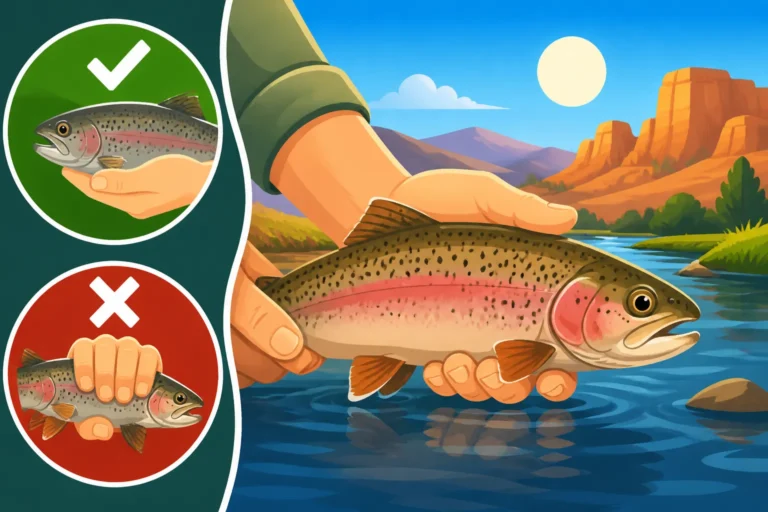
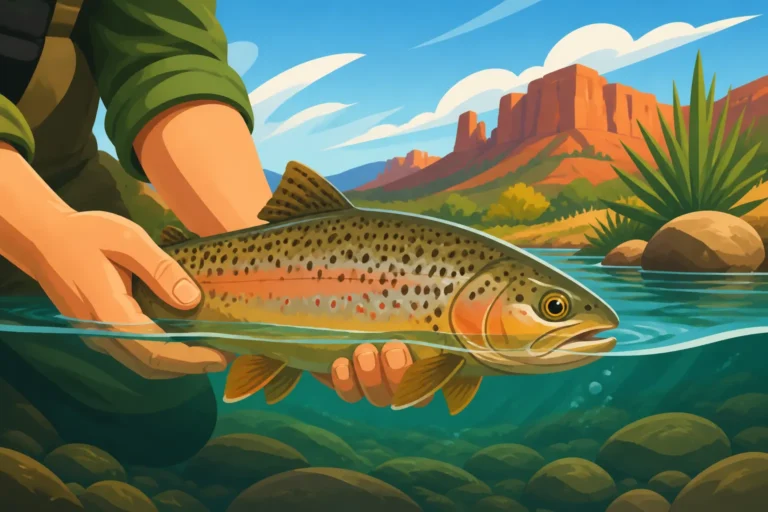
Once the fish is reeled in, keep it in the water as much as possible. If you must handle it, wet your hands first to protect its delicate slime coat, which acts as a barrier against disease. Avoid squeezing the fish, especially around its belly or gills. Use pliers or hemostats to quickly remove the hook. If the fish is deeply hooked, and you can’t remove the hook without causing significant damage, it's often better to cut the line as close to the hook as possible; the hook will eventually rust out. When releasing, hold the fish gently in the current, facing upstream, until it regains its strength and swims away on its own. Never just toss a fish back into the water. These Catch and Release Best Practices in New Mexico are vital for sustaining healthy trout populations.
Respecting the Environment and Other Anglers
Fishing is a privilege, and with that comes a responsibility to respect the natural environment and fellow anglers. Adhering to the principles of Leave No Trace and practicing common courtesy ensures that everyone can enjoy New Mexico's beautiful waters.
Leave No Trace is a fundamental principle: pack out everything you pack in, including all trash, leftover fishing line, and bait containers. Never leave behind monofilament line, as it can be deadly to wildlife. Avoid disturbing stream banks or vegetation unnecessarily. If you're camping, ensure your campsite adheres to all regulations and that fires are properly extinguished. Respect private property and only fish in areas where public access is permitted.
When it comes to other anglers, common courtesy goes a long way. Maintain a reasonable distance from others, especially in crowded areas like the San Juan Quality Waters. Avoid wading directly in front of someone who is actively fishing, and don’t cast over another angler’s line. Be mindful of noise levels, especially in peaceful, remote areas. If you encounter someone struggling, offer a hand or some advice. We are all out there to enjoy the peace and challenge of fishing, and a little respect makes the experience better for everyone.
Troubleshooting Common Trout Fishing Challenges
Even with the best gear and knowledge, trout can be notoriously finicky. It’s rare to have a perfect day where every cast results in a bite. Learning to troubleshoot common issues and adapt your approach on the fly is a hallmark of an experienced angler.
Dealing with Finicky Fish
There are days when trout seem to have lockjaw, ignoring everything you throw at them. This can be incredibly frustrating, but it's also an opportunity to learn and experiment.
The first thing to consider is your presentation. Are your flies or lures drifting naturally? Is your line too heavy or visible? Sometimes, just downsizing your tippet or leader material can make a huge difference, especially in clear water. Fluorocarbon lines are less visible underwater than monofilament and can be a game-changer. For fly anglers, ensuring a drag-free drift is paramount; any unnatural drag on your fly will immediately alert a wary trout.
Next, change your bait, lure, or fly. If what you’re using isn't working, don't stick with it for too long. Cycle through different colors, sizes, and patterns. If you're spin fishing, try switching from a spinner to a spoon, or from PowerBait to a worm. For fly anglers, if nymphs aren't working, try a streamer or even a small dry fly if there are any signs of surface activity. Sometimes, the fish are keyed into a very specific food source, and you need to "match the hatch" or mimic their preferred prey. Pay attention to what might be in the water – drifting insects, small minnows, or even crawfish.
Finally, adjust your depth and location. If fish aren't biting near the surface, they might be deeper. Add more weight to your nymph rig, or let your lure sink longer. Conversely, if you're fishing deep and seeing no action, try moving shallower. Sometimes, moving just a few yards up or downstream, or to a different part of a lake, can put you into a productive zone. Don't be afraid to try different spots and depths until you find where the fish are holding and what they're willing to eat.
Weather and Water Conditions
New Mexico's diverse climate means weather and water conditions can change rapidly and significantly impact trout behavior. Adapting to these changes is crucial for consistent success.
High winds can make casting incredibly difficult, especially for fly anglers, and create choppy conditions on lakes. In these situations, try to find sheltered coves or fish on the lee side of structures. For spin anglers, heavier lures might be needed to maintain casting distance and control. Strong winds can also create current breaks and push baitfish, sometimes concentrating trout.
Clear water is beautiful but makes trout incredibly wary. This is when light leaders, small baits or flies, and stealthy approaches are essential. Avoid bright clothing and try to stay low and out of sight. Fish during low light conditions (dawn, dusk) or on overcast days when visibility is reduced. Conversely, muddy or off-color water (often after heavy rains or runoff) reduces trout's vision but also makes them less spooky. This is a good time to use larger, darker, or more vibrantly colored lures and flies that create more vibration or visual contrast. Streamers for fly anglers and larger, flashy spinners for spin anglers can be very effective in stained water.
Water temperature is perhaps the most critical factor. Trout are cold-water species, and high water temperatures (above 68-70°F) can be fatal. During hot summer days, fish early mornings or late evenings when water temperatures are cooler, and focus on deep pools or cold tailwaters. In colder months, trout metabolism slows, so they become less active. Fish slower, present your offerings patiently, and target deeper areas where water temperatures are more stable. Monitoring current water levels at New Mexico's major reservoirs can also provide valuable insights into fish behavior and where they might be holding.
| Trout Species | Preferred Habitat | Effective Baits/Lures (Spin) | Effective Flies (Fly Fishing) |
|---|---|---|---|
| Rainbow Trout | Stocked lakes, urban ponds, cold rivers | PowerBait (bright colors), worms, small spinners | Woolly Buggers, San Juan Worms, Pheasant Tails, Caddis |
| Brown Trout | Cold, structured rivers (undercut banks, logjams, deep pools) | Worms, minnow imitations, small crankbaits | Streamers (olive, black), larger nymphs, egg patterns |
| Rio Grande Cutthroat | High-country streams & lakes, cold, clear headwaters | Small worms, tiny spinners (often restricted) | Dry flies (ants, beetles, caddis), small nymphs |
| Brook Trout | High-elevation, cold, spring-fed streams | Worms, small spinners (size 0-1) | Small dry flies, tiny nymphs, small streamers |
| Lake Trout | Deep, cold lakes (Heron Lake) | Large spoons, jigs, dead baitfish | Large streamers, deep-jigging flies |
Disclaimer
The information provided in this guide is for general informational purposes only and is subject to change. Anglers are responsible for consulting the most current New Mexico Department of Game and Fish (NMDGF) regulations before engaging in any fishing activities. Always prioritize safety, respect wildlife, and practice ethical angling.