Bank Fishing Techniques for New Mexico Lakes
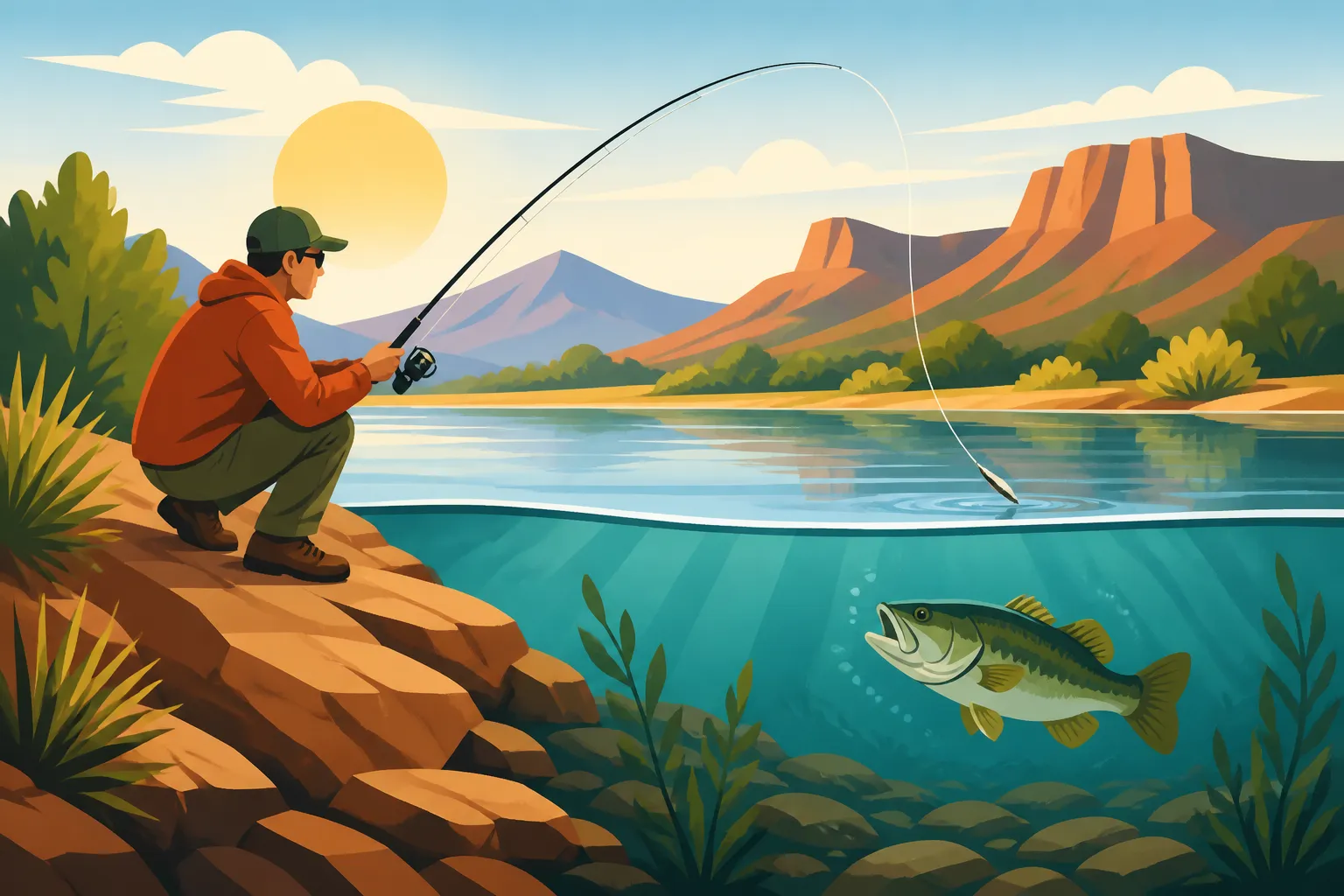
It’s easy to feel a bit sidelined in the angling world if you don’t own a boat. Many folks think that serious fishing in New Mexico’s big lakes requires a fully rigged bass boat or a deep-V to chase those elusive lunkers. But that couldn't be further from the truth! Bank fishing offers a unique, accessible, and incredibly rewarding way to experience the Land of Enchantment's diverse fisheries. This guide is here to equip you with the knowledge, strategies, and confidence to become a truly successful bank angler, proving that some of the best fishing often happens just a few steps from shore.
Understanding Lake Behavior from Shore
Bank fishing might seem straightforward – just cast and reel, right? But to truly excel, you need to understand how fish interact with the shoreline environment of a lake. New Mexico's lakes are dynamic systems, and successful bank anglers learn to interpret the signs and adapt their approach accordingly.
Reading the Water from the Bank
When you're standing on the shore, scanning the water, it's easy to just see a vast expanse. But a skilled bank angler looks deeper, identifying subtle clues that reveal where fish might be holding. Think about it like this: fish are always looking for three things – food, cover, and comfortable water temperatures. Your job is to find where these elements converge near the bank.
Look for changes in the bottom structure. Is it rocky, sandy, or mucky? Rocks and gravel often hold crayfish and insect larvae, attracting bottom feeders and predatory fish alike. Sandier areas might be good for targeting schooling fish like white bass. Pay close attention to any visible submerged cover: logs, brush piles, old tires, or even just dense weed beds. These are prime ambush points for bass, crappie, and even larger trout seeking refuge. When you spot these features, make a mental note – or better yet, cast directly to them. Also, keep an eye out for points, coves, and humps. Points that jut out into the lake often act as highways for fish moving between deeper and shallower water, and they can concentrate baitfish, making them excellent spots for predatory species. Coves, especially those with some vegetation, can offer calmer, warmer water, attracting panfish and smaller bass. Even subtle depth changes, like a steep drop-off just a few feet from shore, can be a game-changer. These "breaklines" provide easy access to deeper, cooler water while still allowing fish to dart into the shallows for feeding.
Seasonal Fish Movements Near the Bank
Fish aren't static; their behavior is heavily dictated by the seasons, water temperature, and spawning cycles. Understanding these patterns is critical for bank anglers, as it tells you when and where to focus your efforts along the shore. The New Mexico Fishing Season Calendar provides a great overview of general fish activity throughout the year.
In spring, as water temperatures begin to rise, fish become more active and move into shallower areas to feed and spawn. This is prime time for bank anglers! Largemouth and smallmouth bass will be staging in relatively shallow coves and rocky points. Crappie will often be found near submerged brush or docks in just a few feet of water. Trout, which are often stocked in many New Mexico lakes, will cruise the shorelines, especially in the mornings and evenings, looking for easy meals. You'll want to target areas with emerging vegetation or sun-warmed rocks.
Summer brings warmer water, which can push many species into deeper, cooler water during the heat of the day. However, early mornings, late evenings, and even night fishing can still be incredibly productive from the bank. Catfish become very active in summer, often cruising shallower flats and creek mouths at night. Walleye might be found on deeper main lake points or humps accessible with a longer cast. Trout fishing from the bank becomes more challenging in summer, often requiring you to target cooler tailwater sections of rivers that feed into lakes, or high-elevation lakes that stay cold.
As fall approaches and water temperatures cool down, fish move back into shallower feeding zones for a "fall feast" to bulk up for winter. This is another fantastic time for bank fishing. Bass will aggressively chase baitfish, often near rocky shorelines and points. Walleye might move into shallower rocky areas. Kokanee salmon, if present (like at Navajo Lake or Heron Lake), will start their spawning runs, often congregating near river inlets, though snagging regulations apply.
Winter fishing from the bank in New Mexico depends heavily on the specific lake. In colder northern lakes that freeze over, ice fishing is the dominant technique. However, in lakes that remain open, fish often congregate in deeper holes or near warm water discharges, becoming more lethargic. Bank fishing can still yield results, especially for trout or stocked species, but it often requires slower presentations and targeting the warmest parts of the day. Knowing these seasonal shifts will dramatically improve your chances of success from shore.
Essential Bank Fishing Tackle and Tools
One of the beauties of bank fishing is that you don't need a huge budget or a massive boatload of gear. However, having the right tackle and a few convenient tools can make all the difference between a frustrating day and a fantastic one. Think lean, mean, and effective. If you're looking for a general overview, check out this guide on Best Fishing Gear for New Mexico Anglers.
Rod, Reel, and Line Selection
For bank fishing, versatility is the name of the game. You're not usually targeting one specific species or using one particular technique all day long.
- Rods: A medium-light to medium power spinning rod, typically 6'6" to 7'6" in length, is a fantastic all-around choice. A longer rod will help you cast further from shore, which is a huge advantage when you have limited access to the water. It also provides better line control and leverage when fighting fish. For targeting trout, a medium-light action rod is ideal, offering sensitivity for lighter bites and a good fight on smaller fish. If you’re primarily going after larger bass or catfish, a medium-heavy rod might be warranted for more backbone. Look for rods with a fast action tip for sensitivity and quicker hook sets.
- Reels: A reliable spinning reel in the 2500-3000 size range will balance well with the recommended rod lengths. Ensure it has a smooth drag system, which is crucial for fighting larger fish on lighter lines and preventing break-offs. A good quality reel will last for years and withstand the elements. You can find excellent, durable spinning reels on platforms like Amazon, offering a wide range of options to fit your budget.
- Line: For general bank fishing, 6-10 lb test monofilament or fluorocarbon is a solid choice. Monofilament is forgiving, easy to cast, and has some stretch, which can be helpful. Fluorocarbon offers lower stretch, higher abrasion resistance, and is nearly invisible underwater, making it great for clear water. Braid (10-20 lb test) is also an option, especially if you want maximum casting distance and sensitivity, but it requires a fluorocarbon or mono leader for stealth. The choice really depends on what you're targeting and the water clarity. For example, if you're chasing trout in clear mountain lakes, a lighter fluorocarbon leader will be very beneficial.
Baits, Lures, and Terminal Tackle Must-Haves
Your tackle box doesn't need to be massive, but it does need to be smart. Focus on versatile options that work for multiple species.
- Live Bait: Worms (nightcrawlers, red wigglers) are universal fish catchers, irresistible to trout, bass, catfish, and panfish. Corn is another excellent, readily available bait, especially for stocked trout. Minnows or shad can be deadly for bass, walleye, and crappie if legal to use in your chosen lake (always check New Mexico Fishing Regulations Overview).
- Artificial Baits & Lures:
- Spinners: Small inline spinners like Mepps or Panther Martins are fantastic for trout and panfish. They cast well from shore and their flash and vibration are highly attractive. For trout, these are often among the Best Lures for New Mexico Trout.
- Spoons: Casting spoons are excellent for covering water and mimicking baitfish. They work for bass, walleye, and even larger trout.
- Soft Plastics: Senkos, swimbaits, grubs, and creature baits rigged weedless are absolute necessities for bass fishing from the bank. They allow you to cast into heavy cover without snagging. You can easily stock up on a variety of colors and sizes on Amazon before your trip.
- Jigs: Small jigs tipped with plastic grubs or minnows are deadly for crappie and panfish. Larger jigs with soft plastic trailers or hair jigs can be effective for bass and walleye.
- PowerBait: If you're targeting stocked trout, PowerBait (especially in bright colors like chartreuse or rainbow) is almost a guaranteed success. Floating PowerBait fished off the bottom with a small treble hook and an egg sinker is a classic setup. This falls under the category of Best Bait for New Mexico Trout.
- Terminal Tackle: A good assortment of hooks (size 6-10 for bait fishing, larger for bass), sinkers (split shots, egg sinkers, bullet weights), swivels, and a few bobbers will cover most situations. Don't forget a pair of needle-nose pliers for hook removal and line cutting, and a small pair of nail clippers for quick line trimming.
Comfort and Convenience Gear
These are the items that often get overlooked but significantly enhance your bank fishing experience, especially when you might be hiking a bit or spending a full day by the water.
- Backpack/Tackle Bag: A comfortable backpack or tackle sling is essential for carrying all your gear. It keeps your hands free for walking and casting. Look for one with multiple compartments to keep your baits, tools, and personal items organized. This is where a good quality fishing backpack, easily found on Amazon, can make a real difference.
- Water & Snacks: Staying hydrated and fueled is crucial, especially during New Mexico's sunny days.
- Sun Protection: A wide-brimmed hat, polarized sunglasses, and sunscreen are non-negotiable. The New Mexico sun is intense, and protecting yourself from harmful UV rays is important. Polarized sunglasses also help you see through the water's glare, allowing you to spot fish or structure.
- Small Folding Chair or Pad: For those longer waits or just to give your legs a break.
- Landing Net: A small, collapsible landing net with a rubberized mesh is invaluable for safely landing fish, especially larger ones, and is much better for catch and release practices.
- First-Aid Kit: A basic kit for minor cuts, scrapes, or hook pokes.
- Trash Bag: Always pack out everything you pack in, and perhaps even a little more. Environmental stewardship is paramount.
Mastering Casting and Retrieve Techniques
Being a successful bank angler isn't just about having the right gear; it's about knowing how to effectively present your bait or lure to the fish. Since you're confined to the shore, every cast and retrieve counts.
Targeting Key Holding Areas: Precision Casting
From the bank, your casting range is often your biggest limitation. This means you need to be precise and make every cast count, aiming for those specific spots where fish are most likely to be holding.
- Beyond the Bank: Look for visible structure just out of reach of an easy cast, such as a partially submerged log, a rock pile, or the edge of a weed bed. Practice casting to these spots with accuracy. Don't just cast out as far as you can; identify targets. The ability to "pitch" or "flip" a lure with accuracy can be incredibly effective when you find fish holding close to cover along the bank.
- Fan Casting: If you don't see immediate structure, fan casting is a great way to systematically cover a wide area. Start by casting straight out, then make your next cast slightly to the left, and continue in an arc until you've covered all accessible water to your left. Then, do the same to your right. This ensures you're not missing any potential fish. Vary your retrieve speed and depth on each cast until you find what works.
- Fishing Parallel to the Bank: Many anglers overlook this technique. Instead of always casting straight out, try casting your lure parallel to the shoreline, especially if there's a drop-off or weed line running close to the bank. Fish often cruise these edges looking for food, and a parallel cast keeps your lure in the strike zone for a longer period.
Working the Water Column: Depth Control
Fish can be at any depth, from inches below the surface to deep on the bottom. As a bank angler, you need to be able to present your bait at various depths to find where the fish are active.
- Topwater: In warmer months, especially early morning or late evening, fish like bass, white bass, and sometimes even aggressive trout will strike at lures on the surface. Poppers, walk-the-dog baits, and frogs are excellent for this. Cast near cover and let the lure sit for a moment before imparting action.
- Mid-Column: This is where many fish feed. Using spinners, spoons, swimbaits, or crankbaits that dive to different depths allows you to explore this zone. Count down your lure after casting (e.g., let it sink for 5 seconds before beginning your retrieve) to estimate its depth. Adjust your retrieve speed and pause frequency to keep the lure in the strike zone.
- Bottom Fishing: Many species, including catfish, walleye, and carp, spend a lot of time near the bottom. For these, a Carolina rig or a slip-sinker rig with bait (like worms or cut bait) is highly effective. Let your weight sink to the bottom and keep your bait suspended just above it or resting directly on it. For trout, using PowerBait on a sliding sinker rig can keep your bait off the bottom, making it more visible.
Finesse vs. Aggression: Matching the Mood of the Fish
Fish have moods, just like us! Sometimes they’re aggressively chasing anything that moves, and other times they’re lethargic and require a subtle presentation.
- Aggressive Presentations: When fish are active, don't be afraid to use fast retrieves, jerky motions, or lures with a lot of flash and vibration. This can trigger reaction strikes. Think about burning a spinnerbait or quickly ripping a lipless crankbait through the water. This is often effective during feeding windows or in cooler water temperatures.
- Finesse Presentations: When fish are finicky or the bite is tough, slowing down and scaling down can be key. Use smaller lures, lighter line, and a very subtle retrieve. Soft plastics on a shaky head jig, a small worm on a drop shot rig, or a slowly retrieved jig can entice bites from inactive fish. This is particularly useful in clear water or when fish are pressured. For example, if you're fishing a popular urban pond, those trout have seen everything, so a natural presentation with a small worm or a tiny, subtle jig might be more effective than a bright, flashy spinner.
Strategic Approaches for Challenging Conditions
Bank fishing can be tough sometimes. Wind, limited access, or low-light conditions can test your patience. But with the right strategies, you can turn these challenges into opportunities.
Dealing with Wind and Current
Wind and current are two of the most common adversaries for bank anglers, making casting difficult and affecting lure presentation.
- Casting into Wind: If you're casting directly into the wind, use heavier lures or baits to cut through it. Overhand casts are generally more effective than sidearm casts in windy conditions. Keep your rod tip low on the retrieve to reduce line belly and maintain contact with your lure.
- Casting with the Wind: While easier to cast, wind can create a large bow in your line, making it hard to feel bites. Again, keep your rod tip low. You might also want to switch to braided line with a fluorocarbon leader, as braid has a smaller diameter and less wind resistance.
- Fishing in Current (Near Inlets/Outlets): When fishing near river inlets or dam outflows, where there's noticeable current, position yourself upstream and cast slightly upstream, allowing your lure or bait to drift naturally downstream. This mimics what natural forage would do. Use just enough weight to get your bait to the desired depth without it getting swept away too quickly. This is often an effective strategy for trout and bass. Remember to always check current regulations, especially when fishing near dams, as specific rules might apply.
Fishing Low Light and Night from the Bank
Don't pack up just because the sun goes down! Many fish species become more active in low light and at night, offering a unique bank fishing experience. This is especially true in summer when the daytime heat pushes fish deeper. For more comprehensive information, explore a New Mexico Night Fishing Guide.
- Target Species: Catfish are perhaps the most popular target for night fishing from the bank. Walleye, crappie, and even large bass also feed actively after dark.
- Techniques: For catfish, simple bottom rigs with stink baits, cut bait, or worms are highly effective. For walleye, try slowly retrieved jigs or crankbaits that have rattles or emit vibration. For bass, dark-colored soft plastics (like a black worm or jig) or noisy topwater lures (like a Jitterbug or buzzbait) can be great.
- Safety First: Night fishing requires extra precautions. Always bring a reliable headlamp (and spare batteries!), notify someone of your location, and be aware of your surroundings. Bring a good cooler to keep your catch fresh if you're planning to harvest.
Conquering Limited Reach: Extending Your Range
Without a boat, your casting arm and rod length determine your fishing zone. But there are ways to extend your reach and access more productive water.
- Longer Rods: As mentioned, a 7-foot or longer spinning rod will significantly increase your casting distance compared to a shorter rod.
- Lighter Line & Heavier Lures: Using a lighter test line (e.g., 6lb mono) reduces friction and allows for longer casts. Pairing this with slightly heavier, more aerodynamic lures (like spoons or heavier jigs) will also get you further out.
- Wind to Your Advantage: If the wind is blowing directly away from you, use it to carry your cast even further.
- Wading (Where Permitted): In some lakes or shallower areas, wading out a few feet can open up a whole new world of casting angles and reach. Always check regulations, wear appropriate wading boots for safety (especially on slippery bottoms), and never wade into unfamiliar or fast-moving water. This can be particularly effective in shallower lakes or river sections of lakes.
- Float Tubes or Kayaks (Where Permitted): While this moves beyond strict "bank" fishing, a small, portable float tube or kayak can be launched from many shorelines, giving you access to far more water than casting alone. This is often a great compromise if you don't have a full boat rig. Remember to always wear a life jacket!
Finding the Prime Bank Fishing Locations
Knowing the techniques is great, but knowing where to apply them is equally important. New Mexico's lakes offer diverse opportunities for bank anglers, but some spots are inherently more productive than others. This is a critical step in planning your outing to any of the Best Places to Fish in New Mexico.
Identifying Public Access Points and Shoreline Features
One of the first steps is to find a lake with good, accessible public shoreline. State parks, Bureau of Land Management (BLM) land, and designated recreation areas often provide excellent bank access.
- State Parks: New Mexico State Parks like Elephant Butte Lake State Park, Conchas Lake State Park, or Navajo Lake State Park often have developed areas with easy shoreline access, picnic spots, and facilities. These can be great starting points, especially for families. Check out New Mexico State Parks for Fishing for more ideas.
- Dam Areas: The areas immediately below dams or along the rip-rap (rocky walls) of dams can be excellent for bank fishing. These spots often concentrate baitfish and provide deep water close to shore. Always be aware of safety signs and restricted areas around dams.
- Creek or River Inflows/Outflows: Where a creek or river flows into or out of a lake, you'll often find concentrated fish activity. These areas can be rich in nutrients, food sources, and provide migratory paths for various species.
- Points and Peninsulas: Shoreline points that extend into the main body of the lake are prime spots. They act as travel corridors for fish and often have varying depths on either side.
- Rocky Shorelines: Rock and rip-rap provide excellent cover and food sources for many species, especially bass and walleye.
- Vegetation Lines: Areas with submerged aquatic vegetation or reeds along the shore provide cover and ambush points. Just be prepared for potential snags!
Understanding Lake Levels and Their Impact on Bank Access
New Mexico's desert climate means lake levels can fluctuate dramatically due to snowmelt, rainfall, and irrigation demands. What was an easily accessible point last month might be a muddy flat this month.
- High Water: High water levels can be a blessing and a curse. They might make new areas accessible that were previously dry, allowing fish to move into flooded vegetation where they can be targeted. However, they can also make walking the bank more challenging due to soft, muddy ground.
- Low Water: Low water levels expose more shoreline, sometimes revealing hidden structures that could be fish magnets when the water is higher. The downside is that fish might be pushed further offshore into deeper channels, making them harder to reach from the bank. It's always a good idea to check current lake levels online or through local bait shops before heading out. This information is usually available on the New Mexico Department of Game and Fish website or specific lake websites.
Species-Specific Shoreline Hotspots
Knowing what you're targeting can help you narrow down your bank fishing location search.
- Trout: For trout, look for cooler, deeper sections of lakes, especially near dam faces or creek inlets, and anywhere the lake is regularly stocked. Urban ponds like Tingley Beach in Albuquerque are fantastic for stocked rainbow trout and often have great bank access. For wilder trout, higher elevation lakes are best. Consider looking at Best New Mexico Lakes for Trout.
- Bass (Largemouth & Smallmouth): Bass love cover. Target rocky points, submerged brush, weed lines, and fallen trees. Shallow coves in spring and fall are excellent. Lakes like Ute Lake, Conchas Lake, and Elephant Butte Lake offer great bass opportunities. For specifics, refer to Best New Mexico Lakes for Bass.
- Walleye: Walleye often prefer rocky bottoms and points, especially those with access to deeper water. They feed heavily in low light. Conchas Lake and Ute Lake are prime walleye destinations. Try casting towards the main lake points from the shore.
- Catfish: Catfish are often found in warmer, muddier sections of lakes, especially near creek mouths and in coves. They are very active at night. Elephant Butte and Caballo Lake are renowned for their catfish populations.
- Crappie & Panfish: These species often congregate around submerged brush, timber, docks, or standing timber. Any structure near the bank can hold schools of panfish.
Responsible and Safe Bank Angling
Fishing from the bank in New Mexico is generally safe and enjoyable, but it’s crucial to prioritize personal safety and environmental stewardship. After all, we want to ensure these beautiful fishing spots are available for generations to come.
Environmental Stewardship: Leave No Trace
Being a responsible angler means leaving the environment better than you found it.
- Pack It In, Pack It Out: This is the golden rule. Every piece of trash you bring with you – bait containers, old fishing line, snack wrappers – must leave with you. Even biodegradable items should be packed out as they take time to decompose and can attract wildlife.
- Dispose of Fishing Line Properly: Monofilament and fluorocarbon lines are notorious for entangling wildlife and taking hundreds of years to break down. Many fishing areas have recycling bins specifically for fishing line. If not, coil it up and dispose of it in a trash can.
- Respect Vegetation and Wildlife: Try to avoid trampling delicate shoreline vegetation. Give wildlife its space; remember, you're a visitor in their home.
- Follow Catch and Release Best Practices in New Mexico: If you’re not keeping fish, handle them gently with wet hands, minimize their time out of water, and release them quickly. For trout, consider using barbless hooks to make release easier and less stressful on the fish.
Personal Safety and Wildlife Awareness
New Mexico's natural beauty comes with its own set of considerations.
- Footing and Terrain: Shorelines can be uneven, rocky, or muddy. Wear sturdy, comfortable shoes or wading boots. Be mindful of loose rocks or slippery surfaces, especially near water's edge or when moving over rip-rap.
- Weather Awareness: New Mexico weather can change rapidly. A sunny morning can turn into an afternoon thunderstorm with lightning. Always check the forecast and be prepared for sudden changes. High winds can also make bank fishing challenging and potentially hazardous.
- Wildlife Encounters: You're in wild country. Be aware of snakes (rattlesnakes are common), scorpions, and other insects. Keep an eye out for larger wildlife like deer, elk, or even bears in certain areas. Make noise when hiking to avoid surprising animals.
- Water Safety: Even from the bank, water safety is paramount. Never fish alone in remote areas. If you plan to wade, know the water depth and currents, and consider wearing a personal flotation device (PFD). Be cautious of submerged obstacles.
- Sun Protection: We mentioned it under gear, but it bears repeating: the New Mexico sun is powerful. Sunscreen, hats, and polarized sunglasses are essential to prevent sunburn and eye damage.
- First Aid: Always carry a basic first-aid kit for minor injuries like cuts, scrapes, or embedded hooks. Knowing basic first aid is invaluable.
By understanding the unique dynamics of New Mexico's lakes, equipping yourself with smart, versatile gear, mastering fundamental casting and retrieval techniques, adapting to challenging conditions, and always practicing responsible angling, you'll discover that bank fishing is far from a second-rate option. It’s an immersive, fulfilling, and highly effective way to connect with nature and land some fantastic fish.
Comparative Table of Bank Fishing Gear by Species
| Fish Species (Primary Target) | Recommended Rod & Reel Setup | Ideal Line Test & Type | Key Baits/Lures for Bank Anglers | Essential Bank Gear Considerations |
|---|---|---|---|---|
| Trout | 6'6" – 7' Medium-Light Spinning Rod, 2500 Spinning Reel | 4-6 lb Mono or Fluorocarbon (leader for braid) | PowerBait (floating), Worms, Small Spinners (Mepps, Panther Martin), Small Jigs | Light tackle bag, small cooler for catch, polarized sunglasses |
| Bass | 6'8" – 7'6" Medium-Heavy Spinning Rod, 3000 Spinning Reel | 8-12 lb Fluorocarbon or Braid (with FC leader) | Soft Plastics (Senkos, Worms, Jigs), Crankbaits, Spinners, Topwaters | Tackle backpack, pliers, weedless hook assortment, comfortable walking shoes |
| Walleye | 7' Medium-Heavy Spinning Rod, 3000 Spinning Reel | 8-10 lb Fluorocarbon or Braid (with FC leader) | Jigs (tipped with minnows/plastics), Deep-Diving Crankbaits, Blade Baits | Headlamp (for low light), bait bucket, fish grippers, sturdy rod holders |
| Catfish | 7' Medium-Heavy to Heavy Spinning Rod, 4000 Spinning Reel | 10-20 lb Monofilament or Heavy Braid | Cut Bait (shad, hot dogs), Stink Baits, Live Worms, Chicken Livers | Heavy-duty rod holders, bait knife, large cooler, rag/towel, headlamp |
| Crappie/Panfish | 5' – 6'6" Light Spinning Rod, 1000-2000 Spinning Reel | 2-4 lb Monofilament | Small Jigs (1/32-1/16 oz), Worms, Crickets, Small Inline Spinners | Small tackle box, ultra-light bobbers, small landing net, comfortable seat |
Disclaimer
Fishing regulations, license requirements, and local rules can change. Always consult the most current New Mexico Department of Game and Fish regulations before you head out. This guide is for informational purposes only and does not substitute for official regulations or professional advice. Fish responsibly and safely.