Are There Green Sunfish in New Mexico?
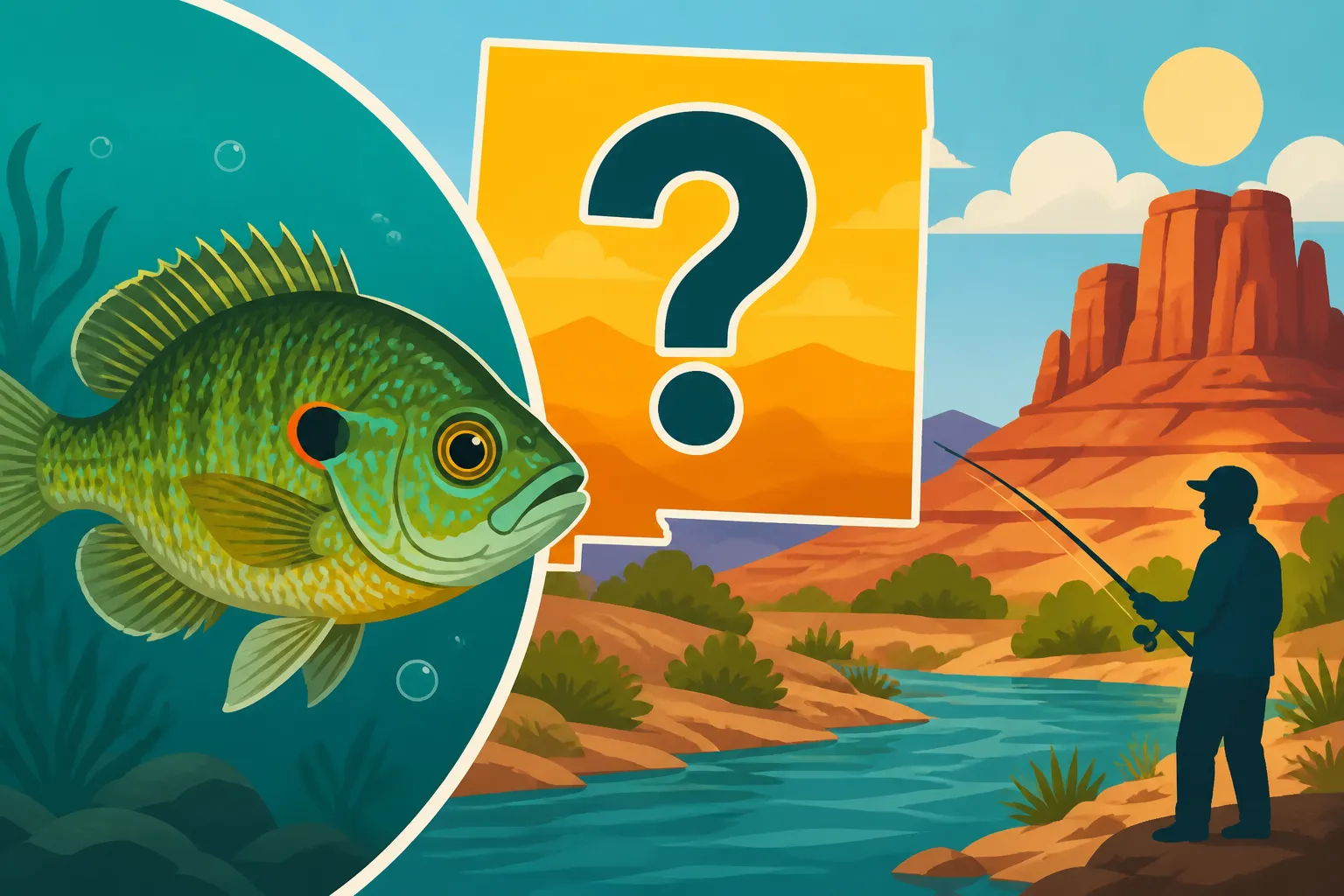
For many anglers in New Mexico, the quest often centers around the elusive trout in our cold mountain streams or the hard-fighting bass in our desert lakes. But let's be real, sometimes you just want to get a bend in your rod, especially if you're introducing someone new to the joy of fishing. This often leads to questions about the more common, yet equally delightful, panfish. If you've ever wondered if those feisty little green-hued fish are indeed "green sunfish" in our waters, you've come to the right place. This guide will dive deep into the world of green sunfish in New Mexico, confirming their presence and offering insights into catching them.
Green Sunfish: A Common Sight in New Mexico Waters
Yes, absolutely, green sunfish are indeed present and quite common across New Mexico! Many anglers, especially those new to fishing or focusing on species like trout and bass, might not immediately recognize the subtle differences between various sunfish species. The green sunfish (Lepomis cyanellus) is a resilient and adaptable member of the sunfish family, making its home in a wide variety of aquatic environments throughout the Land of Enchantment.
These little guys are often confused with bluegill or other sunfish, but they have distinct characteristics that, once you know them, make them easy to identify. Their name hints at their color, often featuring a base of olive green or brownish-green, sometimes with iridescent blue-green spots on their cheeks and gill covers. What really sets them apart, though, is their relatively large mouth compared to other sunfish and a distinctive black spot on the rear of their dorsal and anal fins, usually edged with a lighter color. They also tend to have a chunkier body shape than the more disc-like bluegill. You'll find them almost anywhere with water – from small ponds to larger lakes and even slower-moving river sections. They're a true testament to survival and adaptability, thriving in conditions that might be too warm or turbid for more sensitive fish.
For families heading out to local ponds or slower stretches of rivers, encountering green sunfish is almost a guarantee. They offer consistent action and are often the first fish a child ever catches, sparking a lifelong love for the sport. Their willingness to bite makes them an invaluable target for building confidence and having a fun, low-pressure day on the water.
Identifying Green Sunfish Versus Other Panfish
It's really easy to mix up sunfish species, especially for folks who aren't constantly studying fish IDs. New Mexico is home to several panfish, and while they all share some family traits, the green sunfish has its own unique flair. Imagine you're out at a local pond near Albuquerque, and you pull in a small, colorful fish. Is it a bluegill? A green sunfish? Maybe a redear?
The key really lies in a few visual cues. Bluegill, for instance, typically have a smaller mouth that doesn't extend past the front of their eye, and a distinct black opercular flap (the "ear" flap) without a colored margin. They also tend to be flatter, more disc-shaped, and their coloration can vary wildly, sometimes showing prominent vertical bars. Green sunfish, on the other hand, boast that noticeably larger mouth. When you see a sunfish with a mouth that looks like it could swallow a surprisingly big bait, it's likely a green sunfish. And those iridescent blue-green squiggles on their face? A dead giveaway. They also often have a more elongated, torpedo-like body compared to the rounder bluegill. Being able to tell them apart not only satisfies your curiosity but also helps you understand their preferred habitat and feeding habits a bit better, which can aid in catching more fish!
| Feature | Green Sunfish (Lepomis cyanellus) | Bluegill (Lepomis macrochirus) |
|---|---|---|
| Mouth Size | Relatively large, extends past the front of the eye | Smaller, does not typically extend past the front of the eye |
| Body Shape | Chunkier, more elongated | Flatter, more disc-shaped |
| Coloration | Olive-green to brownish-green, iridescent blue-green spots | Olive-green to dark blue, often with distinct vertical bars |
| Opercular Flap | Black spot with a pale, often reddish-orange, margin | Solid black spot, no distinct colored margin (the "ear" flap) |
| Fins | Black spot on dorsal and anal fins, usually with a lighter edge | Dark spot on dorsal fin usually present, anal fin spot less common |
| Habitat | Very adaptable, tolerates turbid water and varied conditions | Prefers clearer water with vegetation |
Common Habitats Where Green Sunfish Thrive
Green sunfish are truly the champions of adaptability in the fish world, and that's why you'll find them in so many different New Mexico waters. Unlike some of our more finicky fish, like certain trout species that demand cold, clear, highly oxygenated water, green sunfish aren't nearly as particular. This resilience means they can populate waters that might not support other popular game fish.
You'll routinely find them in sluggish streams, small rivers, and farm ponds all across the state. They love areas with a lot of cover, whether that's submerged vegetation, fallen trees, brush piles, or even artificial structures like old tires or concrete blocks that have found their way into the water. This cover provides them with ambush points for prey and protection from larger predators. Places like the quieter coves of larger reservoirs such as Sumner Lake or even some of the small community fishing ponds in places like Santa Rosa are prime green sunfish territory. They can also tolerate warmer water temperatures and lower oxygen levels than many other species, which allows them to persist even during the hottest parts of the New Mexico summer when other fish might become lethargic or seek deeper, cooler water. This adaptability also means they often colonize new or disturbed habitats quickly, making them one of the most widespread panfish you'll encounter. You can pretty much guarantee that if there's water that's not bone dry, there's a good chance a green sunfish has made it its home.
Why Green Sunfish are a Fantastic Target for Anglers of All Ages
Green sunfish might not be the biggest fish in the pond, but they offer an incredible fishing experience, especially for beginners and children. They are notoriously aggressive for their size, willing to hit a variety of baits and lures with gusto, which means you rarely have to wait long for a bite. This constant action is incredibly encouraging for new anglers and keeps things exciting for seasoned veterans looking for some fast-paced fun. Plus, because they are so widespread, you don't need to plan an elaborate trip to a remote location; a local park pond or a quiet section of a river often holds plenty of these eager biters. They are an ideal "starter fish" that can instill a lifelong love of fishing.
Beyond the thrill of the catch, green sunfish are surprisingly good table fare, especially the larger ones. Their firm, flaky white meat is delicious when pan-fried, making them a dual-purpose target for both sport and sustenance. Their accessibility and consistent action make them a go-to choice for a relaxed afternoon on the water, proving that you don't always need a trophy fish to have a memorable fishing trip in New Mexico. Many anglers find themselves regularly targeting panfish like green sunfish and bluegill when they want to simply unwind and enjoy the outdoors.
Gear for Chasing Green Sunfish in New Mexico
You don't need to break the bank or invest in high-end specialized equipment to effectively fish for green sunfish. In fact, that's one of their greatest appeals – they are incredibly forgiving on your gear choices! The beauty of green sunfish fishing is its simplicity. A basic ultralight spinning combo, often available for a very reasonable price, is more than enough. You’re looking for a rod in the 4.5 to 6-foot range with a light or ultralight action, paired with a small spinning reel spooled with 2 to 4-pound test monofilament line. This light setup makes even a small sunfish feel like a giant and allows for delicate presentations of small baits.
For tackle, think small! Tiny hooks, usually size 8 to 12, are perfect for their mouths. A small bobber, either a fixed clip-on or a slip bobber, will help you detect those subtle bites and keep your bait suspended at the right depth. A few split shot weights will help cast your lightweight bait. Many beginner fishing kits found on platforms like Amazon will have everything you need to get started. You don't need fancy lures, though tiny spinners or jigs can also be effective. The main goal is to have fun and make sure your gear is sensitive enough to feel the gentle tugs of these panfish. For those interested in What Gear Beginners Need to Start Fishing in New Mexico, green sunfish fishing is a perfect entry point.
Best Baits and Techniques for Green Sunfish
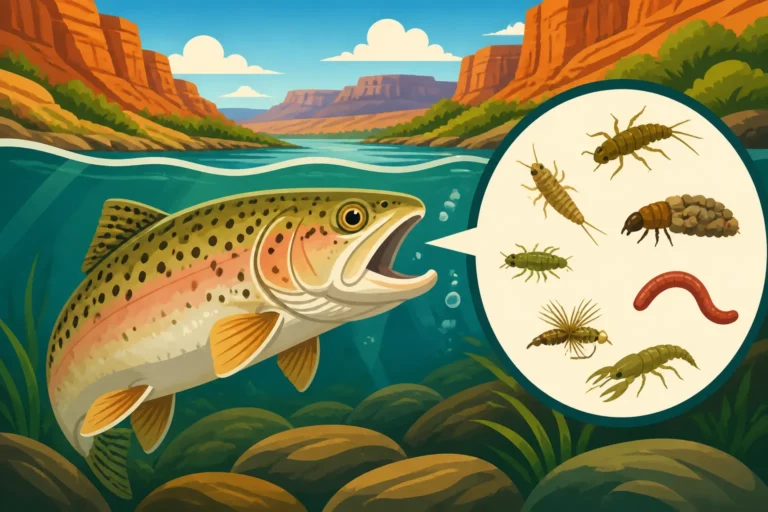
Green sunfish are not picky eaters, which is another reason they are so much fun to catch! They are opportunistic feeders and will readily strike a variety of natural and artificial baits. For live bait, nothing beats a classic worm. Small pieces of nightcrawlers, red worms, or even mealworms and crickets are absolute magnets for green sunfish. They'll also go for grasshoppers if you can find them. Simply thread a small piece of worm onto a size 10 hook, add a tiny split shot a few inches above it, and suspend it under a bobber. Cast it near some cover, like submerged weeds or a fallen log, and wait for the bobber to dance.
Artificial lures can also be very effective. Tiny inline spinners, like those from Panther Martin or Rooster Tail, in sizes 0 to 2, can trigger aggressive strikes. Small jigs, particularly those tipped with a piece of plastic or a Gulp! bait, are also excellent. Think 1/32 to 1/16 ounce jigs in natural colors like brown, green, or black, or brighter colors like chartreuse or white. A slow, steady retrieve or a subtle jigging motion is usually all it takes. Fly anglers can have a blast too, using small poppers, sponge spiders, or wet flies. The key is to keep your presentations small and to fish near structure.
Where to Find Green Sunfish in New Mexico
Green sunfish are practically ubiquitous in New Mexico's freshwater systems, particularly in the warmer, slower-moving sections. You'll find them in a plethora of places, from urban park ponds to vast reservoirs, and even in many of the small creek systems that crisscross the state. They aren't particular about clarity, happily inhabiting murky waters or relatively clear ones.
For those in central New Mexico, many of the smaller urban ponds that are part of community fishing programs often hold robust populations of green sunfish. These are fantastic places for a quick trip, especially with kids. Head to a place like Tingley Beach in Albuquerque, and while you might be targeting trout or catfish, you're almost guaranteed to encounter green sunfish too. Further south, reservoirs like Elephant Butte Lake or Caballo Lake, while famous for their bass and stripers, have plenty of green sunfish in their shallower, vegetated coves and protected inlets. Even some slower sections of the Rio Grande can hold them. In the northern parts of the state, look to the quiet stretches of rivers like the Pecos or Chama, particularly where there's plenty of bank vegetation or woody debris. If you're looking for Fishing Ponds Near Albuquerque for Kids or generally Best Lakes for Family Fishing Trips in New Mexico, green sunfish will almost certainly be a part of the experience. Just remember to check the New Mexico Fishing Regulations Overview before you go, and always have your New Mexico Fishing License Guide in hand!
Ecological Role and Management of Green Sunfish in New Mexico
Green sunfish play a significant, albeit sometimes underappreciated, role in the aquatic ecosystems of New Mexico. While they might not garner the same conservation attention as the native Gila trout or Rio Grande cutthroat, their presence is vital to the food chain and the overall health of many warm water fisheries. They are a classic forage fish for larger predators such as largemouth bass, channel catfish, and even some of the larger birds of prey that frequent our waterways. Their prolific breeding cycles mean they can produce a steady food supply, helping to support healthy populations of these larger game fish.
However, their hardiness and adaptability, which make them so common and easy to catch, can also pose challenges. In some very small or isolated ponds, green sunfish can sometimes overpopulate, leading to stunted growth for themselves and competition with other panfish species like bluegill. This is why proper fishing management, including bag limits for panfish, is important for maintaining a balanced ecosystem. Fortunately, the New Mexico Statewide Bag Limit for Crappie and Sunfish allows for generous harvests, which can help manage populations and provide ample opportunity for anglers to take home a tasty meal.
The New Mexico Department of Game and Fish monitors fish populations across the state, including panfish like green sunfish, to ensure ecological balance. Their resilience means they aren't often the focus of intensive stocking programs (they usually do a fine job reproducing on their own!), but they are a crucial part of the state's warm water fishing opportunities. Understanding their role helps us appreciate every fish we catch, big or small.
How Green Sunfish Adapt to New Mexico's Diverse Waters
New Mexico is a land of incredible geographical and climatic diversity, from high-desert plateaus to alpine mountains. This varied landscape translates into an equally varied range of aquatic environments. You might wonder how a single fish species, like the green sunfish, manages to thrive across such a spectrum. It truly boils down to their incredible physiological flexibility.
Green sunfish are highly tolerant of fluctuations in water temperature, oxygen levels, and turbidity. While many game fish prefer specific conditions, green sunfish can handle the intense summer heat in shallow desert ponds, which can push water temperatures well into the 80s or even 90s Fahrenheit. They can also survive periods of lower oxygen, often found in stagnant backwaters or ponds experiencing algal blooms. This ability to tolerate a broad range of conditions allows them to colonize areas that would be inhospitable to less adaptable species. They also aren't picky about their diet, consuming a wide array of insects, small crustaceans, and even smaller fish, meaning they can find food in almost any environment. This generalist approach, both in terms of habitat and diet, is precisely what makes them one of New Mexico's most successful and widely distributed fish species, a true survivor of the aquatic world.
Conservation and Catch & Release Considerations
While green sunfish are not a species of conservation concern in New Mexico – quite the opposite, given their widespread abundance – practicing responsible angling is always a good idea. If you plan to keep green sunfish for a meal, it's generally encouraged to take home a good number of the smaller ones, especially in ponds where they might be overpopulated. This practice, often called "culling," can actually help improve the overall health and size structure of the remaining population by reducing competition for food. Always respect the New Mexico Fishing Regulations Overview and adhere to any specific bag or possession limits for panfish.
For those you intend to release, handling them gently is paramount, even for such a hardy fish. Try to minimize their time out of the water. Use a pair of needle-nose pliers or a hook remover to quickly unhook them, especially if they've swallowed the hook deeply. Wet your hands before handling them to protect their protective slime coat. If you want to dive deeper into ethical angling, checking out resources on Catch and Release Best Practices in New Mexico is always a wise move. Whether you keep them or release them, green sunfish provide a fantastic opportunity to connect with nature and enjoy the simple pleasure of fishing in New Mexico.
Disclaimer
This article is for general informational purposes only and does not constitute professional advice. Laws, prices and regulations vary by location and change over time. Consult a qualified professional for guidance on your specific situation.