Best Winter Biting Fish in New Mexico
The chill that creeps into the air, the frost on the windows, and the shorter days can make a New Mexico angler wonder if it's even worth bundling up to hit the water. It's a common frustration, feeling like the fishing season just evaporated when the colder months arrive. But I'm here to tell you that winter in New Mexico isn't a time to put your rods away; it's a fantastic opportunity to target certain species that actually thrive in the colder water. This guide will help you understand which fish are your best bets for winter bites and how to find them.
Embracing the Cold: Why Winter Fishing in New Mexico is a Unique Opportunity
Many anglers hang up their hats once the leaves fall, thinking the fish go dormant. In New Mexico, however, winter fishing offers some truly exceptional experiences, often with fewer crowds and more serene surroundings. The key is understanding that fish behavior changes dramatically with water temperature. What worked in July likely won't work in January, and that's okay! It just means adapting your approach.
The Serenity of Winter Waters
One of the biggest perks of fishing in the colder months is the peace and quiet. Those bustling summer hotspots can become tranquil havens, allowing you to enjoy the stunning New Mexico landscape without elbow-to-elbow competition. Imagine the quiet crunch of snow underfoot as you make your way to a riverbank, or the crisp mountain air biting at your cheeks as you wait patiently on the ice. It's a different kind of fishing, more about solitude and connecting with nature. Plus, with fewer boats zipping around, fish are often less pressured and sometimes more willing to investigate a well-presented lure.
Thermal Refuges and Consistent Bites
While many fish slow down, some species actively seek out specific thermal refuges or become more metabolically active in colder temperatures. Tailwaters below large dams, for instance, often maintain a more consistent water temperature year-round, creating excellent winter trout habitat. Lakes that stratify in summer become more uniform in winter, sometimes allowing fish to roam more widely in search of food. The fish are still eating; they just might be doing it slower or in different locations. Identifying these consistent spots is half the battle, and New Mexico has plenty of them.
New Mexico's Prime Winter Targets: Who's Biting?
When the mercury drops, certain fish species really come into their own, offering rewarding angling opportunities across New Mexico. Knowing which ones to target can significantly increase your chances of success during the chillier months.
Trout: The Cold-Water Champions
Trout are arguably the kings of New Mexico's winter fishing scene. Both wild and stocked trout remain active, and often aggressively, throughout the winter.
Rainbow Trout
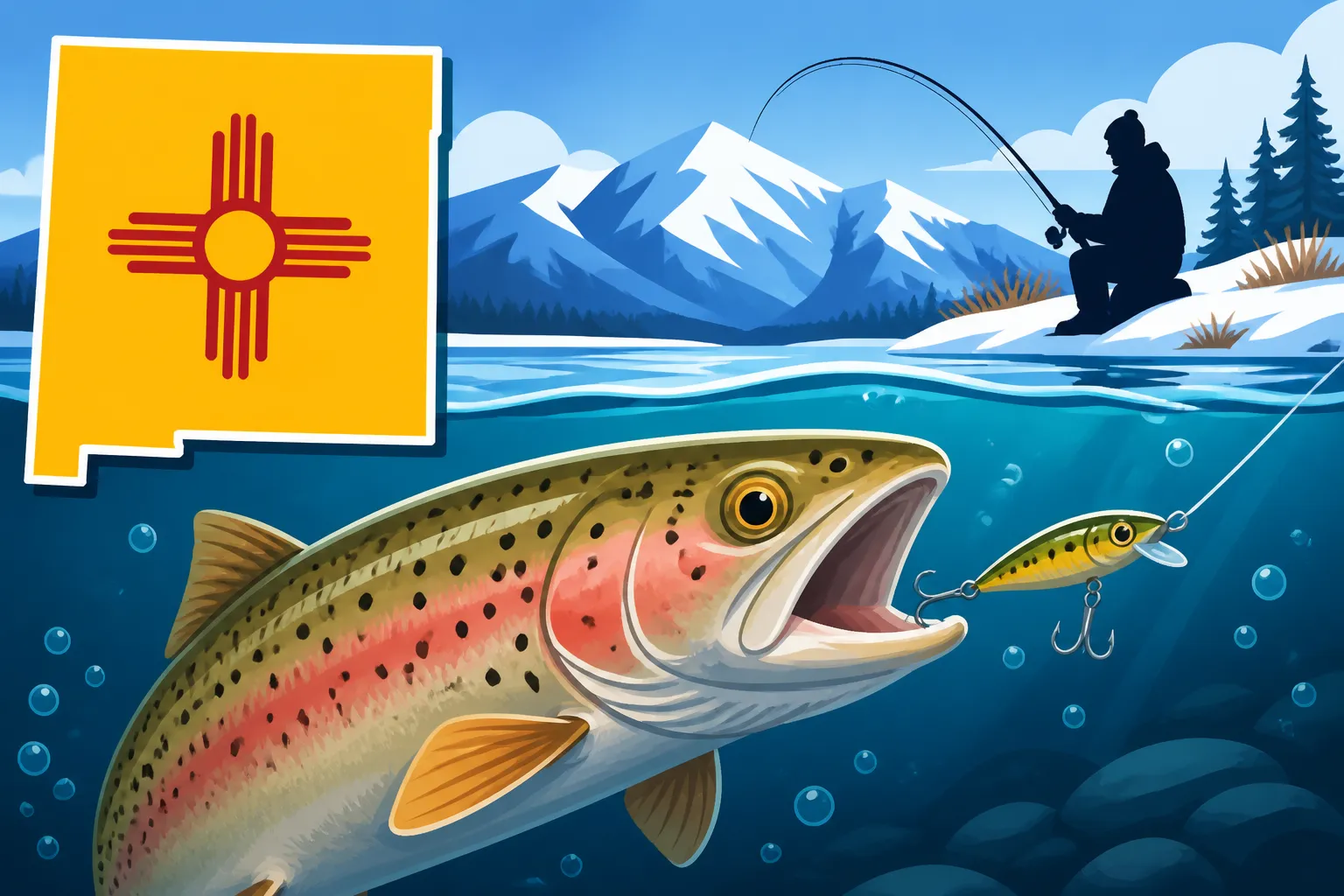
Rainbow trout are a staple in many New Mexico waters year-round, and winter is no exception. They are regularly stocked in urban ponds and various rivers, making them a reliable target. In winter, rainbows often concentrate in deeper pools or slower runs of rivers, and in the deeper sections of ponds or lakes. They're still looking for food, but their metabolism slows, so they might not chase a fast-moving lure as readily. Think subtle presentations. Small spoons, slow-retrieved spinners, or even bait like PowerBait, worms, or corn fished off the bottom can be incredibly effective. For fly anglers, tiny midge patterns, egg patterns, and San Juan Worms are often the ticket. Rainbow Trout Fishing in New Mexico is a popular pursuit even when it's cold.
Brown Trout
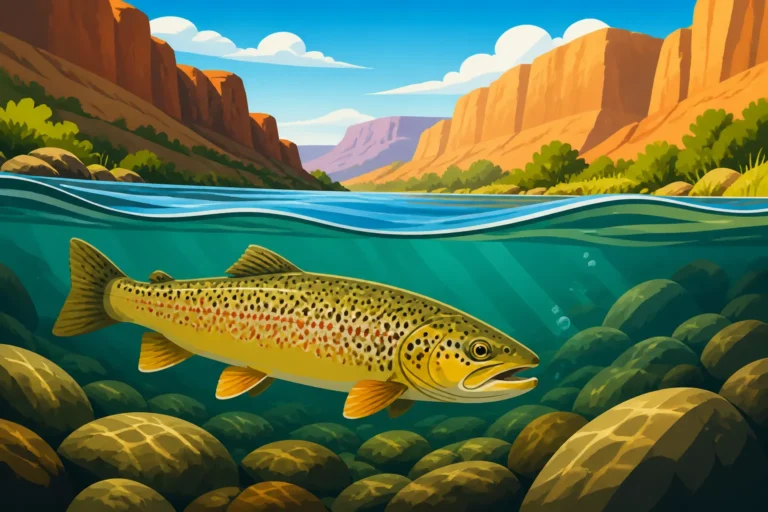
Brown trout, often considered more elusive, can be fantastic winter quarry. They tend to be a bit more cold-hardy and predatory than rainbows. In rivers, brown trout will often hold tight to structure—like submerged logs, undercut banks, or large rocks—in slower, deeper pockets. During winter, they can be particularly aggressive towards larger streamers, especially if you're targeting those trophy-sized browns. If you're spin fishing, stickbaits or jigs that imitate baitfish can provoke a strike. Don't be afraid to work your lures slowly and deliberately, pausing frequently to entice a cold, wary fish.
Lake Trout
For those who venture to New Mexico's larger, deeper lakes, especially the high-mountain ones that freeze over, lake trout become a primary target through the ice. Lake trout are built for cold, deep water and will cruise the bottom structure or suspend in the water column looking for forage fish. Ice fishing for these giants requires stout gear and a good understanding of sonar to locate them. Vertical jigging with heavy spoons or tube jigs tipped with a piece of cut bait can be highly effective. The fight of a large lake trout through a small ice hole is something every angler should experience.
Walleye: A Deeper Pursuit
Walleye are another species that can provide excellent winter action, particularly in New Mexico's larger reservoirs like Ute Lake or Conchas Lake. While they might be harder to locate and tempt in open water during the dead of winter, if you find them, the rewards can be great.
Targeting Winter Walleye
Walleye in winter will typically congregate in deeper sections of the lake, often near significant bottom structure like submerged humps, points, or old river channels. They are still feeding, but like trout, their metabolism is slower. This means slower presentations are key. Jigging spoons, blade baits, or a jig and grub combination worked slowly along the bottom can be highly effective. If you're ice fishing, a good flasher or sonar unit is invaluable for identifying depth and fish presence. A small minnow on a plain hook or a subtle jig can also entice a bite. Patience is crucial, as bites can be subtle "thumps" rather than aggressive grabs. For more on catching these tasty fish, check out Walleye Fishing in New Mexico.
Tiger Muskie: The Apex Winter Predator
For the dedicated trophy hunter, the tiger muskie at Bluewater Lake offers a thrilling, albeit challenging, winter opportunity. These hybrid predators are known for being active in cold water, and winter often brings some of the biggest fish within reach of anglers.
The Hunt for Tiger Muskie
Tiger muskies are ambush predators, and in winter, they'll typically be found cruising deeper structure, often near drop-offs, submerged timber, or weed lines (if any remain). This is a game of patience and perseverance. Large, slow-moving baits are often the ticket. Big swimbaits, jerkbaits, or even large spoons retrieved very slowly can trigger a strike. It's not uncommon for anglers to spend hours without a bite, only to have a massive muskie explode on their lure. Remember to have appropriate gear, including heavy line, stout rods, and a large net, as these fish put up a tremendous fight. You can learn more about Tiger Muskie in New Mexico for specific tactics.
Kokanee Salmon: A Seasonal Window
While kokanee salmon are often associated with snagging seasons in the fall, in some New Mexico lakes, they can still be targeted in early winter or even through the ice.
Winter Kokanee Opportunities
In lakes like Navajo Lake or Heron Lake, if conditions allow for ice fishing, kokanee can sometimes be found suspended in the water column. They are plankton feeders, so tiny jigs tipped with corn, or small spoons, can work. It's a specialized form of fishing, often requiring sensitive gear and careful attention to depth. Keep an eye on local regulations for specific snagging seasons or closures, as these can change. For those interested in this unique species, Kokanee Salmon Fishing in New Mexico provides a great resource.
Understanding Winter Fish Behavior
Successfully targeting winter biters hinges on understanding how the cold influences fish behavior. It's not just about a slower metabolism; it's about where they hold, when they feed, and what triggers a strike.
Metabolism and Feeding Windows
As water temperatures drop, fish metabolism slows down significantly. They require less food, and their movements become less energetic. This doesn't mean they stop eating, but their feeding windows might be shorter and more concentrated around specific times of the day, typically the warmest parts of the afternoon. However, even during these active periods, their strikes can be very subtle. You might feel a slight weight, a gentle tug, or simply notice your line moving slightly—these are often the signs of a cold-water bite. Learning to distinguish these nuances is key to consistent success.
Locating Winter Fish: Structure and Depth
Fish tend to be more lethargic and less willing to expend energy in winter. This means they often congregate in areas where food is readily available and where they can conserve energy. In rivers, this usually means deeper pools, slow runs, and areas with overhead cover or significant current breaks. In lakes, fish often move deeper, seeking more stable water temperatures or concentrating near major underwater structure like ledges, humps, or old creek channels. A good quality fish finder or sonar unit can be an invaluable tool for locating these deeper holding patterns. Remember, fish might be tightly schooled, so if you find one, there are likely more.
Water Clarity and Presentation
Winter often brings increased water clarity to many New Mexico waters, especially in lakes where algae blooms have subsided. While clear water can be beautiful, it also means fish have a better view of your tackle. This necessitates lighter lines, smaller lures, and more natural presentations. Think subtle colors, minimal flash, and slow, deliberate movements. Overly aggressive retrieves or brightly colored, clunky tackle can easily spook weary winter fish. Sometimes, simply dead-sticking a bait or lure can be the most effective strategy.
Gear and Techniques for Winter Success
Having the right gear and employing specific cold-weather techniques can make all the difference between a frustrating winter outing and a memorable day on the water.
Essential Winter Gear Considerations
Beyond your usual fishing setup, winter fishing demands some specialized considerations. Warm, waterproof clothing is non-negotiable. Layering is crucial, allowing you to adapt to changing temperatures throughout the day. Insulated boots, warm gloves, and a good hat will keep you comfortable. For ice fishing, an Best Ice Fishing Shelter for New Mexico can offer a refuge from the wind, and a reliable ice auger is essential. Many anglers find great deals on these items, even specialized gear like ice fishing sonar or warm weather apparel, on platforms like Amazon.
Rods, Reels, and Line
For general winter trout fishing in open water, a light to medium-light spinning rod (6-7 feet) with a sensitive tip is ideal for detecting those subtle bites. Pair it with a small spinning reel spooled with 4-6 lb fluorocarbon or monofilament line. Fluorocarbon is often preferred due to its low visibility and minimal stretch. For heavier species like lake trout or tiger muskie, you'll need more robust setups, including medium-heavy to heavy rods and reels with strong drag systems, spooled with braided line and a heavy fluorocarbon leader. For fly fishing, a 4-5 weight rod is versatile for most trout scenarios, using delicate leaders and tippets. For a deep dive into specific gear, you might want to look at Best Rods and Reels for New Mexico Trout Fishing.
Baits, Lures, and Flies
The cold-water menu for fish often leans towards protein-rich, slow-moving meals.
- Bait: PowerBait (especially trout dough in various colors), salmon eggs, worms (nightcrawlers, mealworms), and small minnows (where legal) are effective. Fish them on or near the bottom with minimal weight.
- Lures: Small inline spinners (Mepps, Panther Martin), tiny spoons (Kastmasters, Thomas Buoyants), tube jigs, blade baits, and slow-moving stickbaits are excellent. Experiment with natural colors and flash. Again, slow retrieves are paramount.
- Flies: Midges (zebra midges, tiny larva patterns), egg patterns, San Juan Worms, small nymph patterns (Pheasant Tail, Hare's Ear), and smaller streamers (Woolly Bugger in black, olive, or white) are highly productive. Focus on dead drifts or very slow, short strips.
Ice Fishing Specifics
New Mexico offers some fantastic ice fishing opportunities at higher elevation lakes, like Eagle Nest Lake, Heron Lake, and Bluewater Lake. Safety is paramount when ice fishing. Always check ice thickness before venturing out, and go with a buddy. A minimum of 4 inches of clear, solid ice is generally recommended for walking, and more for ATVs or vehicles.
The Role of Electronics
A good flasher or sonar unit is a game-changer for ice fishing. It allows you to see your lure, detect fish approaching it, and understand their reactions. This immediate feedback helps you adjust your presentation in real-time. Brands like Vexilar and Humminbird offer excellent portable units. You can often find a wide selection of these essential electronics on Amazon.
Jigging and Presentation Through the Ice
Ice fishing is primarily about vertical jigging. Use small, bright jigs, spoons, or soft plastics. Tip them with a wax worm, minnow head, or corn for added scent and appeal. Experiment with different depths and jigging motions—from aggressive lifts and drops to subtle quivering. Sometimes, just holding your lure still (dead-sticking) is what triggers a bite from a wary fish. Don't be afraid to try different holes until you find active fish.
Winter Fishing Safety in New Mexico
While the rewards of winter fishing are great, the conditions can be unforgiving. Prioritizing safety is non-negotiable.
Dress for Success and Survival
Layering is the golden rule for winter angling. Start with a moisture-wicking base layer, add insulating mid-layers (fleece, down), and finish with a waterproof and windproof outer shell. Insulated boots, waterproof gloves or mittens, and a warm hat that covers your ears are critical. Carry extra layers in a dry bag, especially if you're venturing far from your vehicle. A thermos with hot coffee or soup can be a real lifesaver and a morale booster.
Ice Safety Precautions
If you're heading out onto the ice, take serious precautions. Never assume ice is safe; check it frequently with an auger or spud bar. Pay attention to changes in ice color and texture. New ice is generally stronger than old ice. Avoid areas with current, submerged springs, or aerators, as these can create dangerously thin spots. Carry ice picks, a rope, and a fully charged cell phone. Inform someone of your plans and expected return time. Knowing when the Ice Fishing in New Mexico season is active is just one part of the preparation.
Staying Hydrated and Fuelled
Even in cold weather, dehydration is a risk, especially with physical exertion like hiking or drilling holes. Drink plenty of water or non-alcoholic beverages. Pack high-energy snacks like nuts, energy bars, and fruit to keep your core temperature up and your energy levels stable. A well-nourished angler is a warmer, safer, and more patient angler.
| Fish Species | Primary Winter Method | Typical Location (Winter) | Recommended Gear/Bait | Aggression Level (Winter) |
|---|---|---|---|---|
| Rainbow Trout | Spin, Fly, Ice | Deeper pools, slow runs, lake drop-offs | Small spoons, PowerBait, Midges | Moderate |
| Brown Trout | Spin, Fly | Undercut banks, heavy structure, deep runs | Streamers, Stickbaits, Jigs | Moderate to High |
| Lake Trout | Ice (Jigging) | Deep lake basins, humps, suspended | Heavy spoons, Tube jigs, Minnow | Moderate |
| Walleye | Ice (Jigging), Spin | Deep structure, old river channels | Jigging spoons, Blade baits, Minnows | Low to Moderate |
| Tiger Muskie | Spin, Cast | Deep structure, weed edges | Large swimbaits, Jerkbaits | Low (but explosive) |
| Kokanee Salmon | Ice (Jigging), Snagging | Suspended in water column | Tiny jigs, Spoons, Corn | Low |
Disclaimer
This article is for general informational purposes only and does not constitute professional advice. Laws, prices and regulations vary by location and change over time. Consult a qualified professional for guidance on your specific situation.