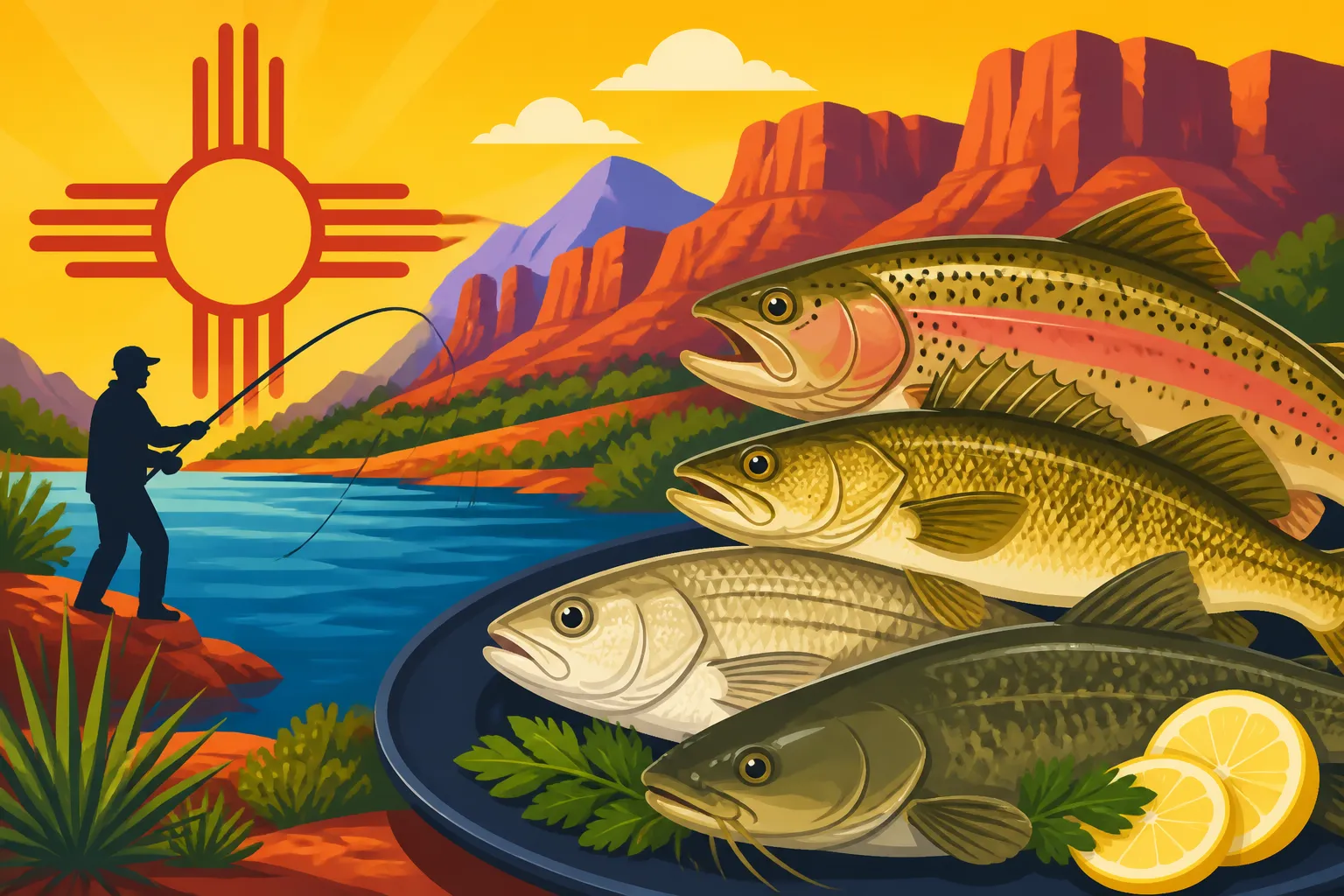
Best-Tasting Fish Species to Keep in New Mexico
There's nothing quite like the satisfaction of reeling in a beautiful fish in the Land of Enchantment, but for many anglers, the real question that comes to mind isn't just "what did I catch?" but "how will it taste?" Figuring out which New Mexico fish species truly shine on the dinner plate can be a bit of a guessing game if you're new to the waters, or even if you’ve been fishing for years and just haven't explored the culinary side. This guide is here to walk you through the most delectable fish species you can legally keep in New Mexico, sharing insights on their flavor profiles and why some stand out above the rest.
Understanding New Mexico's Edible Fish Landscape
New Mexico is a land of diverse aquatic environments, from the high mountain streams teeming with trout to vast, warm-water reservoirs holding bass, walleye, and catfish. Each environment, and the species that thrive within it, contributes to a unique culinary experience. The flavor and texture of a fish are heavily influenced by its diet, habitat, and how it’s handled after it's caught. Knowing what to expect from each species can help you decide what to target if dinner is your ultimate goal.
Coldwater Delights: Trout Species
When most folks think about eating fish in New Mexico, trout are often the first species that come to mind, and for good reason! These coldwater inhabitants are renowned for their delicate flavor and tender flesh. They are generally considered some of the finest table fare available in the state.
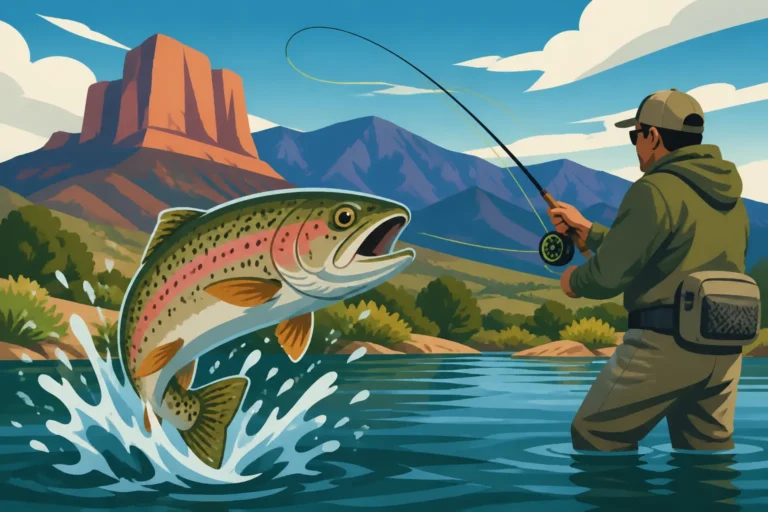
Rainbow Trout are probably the most commonly caught and eaten trout in New Mexico. They're stocked regularly in many lakes, rivers, and urban ponds across the state, making them widely accessible. Their flesh is typically mild, flaky, and has a pleasant, somewhat sweet taste. When cooked, it can range from almost white to a light pink. If you're looking for a reliable, consistently good-tasting fish, rainbow trout from clean, cold waters are a fantastic choice. They're versatile and take well to almost any cooking method, whether baked, pan-fried, or grilled.
Brown Trout, while not as widely stocked as rainbows, offer a richer, more pronounced flavor. Often found in wilder, less accessible waters, these fish tend to have a slightly firmer texture and a deeper, more earthy taste, particularly if they’ve been feasting on insects and smaller fish in pristine stream environments. Their flesh is often a beautiful orange-pink color. While some anglers prefer the milder rainbow, many seasoned fishers will tell you that a brown trout from a crisp, clear mountain stream is hard to beat for its robust flavor. Just remember to check New Mexico Trout Fishing Rules before you head out, as regulations can vary.
Cutthroat Trout, especially the native Rio Grande Cutthroat Trout, are a true New Mexico treasure. While many anglers practice catch-and-release with these beautiful native fish to support conservation efforts, if you're in an area where harvest is permitted and you decide to keep one (always verify specific regulations, especially in special waters), you're in for a treat. Their flavor is often described as even more delicate and sweeter than rainbow trout, a true gourmet experience. However, due to their conservation status and often remote habitats, they are less commonly kept for the table than other trout species.
Kokanee Salmon are another coldwater delicacy found in a few of New Mexico's larger, deeper lakes like Navajo Lake and Heron Lake. These landlocked sockeye salmon offer a distinct, rich, red-orange flesh that is incredibly flavorful and high in omega-3s. When they are in their prime (before spawning, when their flesh starts to degrade), kokanee are a top-tier eating fish. They have a firm, buttery texture and a strong, savory salmon flavor that's prized by many. Timing is everything with kokanee; they are a seasonal treat.
Warmwater Wonders: Bass, Catfish, and Panfish
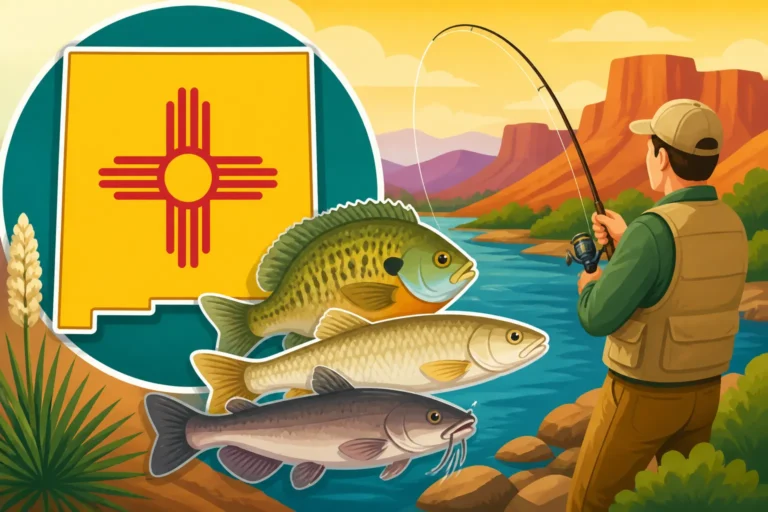
Moving from the crisp, cool waters to the warmer, expansive reservoirs and rivers, we encounter a different array of delicious fish. These species offer variety in flavor and texture, often providing a heartier meal.
Channel Catfish are incredibly popular among New Mexico anglers for their fighting spirit and, perhaps most importantly, their excellent table quality. When caught from clean, flowing water or well-maintained reservoirs, channel cat have firm, flaky white meat with a mild, slightly sweet flavor. They are incredibly versatile in the kitchen, tasting fantastic whether fried, grilled, baked, or even stewed. Many folks claim there's nothing better than a plate of crispy fried catfish with hushpuppies. Catfish Limit in New Mexico is generous in many areas, making them a great target for a fish fry.
Largemouth Bass and Smallmouth Bass are often overlooked as table fare by some anglers, who prefer to release them for sport. However, bass from clean, cool waters actually offer a very respectable meal. Their flesh is white, firm, and has a mild, non-fishy flavor, making them excellent candidates for filleting and pan-frying, baking, or even creating fish tacos. Smallmouth bass, in particular, often get high marks for their firm, white fillets. Just like trout, the quality of the water they come from can significantly influence their taste.
Crappie and Bluegill fall into the "panfish" category, and these smaller fish are an absolute delight on the dinner table. Crappie are revered for their exceptionally sweet, delicate, and flaky white meat. They are a true panfish in the sense that they are often best whole, lightly breaded, and fried until golden brown. Many anglers consider crappie to be among the best-tasting freshwater fish available. Bluegill, another popular panfish, also offer sweet, tender meat, perfect for frying. While small, the effort of cleaning a mess of crappie or bluegill is well worth the reward.
Walleye are highly sought after by anglers in New Mexico for their elusive nature and, critically, their outstanding culinary quality. Found in reservoirs like Conchas Lake, Ute Lake, and Elephant Butte, walleye boast firm, pearly white, flaky fillets with a subtle, delicate flavor that is considered one of the best among freshwater fish. There's almost no "fishy" taste, making them a favorite even among those who are usually hesitant to eat fish. They can be pan-fried, baked, or grilled, and their texture holds up beautifully. Be sure to check the New Mexico Statewide Bag Limit for Walleye before planning your next walleye feast.
Striped Bass at Elephant Butte Lake are a powerhouse fish, and they also make for an excellent meal. Stripers offer a firm, meaty, white to off-white flesh that holds up well to grilling, baking, or broiling. Their flavor is robust but clean, especially from the cooler, deeper parts of the lake. They are less delicate than a trout but more substantial than a panfish, providing a satisfying meal. They can also be fantastic smoked.
Factors Affecting Fish Flavor and Quality
Catching a fish is only half the battle when it comes to putting a delicious meal on the table. How and where that fish lived, and what you do with it immediately after it's caught, can profoundly impact its flavor and texture. Ignoring these details can turn a potentially tasty fish into a less-than-appetizing experience.
Water Quality and Diet's Role
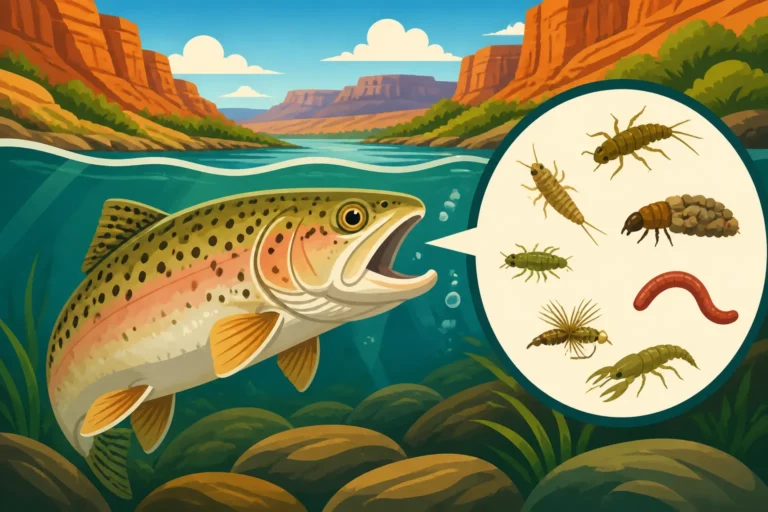
The old adage "you are what you eat" applies just as much to fish as it does to us! The environment a fish inhabits and its primary food sources play a massive role in how it tastes. Fish from cold, clear, well-oxygenated waters, like many of New Mexico's mountain streams and pristine lakes, generally have the cleanest, mildest flavors and firmest textures. This is because these environments tend to support a diet of natural insects, crustaceans, and smaller baitfish, which impart desirable flavors.
Conversely, fish from warmer, murkier, or nutrient-rich (eutrophic) waters can sometimes develop stronger, "muddy," or "weedy" flavors. This off-flavor is often due to compounds like geosmin and methylisoborneol (MIB), produced by certain types of blue-green algae and bacteria in their environment, which the fish absorb through their gills and diet. While often harmless, these compounds can make the fish taste less appealing. For example, a channel catfish from a fast-flowing, clear river will often taste significantly better than one from a stagnant, warm pond during late summer. This doesn't mean fish from all warm waters are bad, but it's a good general guideline to consider.
Handling Your Catch for Optimal Taste
This is perhaps the most critical step for ensuring your catch tastes as good as possible. Proper handling begins the moment the fish leaves the water. Many delicious fish are ruined by improper care in the field.
First, bleeding the fish immediately after capture is crucial, especially for larger species like bass or striped bass. A quick cut to the gills or throat allows the blood to drain out, which significantly improves the flesh's flavor and appearance by preventing blood from coagulating in the meat. This minimizes strong, metallic, or "fishy" tastes.
Second, get your fish on ice as quickly as possible. Fish flesh degrades rapidly at warm temperatures, leading to a mushy texture and off-flavors. A quality cooler filled with ice is your best friend. Submerging the fish completely in an ice slurry (ice and a little water) cools it down most effectively. This step stops bacterial growth and preserves the texture and flavor. Don't just throw it in a warm bucket – that’s a recipe for disappointment. Having one of the Best Coolers for Keeping Fish Fresh in New Mexico can make all the difference.
Third, clean your fish promptly. While some debate exists on whether to fillet at the water's edge or at home, the sooner you can gut and clean your fish, the better. Removing the guts eliminates enzymes that can quickly break down the flesh and removes any lingering food that could impart unwanted flavors. For species like trout, a simple gutting might be all you need, while larger fish benefit from filleting. Make sure to remove any dark red strips of meat along the lateral line when filleting, as these often contain a stronger, more "fishy" flavor.
Size Matters: When Bigger Isn't Always Better
When it comes to table fare, bigger isn't always better, particularly with certain fish species. While catching a trophy-sized fish is exhilarating, often the medium-sized individuals within a species offer the best eating experience.
For trout, for example, a 12- to 16-inch rainbow or brown trout is often considered ideal. These fish are old enough to have developed good flavor but are still young enough that their flesh is tender and sweet. Larger, older trout can sometimes have tougher meat or a more pronounced, stronger flavor that some find less appealing. Similarly, with panfish like crappie and bluegill, a fish that fits comfortably in your hand (say, 8-12 inches) will typically be more tender and flavorful than a really old, large specimen.
With species like bass and walleye, a similar principle applies. A 1 to 3-pound bass or walleye is often preferred for its texture and taste. Very large, old fish can sometimes accumulate more contaminants, develop a tougher texture, or have a stronger flavor. This isn't a hard and fast rule for every species, but it's a good general guideline to keep in mind when deciding what to keep for dinner versus what to release to fight another day. Always be sure to review the New Mexico Daily Trout Bag Limit and other species-specific limits in the New Mexico Fishing Regulations Overview.
Culinary Considerations and Preparation Tips
You've done the hard work of catching and properly handling your fish; now it's time for the fun part: cooking! Even the best-tasting fish can be ruined by poor preparation, so a few simple tips can go a long way in ensuring a delicious meal.
Simple Preparation Methods for Each Species
The beauty of fresh New Mexico fish is that often, simple preparation allows their natural flavors to shine. You don't need to be a gourmet chef to create an amazing meal.
For Trout (Rainbow, Brown, Cutthroat):
- Pan-Frying: This is a classic for a reason. Lightly dredge whole, gutted trout (or fillets) in seasoned flour or cornmeal. Fry in butter or oil until golden brown and flaky. A squeeze of lemon and a sprinkle of fresh parsley is often all it needs.
- Baking/Grilling: Stuff the cavity with lemon slices, herbs like dill or thyme, and a pat of butter. Wrap in foil (especially for grilling) and bake or grill until cooked through. This keeps the fish moist and infused with aromatics. For the adventurous, trying some Best Bait for New Mexico Trout or Best Lures for New Mexico Trout might just give you a better catch for the pan!
For Catfish:
- Deep Frying: The quintessential catfish preparation. A cornmeal-based breading gives it that characteristic crunchy crust. Serve with coleslaw and hot sauce.
- Grilling/Blackening: Catfish fillets hold up well to grilling. A good blackening seasoning rubbed on the fillets creates a flavorful crust while keeping the inside tender.
For Bass (Largemouth, Smallmouth, Striped):
- Filleting and Pan-Frying: Bass fillets are firm and white. Season with salt, pepper, and garlic powder, then pan-fry in butter or olive oil. They make fantastic fish sandwiches or tacos.
- Baking/Broiling: These fillets also do well baked with a crumb topping or broiled with a lemon-butter sauce. Striped bass, in particular, can be excellent when grilled as steaks.
For Walleye:
- Pan-Frying: Walleye is so prized for its delicate flavor that simple pan-frying is often preferred. A light breading or even just a dusting of seasoned flour allows its flaky, white meat and subtle taste to be the star.
- Baking: Bake with herbs, butter, and white wine for an elegant, moist dish.
For Crappie and Bluegill:
- Whole Pan-Fried: These are "panfish" for a reason! Scale and gut them, then bread lightly and fry them whole. The bones are easily removed after cooking, and the sweet meat is delightful.
Avoiding Common Flavor Pitfalls
Even the best species can taste off if certain issues aren't addressed.
- "Muddy" Flavor: If you suspect a fish might have a muddy taste (common in some warm water catfish or carp), soaking the cleaned fillets in milk for an hour or two before cooking can often help draw out these unwanted flavors. Then, simply pat dry and proceed with your chosen cooking method.
- Dark Meat/Bloodlines: When filleting larger fish like bass or stripers, make sure to trim away the reddish, darker meat that runs along the lateral line. This meat often has a stronger, more "fishy" flavor and a different texture than the white flesh. Removing it dramatically improves the overall taste of your fillet.
- Overcooking: This is the ultimate sin when cooking fish. Overcooked fish becomes dry, tough, and loses its delicate flavor. Fish is done when it easily flakes with a fork. Err on the side of slightly undercooked, as it will continue to cook briefly with residual heat.
Gear for a Better Culinary Experience
While you can catch a fish with basic gear, certain tools can vastly improve your ability to handle and prepare your catch for the best possible meal. A quality fillet knife, for instance, is absolutely essential. Something like a 7-inch flexible fillet knife will make quick work of turning a whole fish into pristine fillets. You can find excellent options on Amazon, often from brands known for their sharpness and durability.
Beyond the knife, having a good cutting board that's easy to clean, and a reliable cooler that keeps your fish on ice even on the hottest New Mexico days, are non-negotiables. Consider also carrying a small brush or scraper for descaling, if you plan to cook panfish whole. Basic seasoning kits, which are readily available on Amazon, can also be handy for quick seasoning at camp or home. Remember, the goal is to make the process as easy and efficient as possible, from the hook to the plate.
Respecting Regulations and Conservation
As much as we love to talk about the best-tasting fish, it's absolutely vital to remember our responsibility as anglers to protect New Mexico's fisheries. Enjoying the bounty of our waters means adhering to the rules and practicing sustainable angling.
Knowing Your Limits and Special Rules
Every angler in New Mexico has a responsibility to know and follow the current fishing regulations. These rules are put in place by the New Mexico Department of Game and Fish to ensure healthy fish populations for everyone, now and in the future.
This means you must be intimately familiar with the bag and possession limits for each species you target. For instance, New Mexico bag and possession limits can vary significantly between trout, bass, catfish, and other species. You also need to pay close attention to size limits, which dictate minimum or maximum lengths for keeping certain fish. Sometimes, slot limits exist where you can only keep fish within a specific size range, releasing smaller or larger ones. These specific rules are often designed to protect breeding populations or allow fish to reach a certain size before harvest.
Additionally, certain waters are designated as Special Trout Waters or Quality Waters, which often have stricter rules regarding gear (e.g., artificial flies and lures only), bait, and harvest. For example, some stretches of famous rivers might be entirely catch-and-release, or have a reduced bag limit. Always check the official New Mexico Fishing Regulations for the specific body of water you plan to visit. Ignorance of the rules is never an excuse, and violations can result in hefty fines and loss of fishing privileges.
Sustainable Angling for Future Feasts
Practicing sustainable angling goes beyond just following the letter of the law; it's about a mindset of conservation. Even when you are legally permitted to keep fish, consider whether you need to keep your full limit, especially if the fish population seems stressed or if you've already caught enough for a good meal.
- Selective Harvest: Target species that are abundant and well-managed for harvest. For example, if a lake is heavily stocked with rainbow trout, keeping a few for dinner is generally encouraged. For native or less abundant species, considering catch and release for the larger, breeding-size fish helps ensure future generations. This is especially true for species like the Rio Grande Cutthroat Trout, where New Mexico Catch and Release Regulations are often in place or encouraged.
- Minimize Stress: When you do plan to release fish, handle them gently and return them to the water as quickly as possible. Use barbless hooks, if possible, which cause less damage to the fish's mouth. Wet your hands before handling fish to avoid removing their protective slime coat.
- Support Conservation Efforts: Understand that your fishing license fees directly support the management and stocking programs that make New Mexico fishing so great. By purchasing your license and stamps, you're contributing to the health of our waters and fish populations.
By being responsible and thoughtful anglers, we can all enjoy the delicious bounty that New Mexico's waters offer, ensuring that future generations will also have the opportunity to experience the joy of fishing and feasting on these incredible species.
Disclaimer
This article is for general informational purposes only and does not constitute professional advice. Laws, prices and regulations vary by location and change over time. Consult a qualified professional for guidance on your specific situation.