Best Headlamp for Night Fishing in New Mexico
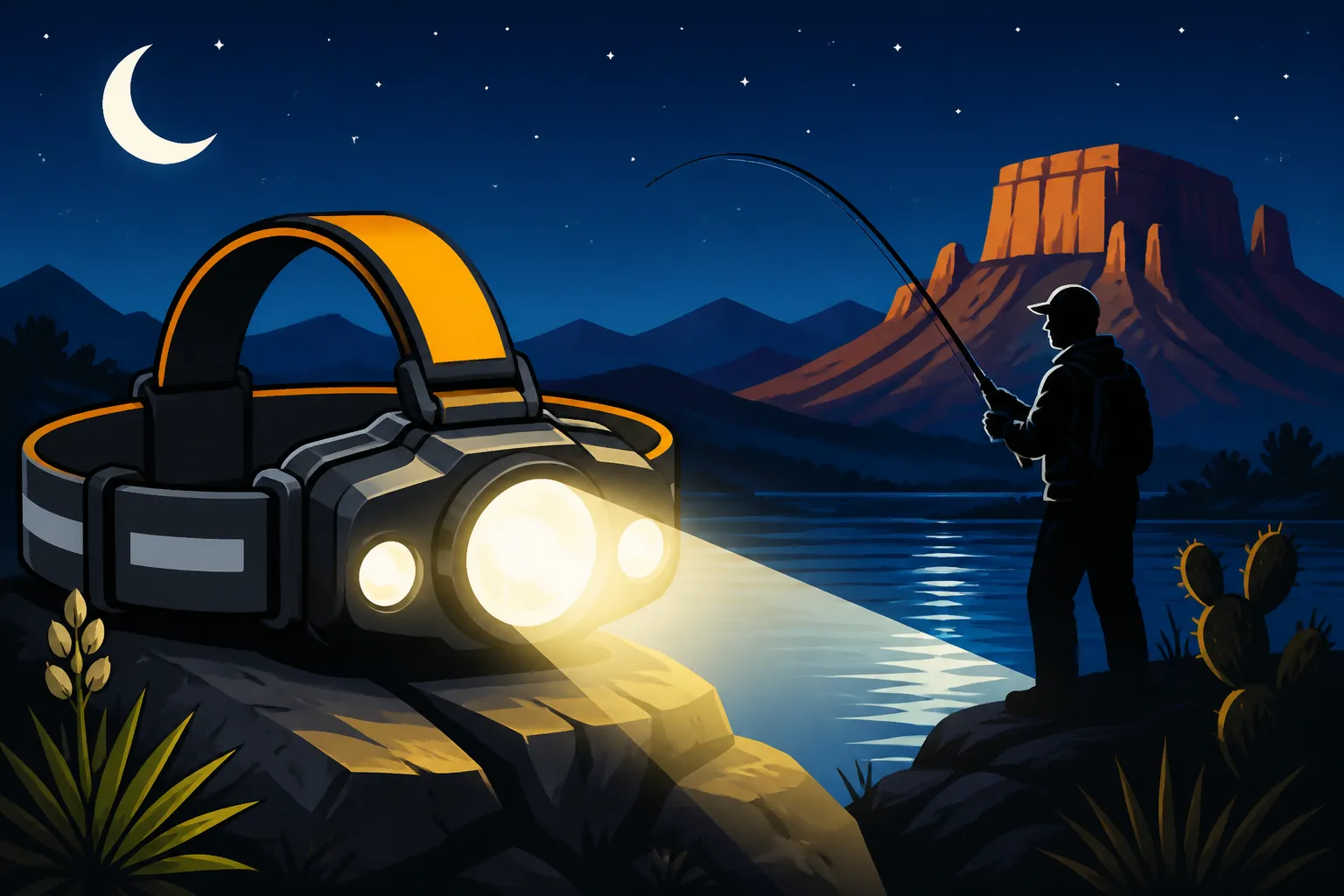
There's nothing quite like the tranquility and mystery of fishing under the vast, star-studded skies of New Mexico. However, the serene beauty of night fishing quickly gives way to frustration and even danger if you can't see what you're doing. Fumbling with a flashlight while trying to re-tie a knot or land a fish in the dark is an exasperating experience many anglers know all too well. This comprehensive guide will illuminate your path, helping you choose the best headlamp to make your night fishing adventures in the Land of Enchantment not just possible, but genuinely enjoyable and safe.
The Allure of New Mexico Night Fishing and Why a Headlamp is Crucial
Night fishing in New Mexico offers a unique experience, a departure from the often crowded and sun-drenched daytime shores. It's a time when many of the state's most sought-after species become more active, and the cooler temperatures can provide much-needed relief during the hotter months. But without the right illumination, you're not just at a disadvantage; you're risking your safety and turning what should be a peaceful pursuit into a stressful ordeal.
Why Fish After Dark in New Mexico?
Many fish species, particularly large predatory ones, are more active under the cover of darkness. The cooler water temperatures at night often draw fish into shallower waters to feed, especially in large reservoirs like Elephant Butte or Conchas Lake, where daytime temperatures can push fish deep. Species like catfish, walleye, and even some larger bass become bolder and more aggressive when the sun goes down, offering anglers a fantastic opportunity for a different kind of challenge. Imagine the thrill of hooking into a trophy channel catfish that’s been lurking in the shadows, waiting for the perfect moment to strike. You're entering a whole new world of angling possibilities.
Beyond the fish, the experience itself is different. The desert heat fades, replaced by a refreshing cool, and the sounds of daytime recreation give way to the calls of nocturnal wildlife. It's a chance to truly immerse yourself in nature, away from the hustle and bustle. For many, night fishing is less about the haul and more about the peaceful solitude and the unique connection to the environment.
The Undeniable Need for Hands-Free Lighting
Trying to manage a fishing rod, tackle, bait, and a handheld light source all at once is a recipe for disaster. Whether you're trying to bait a hook, unhook a fish, or navigate uneven terrain along the bank, having both hands free is absolutely essential. A headlamp ensures that wherever you look, your light goes with you, leaving your hands free to perform delicate tasks or to maintain a firm grip on your gear or your catch. It’s not just a convenience; it's a fundamental safety device.
Consider a scenario where you're wading into a river like the Rio Grande under the moon. Without a headlamp, every step is a guess, every submerged rock a potential hazard. With a good headlamp, you can see the riverbed, spot obstacles, and ensure secure footing. It also helps you quickly locate your gear in a dark tackle box, manage your line, and confidently handle fish without the added struggle of juggling a light source. New Mexico Night Fishing Guide often emphasizes this practical necessity.
Essential Features for Your New Mexico Fishing Headlamp
When you're out there, miles from the nearest streetlight, the quality and features of your headlamp can make all the difference. You're not just looking for a light bulb strapped to your forehead; you need a purpose-built tool designed to withstand the elements and enhance your angling success after dark.
Water Resistance: Your First Line of Defense
Let's face it, fishing involves water. Whether it's a sudden rain shower, splashing from a lively fish, or simply accidentally dropping your headlamp near the water's edge, moisture is an ever-present threat. Investing in a headlamp with a good water resistance rating is not just recommended, it's crucial for longevity and reliability. Look for an IPX rating, where a higher number indicates better protection. An IPX4 rating means it's splash-proof, which is okay for light rain, but IPX6 or IPX7 offers significantly better protection against jets of water or even temporary submersion.
Imagine you're out on Navajo Lake, the wind picks up, and a light drizzle starts. If your headlamp isn't adequately water-resistant, it could short out, leaving you stranded in the dark trying to pack up your gear. A robust, water-resistant headlamp ensures that a little moisture won't spell the end of your night, letting you focus on the fishing, not on protecting your equipment.
Red Light Mode: Preserving Your Night Vision
This is arguably one of the most underrated features for any serious night angler. Our eyes adapt to darkness by dilating our pupils, which takes time. A blast of white light, even for a moment, instantly shrinks your pupils, forcing your eyes to readapt to the dark, which can take several minutes. This can be incredibly disorienting and frustrating, especially when you need to quickly glance at the stars or identify a faraway landmark.
A red light mode provides enough illumination for close-up tasks like tying knots, baiting hooks, or checking your gear, without compromising your natural night vision. It allows your eyes to remain adjusted to the darkness, so you can seamlessly switch between focusing on your immediate task and scanning the water or horizon. For anglers targeting species like crappie or walleye that can be spooked by bright lights, the subtle glow of a red light is invaluable. Many seasoned anglers won't even consider a headlamp without this feature.
Brightness and Beam Patterns: Seeing What You Need
The "brightness" of a headlamp is measured in lumens, and while a higher lumen count often sounds better, it's not always about sheer power. For fishing, versatility in brightness and beam pattern is more important than just having the brightest light possible. You need enough light to see clearly, but not so much that you blind yourself or scare away fish.
Look for a headlamp that offers multiple brightness settings, allowing you to dim the light for close-up work or crank it up for scanning distant banks or casting lanes. Equally important are different beam patterns:
- Spotlight (or focused beam): This creates a narrow, concentrated beam of light, perfect for illuminating specific areas at a distance, like checking your line setup or spotting activity further out in the water.
- Floodlight (or wide beam): This provides a broader, softer illumination, ideal for general tasks like walking along the bank, setting up camp, or rummaging through your tackle box. Many quality fishing headlamps offer both or a combination, allowing you to adapt to various situations. This flexibility is key to effective and enjoyable night fishing.
Powering Your Night Fishing Adventures: Battery and Runtime
Your headlamp is only as good as its power source. Running out of battery in the middle of a dark New Mexico night can quickly turn an enjoyable outing into a stressful situation. Understanding battery types, runtime, and having a backup plan is paramount.
Rechargeable vs. Disposable Battery Models
The debate between rechargeable and disposable batteries often comes down to convenience versus preparedness.
- Rechargeable Headlamps: Many modern headlamps come with integrated rechargeable lithium-ion batteries, often charged via a USB port. These are convenient, environmentally friendly, and can save you money on disposable batteries in the long run. They're great for regular use and ensure you always have a full charge if you remember to plug it in. However, if you forget to charge it, or if you're on a multi-night trip away from power sources, you might be out of luck.
- Disposable Battery Headlamps: These headlamps typically run on AA or AAA batteries. While you'll need to keep a stash of spares, they offer the advantage of easily replaceable power in remote locations. Simply swap out the drained batteries for fresh ones, and you're good to go. The downside is the ongoing cost and environmental impact of disposing of batteries.
Many anglers prefer a rechargeable main headlamp and carry a small, disposable-battery backup, offering the best of both worlds. You can find excellent options for both types at outdoor retailers like Bass Pro Shops or even a wide selection of models on Amazon.
Battery Life and Cold Weather Performance
Battery life, or runtime, is a critical specification. Manufacturers usually list runtime at different brightness settings. Pay attention to the runtime at the brightness level you anticipate using most frequently. A headlamp might boast 100 hours of runtime, but that could be on its lowest, barely-there setting. Real-world usage often sees significantly shorter durations. Always over-estimate how much time you'll need.
New Mexico's climate can be extreme, and cold weather significantly impacts battery performance, especially for lithium-ion batteries. Temperatures can drop dramatically at night, particularly in higher elevations or during shoulder seasons. If you plan on doing some Winter Fishing in New Mexico, be aware that your battery might drain faster than advertised. Keeping spare batteries warm in an inside pocket can help them retain their charge until needed.
Backup Power Strategies for Remote Waters
Even the best headlamps can fail, or batteries can deplete faster than expected. Having a backup plan is a mark of a prepared angler.
- Spare Batteries: The simplest and most effective strategy is to carry extra batteries. If your headlamp uses disposable batteries, carry a full set (or two!). If it's rechargeable, consider a portable power bank that can recharge your headlamp, or a secondary, smaller headlamp that uses disposable batteries.
- Secondary Light Source: A small, reliable handheld flashlight tucked into your fishing vest can be a lifesaver. While not hands-free, it provides crucial illumination in an emergency.
- Vehicle Lights: If you're fishing close to your vehicle, its headlights can offer temporary relief, but it's not a sustainable solution and will likely spook any nearby fish.
For those venturing into truly remote areas, especially when Hiking to High Lakes, multiple layers of backup lighting are not just wise, but essential for safety and peace of mind.
Comfort, Durability, and Smart Design Choices
A headlamp isn't just a gadget; it's a piece of gear that will be strapped to your head for hours on end. Its design, materials, and overall user-friendliness play a huge role in your comfort and its long-term reliability in the rugged New Mexico environment.
Fit and Adjustability for Hours on the Water
Imagine trying to focus on your line, only to have your headlamp constantly slipping, bouncing, or digging into your forehead. A comfortable and secure fit is non-negotiable for prolonged use. Look for headlamps with:
- Adjustable Straps: Elastic straps that can be easily tightened or loosened to fit various head sizes, hats, or even over a beanie in colder weather. Some even come with an overhead strap for extra stability, which is fantastic when you're moving around a lot.
- Padded Forehead Plate: A small detail, but a padded or ergonomically designed plate where the lamp rests against your forehead can prevent discomfort and red marks, especially after several hours.
- Lightweight Design: While powerful headlamps can be a bit heavier, excessive weight will become noticeable and tiresome over time. A balanced design that distributes the weight evenly is ideal.
Testing the fit before you head out is crucial. Spend some time wearing it around the house to see how it feels and if it stays put when you move your head.
Robust Construction for Rough New Mexico Terrains
New Mexico's landscapes are beautiful but can be tough on gear. From rocky riverbanks to dusty trails, your headlamp needs to be built to last.
- Impact Resistance: Look for headlamps that can withstand accidental drops. Often, this means a durable plastic or aluminum housing.
- Dust Resistance: While not as critical as water resistance for function, dust and fine sand can get into cracks and affect internal components over time. A good seal on battery compartments and around buttons helps keep these elements out.
- Quality Materials: Check the strap material for durability and ease of cleaning. High-quality elastic will retain its stretch longer, and materials that resist absorbing sweat and dirt are a bonus.
A headlamp that feels flimsy in your hand is likely to fail when you need it most. Investing in a robust model from a reputable brand will save you headaches down the line.
User-Friendly Controls and Practical Extras
In the dark, fumbling with complicated controls is the last thing you want.
- Intuitive Button Layout: Large, easy-to-press buttons are ideal, especially if you're wearing gloves. You should be able to cycle through brightness modes and switch to red light without a second thought.
- Tilting Head: Most headlamps allow you to tilt the light beam up or down. This is incredibly useful for directing light precisely where you need it without having to crane your neck. A smooth, secure tilting mechanism is preferred.
- Lockout Feature: This prevents the headlamp from accidentally turning on in your bag, draining the battery. It's a simple feature that saves a lot of frustration.
- Battery Level Indicator: A small LED indicator that shows you how much battery life is left can be a real game-changer, helping you manage your power throughout the night.
These thoughtful design elements enhance the overall user experience and contribute significantly to your enjoyment and safety during night fishing excursions.
Choosing Your Headlamp: Matching it to Your Fishing Style
Just as you wouldn't use a fly rod for catfishing, the best headlamp for you depends heavily on your specific fishing habits. Whether you're a bank angler, a wader, or targeting particular species, tailoring your choice will ensure maximum effectiveness.
Headlamps for Bank Anglers and Still Waters
If your night fishing primarily involves sitting on the bank of a lake like Ute Lake or fishing from a pier, your headlamp needs will differ slightly. You might spend more time focused on your rod tip, your immediate tackle area, and less on navigating complex terrain.
- Brightness: A moderate to high lumen output with good floodlight capabilities is excellent for illuminating your immediate workspace on the bank. A spot beam is still useful for checking lines in the water or observing distant shorelines.
- Battery Life: Since you're likely less active, a good, consistent battery life is key. Rechargeable models are very convenient here, as you can easily charge them between trips.
- Red Light: Absolutely essential for checking bait, tying knots, or handling fish without affecting your night vision or disturbing other anglers or wildlife.
For bank fishing, where movement is minimal, a slightly heavier, more powerful headlamp might be perfectly acceptable, provided it's comfortable. You might also want a model with a magnetic base or clip, allowing you to attach it to metal surfaces like a cooler or the side of a boat for temporary fixed lighting.
Headlamps for Wading Rivers and Active Fishing
Anglers who wade rivers like the San Juan River in the dark or actively move along shorelines looking for hot spots have different requirements. Mobility, quick adjustments, and absolute reliability are paramount.
- Lightweight and Secure Fit: Bouncing or heavy headlamps are distracting and uncomfortable when you're constantly moving. A lightweight model with a stable strap system is vital.
- Waterproof/Highly Water-Resistant: Wading means a much higher chance of immersion or heavy splashing. Look for IPX7 or even IPX8 ratings.
- Dynamic Lighting: You'll need the ability to quickly switch between a wide floodlight for navigating and a focused spot beam for precise casting or identifying targets in the water. Adjustable brightness is also critical to adapt to varying light needs and situations.
For these active scenarios, reliability truly shines. You don't want to be fumbling with a broken or flickering light when you're knee-deep in water. This is where quality construction and thoughtful design really pay off. Best Wading Boots for New Mexico's San Juan River and a reliable headlamp go hand-in-hand for safety and success.
Where to Find Your Perfect Match
The market is flooded with headlamps, but for fishing, you want brands known for durability and features relevant to outdoor pursuits. When you're ready to make your selection, consider visiting a dedicated outdoor retailer. Places like Bass Pro Shops often have knowledgeable staff who can help you compare models and understand specific features, and you can physically try on different headlamps to check the fit and feel.
If you prefer to browse from the comfort of your home, online marketplaces like Amazon offer an incredible variety, often with detailed customer reviews and specifications that allow for thorough comparison. Just be sure to cross-reference reviews and look for reputable brands known for their outdoor lighting solutions. Regardless of where you buy, prioritize the features that align with your specific New Mexico night fishing adventures.
| Feature | Bank Angler (Still Water) | Wading/Active Angler (Rivers) | Why It Matters |
|---|---|---|---|
| Water Resistance | IPX4 (Splash-proof) acceptable, IPX6+ preferred | IPX7 (Submersible) highly recommended | Prevents damage from splashes, rain, or accidental drops in water. |
| Red Light Mode | Essential | Essential | Preserves night vision for safety and stealth, avoids spooking fish. |
| Lumens/Brightness | Moderate to High (100-300+ lumens) with multiple settings | Moderate to High (150-400+ lumens) with versatile adjustments | Enough light for tasks/scanning; adjustable to prevent blinding or spooking fish. |
| Beam Pattern | Good floodlight, optional spot beam | Versatile (switchable flood/spot) | Flood for general area, spot for focused tasks/distance. |
| Battery Type | Rechargeable convenient, disposable good for backup | Rechargeable with power bank or disposable with spare batteries | Ensures sustained power, especially in remote areas or cold weather. |
| Fit & Comfort | Stable and comfortable for long sitting | Lightweight, secure, and bounce-free for movement | Prevents discomfort and distractions during long hours or active movement. |
| Durability | Good impact resistance | High impact resistance, sealed against water/dust | Withstands drops, bumps, and harsh outdoor conditions. |
| Extra Features | Battery indicator, lockout, tilting head | Battery indicator, lockout, tilting head, quick-access controls | Enhances user experience, prevents accidental power drain, offers flexibility. |
Keeping Your Headlamp Ready: Care and Maintenance
Your headlamp is an investment in your night fishing success and safety. Like any piece of essential gear, a little care and maintenance go a long way in ensuring it's always ready when the nocturnal bite turns on.
Post-Trip Cleaning and Storage Tips
After a long night out on the water, it's easy to toss your gear into a bag and forget about it. However, a few minutes of post-trip care will significantly extend the life of your headlamp.
- Wipe Down: Use a damp cloth to wipe off any dirt, dust, or fish slime. If it's saltwater fishing (though less common in New Mexico's freshwater systems, it's a good habit), a thorough rinse with fresh water and then drying is crucial to prevent corrosion.
- Check Battery Compartment: Open the battery compartment (if applicable) and check for any moisture or corrosion. If you use disposable batteries, it's often a good idea to remove them during long periods of storage to prevent leakage that can damage the contacts.
- Air Dry: Ensure the headlamp is completely dry before storing it. Leave it out in a well-ventilated area for a few hours.
- Proper Storage: Store your headlamp in a cool, dry place, away from direct sunlight or extreme temperatures. A small mesh bag or a dedicated pocket in your tackle box works well to protect it from scratches and bumps. Engaging the lockout feature (if it has one) will prevent accidental activation and battery drain.
Neglecting these simple steps can lead to corrosion, weakened seals, and premature failure, leaving you literally in the dark on your next outing.
Troubleshooting Common Issues
Even with the best care, sometimes things go wrong. Knowing how to quickly troubleshoot common headlamp problems can save your night.
- No Light/Flickering:
- Check Batteries: This is the most common culprit. Replace disposable batteries or recharge your rechargeable unit.
- Clean Contacts: Battery contacts can sometimes corrode or get dirty, preventing a good connection. Use a pencil eraser or cotton swab with a tiny bit of rubbing alcohol to gently clean them.
- Tighten Cap: Ensure battery caps or compartments are securely fastened.
- Dim Light:
- Low Battery: Again, often a sign of a dying battery.
- Cold Weather: As mentioned, cold temperatures reduce battery efficiency. Try warming the batteries in your pocket.
- Strap Issues: If the strap loses elasticity, it might be time for a replacement. Some headlamp manufacturers offer replacement straps, or you can find universal ones.
Always consult your headlamp's manual for specific troubleshooting steps, but these general tips cover most quick fixes you might encounter. If your headlamp seems to have a persistent issue, consider reaching out to the manufacturer's customer service or taking it to a reputable gear shop for assessment.
Extending the Lifespan of Your Investment
Beyond cleaning and basic troubleshooting, a few habits can further extend your headlamp's life.
- Avoid Over-Discharging: For rechargeable batteries, try not to let them completely die too often, as this can reduce their overall lifespan. Top them off when you can.
- Don't Overcharge (if applicable): While modern rechargeable headlamps often have protection against overcharging, it's still good practice to unplug them once they're full.
- Gentle Handling: While durable, avoid unnecessary drops or impacts. Treat your headlamp with the respect you would any other critical piece of gear, whether it's your favorite fishing rod or your rod and reel.
- Periodic Inspection: Every few months, give your headlamp a thorough once-over. Check the seals, buttons, and straps for any signs of wear and tear, and address them proactively.
By following these guidelines, your headlamp will be a reliable companion for countless nights of New Mexico fishing, helping you navigate the darkness and reel in those elusive nocturnal catches. Whether you're targeting Catfish Limit in New Mexico or just enjoying the peace, a well-maintained headlamp is key.
Disclaimer
This article is for general informational purposes only and does not constitute professional advice. Laws, prices and regulations vary by location and change over time. Consult a qualified professional for guidance on your specific situation.