Required Safety Gear on a New Mexico Boat
Navigating New Mexico's beautiful lakes and rivers in your boat is an incredible experience, but the myriad of rules and regulations can feel overwhelming. Many anglers struggle to figure out exactly what safety gear they must have onboard to stay legal and, more importantly, stay safe. This guide will walk you through all the required safety equipment for boating in New Mexico, ensuring you're well-prepared for your next adventure on the water.
Understanding New Mexico's Boating Safety Regulations
It's easy to assume that boating regulations are uniform across the country, or even across a single state. However, New Mexico has specific rules that govern what you need to carry on your vessel, and these rules are designed with your safety and the safety of others in mind. Trying to decipher the dense legal language in official documents can be a real headache, and nobody wants to find themselves in trouble or, worse, in a dangerous situation on the water because they missed a crucial detail.
Who Enforces These Rules?
When you're out on the water in New Mexico, various agencies have the authority to ensure you're complying with boating safety regulations. This often includes game and fish officers from the New Mexico Department of Game and Fish, county sheriffs, and even local park rangers at state parks like Elephant Butte Lake or Navajo Lake. They conduct routine patrols and safety checks, and they're not just looking for fishing licenses; they're also checking your vessel for the proper safety equipment. It's not about being punitive; it's about making sure everyone gets home safely. Imagine being pulled over for a routine check, only to find out you're missing a critical piece of gear that could lead to a fine or even worse consequences.
The Importance of Compliance
Beyond avoiding a citation, carrying the required safety gear is about personal responsibility and preventing tragedies. New Mexico's waters, while stunning, can be unpredictable. Sudden winds can whip up on large reservoirs, or you might encounter unexpected debris in a river. Having the correct equipment, from the right type of life jacket to a functioning fire extinguisher, can be the difference between a minor inconvenience and a life-threatening emergency. Think of it this way: that extra hassle of packing a sound device or making sure your navigation lights work isn't just a legal hoop to jump through; it's an investment in your well-being and that of your passengers. Plus, being prepared means you can focus on the fishing, the scenery, and enjoying your time, rather than worrying if you're going to get in trouble.
Mandatory Safety Equipment for All New Mexico Boats
There are certain pieces of safety equipment that are absolutely non-negotiable for nearly all vessels operating in New Mexico waters. These are the fundamental items designed to address common boating hazards. Knowing exactly what these are and why they're important will save you stress and keep you compliant.
Personal Flotation Devices PFDs
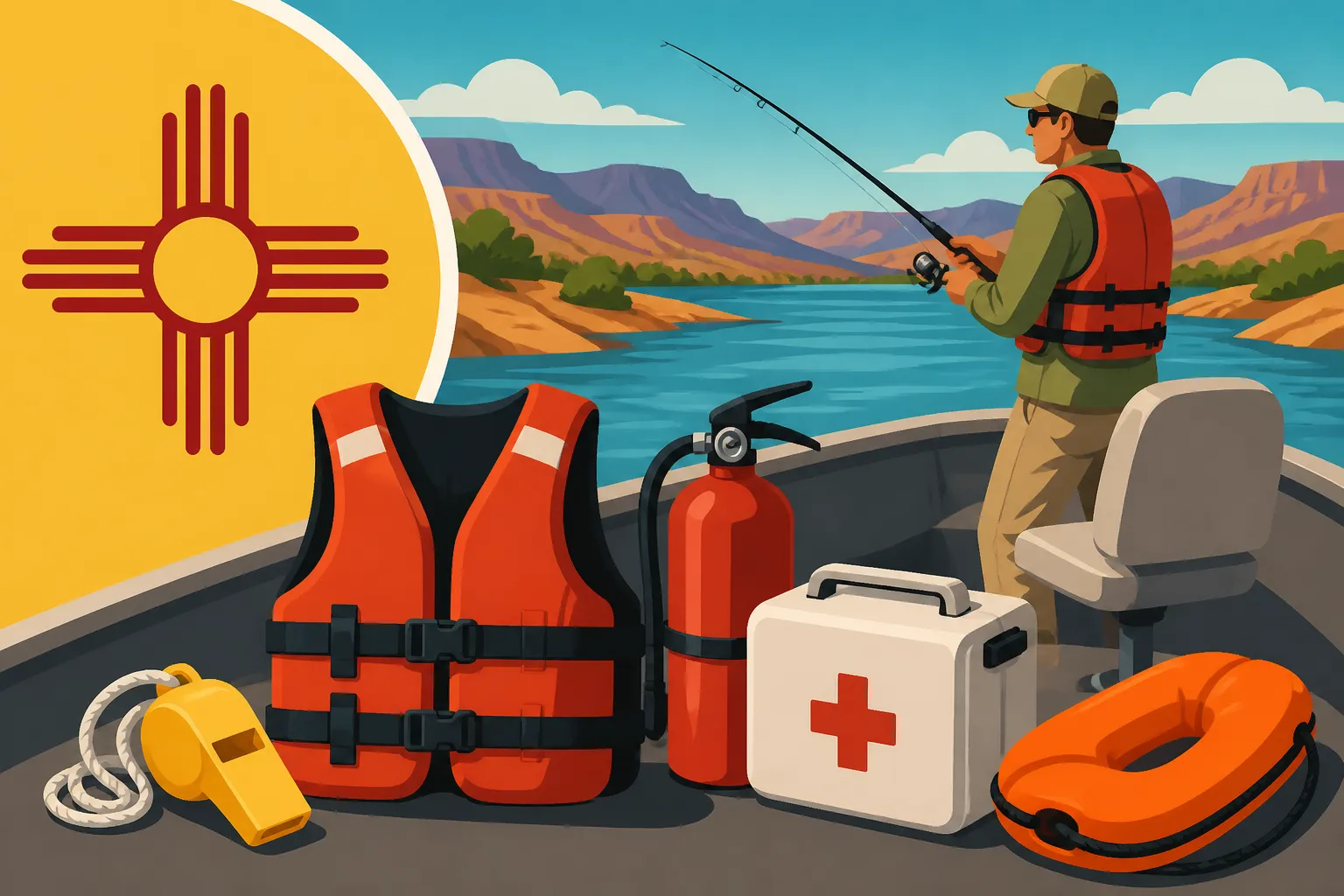
Hands down, PFDs—more commonly known as life jackets or life vests—are the single most critical piece of safety equipment you'll need. New Mexico regulations, like those across the country, are very clear about PFDs. Every vessel must have at least one wearable U.S. Coast Guard-approved PFD for each person onboard. That means if you're taking your family of four out on Conchas Lake, you need four life jackets. It's not enough to have them stored away in a compartment; they must be readily accessible, meaning you can get to them quickly in an emergency. If you’re bringing kids along, children 12 years of age and younger must wear a PFD at all times when underway on any vessel. This is a huge one, and it's enforced strictly. Imagine a sudden lurch or an unexpected wave – a child without a PFD can quickly be in serious trouble. Furthermore, always check that PFDs fit properly. A PFD that’s too big can ride up around a person’s ears, and one that’s too small won't offer enough flotation. For more details on this crucial requirement, check out Life Jacket Requirements for New Mexico Boaters.
Visual Distress Signals VDS
While not always explicitly required for every single type of vessel on all New Mexico waters, visual distress signals become crucial once you venture onto certain larger bodies of water, particularly at night. For example, if you're out on the expansive Elephant Butte Lake after sunset, or even during the day in certain conditions, you'll need approved visual distress signals. These signals help other boaters and rescue personnel locate you if you become stranded or are in distress. Common VDS types include:
- Flares: Both aerial and handheld flares are effective, with aerial flares (like meteor or parachute flares) visible from a greater distance. They come in various colors, but red signifies distress. Remember, flares have expiration dates, so make sure yours are current!
- Flags: A bright orange signal flag with a black square and circle (like the "Oscar" flag) is a daytime visual distress signal.
- Lights: A flashing strobe light or a lantern capable of displaying a white light visible for at least two miles can serve as a night VDS.
The specific requirement often depends on the size of your vessel and the time of day you're operating. For example, smaller vessels often have exemptions for daytime use on certain inland waters, but it's always safer to carry them, especially if you plan to be out when visibility might be reduced.
Sound-Producing Devices
Every vessel, from a tiny kayak to a large pontoon boat, needs to have some form of sound-producing device. This isn't just for emergencies; it's a critical tool for communicating with other vessels and signaling your intentions or position in low visibility. Imagine navigating through a thick fog that rolls in suddenly on Navajo Lake, or trying to alert another boat that's on a collision course. A simple whistle works for smaller boats, while larger vessels typically require a horn or a bell.
- Whistles: A plastic or metal whistle that produces a clear, loud sound is sufficient for canoes, kayaks, and small motorboats. It's cheap, effective, and easy to carry. Keep it attached to your PFD so it's always within reach.
- Horns or Bells: Larger powerboats and sailboats usually need a horn (either manual or powered) that can produce an audible signal for at least half a nautical mile. A bell might also be required on vessels 65.6 feet or more in length, though most recreational anglers won't be operating vessels of that size.
The key is that the device must be capable of producing a prolonged blast for signaling purposes. Don't rely on your voice alone; wind and water noise can easily drown it out.
Fire Extinguishers
Fire on a boat, especially a smaller vessel, can escalate terrifyingly fast, often due to fuel or electrical issues. If your boat has an inboard engine, enclosed fuel compartments, or permanent fuel tanks, you must carry a U.S. Coast Guard-approved marine-type fire extinguisher. This isn't optional; it's a legal requirement designed to give you a fighting chance against an onboard blaze.
The number and type of extinguishers depend on the size of your vessel and whether it has a fixed fire extinguishing system. For most recreational fishing boats, a B-I type extinguisher is usually sufficient. These are designed for flammable liquid and electrical fires. Make sure your extinguisher is fully charged, easily accessible (not buried under tackle boxes), and regularly checked. Imagine the horror of a fuel leak catching fire, and your extinguisher is empty or can't be reached in time. For specific guidance on this, consider checking out information related to Is a Fire Extinguisher Required on New Mexico Boats?.
Navigation Lights
If you plan to operate your vessel between sunset and sunrise, or during periods of restricted visibility (like fog or heavy rain), proper navigation lights are absolutely essential. These lights tell other boaters your position, direction of travel, and whether you are anchored. Without them, you are practically invisible in the dark, creating a huge collision risk.
- Power-driven vessels: These typically require a masthead light (white, visible 360 degrees, or 225 degrees forward), sidelights (red for port, green for starboard, visible 112.5 degrees), and an all-around white stern light. The configuration varies slightly with boat length.
- Sailboats: When under sail, they require sidelights and a stern light. If under power (even with sails up), they must show the same lights as a power-driven vessel.
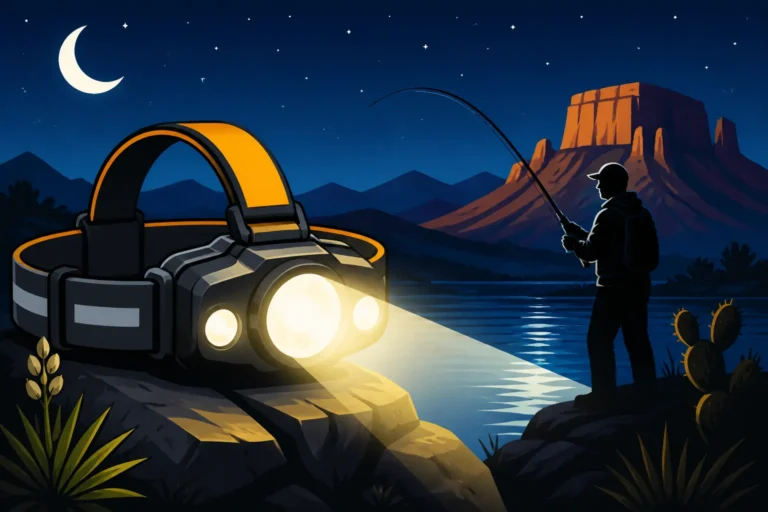
- Manually propelled vessels (kayaks, canoes): While they don't have to display navigation lights as complex as larger boats, they must have a white light readily available to display in time to prevent a collision. This could be a flashlight or an all-around white lantern. If you're paddling your canoe at night, a simple, bright headlamp can act as your "readily available" white light.
Always check that your lights are functioning before heading out, especially if you plan to be on the water near dusk. Wiring issues and burnt-out bulbs are common culprits for non-compliance.
Specific Requirements and Recommended Gear by Vessel Type
While there are universal requirements, certain types of vessels or activities in New Mexico have additional or slightly different rules. It's also smart to go beyond the bare minimum for enhanced safety.
Smaller Vessels: Kayaks, Canoes, Paddleboards
Many anglers love the quiet approach of a kayak or canoe, or the unique perspective from a stand-up paddleboard, for reaching those pristine fishing spots. While these smaller, manually propelled vessels might seem exempt from many rules, they still have crucial safety requirements. The biggest one, as mentioned, is the PFD for every person onboard, readily accessible, and worn by anyone 12 and under. Additionally, if you're out after dark or in low visibility, you must have a white light to display to prevent collisions. This means a powerful flashlight or a simple battery-powered lantern. While not legally required, carrying a sound-producing device (like a whistle attached to your PFD) is highly recommended for these craft for communication and distress signaling. Also, consider a small anchor to hold position, and a bilge pump or sponge for bailing out water, especially if you take on a wave. Personal Flotation Device Rules for Paddle Boards offers more information on this.
Motorized Vessels
Any vessel propelled by machinery, regardless of size, falls under the motorized vessel category and has more stringent requirements. In addition to the universal PFDs, sound-producing device, and navigation lights (if operating at night), motorized boats generally need a fire extinguisher. The type and number depend on the vessel's length and construction, as discussed previously. If your boat has an engine, it's wise to carry spare parts like spark plugs, a basic tool kit, and extra fuel filters. Beyond the legal minimum, think about equipping your motorized vessel with a marine radio for communication, especially on larger lakes where cell service can be spotty. Remember, understanding New Mexico Boat Registration and Titling Guide is also key for motorized vessels.
Vessels 16 Feet and Over
Once your vessel hits 16 feet in length, you typically encounter additional requirements, specifically regarding visual distress signals. Any recreational vessel 16 feet or longer, used on coastal waters or the Great Lakes (though New Mexico is inland, these are federal guidelines often applied to large inland bodies of water), must carry U.S. Coast Guard-approved visual distress signals suitable for both day and night use. For smaller boats, this requirement might apply only at night. For practical purposes in New Mexico, assume if you're on a major reservoir like Elephant Butte, Navajo, or Conchas in a vessel 16 feet or larger, you'll need these VDS. Additionally, these larger boats often need a throwable PFD (Type IV). This is a cushion or ring buoy designed to be thrown to someone who has fallen overboard, providing extra buoyancy while they await rescue. It doesn't count toward your wearable PFD count, but it's a vital piece of safety gear. For example, if you have four people on board, you'd need four wearable PFDs plus one throwable.
Additional Recommended Gear for Safer Boating
While the state mandates certain items, smart anglers know that going beyond the legal minimum can dramatically improve safety and enjoyment on the water. These items might not earn you a fine if you don't have them, but they could save your trip – or even your life.
Anchors and Anchor Lines
Having an anchor isn't always a legal requirement, but it's an incredibly practical piece of gear. Imagine trying to hold your position in a strong wind while fishing a productive spot on Heron Lake, or needing to wait out a sudden thunderstorm. An anchor can also be crucial in an emergency, preventing your boat from drifting into hazards if your engine fails. Ensure your anchor is appropriately sized for your boat and the bottom conditions you typically encounter, and carry enough anchor line (rode) – usually 7-10 times the depth of the water you'll be anchoring in. It’s also wise to have a short length of chain between the anchor and the rope for better holding power.
First-Aid Kits
A basic first-aid kit is an absolute must. Minor cuts from hooks, scrapes from rocky shorelines, sunburn, or even allergic reactions can quickly spoil a trip if you're not prepared. A well-stocked kit should include bandages, antiseptic wipes, pain relievers, anti-itch cream, tweezers, and any personal medications you might need. Consider adding items specific to fishing, like super glue for quick skin closures (for minor cuts only, of course) and a hook remover. You can pick up a decent marine first-aid kit at stores like Bass Pro Shops or put one together yourself.
Tools and Spare Parts
Having a small, waterproof tool kit can be a lifesaver. Simple issues like a loose battery connection, a clogged fuel filter, or a propeller nut coming loose can leave you stranded. Your kit should include a multi-tool, screwdriver set, pliers, duct tape, electrical tape, a spare prop nut and cotter pin, and a spare fuse assortment. If you have an outboard motor, knowing how to change a spark plug and having spares could get you back to the ramp. For longer trips, consider a small container of oil and some zip ties.
Communication Devices
Cell phones are great, but service can be unreliable in many remote New Mexico fishing locations, especially in canyons or on large lakes away from towns. A marine VHF radio is an excellent investment for larger boats, allowing you to communicate with other vessels and summon help from the Coast Guard (or local rescue agencies) in an emergency. For smaller craft, a fully charged portable battery bank for your cell phone is a good idea. Even a simple whistle or air horn (which is mandatory anyway) can be a crucial communication device to alert nearby boaters if you're in distress.
Paddles or Oars
Even if you have a powerful motor, carrying at least one paddle or a set of oars is incredibly smart, especially for smaller motorized vessels. Engine trouble can strike at any time, leaving you adrift. A paddle can help you slowly maneuver to safety, get away from hazards, or simply propel you back to the nearest boat ramp without having to call for a tow. It’s a simple, low-tech solution that provides peace of mind.
Acquiring and Maintaining Your Safety Gear
Once you know what you need, the next step is getting it and keeping it in good working order. Don't just buy it and forget it; safety gear needs regular attention.
Online vs. In-Store Options
You have plenty of options for purchasing your required boat safety gear. Online retailers like Amazon offer a vast selection, often at competitive prices, with the convenience of direct delivery. You can easily find PFDs, flares, whistles, and fire extinguishers with just a few clicks. However, it's crucial to read reviews and ensure products are U.S. Coast Guard-approved where applicable.
For those who prefer a more hands-on approach or need expert advice, marine supply stores or larger outdoor retailers like Bass Pro Shops are excellent resources. Here, you can physically try on PFDs to ensure a proper fit, ask staff about specific New Mexico regulations, and compare different brands and features. They often have dedicated marine sections with all the necessary safety equipment. For specialized items like marine-grade fire extinguishers or specific navigation lights, these stores often stock higher-quality, more durable options.
Checking for US Coast Guard Approval
This is paramount: for items like PFDs, fire extinguishers, and visual distress signals, always look for the U.S. Coast Guard approval stamp. This certification means the item has met rigorous safety standards and is legally acceptable for use on U.S. waters. Without this approval, even if an item looks similar, it might not be compliant, potentially leading to a fine or, worse, failing when you need it most. Regularly inspect your gear for wear and tear, and check expiration dates, especially on flares and fire extinguishers. PFDs can become waterlogged or degraded by sun exposure, losing their buoyancy over time, so give them a squeeze and check the straps and buckles annually. An annual safety check of all your gear, perhaps at the start of the New Mexico fishing season, can save you a lot of grief. It’s a small amount of time to invest for a huge return in safety and peace of mind.
Disclaimer
This article is for general informational purposes only and does not constitute professional advice. Laws, prices and regulations vary by location and change over time. Consult a qualified professional for guidance on your specific situation.