Best Headlamp Brightness for Night Catfishing
There's nothing quite like the peace and anticipation of night fishing under the vast, starlit New Mexico sky. But let's be honest, trying to tie a tiny knot, bait a hook, or even just find your tackle box in the pitch black can turn that tranquil experience into a frustrating tangle faster than you can say "snagged line." Many anglers just grab whatever flashlight they have lying around, or worse, try to rely on their phone, only to realize too late that proper hands-free illumination is crucial for success and safety after sundown. This comprehensive guide will illuminate the nuances of headlamp brightness, helping you select the perfect lumens for your night catfishing adventures, ensuring you can see what you're doing without spooking your quarry or straining your eyes.
Understanding Lumens and Their Impact on Night Vision
When you start looking at headlamps, the first thing you'll notice is a number followed by "lumens." In simple terms, lumens measure the total amount of visible light produced by a source. The higher the lumen count, the brighter the light. But for night catfishing, "brighter is always better" isn't necessarily the golden rule. In fact, too much brightness at the wrong time can actually be detrimental to your night vision and spook fish. It's about finding that sweet spot and having versatility.
The Science of Seeing in the Dark
Our eyes are incredible adaptable organs, but they need time to adjust to low light. This process, called dark adaptation, can take anywhere from 20 to 30 minutes, or even longer, for your eyes to reach their peak sensitivity. When you blast a super-bright white light directly into that painstakingly achieved night vision, you're essentially resetting the clock. Imagine finally being able to discern the silhouette of a tree line or the subtle ripple of a feeding catfish, only to have it vanish into blinding glare when you click on an overpowered headlamp. It’s a common frustration, especially when fishing a quiet pond or a slow-moving river where subtlety is key to success when you're How to Catch Channel Catfish at Night.
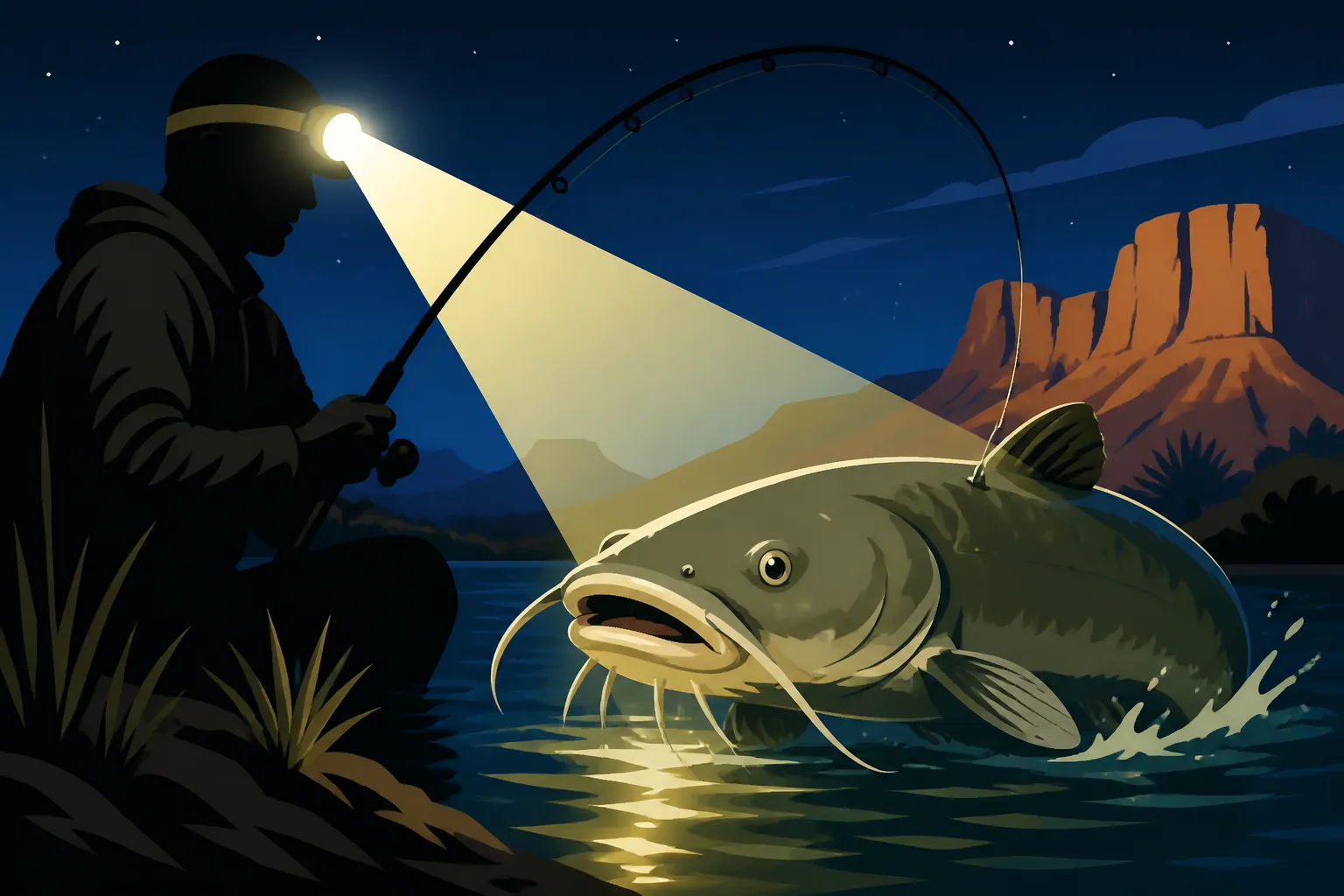
Moreover, fish, especially catfish, are sensitive to light. While they primarily hunt by smell and feel at night, a sudden, bright beam shining directly on the water can definitely make them wary and send them scattering. You want enough light to perform your tasks, but not so much that you turn your fishing spot into a floodlit stage.
Lumen Ranges for Different Tasks
Thinking about headlamp brightness isn't a one-size-fits-all approach for night catfishing. Different activities require different levels of illumination. A good headlamp will offer multiple brightness settings, allowing you to switch between them as needed.
Consider this breakdown:
| Task / Activity | Recommended Lumen Range | Key Considerations |
|---|---|---|
| Close-Up Tasks (Tying Knots, Baiting Hooks) | 5-30 Lumens | Low glare, preserves night vision, adequate detail for small tasks. |
| Walking Shoreline / Trail | 50-150 Lumens | Good peripheral vision, illuminates obstacles, comfortable for walking. |
| Spotting Bobbers / Fish Activity | 100-300 Lumens | Penetrates surface glare, highlights subtle movements, adjustable focus. |
| Long-Distance Search / Emergency | 300+ Lumens | Illuminates far distances, ideal for scanning open water or finding lost gear. |
When you're dealing with delicate tasks like rigging up a new leader or sorting through a box of tiny hooks, a subtle 10-20 lumen setting is usually more than enough. Anything brighter will create unnecessary glare on your hands and potentially diminish your ability to see what's happening just beyond your immediate workspace. On the other hand, if you're trying to locate a specific spot on the far bank or scan for incoming wildlife, a higher lumen count becomes invaluable. Versatility is truly the name of the game, and having a headlamp that allows you to easily adjust its output is crucial. Many anglers find quality options from trusted brands that you can find at places like Bass Pro Shops or even a wide selection on Amazon, often with clear lumen specifications.
Choosing the Right Headlamp for New Mexico Catfishing
Beyond just lumens, there are several other critical factors to consider when selecting a headlamp for your nocturnal angling adventures. A headlamp isn't just a light source; it's a piece of essential gear that needs to stand up to the elements and perform reliably when you need it most.
Beam Type: Flood, Spot, or Both?
Headlamps typically offer different beam patterns, and understanding these is key to effective use.
- Flood Beam: This wider, diffused light is excellent for close-up tasks like sorting tackle, baiting hooks, or reading your fishing license. It illuminates a broad area, reducing shadows and making it easy to see everything in your immediate vicinity. This is your go-to for most of the detailed work right at your feet or on your lap.
- Spot Beam: A narrower, more focused beam designed to penetrate further into the darkness. This is ideal for scanning the water for ripples, watching your bobber from a distance, or looking for landmarks along the shore. A good spot beam can help you identify potential snags or even spot the tell-tale splash of a feeding catfish across the lake.
- Combination Beam: Many modern headlamps offer both flood and spot modes, or even a blend of the two, which is often the most practical choice for anglers. Being able to switch between a wide flood for knot-tying and a focused spot for bobber-watching without changing devices is incredibly convenient.
Think about the varied situations you encounter during a typical night out. You might be walking a dark trail to your favorite Fishing Spots for Night Fishing in New Mexico, then setting up camp, then actively fishing. Each stage benefits from a different beam.
Red Light Mode: The Angler's Secret Weapon
If there's one feature that truly separates a good fishing headlamp from a mediocre one, it's a dedicated red light mode. Red light has a much lower impact on your dark adaptation than white light. When you switch to red light, your pupils don't constrict as much, allowing you to maintain your night vision while still having enough illumination for those quick, close-up tasks.
Using a red light for baiting your hook, checking your line, or glancing at your watch means your eyes won't have to readjust to the darkness every time you need light. It’s also far less likely to spook fish than a harsh white beam. Many experienced night anglers swear by red light, reserving white light only for emergencies or when maximum illumination is absolutely necessary. It's an indispensable tool for maintaining stealth and comfort during long stretches of waiting.
Battery Life and Power Source
The last thing you want in the middle of a productive night of catfishing is your headlamp dying. Battery life is paramount. Look for models that offer extended runtimes on their lower settings, as those are the ones you'll use most often.
Headlamps typically use either disposable alkaline batteries (AA or AAA) or rechargeable lithium-ion batteries.
- Disposable Batteries: Easy to replace in the field, readily available. The downside is that they contribute to waste and can be more expensive over time if you fish frequently. Always carry spares, especially when you're out for an extended New Mexico Night Fishing Guide.
- Rechargeable Batteries: More environmentally friendly and cost-effective in the long run. Many now feature USB charging, making it convenient to top them off in your vehicle or with a portable power bank. The main drawback is that if the battery dies, you need a charging source, not just a fresh set of AAAs. Some higher-end models offer hybrid options, allowing you to use either rechargeable or disposable batteries, providing the best of both worlds.
When evaluating battery life, pay attention to the manufacturer's stated runtimes for each brightness setting, not just the maximum output, which often has a significantly shorter duration.
Durability, Water Resistance, and Comfort
New Mexico weather can be unpredictable, even at night. You'll likely encounter dew, light rain, or accidental splashes. Look for a headlamp with a good Ingress Protection (IP) rating, like IPX4 (splash resistant) or higher, to ensure it can withstand the elements. An IPX7 rating means it can be submerged for a short period, which offers peace of mind if it accidentally takes a dip.
Beyond water resistance, a headlamp needs to be durable enough to handle the bumps and drops that come with fishing. A rugged casing will protect the delicate electronics inside.
Finally, comfort is key, especially if you plan on wearing it for hours. Look for:
- Adjustable Strap: Ensures a snug fit for various head sizes and over hats.
- Lightweight Design: Prevents neck strain and discomfort.
- Padded Forehead Plate: Adds comfort, especially if the light unit is heavier.
A comfortable headlamp makes a world of difference when you're focusing on your line or patiently waiting for a bite at Elephant Butte Lake Fishing Guide. You shouldn't even notice it's there.
Practical Applications: Headlamp Use on the Water
Having the right headlamp is one thing; using it effectively is another. There are a few unwritten rules and best practices that seasoned night anglers swear by to maximize their success and enjoyment.
Minimizing Light Spill and "Spook Factor"
When you're out there under the stars, any artificial light is a beacon. While you need to see, you also want to avoid shining bright white light directly onto the water or broadly across the area where you expect fish to be.
- Angle Your Head Down: When performing tasks, keep your head angled downwards so the light illuminates only your hands and immediate work area, not the water itself. This is where a comfortable, lightweight headlamp really shines, as you can easily make these subtle adjustments.
- Use Red Light First: As discussed, always default to your red light mode for routine tasks. It’s less disruptive to fish and fellow anglers.
- Shield the Beam: If you need white light for a moment, cup your hand over the lens to direct the beam, acting like a dimmer switch. This reduces the spread and intensity.
- Communicate with Fellow Anglers: If you're fishing with friends, establish a "light etiquette." Let them know before you click on a bright white beam, especially if they're trying to watch their lines. A sudden flash can ruin everyone's night vision.
Remember, catfish are drawn by scent, but they are still visual creatures to some extent, and a sudden bright light can send them deeper or away from your bait. The goal is to be a ghost in the night, moving and working with minimal disruption.
Essential Features Beyond Brightness
While lumens are important, the overall functionality of your headlamp depends on a suite of features.
Adjustable Tilt Mechanism
A headlamp with an adjustable tilt allows you to direct the beam precisely where you need it without craning your neck. This is incredibly useful for scanning different areas of the water or for tasks performed at various heights. Imagine trying to tie a knot while the headlamp beam is stubbornly fixed at the horizon – it's an exercise in frustration. Most quality headlamps, whether you pick them up at a local sporting goods store or order online from Amazon, will have this crucial feature.
Easy-to-Use Controls
Fumbling with tiny, stiff buttons in the dark is no fun, especially with cold fingers or while wearing gloves. Look for headlamps with large, intuitive buttons that are easy to locate and operate without having to remove the lamp or resort to trial and error. Some even have a single button that cycles through modes and brightness settings efficiently.
Durable Materials and Construction
The New Mexico outdoors can be tough on gear. Your headlamp should be built to last. Look for robust plastics or aluminum bodies that can withstand accidental drops or being bumped around in your tackle box. Gaskets around battery compartments and seals around lenses are signs of good water resistance and overall durability. It's a small investment that protects you from having to buy a new one every season. You want something that will endure all your New Mexico Fishing Season Dates and Limits.
Headlamp Maintenance for Longevity
Like all your fishing gear, a little care goes a long way in extending the life of your headlamp.
- Clean After Use: If you've been in dusty or muddy conditions, wipe down your headlamp with a damp cloth. Saltwater environments (though less common for catfishing in New Mexico) require a rinse with fresh water.
- Check Batteries: For disposable batteries, remove them if you won't be using the headlamp for an extended period to prevent corrosion. For rechargeable models, try to store them with a partial charge (around 50-70%) to maximize battery health, rather than fully charged or completely depleted.
- Inspect the Strap: Over time, straps can stretch or fray. Check for wear and tear, and clean them as needed. Most straps are removable and can be hand-washed.
- Store Properly: Keep your headlamp in a dry, cool place, ideally in your tackle bag or Best Coolers for Keeping Fish Fresh in New Mexico if it's going to be in a hot car, where extreme temperatures can degrade battery performance.
By following these simple maintenance tips, your chosen headlamp, whether a high-performance model from Bass Pro Shops or a reliable budget option from Amazon, will serve you faithfully for many night fishing trips to come. Having a reliable headlamp is just as important as knowing Best Bait for Catfish in New Mexico Rivers for a successful night on the water.
Comparing Headlamp Options for the New Mexico Angler
With so many choices out there, narrowing down the perfect headlamp can feel daunting. Let's look at a hypothetical comparison of different types of headlamps you might encounter, keeping the catfishing experience in mind.
| Feature | Basic Economy Headlamp (e.g., store brand) | Mid-Range Angler-Focused Headlamp (e.g., Energizer, Black Diamond) | High-Performance Tactical/Outdoor Headlamp (e.g., Fenix, Petzl) |
|---|---|---|---|
| Max Lumens | 50-150 Lumens | 200-500 Lumens | 500-1500+ Lumens |
| Min Lumens | Often 1 fixed low mode (e.g., 20) | 5-10 Lumens (multiple low settings) | 1-5 Lumens (ultra-low "moonlight" mode) |
| Beam Type | Simple Flood or Spot | Flood & Spot (often adjustable) | Advanced Flood/Spot, Reactive Lighting, Red/Green/Blue options |
| Red Light | Rarely | Often included | Always included, sometimes with strobe/SOS |
| Battery Type | Disposable Alkaline (AAA) | Disposable or Rechargeable (AA/AAA/Li-ion) | Rechargeable Li-ion (often proprietary or USB-C) |
| Battery Life (Low) | 4-8 hours | 15-50+ hours | 50-200+ hours |
| Water Resistance | Basic Splash (IPX2-IPX4) | Good (IPX4-IPX6) | Excellent (IPX7-IPX8) |
| Durability | Entry-level plastics | Durable plastics, some aluminum | Aircraft-grade aluminum, impact resistant |
| Comfort | Basic elastic strap | Comfortable, adjustable elastic strap | Ergonomic design, often with top strap for stability |
For most New Mexico night catfishing trips, a mid-range, angler-focused headlamp is going to hit that sweet spot of features, durability, and cost. It offers enough versatility with lumen settings, the crucial red light mode, and decent battery life without being overkill. However, if you're venturing into more remote areas, or anticipate extreme conditions, investing in a high-performance model certainly pays off for its reliability and advanced features. Brands like Black Diamond, Petzl, and Fenix are widely available and well-regarded for their outdoor lighting solutions, often found on Amazon or specialized outdoor retailers.
Choosing the right headlamp brightness and features for your New Mexico night catfishing adventures will dramatically improve your experience. It's not just about seeing; it's about seeing effectively, safely, and without disturbing the serene nocturnal environment that makes night fishing so special. A carefully chosen headlamp becomes an extension of your angling prowess, helping you land those big cats even after the sun dips below the horizon.
Disclaimer
This article is for general informational purposes only and does not constitute professional advice. Laws, prices and regulations vary by location and change over time. Consult a qualified professional for guidance on your specific situation.