Do Kayaks Need Life Jackets in New Mexico?
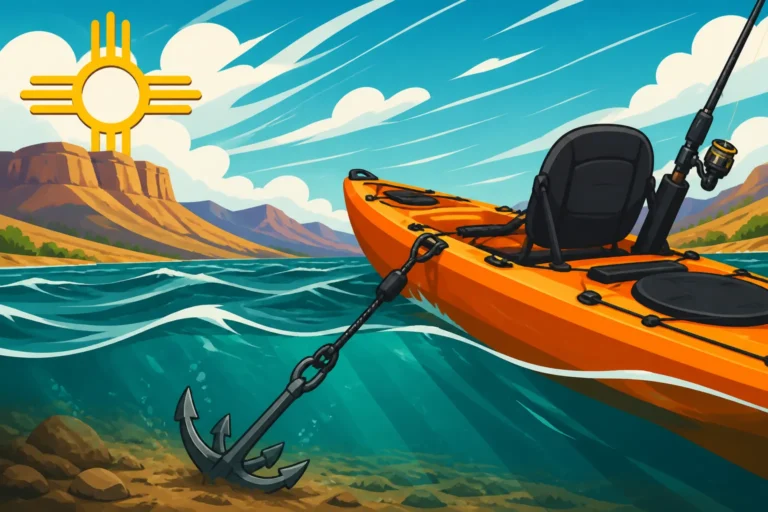
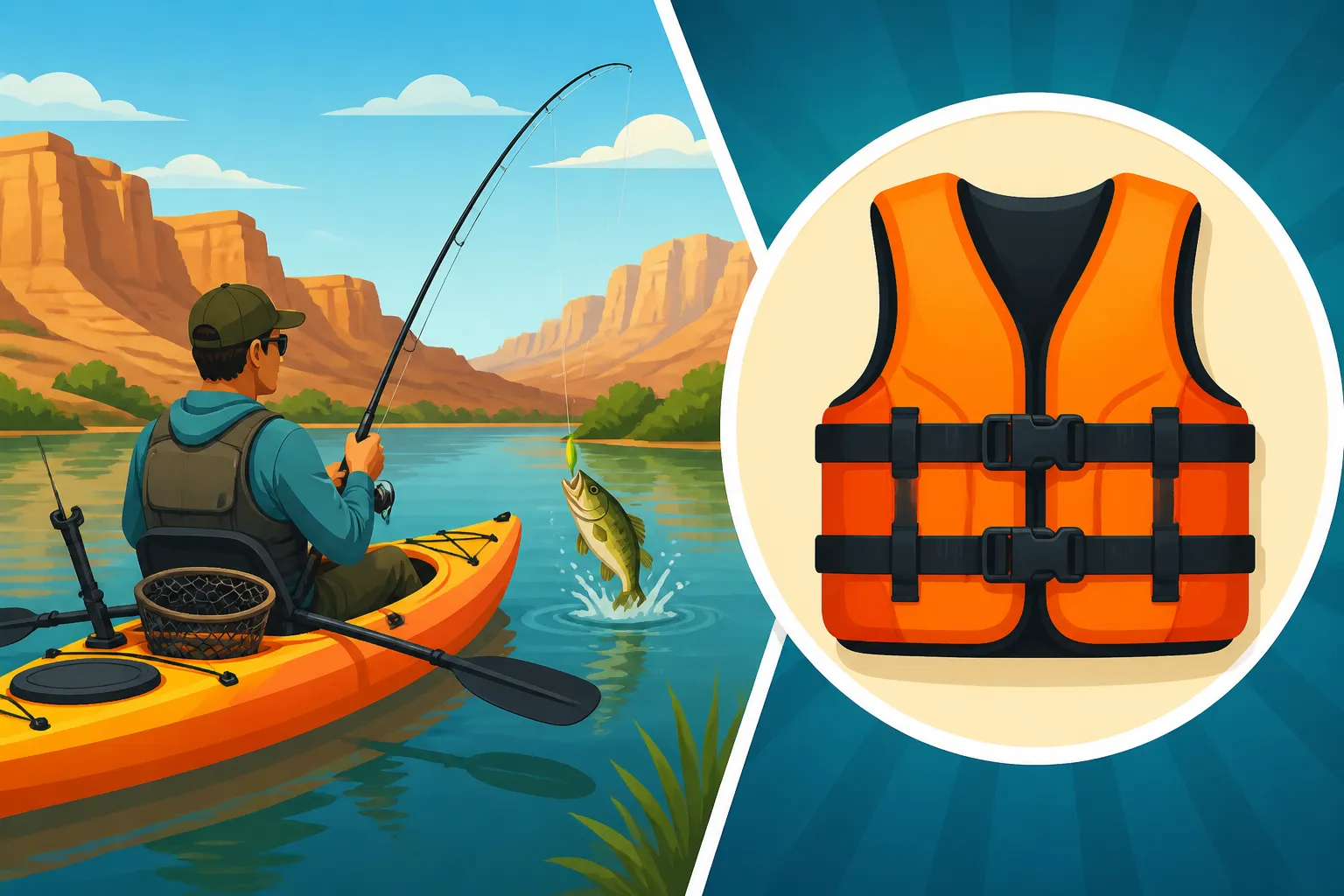
It’s a beautiful day in New Mexico, and you’re dreaming of gliding across the calm waters of a lake, maybe Navajo or Heron, in your kayak, casting a line for some kokanee salmon. You’ve got your paddle, your fishing rod, and a sense of adventure, but then a little voice whispers, "Do I really need to wear a life jacket? What are the rules for kayaks in New Mexico?" It's a common, completely valid question, and the last thing anyone wants is a fine or, worse, an accident on the water. This guide will cut through the confusion and clarify exactly what New Mexico's regulations say about life jackets for kayaks, ensuring your time on the water is both legal and safe.
Understanding New Mexico's PFD Laws for Kayaks
Navigating the rules and regulations around personal flotation devices (PFDs), more commonly known as life jackets, can sometimes feel like trying to tie a new knot in the dark. You know it’s important, but the specifics can be a bit murky. For kayakers in New Mexico, it's crucial to understand that both state and federal laws come into play, especially since many of our beloved lakes and rivers are considered federally navigable waterways. The overarching principle is simple: safety first, and the law agrees.
The General Requirement: Every Kayak Needs a PFD
Let’s get straight to it: Yes, every kayak operating on New Mexico waters must have at least one U.S. Coast Guard-approved PFD on board for each person. This isn't just a suggestion; it's a non-negotiable legal requirement. It doesn't matter if you're an Olympic-level swimmer, if you're only paddling a few feet from shore, or if the water is as still as glass; the rule applies. Think of it like wearing a seatbelt in your car – it's there for your safety, even if you never expect to need it.
This rule is designed to provide immediate flotation in an emergency. A kayak can capsize quickly and unexpectedly, even in calm water, or you might find yourself in an unfamiliar situation far from shore on a larger body of water like Elephant Butte Lake. Having a readily accessible PFD can be the difference between a minor mishap and a serious incident. So, before you even think about pushing off from the bank, do a quick headcount and make sure there's a PFD for everyone aboard.
Age-Specific Wearing Requirements
While every person on a kayak needs a PFD available, there are specific rules about who must wear it. This is where New Mexico's regulations get a little more detailed, and it's particularly important for families or anyone paddling with younger companions.
In New Mexico, children 12 years of age and younger are legally required to wear a U.S. Coast Guard-approved PFD at all times while on any vessel, including kayaks, canoes, or stand-up paddleboards, whenever the vessel is underway. "Underway" essentially means not at anchor, moored, or aground. This rule is absolute, with no exceptions for swimming ability or water depth. Imagine you’re enjoying a quiet afternoon fishing at a smaller spot like Bill Evans Lake with your kids. Even if they're just sitting in the kayak, dangling their feet in the water, they must have their PFD securely fastened. As a parent or guardian, you're responsible for ensuring compliance. Not only is it the law, but it’s a vital layer of protection for our youngest anglers and paddlers. For more detailed rules, you can consult the New Mexico Fishing Regulations Overview.
Now, for adults and those over 12, while you aren't legally mandated to wear your PFD at all times, it is highly, highly recommended. Having it merely "on board" means it's accessible but not necessarily on your body. In a sudden capsize, especially in cold water or if you hit your head, finding and donning a PFD in the water can be incredibly difficult, if not impossible. Many seasoned kayakers will tell you that the safest PFD is the one you’re wearing.
Federal vs. State Regulations: What You Need to Know
The waters we paddle and fish in New Mexico often fall under federal jurisdiction, which means U.S. Coast Guard regulations apply in addition to state laws. Luckily, New Mexico's boating laws are largely harmonized with federal requirements, making compliance simpler. The core federal requirement mirrors the state's: one readily accessible, U.S. Coast Guard-approved PFD for every person on board, and children 12 and under must wear it.
It's important to remember that these regulations are in place for a reason. They're not just bureaucratic hurdles; they are proven life-saving measures. Imagine being caught in a sudden windstorm on Navajo Lake or encountering unexpected rapids on the Rio Grande. Without a PFD, even strong swimmers can quickly become overwhelmed. Staying informed about regulations is part of being a responsible boater and angler. Always check the current regulations annually, as rules can sometimes be updated.
Types of Life Jackets and Their Suitability for Kayaking
When you start looking for life jackets, you might be overwhelmed by the sheer variety available. It’s not just a "one size fits all" situation, and understanding the different types of PFDs (classified by Type I through V) is key to choosing the right one for your kayaking adventures in New Mexico. The goal is to find a PFD that is US Coast Guard approved, fits properly, and is comfortable enough to wear consistently.
US Coast Guard Approval and PFD Types
Every PFD you consider for legal compliance must be U.S. Coast Guard approved. This certification means it meets rigorous safety standards. You'll usually see a label inside the jacket confirming its approval and stating its "Type." Here's a quick rundown of the most common types and how they relate to kayaking:
- Type I (Off-Shore Life Jackets): These are the most buoyant PFDs, designed to turn an unconscious person face-up in the water. They're bulky and best suited for rough, open, or remote waters where rescue might be delayed. For most casual kayaking on New Mexico's lakes, a Type I is overkill and can be cumbersome.
- Type II (Near-Shore Buoyant Vests): These are also designed to turn some unconscious wearers face-up. They're less bulky than Type I and suitable for calm, inland waters or where a quick rescue is likely. While better than Type I for kayaking, they can still feel a bit restrictive for active paddling.
- Type III (Flotation Aids): This is often the go-to for kayakers, canoers, and stand-up paddleboarders. Type III PFDs are designed for general recreational use on calm or inland waters where there's a good chance of a quick rescue. They prioritize comfort and freedom of movement, and are available in various styles like vest-style, fishing vests, or even belt packs. They will NOT turn an unconscious person face-up. This is a critical distinction. However, for an active kayaker, the comfort often encourages consistent wear, which is ultimately safer.
- Type IV (Throwable Devices): These are things like life rings or buoyant cushions. While they are PFDs, they do not count as the required PFD for each person on a kayak in New Mexico. They are meant as supplemental flotation to throw to someone in distress. You still need a wearable PFD for everyone.
- Type V (Special Use Devices): These are PFDs approved for specific activities or conditions, often combining elements of other types. Examples include paddling vests with integrated hydration packs, or work vests. They must be worn to be considered legal. Many modern kayaking-specific PFDs fall into this category, offering features like large pockets for gear, high-back designs to clear kayak seats, and reflective accents.
For recreational kayaking and fishing in New Mexico, a Type III or Type V PFD designed for paddling is usually the best choice. These offer the right balance of buoyancy, comfort, and maneuverability. You can find a great selection of these at outdoor retailers like Bass Pro Shops or even online at Amazon, offering specialized designs for kayakers.
| PFD Type | Description | Buoyancy (Approx.) | Self-Righting | Best Use for Kayaking in NM |
|---|---|---|---|---|
| Type I | Offshore Life Jacket, high buoyancy | 22 lbs | Yes | Seldom, too bulky for most kayaking; perhaps very remote, rough water. |
| Type II | Near-Shore Buoyant Vest, good buoyancy | 15.5 lbs | May turn | Good for calm water; can be restrictive for active paddling. |
| Type III | Flotation Aid, designed for comfort, general use | 15.5 lbs | No | Excellent for most recreational and fishing kayaking. |
| Type IV | Throwable Device (cushion, ring) | 16.5 lbs | N/A | Does NOT count as a wearable PFD for kayaks. |
| Type V | Special Use Device (must be worn) | Varies | Varies | Excellent for specific paddling needs, often activity-specific. |
Choosing the Right PFD for Comfort and Function
Choosing a PFD isn’t just about meeting legal requirements; it’s about choosing a piece of safety equipment that you’ll actually wear. An uncomfortable PFD is often an unworn PFD.
- Fit is Paramount: A PFD should fit snugly but allow for full range of motion. It shouldn't ride up around your ears when you lift your arms or try to sit down in your kayak. If it's too loose, it can slip off in the water or impede swimming. For kids, ensure they have a PFD designed for their weight range and that it can be cinched down securely. Remember, children 12 and under must wear them, so a comfortable fit is essential to prevent them from taking it off.
- Kayak-Specific Designs: Many PFDs are now designed specifically for kayaking. These often feature thinner backs or high-back designs to prevent bunching against the seat of a sit-on-top or recreational kayak. They also tend to have larger armholes for unhindered paddling strokes and often include pockets for small gear, reflective piping for visibility, and attachment points for lights or whistles.
- Material and Ventilation: Consider the climate of New Mexico. Our summers can be scorching, so a PFD with good ventilation, breathable mesh, or lightweight materials can make a huge difference in comfort. Nobody wants to feel like they're baking in their PFD while paddling across a sunny lake like Conchas Lake.
- Color and Visibility: While not legally required, choosing a brightly colored PFD (yellow, orange, bright green) can significantly increase your visibility to other boaters, especially on large, busy reservoirs or in low-light conditions.
Taking the time to try on different styles and brands is highly recommended. Head to a store like Bass Pro Shops where you can try on various PFDs and simulate sitting in a kayak to check for comfort. An investment in a comfortable, well-fitting PFD is an investment in your safety and enjoyment on the water.
Ensuring PFD Compliance and Safety on New Mexico Waters
Once you understand the requirements and the types of PFDs available, the next step is ensuring you're always compliant and, most importantly, safe. It's not enough to just own a PFD; it needs to be in good condition, properly stored, and used correctly.
Proper Storage and Maintenance
A PFD is a piece of safety equipment, and like all safety gear, it needs to be maintained.
- Accessibility is Key: The law states PFDs must be "readily accessible." This means they can't be stowed away in a dry bag, under a pile of gear, or in a compartment that's difficult to open quickly. For kayakers, this often means the PFD is either being worn, or is secured to the deck bungees, or in an easily reachable open hatch. In an emergency, every second counts.
- Condition Matters: Your PFD needs to be in good, serviceable condition. This means no rips, tears, excessive fading, broken buckles, or straps. The flotation material inside should not be waterlogged or compressed, as this can reduce its buoyancy. Over time, sunlight and saltwater (if you also use it elsewhere) can degrade the material. Regularly inspect your PFDs, especially at the start of each fishing season or before a big trip to a new spot like the San Juan River. If a PFD is damaged or no longer provides adequate flotation, it's time to replace it. Think of it as a small cost to ensure your life jacket works when you truly need it.
- Drying and Cleaning: Always allow your PFD to air dry completely after use to prevent mold and mildew growth. Store it in a cool, dry place away from direct sunlight. Avoid using harsh chemicals for cleaning, which can degrade the fabric and flotation material.
Fitting Your PFD Correctly
Even the best PFD won't work if it doesn't fit right. A common mistake is wearing a PFD that's too loose.
- For Adults: Put the PFD on and fasten all zippers, buckles, and straps. Have a friend gently pull up on the shoulder straps. If the PFD moves up past your chin and ears, it's too loose or too big. You want a snug fit that allows you to breathe and move freely, but prevents it from riding up.
- For Children: This is even more critical. Children’s PFDs are sized by weight, not age, so always check the label. The "two-finger" rule is a good guideline: if you can fit more than two fingers between the child's shoulder and the PFD shoulder strap, it's too big. As with adults, have them lift their arms and gently pull up on the shoulder straps. The PFD should not ride up over their ears. A correctly fitting PFD for a child will feel snug and stay in place, crucial for when they are legally required to wear it. Many children's PFDs also include a crotch strap to prevent the jacket from riding up, which is an excellent feature for safety.
Remember, a PFD should be comfortable enough that you forget you're wearing it, especially if you're out for a long day of fishing. This comfort encourages constant wear, which is the safest approach for any kayaker, regardless of age.
Additional Safety Considerations with PFDs
Beyond basic compliance, there are a few extra tips for maximizing safety with your PFDs.
- Whistles and Lights: Attaching a whistle to your PFD is a smart move. In an emergency, shouting for help can quickly deplete your energy, especially if you're in the water. A whistle carries sound much further, alerting others to your location. A small, waterproof light or strobe can also be invaluable, particularly if you plan on New Mexico Night Fishing Guide or find yourself out later than expected.
- Water Temperature: New Mexico waters can be surprisingly cold, even in summer, especially in mountain lakes or tailwaters like the San Juan River. Cold water immersion is a serious risk. Wearing your PFD becomes even more critical in cold water, as it provides some insulation and helps you conserve energy by not having to tread water. It can also help you maintain body heat while you wait for assistance.
- Practicing in the Water: It might sound odd, but if you're new to kayaking or PFDs, try jumping into shallow water with your PFD on. This helps you understand how it feels to float, how buoyant it makes you, and how it affects your movement. It builds confidence and reduces panic if you ever unexpectedly find yourself in the water.
- Educate Your Passengers: If you're bringing others along, especially new kayakers, make sure they understand the importance of PFDs and how to properly wear them. A brief safety talk before launching can go a long way.
By taking these steps, you’re not just adhering to the letter of the law but embracing a culture of safety that makes New Mexico’s beautiful waterways more enjoyable for everyone.
Beyond the Basics: PFDs for Specific Kayaking Scenarios and Waters in New Mexico
New Mexico offers an incredible diversity of kayaking and fishing environments, from the vast, open expanses of Elephant Butte Lake to the narrow, winding stretches of the Rio Grande. Each environment can present unique challenges, and your PFD strategy might need to adapt accordingly.
Kayak Fishing: Comfort and Functionality
For kayak anglers, the PFD becomes more than just a safety device; it's part of the gear. Many PFDs are specifically designed with fishing in mind, offering features that enhance the fishing experience while still providing critical flotation.
- Pockets Galore: A good fishing PFD will have multiple pockets for tackle, a small first-aid kit, snacks, or even your fishing license. This keeps essential items within easy reach, so you don't have to rummage through your kayak hatches. This is especially handy when you're trying to quickly change a lure or secure a caught fish. You can find excellent fishing PFDs that integrate these features from brands like Bass Pro Shops.
- Tool Attachments: Look for PFDs with D-rings or attachment points for tools like line clippers, forceps, or a whistle. Keeping these items tethered to your PFD prevents them from sinking if dropped.
- High-Back Design: As mentioned, many fishing kayaks have high seats. A PFD with a high-back design prevents the PFD from bunching up uncomfortably, allowing you to lean back and paddle without constant adjustment.
- Hands-Free Options: Some PFDs are inflatable and designed to be less obtrusive, often looking like a belt pack. These automatically or manually inflate when needed. While convenient for experienced anglers who prefer minimal bulk, remember they often fall under Type V and must be worn to be compliant. They are generally not recommended for children or non-swimmers.
When planning your kayak fishing trip, whether it's for bass at Santa Rosa Lake or trout in a small mountain stream, consider how your PFD integrates with your fishing style and the gear you'll be carrying.
Cold Water and Remote Locations
New Mexico's high-country lakes and rivers, like those found in the Carson National Forest or near Taos, can have dangerously cold water, even in summer. This significantly increases the risk of hypothermia if you capsize.
- Wear Your PFD Always: In cold water, wearing your PFD at all times is not just recommended; it's a critical survival strategy. It provides immediate flotation, giving you precious seconds to react and potentially self-rescue, or at least keep your head above water without expending excessive energy. It also offers a thin layer of insulation.
- Layering: While your PFD helps, it's not a substitute for proper cold-weather gear. Layer your clothing appropriately, especially with synthetic materials or wool that retain insulating properties when wet.
- Visibility in Remote Areas: If you're venturing into remote areas where rescue might be delayed, consider a brightly colored PFD with reflective tape. The added visibility can make a difference if search and rescue teams are looking for you. For multi-day trips or very remote areas, you might even consider carrying an emergency signaling device, which could be attached to your PFD for easy access. Before heading out to these wild places, it’s a good idea to research New Mexico Habitat Stamp for Forest Service and BLM Land requirements.
Family Kayaking and Kids on Board
Kayaking is a fantastic family activity, and New Mexico has many calm lakes perfect for introducing kids to paddling and fishing. However, strict adherence to PFD rules is paramount.
- Lead by Example: If you have children 12 and under on board, they must wear their PFDs. The best way to encourage compliance is for adults to wear theirs too. Children are more likely to embrace safety rules when they see adults following them.
- Kid-Specific PFDs: Ensure children have PFDs designed for their weight, with a crotch strap to prevent them from slipping out. Look for bright colors to easily spot them in the water.
- PFD Drills: Make a game out of it. Practice putting on PFDs, checking the fit, and talking about what to do if the kayak tips. This reduces anxiety and builds confidence.
- Consider a Whistle: Teach children how to use a whistle attached to their PFD to signal for help. It’s a simple, effective tool they can easily use. Many parents find useful, reliable gear for their kids, including PFDs, on sites like Amazon, often with reviews that speak to comfort and durability for active youngsters.
Whether you're exploring the tranquil waters of a small pond or tackling the larger impoundments, understanding the nuances of PFD requirements and choosing the right gear is fundamental to a safe and enjoyable New Mexico fishing adventure. Don't let a simple misunderstanding about a life jacket turn a great day into a regrettable one.
Disclaimer
This article is for general informational purposes only and does not constitute professional advice. Laws, prices and regulations vary by location and change over time. Consult a qualified professional for guidance on your specific situation.