Best Tackle Backpack for Bank Fishing
We’ve all been there: you’re heading to your favorite New Mexico fishing spot, determined to hit the bank, and before you know it, you’re juggling a rod, a bucket of bait, a tackle box, a water bottle, and a flimsy backpack that just can’t quite hold everything. It’s a struggle that can quickly turn a relaxing outing into a logistical nightmare. This guide is here to solve that very real frustration, helping you discover the perfect tackle backpack to keep your gear organized, protected, and easily accessible for a much more enjoyable bank fishing experience.
The Bank Angler's Dilemma: Why You Need a Tackle Backpack
Bank fishing in New Mexico offers some incredible opportunities, from the serene high mountain lakes to the vast open shores of reservoirs like Elephant Butte Lake or the winding currents of the Rio Grande. But the joy of casting from shore often comes with a significant logistical challenge: how do you carry all your essential gear comfortably and efficiently without needing three extra hands? Many anglers start with a traditional tackle box, a bait bucket, and maybe a regular school backpack, but this piecemeal approach quickly shows its flaws.
Imagine hiking along the Pecos River, navigating uneven terrain, only to realize your tackle box is clanking around, making it difficult to keep your balance. Or perhaps you're setting up at a busy urban pond near Albuquerque, and your gear is spread out on the ground, inviting tangles and accidental kicks. The sheer inconvenience of having to haul multiple items, constantly setting them down to re-tie a line or grab a snack, takes away from the focus and relaxation that fishing is supposed to bring. We've all fumbled with a traditional tackle box, trying to open it one-handed while a fish is on the line, only to drop a precious spinner or tangle our leader. It's a universal frustration among bank anglers.
This is precisely where a dedicated tackle backpack becomes a total game-changer. Unlike your everyday backpack, these are specifically designed with the angler in mind, offering specialized compartments, durable materials, and ergonomic comfort for carrying fishing essentials. They consolidate your gear into one manageable unit, freeing up your hands for your rod, your camera, or simply to navigate challenging terrain. The beauty of a tackle backpack lies in its ability to transform your bank fishing experience from a cluttered chore into a streamlined adventure. Whether you’re stalking trout in a quiet stream or casting for bass on a reservoir, the right backpack means less fuss and more focus on what you love: fishing. For those looking to upgrade their organizational game, considering a Best Tackle Box Setup for New Mexico Anglers might also be helpful as a complement or alternative, depending on your specific needs.
Essential Features for the Best Bank Fishing Tackle Backpack
When you're out there, hopping from one promising bank spot to the next, your tackle backpack needs to be more than just a bag; it needs to be a mobile command center. Choosing the right one means digging into the details of its design and features. You want something that feels like an extension of yourself, not a cumbersome burden.
Comfort and Support
Let’s be honest, sometimes those prime fishing spots aren't right next to the parking lot. You might be trekking a good distance, carrying bait, tackle, water, and perhaps even some lunch. That’s why comfort is non-negotiable. Look for a backpack with generously padded shoulder straps that distribute weight evenly across your shoulders. Thin, unpadded straps will dig in and cause discomfort quickly, especially when the pack is fully loaded.
Beyond the shoulder straps, a well-designed tackle backpack will feature a padded back panel, often with breathable mesh. This not only adds comfort but also allows for airflow, preventing that sweaty back feeling on a warm New Mexico day. Adjustable chest and waist straps are also critical. A sternum strap helps stabilize the load and prevents the shoulder straps from slipping, while a padded waist belt shifts a significant portion of the weight from your shoulders to your hips, making the pack feel much lighter and more balanced during longer walks or climbs. Without these features, even a lightweight load can become incredibly tiring after a short while.
Storage and Organization
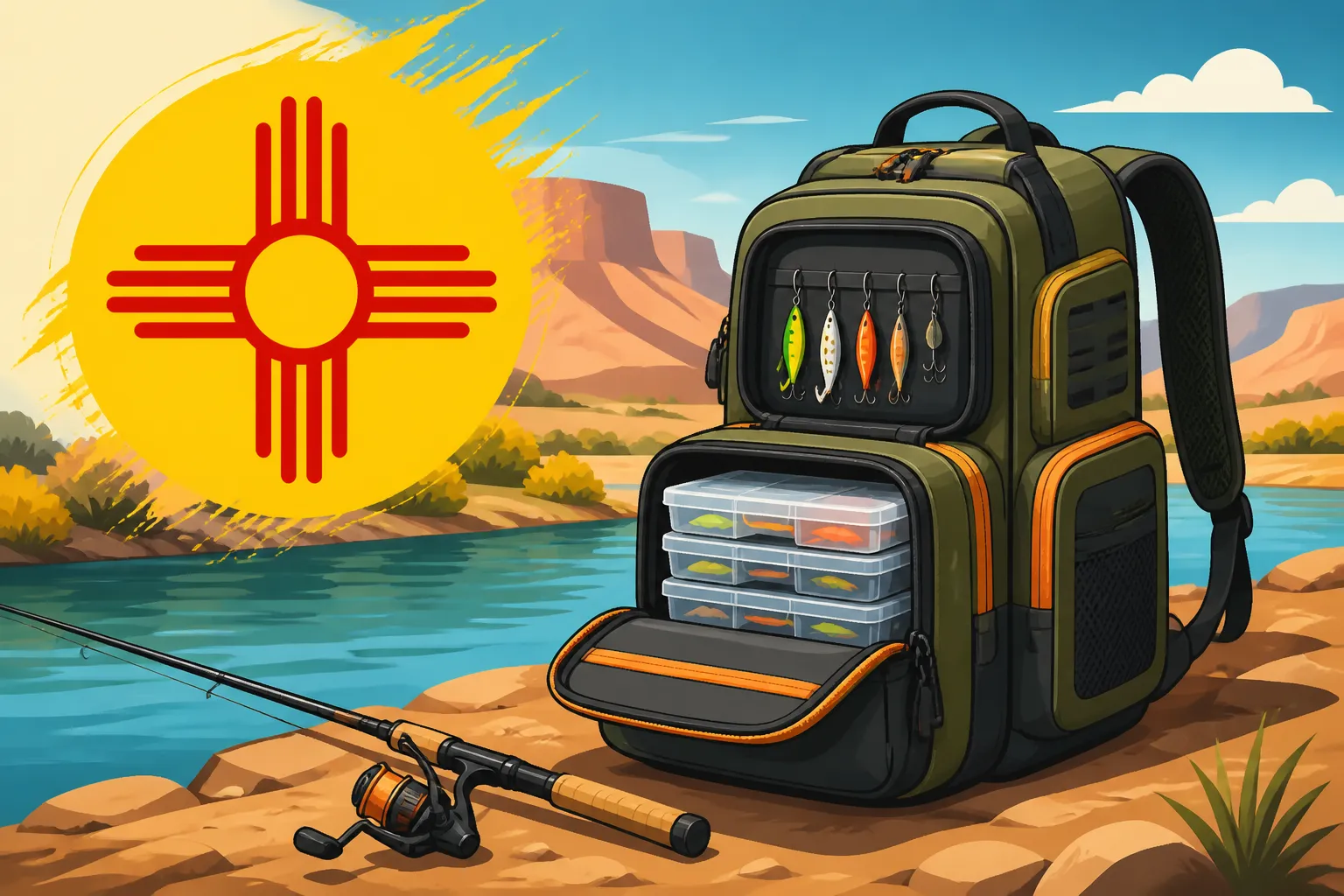
This is where tackle backpacks truly shine compared to generic bags. The whole point is to keep your gear accessible and orderly. The best models typically feature a main compartment designed to hold multiple tackle trays (often included, but always check dimensions if you plan to use your own). These trays are fantastic for organizing lures, hooks, weights, and other small items by type or size.
Beyond the main compartment, look for an abundance of exterior pockets. Side pockets are ideal for water bottles, a small first-aid kit, or perhaps a compact rain jacket. Front pockets, often zippered, are great for quick-access items like your phone, keys, or a headlamp for New Mexico Night Fishing Guide. Many backpacks also incorporate specialized tool holders, such as plier sheaths, D-rings for attaching retractors or line clippers, and even rod holders that allow you to secure an extra rod or keep your main rod upright while you're busy with something else. Some larger packs might even have a dedicated, insulated compartment for snacks or a few kept fish, which is a major bonus on a hot afternoon. Having everything in its place means less time searching and more time fishing.
Durability and Weather Resistance
New Mexico weather can be unpredictable. A clear, sunny morning can quickly turn into a fierce monsoon downpour, especially in the summer. Your tackle backpack needs to protect your valuable gear from the elements and stand up to the rigors of outdoor use. Seek out backpacks made from tough, heavy-duty materials like ripstop nylon or polyester, often with a denier count of 600D or higher. These materials resist tears, abrasions, and punctures from hooks or sharp rocks.
Water resistance is paramount. While few backpacks are truly submersible, many offer water-resistant coatings or treatments to shed rain and spray. Some even come with an integrated rain cover that can be deployed quickly when the skies open up. Pay close attention to the zippers; high-quality, corrosion-resistant zippers (like those from YKK) are essential, especially when you're frequently near water. Look for large, easy-to-grab pulls, even with wet hands. Reinforced stitching at stress points – where straps attach, or compartments meet – ensures the bag won't fall apart after a few seasons of heavy use. A durable bottom panel, often made from a tougher, waterproof material, will protect the contents when you set the bag down on wet ground or sharp gravel.
Size and Capacity
The "best" size really depends on your fishing style and how much gear you typically carry. For a quick, minimalist trip to a local pond, a smaller backpack that holds two or three tackle trays and a few essentials might suffice. If you're planning an all-day excursion, targeting multiple species, or hiking into more remote areas, a larger capacity backpack with space for extra clothing, more tackle, and perhaps a Best Coolers for Keeping Fish Fresh in New Mexico becomes necessary.
Consider the duration of your trips. A few hours of fishing vs. a full day requires vastly different amounts of water, snacks, and emergency supplies. Also, think about the specific species you target and the associated gear. Trout anglers on the San Juan River might need specific flies and tippet, while bass anglers at Ute Lake might carry a larger array of crankbaits, jigs, and soft plastics. Make sure the internal dimensions are compatible with the tackle trays you prefer, and that there are enough pockets for your unique assortment of tools and accessories. You want a pack that’s large enough to hold everything you need, but not so large that it becomes unwieldy or encourages you to overpack.
Accessibility
Quick access to your gear can make or break a fishing moment. The best tackle backpacks feature intelligently placed pockets and compartments that allow you to grab what you need without having to unpack everything. Top-loading main compartments can be great for quick access to tackle trays. External pockets with easy-open zippers or magnetic closures allow you to reach for pliers, line cutters, or a measuring tape in an instant.
Some innovative designs include front-loading compartments that fold down, creating a temporary workspace where you can access multiple tackle trays simultaneously. Rod holders on the side, or even small loops designed to hold a net, contribute to overall accessibility, ensuring your hands are free for casting and fighting fish. Think about how you typically fish and what items you need at your fingertips most often. Whether it's a specific lure for Best Lures for New Mexico Trout or a pair of pliers, the backpack should facilitate immediate retrieval. You want to spend your time fishing, not rummaging.
| Feature Area | Key Considerations | Benefits for Bank Fishing |
|---|---|---|
| Comfort | Padded shoulder/back, chest/waist straps | Reduces fatigue, better weight distribution for long walks |
| Storage | Tackle tray compatibility, multiple pockets, tool holders | Supreme organization, prevents tangles, quick access |
| Durability | Heavy-duty fabrics, robust zippers, reinforced stitching | Long-lasting, withstands rough terrain and heavy use |
| Weather Resistance | Water-resistant material, rain cover option | Protects gear from rain, spray, and unexpected downpours |
| Accessibility | Easy-access pockets, external attachments, rod holders | Minimizes fumbling, keeps hands free for fishing |
Tailoring Your Choice to New Mexico's Diverse Fishing Landscape
New Mexico isn't just one type of fishing environment; it's a tapestry of high desert lakes, winding rivers, alpine streams, and urban ponds. What works for a casual afternoon at a stocked pond might not cut it for a multi-mile hike along the Gila River. When choosing your tackle backpack, thinking specifically about the challenges and opportunities of fishing in the Land of Enchantment will ensure you make the best choice.
Navigating Varied Terrain
From the rocky, often steep shorelines of lakes like Navajo Lake or Elephant Butte to the sandy, sometimes brush-choked banks of the Rio Grande, New Mexico's bank fishing spots demand a backpack that can handle it all. A flimsy, unbalanced bag is a liability when you're scrambling over boulders or pushing through dense riparian vegetation.
The ergonomic features we discussed – padded shoulder straps, a breathable back panel, and especially chest and waist belts – become absolutely crucial here. They keep the pack stable and secure on your back, preventing it from shifting and throwing you off balance. Look for exterior attachment points or compression straps that can secure extra gear like a rolled-up jacket or even a lightweight Best Rod for Bank Fishing New Mexico Lakes, ensuring nothing snags on branches as you pass. If you frequently find yourself walking long distances or on uneven ground, prioritizing a backpack with excellent suspension and weight distribution will make a world of difference. You'll be able to focus on the trail and the water, not on constant adjustments to your shifting load. For specific challenges, checking out Bank Fishing Techniques for New Mexico Lakes can provide additional context on gear needs.
Dealing with New Mexico Weather
New Mexico's climate can be extreme. Intense, high-altitude sun means UV exposure is a constant threat, and temperatures can swing dramatically from morning to afternoon, or even from one side of a mountain to the other. Then there's the monsoon season, where a perfectly clear sky can give way to a sudden, drenching thunderstorm. Your tackle backpack needs to be a fortress against these elements.
Firstly, water resistance is paramount. A good water-resistant coating on the fabric and robust, weather-sealed zippers will protect your tackle and electronics from unexpected rain or spray. Many anglers fishing during the summer months in areas prone to afternoon storms, like those in the northern mountains, might even opt for a backpack that includes a deployable rain cover. Secondly, consider hydration. Many tackle backpacks now feature dedicated sleeves or pockets for hydration bladders, or at least large, easily accessible pockets for water bottles. Staying hydrated is vital under the New Mexico sun. Finally, think about carrying layers. A larger backpack might offer space for a fleece jacket for cool mornings or evenings, or a lightweight rain shell to ward off those sudden showers. Brands like Bass Pro Shops often carry a wide array of backpacks that boast these weather-resistant features, built to withstand a variety of conditions.
Gear Specifics for New Mexico Species
The type of fish you're targeting will influence the kind of gear you need to carry, and thus, the ideal tackle backpack. A trout angler heading to a stream might carry smaller, more specialized tackle like flies, indicator setups, and various tippet spools. A backpack with many small, organized pockets and D-rings for tools would be excellent here.
On the other hand, someone chasing striped bass at Elephant Butte Lake might need heavier lures, larger hooks, and more robust leader material. This angler would benefit from a backpack with larger tackle tray compartments and perhaps stronger external loops for bigger tools. If you're planning to fish different species in one trip, or often switch between locations, a versatile backpack with adjustable dividers and a good mix of large and small pockets will serve you well. For example, a dedicated compartment for a small bait cooler for catfish bait, or extra spools of line for different fishing techniques, can be a huge asset. Amazon also offers a vast selection, allowing you to compare features and sizes for various fishing scenarios in New Mexico.
Hands-Free Convenience for Active Fishing
One of the biggest advantages of a tackle backpack for bank fishing is the freedom it offers. Picture yourself walking along the shore, rod in hand, ready to cast at a moment's notice. With a backpack, your hands are free to maintain balance, part branches, or quickly grab your phone for a photo. When you hook into a fish, you won't be scrambling to set down multiple bags; your landing net can be easily clipped to your pack, and your pliers are right there on your hip, ready to go.
This hands-free convenience extends to tasks like tying on a new lure, re-rigging after a snag, or even simply eating a snack. Features like external tool holsters mean your pliers, line cutters, and forceps are always within reach without taking the pack off. This continuous accessibility and mobility enhance your efficiency and enjoyment, making your time on the water more productive and less stressful. It's about being prepared and agile, ready to adapt to whatever the unique fishing experience of New Mexico throws at you. You might find this especially useful when tackling challenging spots mentioned in How to Fish From Shore at Caballo Lake?.
Ultimately, the best tackle backpack for bank fishing in New Mexico is the one that fits your personal fishing style, the specific environments you frequent, and the gear you need to bring. Investing a little time in research and choosing wisely will significantly improve your comfort, organization, and overall success on the water.
Disclaimer
This article is for general informational purposes only and does not constitute professional advice. Laws, prices and regulations vary by location and change over time. Consult a qualified professional for guidance on your specific situation.