Neoprene vs Breathable Waders for New Mexico Rivers
One common conundrum New Mexico anglers face is deciding on the right pair of waders. It's not just about keeping dry; it's about comfort, warmth, and mobility across our incredibly diverse landscapes, from icy high-mountain streams to sun-baked reservoirs. This guide dives deep into the age-old debate between neoprene and breathable waders, helping you understand which option best suits your specific fishing adventures in the Land of Enchantment.
Understanding Neoprene Waders
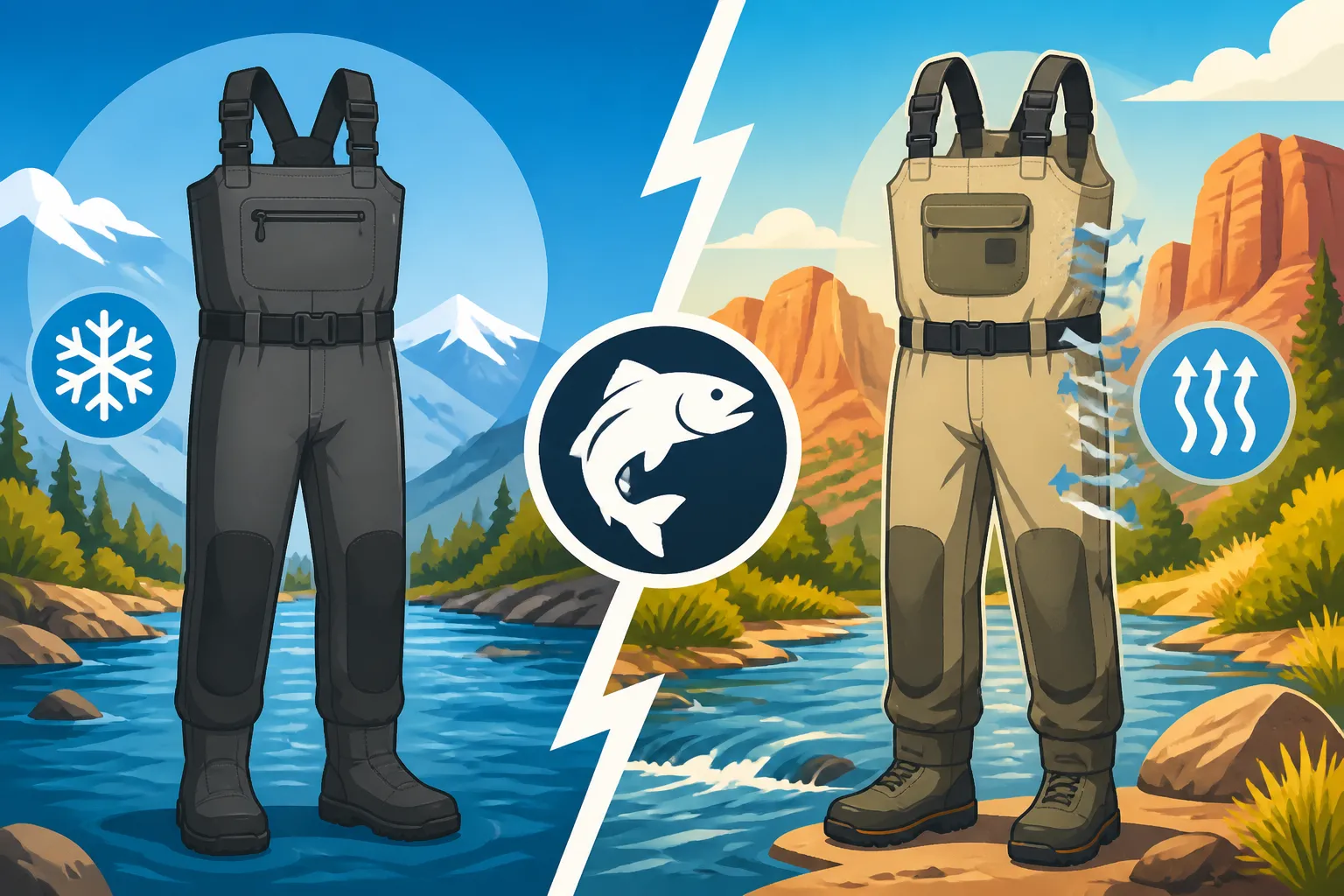
Neoprene waders are often the first image that comes to mind when you think of serious cold-weather fishing gear. They’re essentially wetsuits for your legs, designed to provide excellent insulation by trapping a thin layer of water against your skin, which your body then warms up. This material is incredibly effective at keeping you warm in truly frigid conditions, a quality that many anglers appreciate when faced with New Mexico’s brisk mornings or icy runoff.
When Neoprene Shines in New Mexico
If you’re planning to tackle New Mexico's chilliest waters, neoprene waders are your best friend. Think about those crisp, early spring mornings on the San Juan River before the sun has fully crested the mesas, or late fall excursions into higher elevation streams where snow might already dust the banks. Neoprene provides that crucial thermal barrier, making it much more comfortable to spend hours standing in cold water.
For those dedicated to Winter Fishing in New Mexico, especially if you're venturing out onto a frozen lake for some ice fishing, a thick pair of neoprene waders (often 5mm or more) can be the difference between an enjoyable day and a miserably cold one. They offer fantastic insulation against the bitter cold, protecting you from both the icy water and the frigid air. Similarly, if you plan on fishing fast-moving, snowmelt-fed rivers during spring runoff, the warmth retention of neoprene will be invaluable. The robust nature of neoprene also means they can stand up to quite a bit of abuse from sharp rocks and brush, which is a plus when navigating some of our rugged riverbanks.
The Downsides of Neoprene
While their insulating properties are undeniable, neoprene waders come with some significant trade-offs, especially in New Mexico's variable climate. The very feature that makes them so good in cold water – their ability to retain heat – becomes a major problem when temperatures rise. Imagine a warm afternoon on a New Mexico river in June; wearing neoprene is akin to wearing a thick wetsuit in the desert. You'll quickly overheat, sweat profusely, and become uncomfortable.
This lack of breathability means moisture from your body gets trapped inside, leaving you feeling clammy and damp, which can actually lead to a chill once you stop moving or if the air cools down rapidly. Neoprene waders are also typically much bulkier and heavier than their breathable counterparts. This can make long hikes to remote fishing spots in the Gila or Pecos wilderness quite a strenuous affair. The reduced flexibility can also make casting and maneuvering more cumbersome, particularly if you're doing a lot of active wading. They're built for warmth, not for long treks or hot days, so consider your typical fishing conditions before committing to neoprene.
Understanding Breathable Waders
Breathable waders represent a significant leap forward in angling comfort and versatility. Made from advanced fabrics like Gore-Tex or various proprietary waterproof/breathable membranes, these waders are designed to allow sweat and moisture vapor from your body to escape while preventing external water from getting in. This "breathability" keeps you much drier and more comfortable, especially when you're exerting yourself.
Why Breathable Waders are a Game Changer for NM Anglers
For the vast majority of fishing scenarios across New Mexico, breathable waders are often the superior choice due to their incredible versatility. They excel in moderate to warm conditions, such as during Summer Fishing in New Mexico on our many lakes and rivers, or for those long days spent hiking along the Rio Grande or Pecos River. The ability to shed internal moisture means you stay dry and comfortable even after a steep climb to a secluded bend. This is a huge advantage when fishing spots require a bit of a trek, as is common in many of New Mexico's stunning, but sometimes remote, fishing areas.
The beauty of breathable waders lies in their adaptability. By simply changing your base layers, you can adjust their thermal performance to suit nearly any season. A lightweight base layer for summer, and a heavier fleece or synthetic layer for colder days, can transform them from warm-weather gear to surprisingly effective cold-weather protection. This makes them a fantastic all-around option for anglers who fish year-round in various conditions, from spring high country excursions to fall days on the San Juan River Quality Waters. You can find excellent options from brands like Bass Pro Shops, which often carry a wide range of styles and materials.
The Trade-offs: When Breathable Might Not Be Enough
While breathable waders offer superior comfort for most conditions, they do have a couple of trade-offs to consider. Firstly, they don't provide inherent warmth like neoprene. If you're planning to fish in genuinely frigid water, especially during the dead of winter or on exposed, windy days, you must layer appropriately underneath. Without proper insulating layers, breathable waders alone won't keep you warm, and you might find yourself shivering. It's a system that relies on your clothing choices more than the wader material itself.
Secondly, while high-end breathable waders can be incredibly durable, some of the more budget-friendly options might be more susceptible to punctures or tears from thorns, sharp rocks, or abrasive brush. Because the fabric is thinner and designed for flexibility, you need to be mindful of your surroundings, especially when scrambling over rough terrain. Patching kits are essential for any breathable wader owner, as even the best can fall victim to an unexpected snag. When shopping online, Amazon has a vast selection, but be sure to read reviews regarding durability.
Making the Right Choice: Factors to Consider
Deciding between neoprene and breathable waders isn't about one being inherently "better"; it's about which one is better for you and your specific fishing habits in New Mexico. Our state's diverse geography and climates mean that what works perfectly in one spot might be miserable in another.
Your Fishing Season and Target Waters
The most significant factor in your wader decision should be when and where you typically fish. If your passion is New Mexico Trout Fishing Rules in alpine lakes during early spring or late fall, or spending countless hours immersed in the freezing water of the San Juan tailwaters during winter, then the unadulterated warmth of neoprene might be exactly what you need. These are scenarios where maximum thermal insulation is paramount, and the bulk of neoprene becomes a minor inconvenience compared to staying warm.
However, if your fishing calendar spans the spring, summer, and fall, and involves a mix of warm-water species in reservoirs like Elephant Butte or Cochiti Lake, as well as trout in various rivers and streams, breathable waders offer far greater versatility. Their ability to adapt to varying temperatures with simple layering makes them a more practical choice for the angler who enjoys the full spectrum of New Mexico's fishing opportunities. Think about those long days casting at Heron Lake for Kokanee Salmon, where you might be walking quite a bit on shore between wading spots.
Personal Comfort and Activity Level
Your personal tolerance for heat and cold, along with how active you are while fishing, plays a huge role. If you're someone who "runs hot" and prefers to stay cool, even in milder conditions, breathable waders will almost always be more comfortable. Conversely, if you're prone to getting cold easily, especially your extremities, the inherent warmth of neoprene could be a game-changer.
Consider your fishing style: are you primarily a stationary angler who wades out to a deep hole and stays put for hours? Neoprene might be fine, as the lack of intense movement reduces sweating. However, if you're a dynamic angler who covers a lot of ground, hikes to different spots, and moves frequently within the water, the lighter weight and superior moisture-wicking of breathable waders will significantly enhance your comfort and reduce fatigue. The feeling of being able to move freely and not feel "stuck" in heavy gear is a big plus for many.
Budget and Durability Expectations
When it comes to cost, neoprene waders generally tend to be a bit less expensive than high-end breathable models, especially those featuring premium Gore-Tex fabrics. However, this isn't always a hard and fast rule, and there are breathable options across all price points. It's important to consider your budget, but also what kind of durability you expect. Neoprene, due to its thick, rubbery nature, can be quite robust against abrasions and minor punctures, often shrugging off encounters with barbed wire or rough bark more readily than thinner breathable fabrics.
That said, advances in breathable wader technology have led to incredibly durable options, especially in the mid-to-high price range. These often incorporate reinforced knees and seat, multiple layers of fabric, or more resilient membrane materials. If you're hard on your gear or frequently fish in areas with dense brush, investing in a more durable breathable wader might save you money in the long run by avoiding frequent repairs or replacements. Don't forget that accessories like Best Wading Boots for New Mexico's San Juan River are also a key part of the total cost and performance.
Here’s a quick comparison to help solidify your thoughts:
| Feature | Neoprene Waders | Breathable Waders |
|---|---|---|
| Primary Benefit | Excellent insulation and warmth | Superior comfort, breathability, and versatility |
| Best For | Cold water, ice fishing, early spring/late fall | All-season use (with layering), active anglers, hiking |
| Warmth | High (inherent) | Low (relies on layering) |
| Breathability | Low (can cause sweating/clamminess) | High (allows sweat to escape) |
| Weight/Bulk | Heavier, bulkier, less flexible | Lighter, more flexible, better for mobility |
| Durability | Good against punctures/abrasions (thick material) | Varies (can be very durable in higher-end models) |
| Cost | Generally moderate | Wide range, from budget to premium |
| New Mexico Use | Winter, very cold tailwaters, high mountain lakes | Year-round rivers, reservoirs, active wading, long hikes |
Practical Tips for Both Wader Types
Regardless of whether you choose neoprene or breathable, a few universal truths apply to wader ownership and use in New Mexico. Proper care and understanding how to maximize your waders' performance will make all the difference in your comfort and their longevity.
Layering Strategies for New Mexico's Climate Swings
This is critical, especially for breathable waders. New Mexico's weather can be unpredictable, with significant temperature swings from morning to afternoon, or even from one canyon to the next. For breathable waders, a good layering system is your primary defense against cold. Start with a moisture-wicking base layer (synthetic or wool, never cotton) directly against your skin. Add a mid-layer of fleece or another insulating material as needed. On bitterly cold days, you might even wear two mid-layers. Remember, layers can be added or removed throughout the day to adapt to changing conditions.
Even with neoprene waders, layering is beneficial. While they provide inherent warmth, a thin moisture-wicking base layer can still improve comfort by moving sweat away from your skin, preventing that clammy feeling. For truly extreme conditions, adding a fleece pant underneath neoprene can provide an extra boost of insulation without significantly compromising mobility, though it will make them feel a bit snugger. Thinking about your layering strategy is just as important as the wader choice itself, particularly when preparing for diverse conditions like those outlined in the New Mexico Fishing Season Calendar.
Wader Care and Maintenance
Taking good care of your waders, no matter the type, will extend their lifespan significantly. After each use, especially if you've been in muddy or silty water, rinse them thoroughly with fresh water. Hang them upside down in a cool, dry, well-ventilated area, out of direct sunlight, to dry completely inside and out. Never store them crumpled in a heap, as this can create permanent creases and damage the material over time.
For breathable waders, consider periodically washing them with a technical fabric cleaner to restore their DWR (Durable Water Repellent) finish and keep the membrane working effectively. Patching kits are a must-have accessory for both types. Small punctures or tears can happen to anyone, and being able to quickly repair them on the spot can save a fishing trip. You can find these kits easily at outdoor retailers like Bass Pro Shops or through online stores such as Amazon. Regular inspection for leaks and prompt repair will ensure your waders remain a reliable part of your New Mexico fishing gear for many seasons to come.
Disclaimer
This article is for general informational purposes only and does not constitute professional advice. Laws, prices and regulations vary by location and change over time. Consult a qualified professional for guidance on your specific situation.