Best Cold Weather Gloves for Ice Fishing
There's nothing quite like the crisp, serene quiet of a New Mexico winter day out on the ice, but when your hands are stinging from the cold, that peaceful scene quickly turns into a miserable experience. If you've ever struggled to tie a knot or reel in a fish because your fingers were numb, you know the frustration. This guide is here to help you navigate the world of cold weather gloves specifically for ice fishing, ensuring your hands stay warm and functional so you can enjoy every moment on the hard water.
Why Cold Hands are a Serious Problem for New Mexico Ice Anglers
We've all been there: bundled up in layers, but that icy chill just seems to find its way right through your gloves, numbing your fingers to the point where they're stiff and useless. New Mexico's winter conditions, especially in our higher elevation lakes like Eagle Nest or Heron, can be deceptively harsh. While the sun might be shining brightly, the air temperature can plummet, and when you add wind chill, it feels even colder. Your hands are often the first part of your body to suffer because they're constantly exposed, handling cold gear, and sometimes even getting wet.
The Impact of Freezing Temperatures on Your Fishing Experience
When your hands get cold, it's not just an uncomfortable sensation; it significantly impairs your ability to fish effectively. Imagine trying to bait a hook with fingers that feel like frozen sausages, or attempting to untangle a line when you can barely feel the monofilament. Precision tasks become impossible. You might miss a subtle bite because you can't properly hold your rod, or struggle to operate your auger, making the whole process more cumbersome than it needs to be. It takes away from the joy of being out there, turning what should be a relaxing or exciting pursuit into a constant battle against the elements.
Beyond the immediate challenges, persistently cold hands can also make you want to cut your trip short. No matter how many fish are biting, or how beautiful the scenery is, if you're shivering and can't feel your fingers, you're likely to pack up early. This means less time on the ice, fewer memories made, and a less satisfying day overall. Investing in the right hand protection is really about investing in your enjoyment and extending your time pursuing those hard-water trophies.
Risks Beyond Discomfort: Frostbite and Impaired Dexterity
The dangers of cold hands extend far beyond just discomfort. Prolonged exposure to freezing temperatures, especially when combined with moisture, can lead to serious conditions like frostbite. Frostbite can cause permanent damage to skin tissue, nerves, and blood vessels, and it's a risk no angler should take lightly, particularly in the biting New Mexico winter winds. The early signs, like numbness and a waxy appearance, can be easy to overlook when you're focused on your fishing line.
Furthermore, severely cold hands drastically reduce your dexterity and fine motor skills. This isn't just about tying knots; it's about safety. Operating a sharp ice auger, handling a struggling fish, or even walking across slick ice all require a certain level of hand function. When your hands are compromised, you're more prone to accidents, from dropping valuable gear into the hole to suffering an injury from a slip or a misplaced tool. Ensuring your hands remain warm and pliable is a crucial aspect of overall ice fishing safety. You can find more tips on how to prepare by reading about What to Wear Ice Fishing in New Mexico.
Understanding Different Types of Ice Fishing Handwear
When it comes to keeping your hands warm on the ice, it's not a one-size-fits-all solution. There are several categories of handwear, each with its own benefits and drawbacks depending on the specific conditions and your personal fishing style. Understanding these differences is key to making the best choice for your New Mexico ice fishing adventures.
Gloves vs. Mittens vs. Glomitts: Pros and Cons
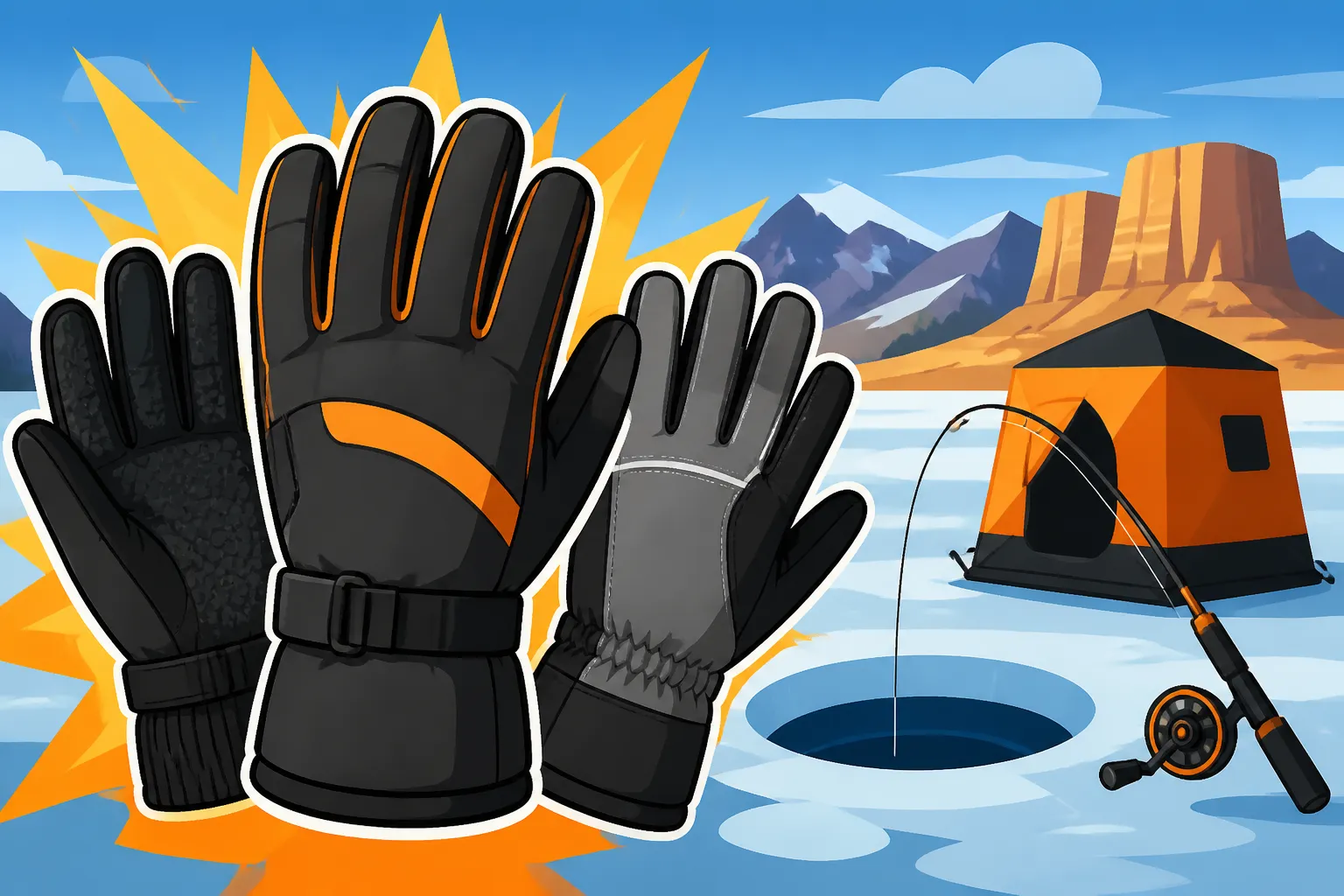
Choosing between gloves, mittens, or "glomitts" (convertible mittens) is often a debate among ice anglers. Each has a distinct design that impacts warmth and functionality.
Gloves offer the best individual finger dexterity. If you're constantly re-baiting tiny hooks, tying intricate knots, or handling delicate electronics like a fish finder, traditional gloves allow for the most precise movements. However, the trade-off is often warmth. Separating each finger means more surface area is exposed to the cold, and fingers can't share warmth as effectively. For active fishing where you need to feel subtle bites and quickly adjust your gear, gloves are often preferred.
Mittens are the champions of warmth. By keeping all your fingers together in one compartment, they can share body heat more efficiently, creating a much warmer environment. If you're primarily waiting for flags on tip-ups or simply enjoying the scenery while your line soaks, mittens can keep your hands toasty even in the most brutal cold. The obvious downside is a severe lack of dexterity. You can't tie knots or manipulate small objects with mittens on, meaning you'll have to take them off frequently, exposing your bare hands to the cold.
Glomitts, or convertible mittens, try to offer the best of both worlds. These designs typically have a mitten flap that can be pulled back and secured, exposing fingerless gloves or bare fingertips. This allows for excellent dexterity when needed, and quick warmth when not. They're a popular choice for ice anglers who need to perform tasks requiring fine motor skills but also want the option of maximum warmth. The potential drawbacks can be bulkiness and sometimes the flap or magnets can get in the way, but for many, the versatility outweighs these minor issues. You can often find a wide range of these specialized options at retailers like Bass Pro Shops.
| Handwear Type | Primary Benefit | Primary Drawback | Best Use Case |
|---|---|---|---|
| Gloves | Excellent Dexterity | Less Warmth | Active fishing, intricate tasks, warmer ice days |
| Mittens | Maximum Warmth | Poor Dexterity | Passive fishing, extreme cold, warmth focus |
| Glomitts (Convertible) | Versatility (Warmth & Dexterity) | Can be bulky, occasional hindrance | Mixed fishing styles, varying conditions |
Material Matters: What Keeps You Warm and Dry?
The materials used in your ice fishing handwear are just as critical as the design. You need something that can stand up to the cold, block wind, and repel moisture, all while maintaining some level of comfort.
Insulation is paramount. Modern synthetic insulations like Thinsulate or PrimaLoft are incredibly effective at trapping warm air without adding excessive bulk. Down can also be used, but it loses its insulating properties drastically when wet. Look for gloves with ample insulation, particularly on the back of the hand and fingers, where cold exposure is highest. The amount of insulation needed will depend on whether you're targeting high-mountain lakes that get truly frigid or lower-elevation waters with milder conditions.
Waterproofing and Water Resistance are non-negotiable. Ice fishing involves being around slush, snow, and wet lines, so your hands will get wet. A waterproof membrane (like Gore-Tex or similar proprietary materials) is essential to keep the outer moisture from soaking through to your insulation and skin. Water-resistant materials are better than nothing but will eventually wet out in prolonged exposure. A truly waterproof glove ensures that even if you're pulling fish out of the hole or handling a wet auger, your hands remain dry, and therefore warm. Remember, wet hands get cold incredibly fast.
Outer Shell Materials need to be durable and windproof. Nylon or polyester fabrics, often ripstop, are common for their toughness and ability to shed snow. A windproof layer is crucial because bitter winds can strip heat away from your hands even if they're well-insulated. Some gloves feature reinforced palms and fingers, often with a rubberized or synthetic leather material, which not only adds durability but also enhances grip, an important factor when reeling in a feisty trout or walleye. You might check Amazon for brands that specify these material benefits clearly in their product descriptions.
Key Features to Look for in Ice Fishing Gloves for New Mexico
When you're standing on a frozen lake in New Mexico, battling the elements and hoping for a bite, the last thing you want to worry about is your hands. Choosing the right gloves means looking beyond just a basic fleece pair and really focusing on features that will make your time on the ice productive and enjoyable.
Waterproofing and Insulation: Your First Line of Defense
As we've touched on, waterproofing is absolutely critical. You'll be dealing with snow, slush, water in the auger hole, and wet fish. A glove that absorbs water is a glove that will quickly lead to painfully cold hands and potentially a shortened fishing trip. Look for gloves that explicitly state they are waterproof, not just water-resistant. This usually means they incorporate a waterproof, breathable membrane beneath the outer shell. Brands often highlight this with names like Gore-Tex, Hipora, or their own patented technologies. Test them out if you can by briefly dipping a hand in water (if permitted by the store) or checking reviews for real-world performance. A truly waterproof glove will allow water to bead up and roll off, protecting the insulation within.
Hand-in-hand with waterproofing is insulation. The amount of insulation (often measured in grams, e.g., 40g, 80g, 100g, or more) determines how much warmth the glove can provide. For extreme New Mexico winter conditions, especially on lakes like Eagle Nest or Heron Lake, you might want 100g or more in a glove, or even heavier insulation in a mitten. Consider where you'll be fishing and how sensitive your hands are to cold. Some gloves offer differential insulation, with more on the back of the hand for protection and less on the palm for better feel. The best insulation will keep your hands warm without making the gloves so bulky that they hinder your ability to grip and manipulate your fishing gear.
Dexterity and Grip: Handling Your Tackle with Ease
What good is a warm hand if you can't actually fish with it? Dexterity is a huge factor. You need to be able to tie knots, change lures, handle your rod and reel, and sometimes even manage a camera or phone. Super-bulky gloves, while warm, often make these tasks frustratingly difficult. This is where the choice between gloves, mittens, and glomitts becomes personal. If you prefer gloves, look for pre-curved fingers or articulated designs that mimic the natural shape of your hand. Materials that aren't overly stiff will also contribute to better finger movement.
Grip is equally important. When your hands are cold and wet, dropping your rod, a prized fish, or even your auger is a real possibility. Look for palms and fingers with reinforced, textured materials that provide excellent grip, even when wet. Synthetic leather, silicone patterns, or rubberized patches are common solutions. This enhanced grip not only prevents slips but also reduces the effort you need to exert to hold onto your gear, which in turn reduces hand fatigue. For precision tasks, some anglers opt for thin liner gloves underneath warmer mittens, so they can quickly shed the outer layer for a few moments of high-dexterity work without completely exposing their hands to the cold.
Durability and Comfort for Long Days on the Ice
Ice fishing isn't always a gentle sport. Your gloves will rub against ice, handle rough fish scales, and be exposed to sharp hooks and lines. Therefore, durability is a key feature. Look for robust stitching, reinforced areas, especially on the palms, fingertips, and between the thumb and forefinger. High-quality outer shell materials like ripstop nylon or tough polyester blends will resist tears and abrasions. A well-made glove should last you several seasons of hard use, making it a worthwhile investment.
Comfort might seem obvious, but it's often overlooked. Gloves that are too tight will restrict blood flow, making your hands colder, while those that are too loose won't trap heat effectively. Look for a comfortable fit that allows for a full range of motion. Features like soft, moisture-wicking linings will keep your hands dry from sweat, preventing that clammy feeling that quickly turns cold. Adjustable wrist closures (Velcro straps, drawstrings, or elastic cuffs) are also important. They help seal in warmth, prevent snow from getting inside, and ensure a snug fit over or under your jacket cuffs. Some gloves even offer a gauntlet style that extends further up the forearm for added protection. Consider your full layering system as you explore options at Bass Pro Shops or online at Amazon.
Top Recommendations and Where to Find Them
Finding the perfect pair of ice fishing gloves for New Mexico can feel like a quest, given the sheer number of options out there. However, by focusing on features like waterproofing, insulation, dexterity, and durability, we can narrow down the field to some excellent choices that will serve you well on our frozen lakes. Remember, your personal comfort and fishing style should guide your final decision.
Heavy-Duty Options for Extreme Cold
When the mercury truly plummets and the wind whips across the open ice, you'll want gloves that offer no compromises on warmth. These are typically the bulkiest options, often mittens or heavily insulated gloves, designed for those frigid days at Bluewater Lake State Park Fishing Access or when you're targeting big fish on Elephant Butte Lake. Look for gloves with high-gram insulation (150g or more) and robust waterproof membranes.
Many anglers swear by specialized ice fishing brands that focus specifically on cold-weather gear. Companies often produce gloves with integrated heat pockets for disposable warmers, extra-long gauntlets to prevent snow entry, and durable, non-slip palms. While these might limit dexterity for intricate tasks, they excel at keeping your hands from freezing solid. Often, the strategy with these heavy-duty options is to pair them with thin liner gloves. You wear the warm, heavy mittens while waiting, then slip them off for a few seconds of quick baiting or fish handling, relying on the thin liners for minimal protection during that brief exposure. These high-end, heavy-duty options are usually found at dedicated outdoor and fishing retailers, including major chains like Bass Pro Shops, where you can often try them on to check the fit and feel.
Versatile Choices for Moderate New Mexico Winter Days
Not every New Mexico ice fishing day is an extreme cold-weather expedition. For those milder, but still chilly, winter days, or when you need a good balance between warmth and dexterity, versatile convertible mittens (glomitts) or moderately insulated gloves are excellent choices. These gloves typically feature insulation in the 80-120g range and prioritize a design that allows for more freedom of movement.
Glomitts are particularly popular here. They allow you to keep your fingers covered and warm during periods of inactivity, then quickly expose your bare fingertips or a thinner glove layer for delicate tasks like tying on a new jig or unhooking a fish. Look for designs where the mitten flap secures neatly out of the way, often with magnets or a Velcro tab, so it doesn't flop around while you're fishing. Many brands offer excellent versatile options with good waterproofing and wind-blocking properties, making them suitable for a wide range of conditions you might encounter at lakes like Eagle Nest Lake Ice Fishing or even some of the warmer urban ponds. You'll find a strong selection of these mid-range, versatile gloves from various brands on platforms like Amazon, offering convenience and often a good selection of customer reviews to guide your purchase.
Budget-Friendly Yet Effective Selections
You don't always need to break the bank to keep your hands warm while ice fishing in New Mexico. There are several budget-friendly options that, with proper layering, can be surprisingly effective. The key is to prioritize the non-negotiables: decent insulation and, most importantly, good waterproofing.
Inexpensive waterproof gloves or basic insulated mittens, perhaps combined with a pair of fleece or wool liner gloves, can provide adequate protection. While they might not have all the bells and whistles of premium gear, a well-chosen budget option can still keep you comfortable. Look for gloves made with a waterproof insert and at least 40-80g of synthetic insulation. Often, these can be found from general outdoor brands or even some workwear lines that focus on durability and basic weather protection. The trick to making budget gloves work in colder conditions is layering: wearing a thinner, moisture-wicking glove underneath adds an extra layer of warmth and can provide a bit of dexterity if you need to briefly remove the outer glove. Always check reviews to ensure the "waterproof" claim holds up in real-world use. While specific fishing brands might be pricier, you can often find suitable, affordable alternatives for your New Mexico Fishing Season Calendar needs at larger sporting goods stores or through online retailers.
Disclaimer
This article is for general informational purposes only and does not constitute professional advice. Laws, prices and regulations vary by location and change over time. Consult a qualified professional for guidance on your specific situation.