Gear List for a Multi-Day Backcountry Fishing Trip
A multi-day backcountry fishing trip in New Mexico promises solitude, stunning views, and incredible angling, but it's far from a casual afternoon at the local pond. The high elevations, unpredictable mountain weather, and remote locations demand meticulous planning and a well-thought-out gear list. This guide will walk you through everything you need to pack to ensure your adventure is safe, comfortable, and successful, focusing on the unique demands of New Mexico's wild waters.
The Unique Challenges of Backcountry Fishing in New Mexico
Backcountry fishing isn't just about escaping the crowds; it's about embracing self-reliance in environments that can be both breathtakingly beautiful and incredibly demanding. New Mexico's high country presents its own distinct set of hurdles that, if not prepared for, can quickly turn a dream trip into a miserable ordeal. We're talking about everything from sudden thunderstorms to unexpected cold snaps, all far from the nearest paved road.
Unpredictable Weather and Terrain
Imagine hiking miles into a secluded alpine lake, the sun shining brightly as you start, only for a sudden afternoon monsoon to roll in, drenching everything and dropping temperatures drastically. This isn't just a possibility in New Mexico's mountains; it's a common occurrence. You might start your day in warm, dry conditions, traverse through rocky, uneven trails, and then find yourself slogging through muddy creek crossings before enduring a chilly, windy evening. The terrain itself can be relentless, ranging from steep inclines to boulder fields, which means every ounce in your pack feels like five by the end of the day. You'll often be far from cell service, making robust preparation not just convenient, but absolutely crucial for your safety.
Because of this variability, your gear needs to be versatile and capable of handling a wide range of conditions. Think layers, waterproof protection, and sturdy equipment that won't fail when you need it most. You also need to consider how your chosen fishing spots might be affected. For instance, fishing after runoff in spring can present challenges with murky water or swift currents, requiring different tackle or techniques. Checking weather forecasts is a start, but having gear for "just in case" is the real game-changer in the backcountry.
Self-Sufficiency is Key
When you're miles from the trailhead, there's no quick run to the store for forgotten items, and certainly no immediate rescue if something goes wrong. Every piece of gear in your pack serves a purpose, and often, multiple purposes. This isn't the time to skimp on quality or crucial items. From first aid to emergency shelter, you are your own primary responder. This mindset impacts everything from your choice of shelter to your water purification method.
This self-sufficiency also extends to your fishing approach. You're unlikely to find bait shops or even fellow anglers willing to share flies in truly remote areas. You need to carry enough tackle for various conditions, knowing you won't be able to restock easily. Catch and Release Best Practices in New Mexico also become even more important when you're targeting sensitive wild trout populations in these pristine environments. Every decision, from what you pack to how you fish, revolves around minimizing your impact and maximizing your ability to handle whatever the wilderness throws at you.
Essential Gear Categories for Your Pack
Preparing for a multi-day backcountry fishing trip means breaking down your needs into distinct categories. It's about more than just fishing; it's about survival, sustenance, and comfort in the wild. Each item chosen should be lightweight, durable, and highly functional.
Shelter and Sleep Systems
Your shelter is your primary defense against the elements. For multi-day trips, a lightweight, three-season tent is generally sufficient, offering protection from rain, wind, and even light snow, which isn't uncommon at higher elevations even in summer. Look for tents that are easy to set up and pack down small. A tent with a good vestibule can be a lifesaver for stashing wet gear and cooking in inclement weather without bringing the elements inside.
Coupled with your tent, a reliable sleeping bag rated for the expected nighttime temperatures is critical. Even summer nights in the New Mexico mountains can dip into the 30s or 40s. A sleeping pad is not just for comfort; it provides crucial insulation from the cold ground, preventing heat loss. Inflatable pads offer a great balance of comfort and packability. When browsing for these items, places like Bass Pro Shops or online retailers like Amazon often have a good selection of lightweight backpacking-specific options. Remember, a good night's sleep directly impacts your energy and enjoyment for the next day's fishing.
Cooking and Hydration
Staying nourished and hydrated is paramount. A compact backpacking stove with enough fuel for your trip is essential for cooking meals and boiling water. Freeze-dried meals are popular for their light weight and ease of preparation, but you might also pack some quick-cooking grains, dehydrated vegetables, and high-energy snacks like nuts and jerky. Don't forget a lightweight pot, a spoon, and a mug.
Water is heavy, so carrying enough for an entire trip isn't feasible. You'll need a reliable water purification method. Options include filter pumps, gravity filters, or chemical treatments. A combination of methods, like a filter backed up by purification tablets, offers redundancy. Always know your water sources along your route. Carrying a couple of collapsible water bottles or a hydration reservoir is also key. For example, when you're fishing New Mexico's high mountain lakes in summer, you'll appreciate having a robust system for clean drinking water.
Navigation and Safety
Getting lost in the backcountry can turn dangerous quickly. Always carry a physical map of the area and a compass, and know how to use them. While GPS devices and smartphone apps are fantastic tools, batteries die and signals can be unreliable. A fully charged power bank is a smart addition for extending the life of your electronic devices.
A comprehensive first-aid kit is non-negotiable. It should include supplies for blisters, cuts, scrapes, insect bites, and any personal medications. Consider adding items like pain relievers, anti-diarrhea medication, and allergy medicine. A headlamp or flashlight with extra batteries is also vital for navigating camp after dark or in emergency situations. For true emergencies where cell service is non-existent, a personal locator beacon (PLB) or satellite messenger can be a lifesaver, allowing you to call for help even in the most remote areas. This is a critical piece of gear that no backcountry angler should ever be without.
Fishing Tackle for Remote Waters
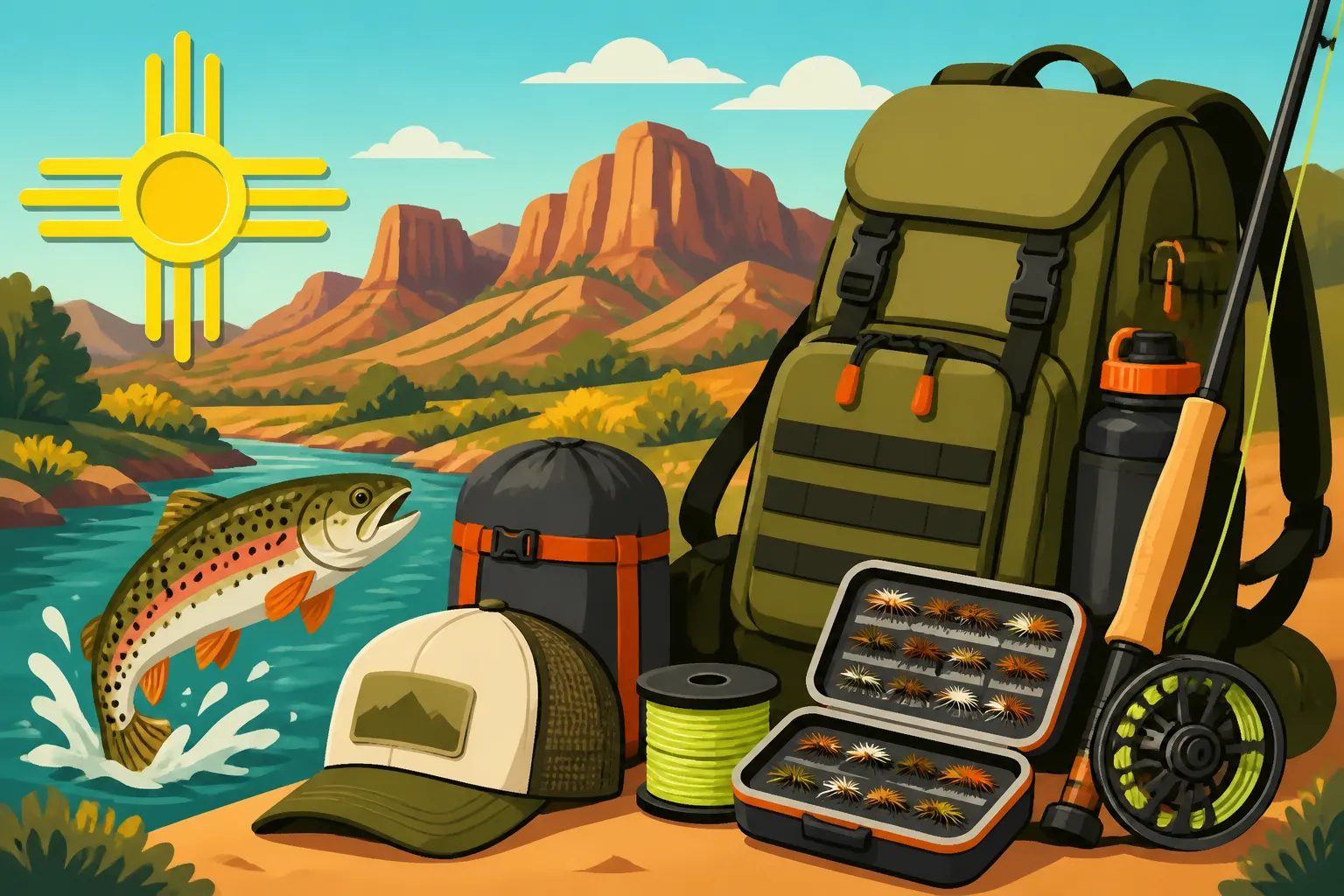
The joy of backcountry fishing lies in its simplicity, but that doesn't mean skimping on appropriate tackle. You'll want a versatile setup, perhaps a lightweight spinning rod or a fly rod that breaks down into multiple pieces for easy packing. A 4-piece, 5-weight fly rod is a common choice for its balance of power and portability, suitable for most trout scenarios. For spinning, a light to medium-light action rod in a 6-7 foot range paired with a small spinning reel will cover a lot of ground. Best Rods and Reels for New Mexico Trout Fishing often highlights these versatile options.
Regarding terminal tackle, think small and multi-purpose. For fly anglers, a selection of dry flies, nymphs, and streamers in various sizes will cover many situations. Fly Selection for New Mexico's San Juan River, while a specific location, can offer insights into general trout fly patterns for New Mexico. For spin fishermen, small inline spinners, spoons, and a few soft plastics or PowerBait can be highly effective. Remember to pack extra line, leaders, and tippet. A small, lightweight tackle box or a compact fly box that can fit easily into your pack is ideal. Don't forget a small pair of nippers, forceps, and a landing net with a rubber mesh to protect the fish for release.
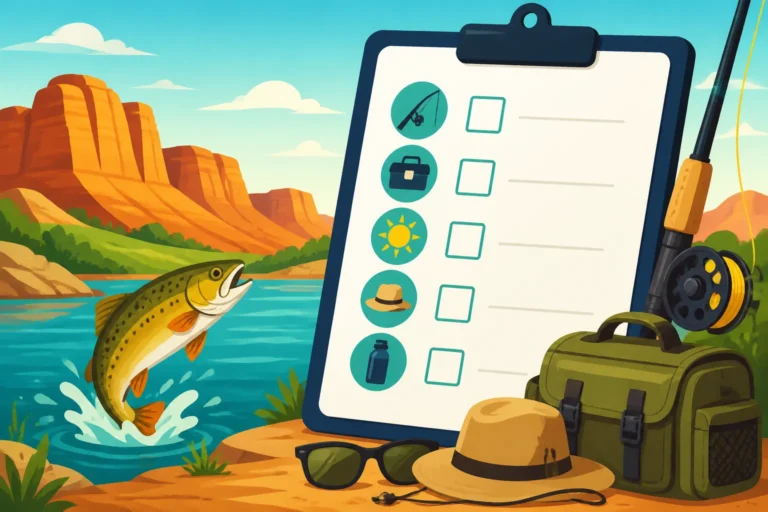
| Category | Essential Items | Considerations for Backcountry |
|---|---|---|
| Shelter | Lightweight 3-season tent, footprint | Packability, weight, weather resistance |
| Sleep System | Sleeping bag (appropriate temp rating), inflatable sleeping pad | Temperature rating, insulation from ground, compactness |
| Cooking | Backpacking stove, fuel, lightweight pot, spoon, mug, dehydrated meals, snacks | Fuel efficiency, weight, ease of use |
| Hydration | Water filter/purifier, collapsible water bottles, hydration reservoir | Reliability, capacity, access to water sources |
| Navigation | Topographic map, compass, GPS device (optional), power bank | Battery life, redundancy (map/compass primary) |
| Safety | First-aid kit, headlamp/flashlight + spare batteries, whistle, fire starter, PLB/satellite messenger | Comprehensive, easily accessible, emergency communication |
| Fishing Gear | Packable rod/reel, selection of lures/flies, extra line, nippers, forceps, net | Versatility, durability, weight, suitability for target species |
| Clothing | Moisture-wicking base layers, insulating mid-layers, waterproof outer shell | Layering system, quick-drying materials, warmth |
| Footwear | Sturdy hiking boots, camp shoes, wading boots (if applicable), wool socks | Ankle support, traction, comfort, warmth, quick-drying |
| Personal Items | Sunscreen, insect repellent, toiletries, small towel, trowel | Biodegradable options, small sizes |
Clothing and Personal Items
Your clothing choices are just as important as your shelter. Being wet or cold in the backcountry is not just uncomfortable; it can be dangerous, leading to hypothermia even in seemingly mild conditions.
Layering for High-Altitude Conditions
The key to comfort in New Mexico's high country is layering. Start with a moisture-wicking base layer (synthetic or merino wool) to keep sweat away from your skin. Next, add an insulating mid-layer, such as a fleece jacket or a lightweight puffy vest, to provide warmth. For your outer layer, a waterproof and windproof jacket and pants are absolutely essential. This shell will protect you from rain, snow, and biting winds. Even if the forecast looks clear, a sudden mountain storm can pop up quickly. This is especially true when considering High Altitude Fishing Tips for New Mexico.
Don't forget warm headwear like a beanie or fleece hat, and gloves, especially for early mornings or evenings. A wide-brimmed hat is also critical for sun protection during the day, given the intense UV radiation at higher elevations. When you're spending all day outside, often exposed on open water or along stream banks, having Best Sun Protection Gear for New Mexico Reservoir Fishing is not just a recommendation, it's a necessity. Think quick-drying fabrics for everything you wear, as wet cotton can sap your body heat rapidly and takes forever to dry.
Footwear and Wading Essentials
Your feet are your most important mode of transport in the backcountry, so treat them well. Invest in sturdy, broken-in hiking boots with good ankle support and traction for navigating rough trails. Waterproof boots are a huge plus for stream crossings or unexpected wet conditions. Always pack several pairs of moisture-wicking wool or synthetic socks to prevent blisters and keep your feet dry. You might also consider packing a lightweight pair of camp shoes or sandals to give your feet a break at the end of the day.
If you plan on doing a lot of wading in streams or lakes, a pair of lightweight, breathable waders and appropriate wading boots might be necessary. While full waders can be bulky, some ultralight options or even just quick-drying pants and wading sandals might suffice for shallower, warmer waters. For colder, deeper waters, however, you'll be glad you have the full protection. Best Waders for New Mexico Rivers can help you choose the right type for your specific needs, considering everything from the San Juan River's cold tailwaters to smaller mountain creeks.
Packing Smart: Tips for Weight and Organization
Every ounce counts when you're carrying everything on your back for multiple days. Strategic packing isn't just about fitting things in; it's about making your load manageable, accessible, and protected.
Prioritizing Multi-Use Items
To cut down on weight and bulk, think about items that can serve more than one purpose. For instance, your cooking pot can double as a bowl, your trekking poles can support a tarp, and duct tape (wrapped around a water bottle or lighter) can fix a myriad of small tears or gear failures. Instead of separate chairs, consider sitting on your sleeping pad or a small foam sit pad. Even your fishing net can be used to scoop debris if needed.
This minimalist mindset extends to your fishing tackle as well. Rather than packing a separate rod for every possible scenario, choose a versatile setup. For example, a 5-weight fly rod can handle everything from tiny dries to streamers, making it a perfect multi-purpose tool for diverse trout waters. Best Fishing Gear for New Mexico Anglers often emphasizes this versatility for extended trips. Every item should earn its place in your pack.
Waterproofing Your Essentials
New Mexico's mountain weather can change on a dime, turning a sunny morning into a torrential downpour. Protecting your gear from moisture is paramount. While your backpack might have a rain cover, it's wise to take extra precautions. Use dry bags or heavy-duty garbage bags to line the inside of your pack, especially for your sleeping bag, extra clothing, and electronics. Ziploc bags are great for organizing smaller items and keeping them dry.
When you're constantly exposed to the elements, whether it's a sudden rain shower or just splashing from stream crossings, having a reliable waterproofing strategy prevents a miserable and potentially dangerous situation. Imagine reaching your campsite after a long day, soaked to the bone, only to find your sleeping bag and dry clothes also drenched. This is a common pitfall for unprepared backcountry anglers. Investing in quality dry bags and taking the time to properly pack your gear will save you a lot of grief and ensure your trip remains enjoyable, no matter what Mother Nature throws your way. A good Best Fishing Backpack for Hiking to High Lakes will often have features designed to help with organization and waterproofing.
Disclaimer
This article is for general informational purposes only and does not constitute professional advice. Laws, prices and regulations vary by location and change over time. Consult a qualified professional for guidance on your specific situation.