Tools to Keep in a Boat Tackle Kit
There's nothing quite like finally getting out on the water in New Mexico, boat loaded, rods rigged, only to realize halfway across Elephant Butte Lake that you've forgotten that one crucial tool you always need. It’s a frustrating moment that can easily derail a perfectly planned fishing trip. This guide is all about preventing that sinking feeling by helping you assemble the ultimate boat tackle kit, ensuring you have every essential tool right where you need it, when you need it most.
Why a Dedicated Boat Tackle Kit is Essential
Let's be honest, fishing in New Mexico offers an incredible variety of experiences, from the cold, clear waters of the San Juan River to the vast expanse of Navajo Lake. Each trip presents its own set of challenges and opportunities. Relying on a hodgepodge of tools scattered between your truck, garage, and a communal fishing box is a recipe for frustration. A dedicated boat tackle kit isn't just about convenience; it's about preparation, efficiency, and maximizing your time enjoying the sport you love.
Avoiding the "I Forgot It!" Panic
Imagine you've hooked into a feisty walleye at Conchas Lake, and as you bring it boatside, you realize your trusty pair of pliers is back home on the workbench. Or perhaps you're trying to re-tie a leader after a snag on the Rio Grande, and your line clippers are nowhere to be found. These small omissions can turn a moment of excitement into a scramble, or worse, lead to a lost fish or a tangled mess. A dedicated kit means every essential item has a home, and that home is always on your boat. It eliminates the last-minute rummage through multiple bags, the hurried check under truck seats, and the gnawing doubt that you've left something vital behind. It’s peace of mind, plain and simple, allowing you to focus on the fishing, not the logistics. Having everything organized means you can quickly grab what you need, make the necessary adjustment, and get your line back in the water without missing a beat.
Maximizing Efficiency on the Water
Time on the water is precious, especially when you're targeting specific species during peak bite windows. Fumbling for tools or having to stop fishing to address a minor equipment issue eats into that valuable time. A well-organized boat tackle kit allows for quick repairs, efficient re-tying, and safe fish handling, all of which contribute to a more productive and enjoyable day. Think about those moments when you need to quickly swap out a lure to match a changing hatch, or when you need to cut a tangled line free from your prop. Having the right tools instantly accessible minimizes downtime. This efficiency isn't just about catching more fish; it's about reducing stress and making every moment count. When you’re spending hours on a big body of water like Elephant Butte Lake, navigating potential wind and waves, the last thing you want is to be unprepared for a common snag or a broken line.
The Core Essentials: Must-Have Tools
Every angler's boat tackle kit will evolve over time, but there are certain fundamental tools that no serious boat angler should be without. These are the workhorses, the unsung heroes that make every trip smoother and safer.
Line Management and Cutting Tools
Good line management is crucial for all types of fishing, from light tackle for panfish to heavier setups for striped bass. The right tools ensure your knots are strong, your lines are clean, and you can quickly adapt to changing conditions.
- Sharp Line Clippers/Scissors: This is non-negotiable. Trying to bite through fishing line with your teeth is not only bad for your dental health but also leaves frayed edges that weaken knots. A good pair of sharp clippers or small fishing scissors makes quick work of mono, fluoro, and braid, ensuring clean cuts for strong knots. Look for ones with a lanyard or retractable reel so they don't get lost in the bottom of the boat. Many brands, including those you might find at Bass Pro Shops, offer models with serrated edges specifically designed for braid.
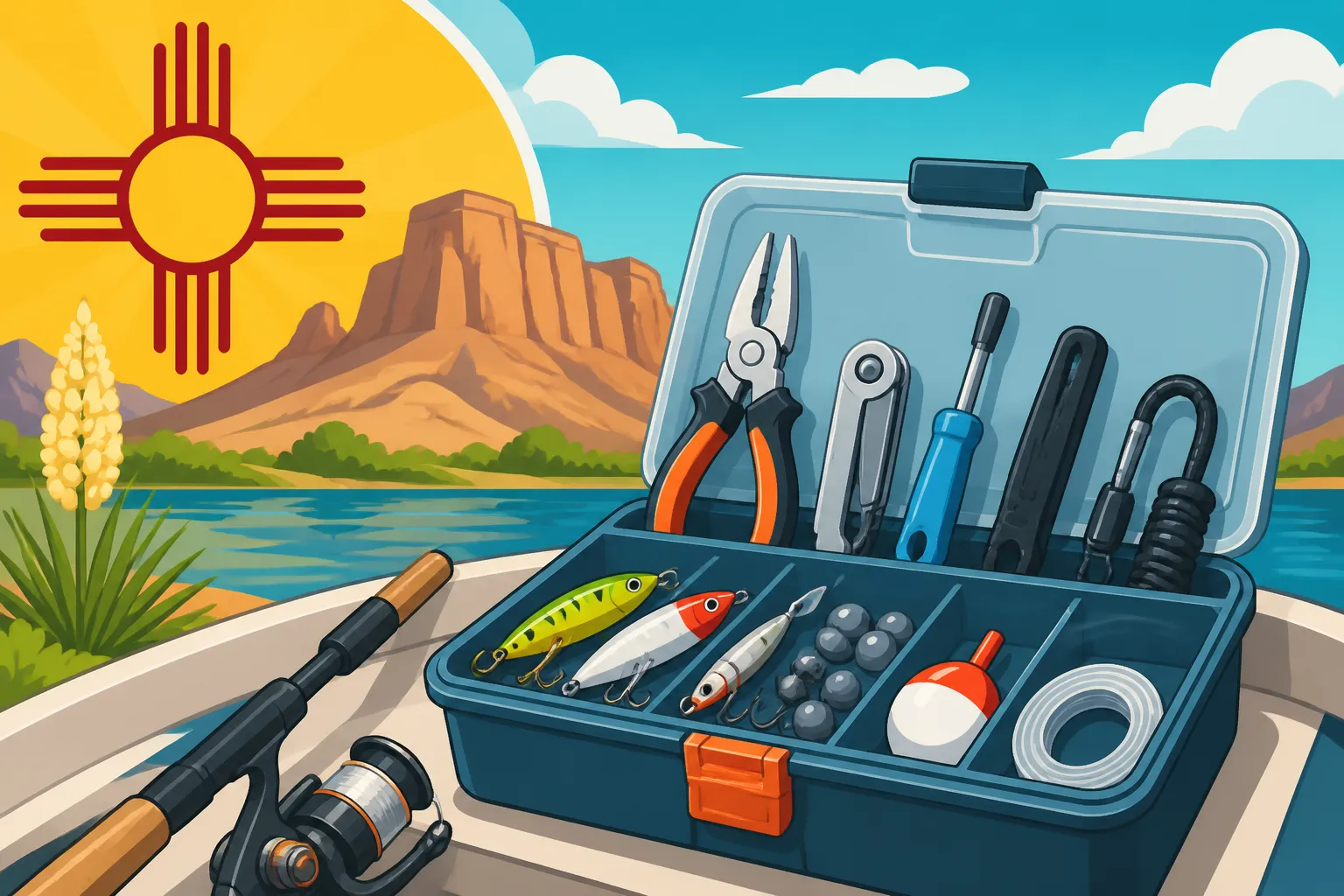
- Needle-Nose Pliers/Split Ring Pliers: These are multi-taskers. They're excellent for manipulating small components, opening split rings to change out hooks or lures, and even for light hook removal. Having a sturdy pair with a comfortable grip is key. For trout anglers, smaller, finer-tipped pliers might be preferred for delicate work, while those chasing bigger species might opt for a more robust pair. Some models combine a cutter, making them even more versatile.
- Spool of Leader Material (Various Weights): While not strictly a "tool," having a selection of fluorocarbon and monofilament leader material in different test strengths is absolutely essential. Whether you're re-tying after a break-off or adjusting your presentation for finicky fish, a fresh spool of quality leader is a lifesaver. You don't want to run out mid-trip, especially when you're targeting sensitive fish in clear water. Consider carrying 4-lb, 6-lb, and 8-lb test for most general New Mexico fishing scenarios, with heavier options if you're chasing bigger species or fishing snaggy cover.
Hook and Fish Handling Tools
Responsible and safe fish handling benefits both the angler and the fish. Having the right tools minimizes stress on the fish, reduces the risk of injury to yourself, and ensures a smooth release or secure retention.
- Long-Nose Pliers/Hook Remover: While your needle-nose pliers can do some light hook removal, a dedicated longer pair of pliers, or even a specialized hook remover, is invaluable. This is especially true for fish that have swallowed a hook or when dealing with toothy species. The extra length keeps your fingers away from sharp teeth and gills, allowing for a quicker, safer release. Many fly anglers carry hemostats for delicate trout work. When you're fishing New Mexico Trout Fishing Rules, you'll often encounter specific regulations around hook types and release practices, making proper tools even more critical.
- Fishing Net (Rubberized is Best): A net is not just for landing fish; it's also a critical fish handling tool. A rubberized or knotless mesh net protects the fish's slime coat and fins, making catch and release much more successful. It's much less stressful for a fish to be gently scooped into a net than to be swung into the boat. Choose a net size appropriate for the fish you're targeting. A small trout net won't cut it for a large striped bass at Elephant Butte.
- Fish Gripper/Lip Gripper: For species like bass, walleye, or even larger catfish, a lip gripper provides a secure way to hold the fish without damaging its jaws or requiring you to put your hands near hooks. It's especially useful for taking photos or quickly unhooking a fish before release. Just remember to support the body of larger fish, even with a gripper, to prevent jaw damage. These tools are readily available on Amazon and in most sporting goods stores.
- Cooler with Ice (if keeping fish): Again, not a "tool" in the traditional sense, but absolutely essential if you plan to keep any of your catch. A well-insulated cooler filled with ice will keep your fish fresh and tasting great. Don't underestimate the New Mexico sun; fish can spoil quickly if not properly chilled. Always check New Mexico Warm Water Fish Bag Limits or New Mexico Trout Bag and Possession Limits before you go, so you know what you can legally keep.
Basic Repair and Maintenance Gear
Things happen on the water. Hooks get dull, lures get bent, and sometimes you just need a little something extra to make a quick fix. Having a few basic repair items can save a trip from a premature end.
- Hook File/Sharpener: A sharp hook is paramount for good hooksets. Even new hooks can benefit from a quick touch-up, and after hitting rocks or debris, hooks will undoubtedly dull. A small, easy-to-use hook file ensures your points are always razor-sharp. It's a small investment that pays off big time in hookup ratios.
- Small Flashlight/Headlamp: While not strictly for repair, a light source is critical for early morning setups, late evening unhooking, or finding dropped items in dim light. A headlamp leaves your hands free, which is ideal when you're trying to tie a knot or retrieve something from a dark compartment.
- Multi-tool with Pliers and Knife: A good quality multi-tool can be a lifesaver for unexpected situations. Need to tighten a loose screw on your reel? Cut a piece of rope? Open a stubborn package? A multi-tool often has the answer. It's an all-in-one compact solution for many minor boatside needs.
- Small First-Aid Kit: This is for you, not the boat, but it absolutely belongs in your boat tackle kit. Minor cuts, scrapes, and punctures are common when fishing. A small kit with bandages, antiseptic wipes, and pain relievers can quickly address these issues, preventing them from becoming bigger problems and allowing you to continue fishing comfortably.
| Tool Category | Essential Tools | Primary Use | Why It's Crucial |
|---|---|---|---|
| Line & Cutting | Sharp Line Clippers/Scissors | Cleanly cutting various fishing lines for knots and removing excess. | Prevents frayed lines, ensures strong knots, and quick line adjustments. |
| Needle-Nose Pliers/Split Ring Pliers | Opening split rings, manipulating small tackle, light hook removal. | Essential for lure changes, minor tackle adjustments, and knot tightening. | |
| Spools of Leader Material (e.g., 4lb, 6lb, 8lb) | Replacing leaders, adapting to conditions, ensuring stealth. | Critical for maintaining presentation, especially in clear water or for wary fish. | |
| Fish Handling | Long-Nose Pliers/Hook Remover | Safely extracting deeply swallowed hooks, protecting hands from teeth. | Minimizes fish mortality during catch-and-release, prevents angler injury. |
| Rubberized Landing Net | Gently landing and securing fish. | Protects fish's slime coat and fins, reduces stress during landing/release. | |
| Fish Gripper/Lip Gripper | Securely holding fish (e.g., bass, walleye) without hand contact. | Safe handling for photos or unhooking, keeps hands away from hooks and teeth. | |
| Cooler with Ice | Storing harvested fish immediately to maintain freshness. | Preserves the quality and safety of your catch in warm New Mexico weather. | |
| Repair & Safety | Hook File/Sharpener | Restoring sharp points to dull hooks. | Improves hookset effectiveness, vital after snags or repeated use. |
| Small Flashlight/Headlamp | Illuminating workspace in low light conditions. | Essential for early morning/late evening fishing, knot tying, and safety. | |
| Multi-tool with Pliers and Knife | General repairs, cutting tasks, tightening screws. | Versatile tool for unforeseen boat issues and personal needs. | |
| Small First-Aid Kit | Treating minor cuts, scrapes, and punctures. | Ensures immediate care for common fishing injuries, keeps you on the water longer. |
Specialty Tools for New Mexico Anglers
New Mexico's diverse fisheries mean that a one-size-fits-all approach to tackle kits isn't always ideal. Depending on where and what you're fishing, you might want to augment your core kit with some specialized tools.
Specific Needs for Trout Rivers
If your passion lies in the state's renowned trout waters, particularly the quality waters, your kit will have some unique requirements. These areas often emphasize catch-and-release and require a more delicate approach.
- Hemostats/Forceps: These small, scissor-like pliers are perfect for carefully removing tiny flies and small hooks from delicate trout mouths. They offer precise control and are a staple for fly anglers on rivers like the San Juan River Quality Waters, where barbless hooks and gentle handling are paramount. You can find excellent quality hemostats at specialist fly shops or through online retailers like Amazon.
- Wading Staff: While not strictly a "tackle" tool, a wading staff is an invaluable safety item for anyone venturing into New Mexico's swift-moving trout rivers. The varied bottom conditions and strong currents can be treacherous. A sturdy wading staff provides stability and confidence, especially when fishing areas like the Rio Grande or the Pecos River. It also helps you probe the water depth ahead, preventing unexpected falls.
- Thermometer: Trout are very sensitive to water temperature. A small, accurate water thermometer can help you locate the best fishing zones and understand fish behavior. Knowing the temperature can inform your fly selection or lure choice, as different insects hatch and fish become more or less active within certain temperature ranges. This is especially useful for high mountain lakes where conditions can change rapidly.
- Fly Floatant/Desiccant: For the fly angler, keeping dry flies floating high is key. Floatant helps flies shed water and stay buoyant, while desiccant powders can quickly dry out waterlogged flies, making them fishable again. These small items take up minimal space but make a huge difference in fly fishing success.
Tools for Big Reservoir Species
Switching gears to New Mexico's larger reservoirs like Elephant Butte, Navajo Lake, or Ute Lake, where you might be chasing striped bass, walleye, or large channel catfish, demands a different set of considerations for your tackle kit.
- Heavy-Duty Bolt Cutters/Wire Cutters: If you're using heavy wire leaders for toothy fish like northern pike (in the few lakes they might exist) or muskie, or if you encounter heavy gauge hooks, standard line clippers might not be enough. A pair of small, heavy-duty bolt or wire cutters can be invaluable for safely removing hooks or cutting through stout leader material. This is particularly important for species that might roll and tangle in your line or net.
- Dehooker/Gaff (for large fish, check regulations): For truly massive fish you intend to keep, a dehooker can help remove hooks safely while keeping the fish in the water, or a gaff (where legal and appropriate for harvest) can aid in boat-side landing. Always ensure you are familiar with the specific regulations regarding gaff use, as they vary by water and species. When targeting record-setting fish, having the right landing gear can make all the difference. Remember, for most sportfishing, a net is preferred to minimize harm to the fish.
- Fishing Pliers with Spring-Loaded Handles: For repetitive tasks like re-rigging or dealing with multiple fish, pliers with spring-loaded handles can reduce hand fatigue. This is a comfort feature, but one that can make a big difference over a long day of fishing on the open water. Brands like Bass Pro Shops often carry a wide selection of these specialized pliers.
- Electronic Scale and Measuring Tape: For anglers who like to record their catches, an accurate electronic scale and a durable, waterproof measuring tape are must-haves. This allows you to log the size and weight of your fish, whether for personal records, friendly competition, or for submitting potential state records. Just make sure the scale is robust enough to handle the size of fish you anticipate catching. If you're hoping to land a New Mexico State Record Walleye, these tools become incredibly important.
Organizing Your Boat Tackle Kit
Having all the right tools is only half the battle; keeping them organized and accessible is the other, equally important, part. A disorganized kit is almost as bad as an incomplete one, leaving you fumbling when every second counts.
Choosing the Right Tackle Box or Bag
The vessel that holds your tools is as important as the tools themselves. It needs to be durable, water-resistant, and designed for easy access.
- Traditional Hard-Sided Tackle Box: These are classic for a reason. They offer rigid protection, often have multiple trays or compartments, and are generally very durable. The downside can be bulk and less flexibility in organization, but for keeping a core set of tools secure, they're excellent. Look for models with secure latches that won't pop open unexpectedly.
- Soft-Sided Tackle Bag with Utility Boxes: Many anglers prefer soft-sided bags, especially those designed with dedicated tool pockets and large main compartments that hold multiple smaller utility boxes. This system allows for incredible flexibility. You can dedicate one utility box to all your terminal tackle, another to lures, and specific pockets for your pliers, clippers, and other hand tools. This modular approach means you can quickly grab what you need. Many popular tackle brands offer these types of bags, which you can easily browse on Amazon. They are often less cumbersome to move around the boat.
- Waterproof Dry Bag or Box for Sensitive Items: Consider a small, truly waterproof dry bag or box for items like your phone (even if it's not a "fishing tool," it's often on the boat), first-aid kit, and any other electronics or sensitive paperwork. Accidents happen, and a splash or an unexpected rain shower can quickly ruin unprotected gear.
When making your choice, think about the layout of your boat. Do you have dedicated storage compartments, or will your kit need to sit on the deck? How much space do you have? Prioritize features like durable zippers, reinforced stitching, and a non-slip bottom.
Regular Maintenance and Resupply
Your boat tackle kit isn't a "set it and forget it" item. It requires ongoing attention to remain effective.
- Post-Trip Clean-Up: After every fishing trip, especially if you've been in saltwater (though less common in New Mexico, it's good practice) or exposed to rain, take a few minutes to wipe down your tools. Salt and moisture are the enemies of metal. A quick rinse with fresh water and a dry cloth can extend the life of your pliers, clippers, and other metal implements. Even freshwater lakes can leave mineral deposits that accelerate corrosion.
- Inventory and Resupply: Before your next trip, or at least once a month if you're a frequent angler, take an inventory of your kit. Are your leader spools getting low? Are your clippers still sharp? Did you use all the bandages in your first-aid kit? Replenish anything that's depleted or damaged. This proactive approach prevents that "I forgot it!" panic we talked about earlier. Consider doing this when you're stocking up on lures or bait for your next outing.
- Designated Storage: Keep your boat tackle kit in a consistent, easily accessible spot on your boat. Avoid tossing it in with other gear where it can get buried or damaged. A dedicated spot ensures it's always within reach when you need it most. This could be a specific boat compartment or a secured spot on the deck.
Having a meticulously maintained and organized boat tackle kit transforms your fishing experience. It allows you to focus on the joy of the catch, the beauty of New Mexico's waters, and the camaraderie of fellow anglers, rather than the nagging worry of being unprepared. Spend a little time now, and reap the rewards of smoother, more successful days on the water.
Disclaimer
This article is for general informational purposes only and does not constitute professional advice. Laws, prices and regulations vary by location and change over time. Consult a qualified professional for guidance on your specific situation.