New Mexico Statewide Bag Limit for Walleye
There's nothing quite as frustrating as reeling in a beautiful walleye, feeling that satisfying weight on your line, and then suddenly wondering, "Can I even keep this fish? How many am I allowed?" It’s a common moment of doubt for many anglers, especially when you're visiting a new state or just trying to keep up with ever-changing rules. Navigating the specific limits for different species can feel like cracking a secret code, and for a prized fish like the walleye in New Mexico, getting it right is crucial. This guide is here to clear up all that confusion, giving you a detailed breakdown of the New Mexico statewide bag limit for walleye, why these limits are in place, and how to make sure your fishing trip is both successful and completely legal.
Understanding Walleye Bag Limits in New Mexico
When you're out on the water, whether it’s the vast expanse of Ute Lake or the clear waters of Clayton Lake, knowing the exact bag and possession limits for walleye is paramount. These rules aren't just arbitrary numbers; they are carefully crafted by wildlife experts to maintain healthy fish populations and ensure that future generations of anglers can also enjoy the thrill of catching this highly sought-after species.
The Current Statewide Regulation
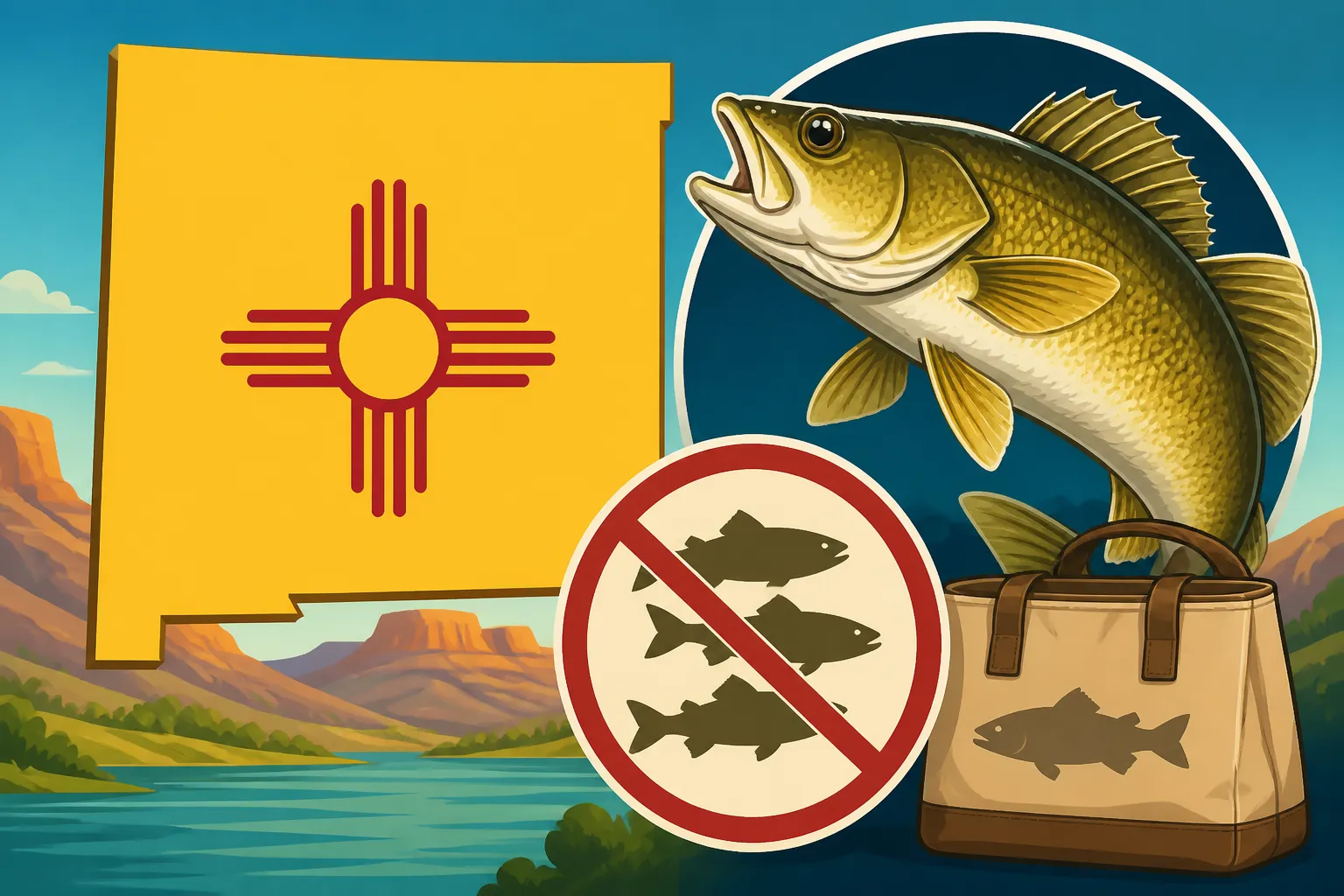
For walleye in New Mexico, the statewide bag limit is generally quite consistent, but it’s always wise to double-check the most current regulations provided by the New Mexico Department of Game and Fish (NMDGF). As of the most recent publications, the statewide bag and possession limit for walleye is typically 5 fish per day, with a possession limit of 10 fish. This means that on any given day, you can legally harvest up to five walleye. The possession limit refers to the total number of fish you can have in your physical control, whether in your cooler, at your campsite, or at home, which cannot exceed ten walleye. This distinction between daily bag and possession is really important. For example, if you catch and keep 5 walleye on Monday, you can't go out Tuesday and keep another 5 if you still have Monday's catch in your freezer and haven't eaten or shared them.
It's critical to understand that these limits apply to all anglers, regardless of whether you're a resident or a non-resident. If you're planning a multi-day trip, especially to popular walleye spots like Conchas Lake, you'll need to carefully manage your catch to stay within the possession limit. This also includes any fish you might have previously caught and stored from another trip. For a broader perspective on all species, you can consult the full New Mexico Warm Water Fish Bag Limits.
Distinguishing Walleye from Similar Species
One common pitfall for anglers is mistaking a walleye for another similar-looking fish, such as a sauger or even a white bass. While the statewide limit generally covers "walleye," understanding how to properly identify your catch is crucial for accurate compliance. Walleye are characterized by their large, glassy eyes (hence the name "walleye"), a distinct dark spot on the dorsal fin, and often a white tip on the lower lobe of their caudal (tail) fin. Sauger, while related, tend to have distinct spots on their dorsal fin and do not have the white tip on the caudal fin. White bass, on the other hand, are silvery with horizontal stripes and lack the walleye's distinctive eyes and fin markings.
If you accidentally keep a sauger thinking it's a walleye, and that puts you over the sauger limit (which might be different), you could face a violation. Taking a moment to confirm your fish's identity before putting it on the stringer or in the cooler is a simple step that saves a lot of potential headaches. When you're fishing in New Mexico, it’s always a good idea to have a copy of the official fishing regulations guide, either printed or on your phone, to quickly reference fish identification photos. Many anglers find laminated fish ID charts, readily available on platforms like Amazon, to be incredibly useful for quick identification right on the boat.
Variations and Special Exceptions
While the 5-fish daily bag and 10-fish possession limit is the general statewide rule for walleye, New Mexico's fisheries management is dynamic. Specific water bodies or unique circumstances can sometimes lead to special regulations that supersede the general statewide rule. These are often put in place to protect specific spawning populations, address localized ecological concerns, or promote trophy fisheries.
For instance, while generally uncommon for walleye, some "Special Trout Waters" have very stringent rules for trout species, but these rarely extend to warm-water species like walleye. However, a particular lake might have a slot limit (e.g., no walleye between 18-24 inches can be kept) or a reduced bag limit if the NMDGF determines the population needs extra protection. It’s absolutely vital that before heading out, you check the specific regulations for the particular body of water you plan to fish. The general New Mexico Fishing Regulations Overview is a great starting point, but always drill down to the specific lake or river section.
These special regulations are typically highlighted in the annual fishing proclamation or on the NMDGF website. Ignoring them, even unintentionally, is not an excuse for a violation. Staying informed is your responsibility as a respectful angler.
Why Walleye Limits Exist: Conservation and Management
You might wonder why we even have these limits in the first place. Why can't we just catch all the walleye we want? The answer lies in the delicate balance of aquatic ecosystems and the long-term sustainability of our precious fisheries. Walleye are a popular game fish, and without proper management, their populations could easily be overfished, leading to a decline that would impact both the ecosystem and future fishing opportunities.
Protecting Walleye Populations
Bag limits are a primary tool for protecting walleye populations from overharvest. Walleye are relatively slow-growing fish, and their reproductive success can be highly dependent on environmental factors like water levels, food availability, and spawning habitat. If too many fish are removed, especially larger, reproductively mature individuals, the population's ability to replenish itself can be severely compromised.
New Mexico's walleye fisheries, such as those found in Conchas Lake, Navajo Lake, and Ute Lake, are sustained through a combination of natural reproduction and strategic stocking efforts by the NMDGF. Limits help ensure that enough fish survive to spawn and that the stocked fish have a chance to grow to a desirable size. When you adhere to the bag limit, you're directly contributing to the health and longevity of these fisheries, ensuring that there will be walleye for years to come. This careful approach is part of the larger effort to manage all Fish Species Found in New Mexico.
Balancing Angler Opportunity
Beyond just protecting the fish, bag limits also serve to distribute the fishing opportunity among all anglers. Imagine if there were no limits; a few highly successful anglers could potentially deplete a significant portion of the fishable population in a short period. By setting a reasonable limit, the NMDGF aims to provide a fair chance for everyone to catch walleye, while still allowing for a rewarding harvest.
This balance is crucial for maintaining the popularity of fishing as a recreational activity. If fishing spots quickly become barren due to overharvest, angler participation would decline, which in turn would reduce funding for conservation efforts (much of which comes from fishing license sales). So, those limits aren't just about fish; they're about ensuring that everyone gets a piece of the pie, so to speak, and that the fishing tradition continues for generations.
The Role of New Mexico Department of Game and Fish NMDGF
The New Mexico Department of Game and Fish (NMDGF) is the primary agency responsible for managing the state's fisheries, including walleye. Their biologists conduct extensive research, including creel surveys (interviewing anglers about their catch), test netting, and habitat assessments, to monitor fish populations and ecosystem health. Based on this scientific data, they make informed decisions about bag limits, length limits, and stocking schedules.
The NMDGF also plays a critical role in education, informing anglers about current regulations and the importance of conservation. They regularly update their official fishing proclamation, available on their website and through various vendors. Your purchase of a New Mexico fishing license directly supports these vital conservation and management efforts. Every dollar spent on licenses and stamps helps fund fish stocking programs, habitat restoration, and enforcement that ensures the rules are followed. If you're curious about the financial aspect, you can find more details in New Mexico Fishing License Costs Explained.
Key Waters for Walleye Fishing in New Mexico
New Mexico may be known as the "Land of Enchantment," and while many think of trout in its mountain streams, the state also boasts some fantastic walleye fisheries. Knowing where to find them, and understanding if those places have any unique rules, is part of being a prepared angler.
Top Walleye Hotspots and Their Specifics
When it comes to walleye, a few names consistently rise to the top in New Mexico:
- Ute Lake: Located near Logan, Ute Lake is arguably New Mexico's premier walleye fishery. It's known for producing not only good numbers but also some truly impressive trophy-sized fish. Anglers here often use trolling techniques with crankbaits or bottom-bouncing rigs with live bait or plastics. The statewide 5-fish daily bag limit applies here, with the 10-fish possession limit. Keep an eye on the NMDGF website for any specific updates related to Ute Lake, as productive waters sometimes warrant special attention. You can learn more about general fishing at Ute Lake Fishing.
- Conchas Lake: Further south, Conchas Lake offers another excellent opportunity for walleye. This large reservoir, fed by the Conchas River, is popular for both boat and bank fishing. Like Ute, the statewide bag limit of 5 walleye applies. Walleye at Conchas Lake often respond well to jigs tipped with bait or plastics, especially around submerged structures and rocky points. Many anglers find specific success here during the spring spawn. For more specific insights, check out Walleye at Conchas Lake.
- Clayton Lake: While smaller than Ute or Conchas, Clayton Lake, nestled in northeastern New Mexico, is also a notable walleye destination. It's known for its consistent walleye population and has even produced some state record fish. The statewide limits apply here as well. Tactics similar to those used at Conchas and Ute often prove effective, with a focus on fishing structure. To get a sense of the potential, you might want to read about the New Mexico State Record Walleye.
These lakes are regularly monitored and often stocked with walleye by the NMDGF to ensure their productivity. Remember, these general descriptions are just a starting point; successful walleye fishing often requires adapting to local conditions and fish behavior on any given day.
Checking Local Regulations
I can't stress this enough: always, always, always check the specific regulations for the body of water you intend to fish before you go. While the statewide limit provides a good baseline, localized rules can exist. The NMDGF publishes an annual fishing proclamation that is the definitive source for all regulations. This document is typically released in the spring and covers the fishing year. You can usually find it:
- Online: On the official New Mexico Department of Game and Fish website. This is often the most up-to-date source.
- At License Vendors: Many places where you buy a New Mexico fishing license online or in person will have printed copies or digital access.
- At State Parks/Marinas: Locations like Ute Lake State Park or Conchas Lake State Park often have regulations posted or available at their visitor centers.
It’s your responsibility as an angler to be familiar with the rules for where you’re casting your line. Don't rely solely on what someone told you last year, or what you read in a forum. Regulations can and do change.
Seasonal Considerations for Walleye Anglers
Walleye behavior and, consequently, fishing success, can vary significantly with the seasons. While the bag limits themselves don't change seasonally unless explicitly stated for a particular body of water, understanding seasonal patterns can help you target them more effectively and thus better manage your catch.
- Spring: This is often a prime time for walleye, especially during and immediately after the spawn. They move into shallower waters, making them more accessible to anglers. You might find yourself hitting your limit quickly during this period.
- Summer: As water temperatures rise, walleye often move to deeper, cooler waters, concentrating around structure. Trolling or deep jigging becomes more effective. During hot summer days, they might feed more actively during dawn, dusk, or even at night.
- Fall: As waters cool, walleye can become very active again, feeding heavily in preparation for winter. This can be another excellent time to catch them, often in similar locations and depths as in spring.
- Winter: In lakes that freeze over, ice fishing for walleye can be highly productive. They remain active under the ice, often caught by jigging or tip-ups.
Understanding these patterns not only helps you catch fish but also manage your daily bag limit. If you know walleye are biting hot and heavy, you can plan your day accordingly, perhaps releasing some fish early on to save your limit for larger ones later. For comprehensive strategies, take a look at our Walleye Fishing in New Mexico guide.
Complying with New Mexico Walleye Regulations: Practical Tips
Beyond just knowing the numbers, there are practical steps you can take on every fishing trip to ensure you're always in compliance with New Mexico's walleye regulations. These tips can help you avoid accidental violations and make your experience more enjoyable.
Measuring and Handling Walleye Properly
Many fish species have length limits in addition to bag limits. While the statewide walleye limit in New Mexico typically doesn't include a minimum length, it's always good practice to measure your catch, especially if you're targeting a particular size. Having a reliable measuring board or tape is essential. These can be simple tape measures you find on Amazon, or more specialized fish rulers designed for boat use.
When you catch a walleye and plan to keep it, handle it carefully. Use a wet hand to minimize slime coat removal, and if you're using a net, make sure it's a knotless, rubberized net to prevent damage. If you're releasing a fish that doesn't meet your personal size preference (even if legal to keep) or if you've already filled your bag limit, do so quickly and gently. Support the fish's belly, revive it if necessary, and release it in good condition. Keeping fish alive and healthy until you decide whether to keep them is a hallmark of a responsible angler.
Recording Your Catch
While New Mexico does not typically require anglers to log every fish caught (unlike some states with catch card systems for specific species), keeping a mental or even a physical tally of your walleye catch is a smart habit. This is especially true when you're fishing with multiple people on a boat. The boat's total catch must also comply with the combined individual limits. For example, if two anglers each have a 5-fish limit, the boat can hold 10 walleye. If one person catches 5 and the other catches 2, they are still within the combined limits.
A small notepad and pencil or a fishing app on your phone can be invaluable tools for tracking your count. This ensures you don't accidentally go over your personal or boat's combined limit, which can easily happen during a hot bite. For group outings, designate one person to keep a running tally of all fish kept to avoid any confusion.
Consequences of Violating Bag Limits
Fishing without a valid license or exceeding the bag limit is not just a minor oversight; it's a violation of state law and carries real consequences. New Mexico takes its wildlife management seriously, and enforcement officers are diligent in protecting these resources.
Penalties for fishing violations, including exceeding bag limits, can range from fines to confiscation of equipment, and in some cases, even jail time. Fines can vary depending on the severity of the violation and the species involved, but they are often substantial. Additionally, you could face the loss of your fishing privileges in New Mexico for a period of time. Nobody wants a great day of fishing to end with a hefty fine or a court appearance. It’s far better to be informed and comply with the regulations. Our guide on New Mexico Fishing Violations and Penalties offers more specific details on what could happen if you're caught breaking the rules. Always err on the side of caution, and if you're ever unsure about a regulation, contact the NMDGF directly.
New Mexico Walleye Regulations at a Glance
To make things easy, here’s a quick summary of the general walleye regulations in New Mexico. Remember, this table reflects typical statewide rules and should always be cross-referenced with the latest NMDGF proclamation for specific waters.
| Regulation Category | Statewide Rule (General) | Important Considerations |
|---|---|---|
| Daily Bag Limit | 5 Walleye | This is the maximum number of walleye you can harvest in one calendar day. |
| Possession Limit | 10 Walleye | This is the maximum number of walleye you can have in your possession at any given time, regardless of when caught. |
| Length Limits | Generally None (Statewide) | Always check specific water body regulations, as special length limits could apply. |
| Identification | Crucial for distinguishing from sauger, white bass. | Know your fish! Carry an ID guide if unsure. |
| License Required | Yes | A valid New Mexico fishing license (and often a Habitat Stamp) is required for all anglers 12 and older. |
By keeping these guidelines in mind, you’re not just avoiding penalties; you’re being a responsible steward of New Mexico's natural resources. Happy walleye fishing!
Disclaimer
Please note that fishing regulations, including bag limits and possession limits, are subject to change. While this guide provides the most up-to-date general information available at the time of writing, it is the sole responsibility of each angler to consult the current New Mexico Department of Game and Fish (NMDGF) fishing proclamation and regulations for the specific waters they intend to fish before heading out. Failure to do so may result in legal penalties.