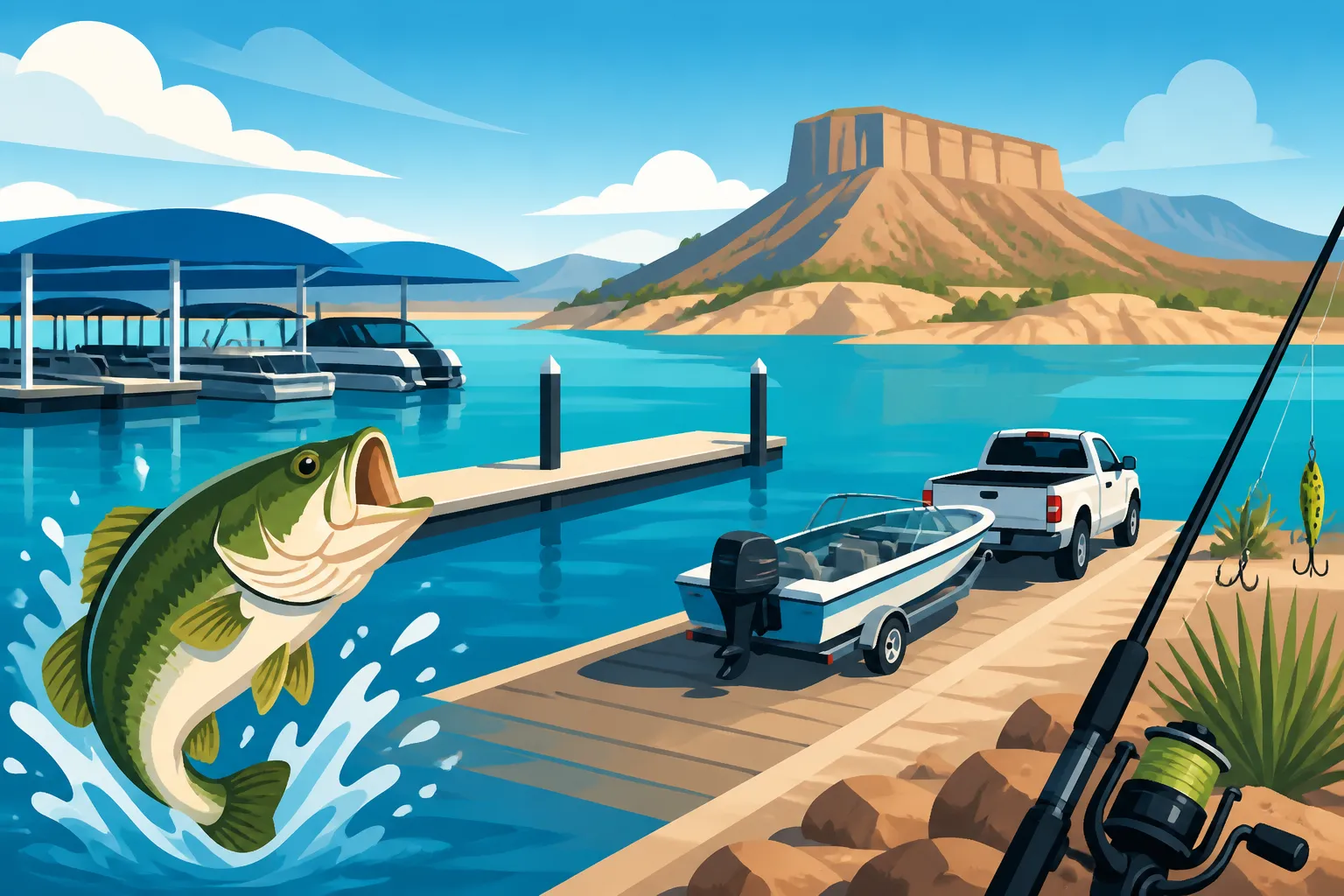
Elephant Butte Lake Boat Ramps and Marinas
It's incredibly frustrating when you're geared up for a fantastic day of fishing, excited to hit the water, only to arrive at the lake and find that the boat ramp you planned to use is either closed, submerged, or completely dry due to fluctuating water levels. Elephant Butte Lake, with its immense size and dynamic nature, presents this challenge regularly to even the most seasoned New Mexico anglers. This comprehensive guide is designed to cut through that confusion, providing you with all the essential details on Elephant Butte's boat ramps and marinas, ensuring your next fishing adventure starts smoothly and safely.
Understanding Elephant Butte Lake's Vastness and Access Challenges
Elephant Butte Lake is not just any fishing spot; it's the largest body of water in New Mexico, a sprawling desert oasis that changes character with the seasons and rainfall. Its sheer scale means that understanding its access points is not just a convenience, but a necessity for a successful outing. Many anglers, especially those new to the area, often underestimate how much the lake's fluctuating water levels can impact their day.
The Sheer Scale and Ever-Changing Landscape
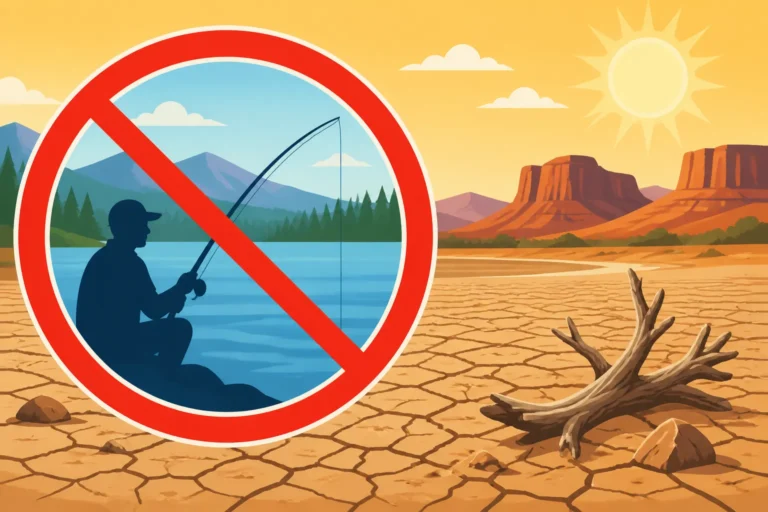
Imagine a lake so large it spans over 40 miles in length when full, offering nearly 200 miles of shoreline. This immense size, while offering incredible fishing opportunities for species like walleye, catfish, and the famed striped bass, also means that navigating its access points can be tricky. Unlike smaller, more predictable lakes, Elephant Butte's water levels can vary dramatically throughout the year. During periods of drought, certain ramps might be completely high and dry, requiring four-wheel drive and careful navigation to launch, if they're even usable at all. Conversely, after significant rainfall or upstream releases, ramps that were once barely accessible might suddenly be perfectly fine.
This constant state of flux is what makes Elephant Butte both challenging and endlessly fascinating. It demands that anglers stay informed and adaptable, never taking a boat ramp's usability for granted. The deep canyons and expansive flats that define the lake's underwater topography also extend to its shoreline, meaning that a slight drop in water can expose vast tracts of mud or rock, turning a once-easy launch into a serious logistical puzzle.
Why Proper Access Planning is Crucial for Anglers
The last thing anyone wants after a long drive, with a boat in tow and eager anticipation, is to pull up to a boat ramp only to find it gated off, impassable, or simply too shallow to launch safely. This kind of disappointment can ruin a trip before it even begins. Proper access planning for Elephant Butte Lake is not just about knowing where the ramps are, but which ones are currently operational and suitable for your vessel.
Checking current conditions means more than just looking at a map; it involves understanding recent precipitation, dam releases, and consulting up-to-date resources. Without this foresight, you could waste precious fishing time driving from one closed ramp to another, or worse, put your boat and vehicle at risk trying to force a launch in unsuitable conditions. This proactive approach is particularly important for those targeting specific areas of the lake, as different ramps offer access to different types of habitat, from the rocky points favored by smallmouth bass to the open water where the big stripers roam. Taking the time to plan ensures that your focus remains on the thrill of the catch, not the frustration of a failed launch.
Major Public Boat Ramps at Elephant Butte Lake
Elephant Butte Lake boasts several key boat ramps, each offering unique access to different sections of the lake and varying levels of reliability depending on water levels. Knowing the characteristics of each ramp can significantly streamline your trip planning, especially if you're targeting specific species or fishing styles, such as those described in our Elephant Butte Lake Striped Bass Fishing guide.
Monticello Point Boat Ramp (North End Access)
Monticello Point, situated on the northern end of Elephant Butte Lake, serves as a crucial access point for anglers looking to explore the shallower, often more remote reaches of the lake. This ramp is particularly popular for those who prefer to escape the heavier boat traffic found closer to the dam. It offers a more rustic experience, appealing to anglers seeking solitude and a chance to truly immerse themselves in the high desert landscape. However, its usability is highly dependent on lake levels, making it one of the first ramps to become challenging or unusable during drought conditions.
When water levels are adequate, Monticello Point provides ample concrete ramp lanes, typically accommodating multiple boats simultaneously. The parking area is generally spacious, capable of handling numerous truck and trailer rigs, though it can become quite dusty. Facilities here are basic, usually including vault toilets, but don't expect the extensive amenities found at the lake's more developed areas. Anglers launching from Monticello often head towards the narrows or the northern coves, which can be excellent for largemouth bass, crappie, and even catfish. It's a fantastic starting point for those wanting to explore the upper reaches, but always check the current water level data before making the drive.
Rock Canyon Boat Ramp (Central Access)
Rock Canyon is often considered a reliable mid-lake access point, strategically positioned to offer a balance between ease of access and proximity to diverse fishing grounds. This ramp is typically better maintained than some of the more primitive options and can often remain operational at lower water levels than Monticello Point, though it still has its limits. Its central location makes it a versatile choice, allowing anglers relatively quick access to both the main lake body and various coves and submerged structures.
The Rock Canyon ramp typically features multiple concrete lanes and a large, paved or gravel parking lot. While it doesn't offer the full-service experience of a marina, it usually has improved restroom facilities and sometimes even trash receptacles, making it a step up in convenience. From Rock Canyon, you can easily venture south towards the dam or north into the expansive central lake area. It's a prime launching spot for targeting walleye, which often hold on underwater points and humps in the central basin, and is also a great option if you're heading out for Elephant Butte Lake Walleye Fishing. Because of its consistent usability compared to other ramps, Rock Canyon can see significant traffic, especially on weekends and holidays, so arriving early is often a good strategy to avoid queues at the launch.
Dam Site Boat Ramp (South End Access & Key Features)
The Dam Site Boat Ramp is arguably the most critical and consistently accessible boat launch at Elephant Butte Lake. Located at the southern end, nearest to the dam, this ramp benefits from deeper water and a more robust infrastructure, making it the go-to choice when other ramps might be unnavigable due to low lake levels. For many, if you're unsure about the conditions elsewhere, the Dam Site is your safest bet for getting on the water.
This ramp offers multiple lanes, typically wide and well-maintained, designed to handle high volumes of boat traffic. The adjacent parking area is extensive, though during peak season, it can still fill up quickly. What sets the Dam Site apart is its proximity to other critical services and popular fishing areas. It's right near the main marina, restaurants, and lodging options, making it incredibly convenient for multi-day trips or for those who prefer to stay close to amenities. Anglers launching from here have immediate access to the deepest parts of the lake, which are often prime territory for trophy striped bass and suspended walleye. This area is a cornerstone for those looking to explore the diverse opportunities highlighted in our comprehensive Elephant Butte Lake Fishing Guide. Its reliability and the array of nearby services often make it the busiest ramp, so patience and courteous launching practices are always appreciated here.
Marinas and Commercial Services for Anglers
Beyond the public ramps, Elephant Butte Lake is home to a couple of key marinas that offer much more than just boat access. These facilities are vital hubs for anglers, providing everything from fuel and supplies to boat rentals and expert advice. They transform a simple fishing trip into a more comfortable and well-supported experience.
Elephant Butte Marina (Comprehensive Services)
The Elephant Butte Marina is the largest and most comprehensive facility on the lake, a true cornerstone for serious anglers and casual boaters alike. Located conveniently near the Dam Site, it offers an extensive array of services designed to meet almost every need you might have on your fishing adventure. This isn't just a place to dock your boat; it's a full-service operation that greatly enhances the lake experience.
Here, you'll find a wide selection of slips available for rent, catering to various boat sizes, whether you're bringing your own vessel for a weekend or an entire season. The convenience of having your boat securely moored is a huge draw. Crucially, the marina also provides essential services like fuel docks, saving you the hassle of trailering your boat every time you need to top off the tank. Beyond the basics, the Elephant Butte Marina typically features a well-stocked tackle shop, offering everything from local bait preferences and popular lures to fishing line, hooks, and other terminal tackle specific to Elephant Butte's unique fisheries. This is an invaluable resource for getting up-to-date information on what's biting and where. For those who don't own a boat, or simply want to try a different type of vessel, the marina often has a selection of boat rentals available, ranging from pontoon boats for family outings to fishing boats equipped for serious angling. If you're looking to hire a local expert, many professional fishing guides operate out of this marina, and services like FishingBooker can help you find and book a reputable guide for an unforgettable day on the water, ensuring you get the most out of your visit. The presence of restrooms, a general store for snacks and drinks, and sometimes even a restaurant or cafe, rounds out the offerings, making it a one-stop-shop for a complete lake experience.
Dam Site Marina (Convenience and Proximity)
Also located in the bustling southern part of the lake, the Dam Site Marina serves as another critical hub for convenience, especially given its direct proximity to the most reliable boat ramp. While perhaps not as sprawling as the main Elephant Butte Marina, it offers focused services that are incredibly valuable for anglers, particularly those making day trips or shorter stays.
Its prime location means that once you launch your boat at the Dam Site ramp, you're just a stone's throw away from vital amenities. Anglers can quickly fuel up their boats, grab last-minute ice, snacks, or drinks from the convenience store. The tackle shop here, though possibly smaller than the main marina's, is usually well-equipped with the essentials for local fishing. For visitors who haven't brought their own watercraft, the Dam Site Marina is often a key spot Where to Rent a Boat at Elephant Butte Lake, providing various options from fishing boats to pleasure crafts. This accessibility makes it a popular choice for families and tourists looking to enjoy a day on the water without the commitment of owning a boat. The marina's focused approach on direct convenience and fast service complements the more extensive offerings of the larger marina, making both indispensable resources for anyone spending time on Elephant Butte Lake. Whether you're topping off your bait supply or simply seeking a quick break from the sun, the Dam Site Marina stands ready to assist.
Navigating Water Level Fluctuations and Ramp Closures
One of the biggest headaches for anglers at Elephant Butte Lake is the unpredictable nature of its water levels. This isn't a stagnant reservoir; it's a dynamic system influenced by snowmelt, rainfall, and irrigation demands, which means that the usability of boat ramps can change literally overnight. Staying informed is paramount to avoiding frustration and ensuring you can actually get your boat on the water.
Real-Time Water Level Monitoring
The key to successfully navigating Elephant Butte's ever-changing landscape lies in real-time information. Thankfully, there are several reliable resources available to check the current lake levels before you even leave your driveway. The U.S. Bureau of Reclamation, which manages the dam, is an excellent source for official data. Their websites or local park offices often provide daily or weekly updates on the lake's elevation, inflow, and outflow. Additionally, the New Mexico State Parks website for Elephant Butte Lake will frequently post alerts regarding ramp closures or restrictions.
You'll typically see water levels reported in terms of "feet above sea level" or "percentage full." It's helpful to know what these numbers mean for the ramps you plan to use. For example, a local guide or seasoned angler might tell you that Monticello Point becomes difficult below a certain elevation. Keeping an eye on the trend – whether the lake is rising, falling, or stable – is just as important as the current number. You can often find the most up-to-date details on the Elephant Butte Lake Water Level Today on various online fishing forums, state park websites, or even by calling the park office directly. Don't rely on information that's more than a day or two old, especially during volatile weather periods. A quick check of these resources can save you hours of driving and prevent major disappointment.
Seasonal Impact on Ramp Availability
The seasons play a massive role in how accessible Elephant Butte's boat ramps are, dictating not just fishing patterns but also whether you can even launch your boat. Understanding these seasonal nuances is crucial for planning your trips.
Spring often brings the most favorable conditions. As snowmelt from the northern mountains flows down the Rio Grande, it replenishes the lake, causing water levels to rise. This typically means that all major ramps, including Monticello Point, Rock Canyon, and the Dam Site, are fully operational and easily accessible. This is a fantastic time for all types of fishing, as the rising water often inundates new vegetation, creating fresh habitats and opportunities. However, heavy spring runoff can also bring debris, so always be vigilant when boating.
Summer can be a mixed bag. Early summer might still see high water, but as the irrigation season progresses and evaporation rates climb, the lake levels tend to drop. By late summer, especially if rainfall has been scarce, you might find that Monticello Point and even parts of Rock Canyon become challenging or completely closed. The Dam Site ramp usually remains open the longest due to its deeper water. This is when real-time checks become critical.
Fall usually continues the trend of receding water levels, sometimes reaching their lowest points before winter. However, the fishing can be exceptional during this period, particularly for striped bass and walleye, as fish school up. Anglers often adapt by using smaller boats or launching from the most resilient ramps. Finally, winter generally sees stable, low water levels, but boat traffic is significantly reduced, offering a peaceful experience for those willing to brave the chill. Some ramps might remain closed through the winter, while others will be open but may require careful navigation of exposed shorelines. For detailed information on year-round angling, our Best Time of Year to Fish in New Mexico guide can provide further insights.
Essential Preparation for Launching and Boating Safety
Getting your boat on the water at Elephant Butte is only half the battle; ensuring you do so safely and legally is equally important. Whether you're a seasoned boater or just starting out, a thorough preparation routine is essential. The open waters of Elephant Butte can be beautiful, but they demand respect and readiness.
Pre-Launch Checklist and Best Practices
Before you even leave home, a comprehensive pre-launch checklist can prevent countless headaches. Start with your trailer: check tire pressure, ensure all lights are working, and verify that the hitch and safety chains are securely connected. Nothing ruins a trip faster than a roadside breakdown. Once at the ramp, don't rush the launch. Observe other boaters, understand the ramp's incline, and identify any potential hazards like submerged rocks or debris.
When backing down, go slow and take your time. If you're new to trailering, practice in an empty parking lot first. Once the boat is in the water, quickly but calmly detach the winch strap and safety chain. Always have your drain plug in place – a common and embarrassing oversight! Start your engine while still at the ramp to ensure it's running smoothly before moving away from the dock. Stow all loose gear, rods, and tackle securely. And most importantly, have all your Required Safety Gear on a New Mexico Boat readily accessible, including life jackets for everyone on board, a fire extinguisher, and a sounding device. Taking these extra steps not only ensures your safety but also helps maintain a smooth flow at the ramp for everyone.
Boat Registration and Safety Regulations
Operating a motorized boat on New Mexico waters, including Elephant Butte Lake, comes with specific legal responsibilities. Ignoring these can lead to fines, impoundment, or worse, serious safety incidents. The most fundamental requirement is proper boat registration and titling. Just like your car, your boat needs to be registered with the New Mexico Motor Vehicle Division (MVD). This typically involves providing proof of ownership, filling out an application, and paying the appropriate fees, which can vary based on the boat's length and type.
It's not just about the paperwork, though. Once you're out on the water, you must adhere to various safety regulations designed to protect all boaters. This includes having enough U.S. Coast Guard-approved life jackets for every person on board, including children, and ensuring they are easily accessible. Certain boat sizes and types also require specific equipment like navigation lights (if operating after sunset or before sunrise), a horn or whistle, and visual distress signals. Knowledge of right-of-way rules, speed limits in certain zones, and alcohol consumption laws are also critical. For a complete understanding of all legal requirements, be sure to consult the official New Mexico Boat Registration and Titling Guide and the latest boating regulations issued by New Mexico State Parks. Abiding by these rules isn't just about avoiding penalties; it's about fostering a safe and enjoyable environment for everyone who shares the water.
Beyond the Ramps: Exploring Other Access Points
While boat ramps and marinas are the primary gateways to Elephant Butte Lake for many, they aren't the only ways to enjoy its waters. For those without a large boat, or when water levels make traditional launching impossible, alternative access points offer unique opportunities to experience this vast New Mexico gem.
Bank Fishing and Alternative Access
Sometimes, the best fishing doesn't require a boat at all, or at least not a large one. Elephant Butte offers fantastic bank fishing opportunities, especially when water levels are cooperative and expose more shoreline. Many of the designated recreation areas around the lake, even those with boat ramps, also have accessible shoreline where anglers can cast a line from solid ground. These areas are particularly popular for families or those looking for a more relaxed fishing experience.
You can often find good spots for bank fishing near the Dam Site, where the water remains relatively deep, or within the various coves around Rock Canyon. For those willing to explore, less formal access points can be found along dirt roads leading to the lake's perimeter, though these often require a high-clearance vehicle and a good sense of direction. Always be mindful of private property signs and respect the land. Bank fishing is excellent for targeting catfish, especially in the evenings, and can also yield good numbers of crappie and various sunfish. Our guide on Best Bank Fishing Spots on Elephant Butte Lake offers more specific locations and tips for those who prefer to keep their feet on solid ground. Remember to carry out everything you carry in to preserve these valuable access points for everyone.
Considerations for Kayaks and Smaller Craft
For anglers who prefer the quiet approach of a kayak, canoe, or inflatable float tube, Elephant Butte Lake offers a different kind of access. While these smaller craft can often be launched from official boat ramps, they also have the distinct advantage of being deployable from many other points along the shoreline where a traditional trailer boat simply couldn't go. This flexibility opens up a wealth of secluded coves and shallow areas that rarely see fishing pressure from larger vessels.
Kayaks, in particular, have grown immensely popular for fishing Elephant Butte. They allow anglers to silently paddle into tight spaces, explore hidden pockets, and get up close to structure where bass and other species might be hiding. The lighter weight and portability mean you can often pull right off a dirt road, unload your kayak, and paddle out, bypassing the potential queues and complexities of boat ramps altogether. Of course, safety remains paramount: always wear a life jacket, especially on a lake as large and prone to wind as Elephant Butte. The wind can whip up quickly, turning a calm paddle into a challenging slog. It's wise to stick to more sheltered coves or plan your trips for calmer mornings or evenings. Despite the challenges, the solitude and unique access afforded by kayaks and other small craft can lead to some truly memorable fishing experiences on this magnificent lake. For those considering what kind of boat is best suited for this reservoir, our Best Boats for New Mexico Reservoir Fishing article provides a detailed comparison.
Comparison of Major Elephant Butte Lake Access Points
To help you make an informed decision for your next fishing trip, here's a quick comparison of the primary boat ramps at Elephant Butte Lake. Keep in mind that real-time water levels can significantly alter these general characteristics.
| Feature | Monticello Point Boat Ramp | Rock Canyon Boat Ramp | Dam Site Boat Ramp |
|---|---|---|---|
| Location | Northern end of the lake | Central lake area | Southern end (near dam) |
| Primary Access To | Upper lake, shallower coves | Central lake, diverse structure | Deep main lake, dam area |
| Water Level Resilienc | Low (first to become difficult) | Medium (better than Monticello) | High (most consistently open) |
| Typical Traffic | Low to Medium | Medium to High | High (especially peak season) |
| Amenities | Basic (vault toilets) | Moderate (improved restrooms) | Extensive (near marinas, shops, fuel) |
| Best For | Solitude, shallow water species | Versatile, mid-lake exploration | Reliability, deep water species, convenience |
| Common Fish Target | Largemouth Bass, Catfish | Walleye, Crappie, Bass | Striped Bass, Walleye, Catfish |
Disclaimer
The information provided in this guide is for general informational purposes only and is based on current understanding and publicly available data. Water levels, regulations, and facility availability at Elephant Butte Lake can change rapidly and without notice due to weather conditions, operational demands, and other factors. Always consult the official New Mexico State Parks website, the U.S. Bureau of Reclamation, or contact the Elephant Butte Lake State Park office directly for the most current and accurate information before planning your trip. Fishing and boating inherently carry risks, and users are responsible for their own safety, adherence to all regulations, and environmental stewardship.