Navajo Lake Camping and Fishing Access
Many anglers dream of a peaceful retreat where they can easily combine a relaxing camping trip with fantastic fishing. However, finding that perfect spot with both convenient access and great opportunities can sometimes feel like searching for a needle in a haystack, especially in a vast state like New Mexico. You want to know if you can pitch a tent near the water, launch your boat without a hassle, and find those elusive fish all in one place. Well, if Navajo Lake has been on your radar, you're in luck! This comprehensive guide will walk you through everything you need to know about camping and fishing access at this incredible northern New Mexico gem, ensuring your next outdoor adventure is nothing short of spectacular. Navajo Lake truly stands out as one of the Best Places to Fish in New Mexico, offering a world-class experience for both seasoned and novice outdoors enthusiasts.
Exploring Navajo Lake State Park's Diverse Camping Options
Navajo Lake State Park is a sprawling oasis, the second-largest lake in New Mexico, renowned for its crystal-clear waters and breathtaking red rock canyons. What makes it truly special for us outdoor lovers is the sheer variety of camping options available, catering to every style, from luxurious RVs to rustic tent sites. You won't just be fishing; you'll be living the lake life. It's a place where the stars are brighter, the air is fresher, and the calls of nature replace the everyday hustle and bustle.
Developed Campgrounds and Amenities
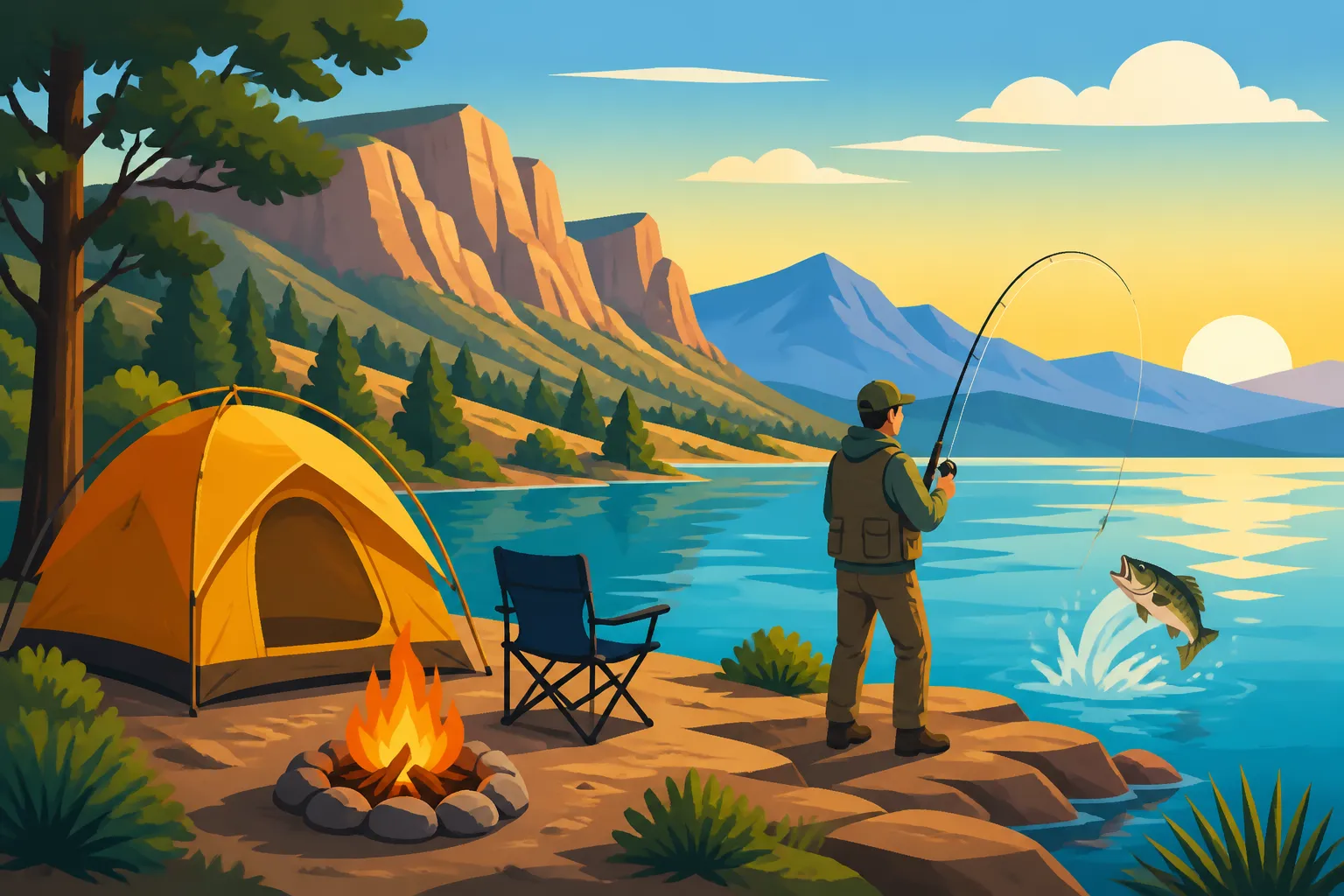
For those who prefer a few more creature comforts after a long day of reeling in fish, Navajo Lake offers three fantastic developed campgrounds: Pine River, Cottonwood, and Cedar Canyon. These aren't just patches of dirt; they're thoughtfully laid out areas designed to make your stay as comfortable as possible. Each campground typically features paved roads, picnic tables, fire rings, and often shade structures, which are a blessing during those warm New Mexico afternoons. Pine River and Cottonwood are particularly popular for their proximity to the water and convenient facilities. You'll often find flush toilets and showers available, a huge plus when you've got kids or just appreciate washing off the lake grime. Many sites also offer electric and water hookups, perfect for RVs, meaning you can keep your lights on, your coffee brewing, and your air conditioning running if you need it. Imagine pulling your RV right up to a spot, setting up camp, and then walking just a few steps to the shore to cast your line. It's that kind of convenience that makes these developed sites so desirable.
Cedar Canyon is another excellent choice, slightly more secluded but still offering vital amenities. It’s a bit further from the main marina action, which some folks prefer for a quieter experience. When planning your trip, especially during peak seasons like summer or popular holiday weekends, making reservations well in advance is highly recommended. These spots fill up fast, and showing up hoping to snag a prime lakeside site can lead to disappointment. A quick check on the New Mexico State Parks website or calling ahead can save you a lot of hassle and ensure your chosen spot is waiting for you.
Primitive Camping and Dispersed Sites
If you're like me and sometimes crave a more rugged, back-to-nature experience, Navajo Lake also offers options for primitive and dispersed camping. This is where you can truly escape the crowds and find your own slice of wilderness. Away from the designated campgrounds, there are areas where you can set up camp with fewer amenities but with unparalleled solitude and stunning views. These sites often require more self-sufficiency – think packing in all your water, packing out all your trash, and being prepared to dig a cathole. However, the reward is an unadulterated connection with nature.
The beauty of primitive camping here is the freedom it offers. You might find a quiet cove accessible only by boat, or a secluded spot high on a bluff overlooking the vast expanse of the lake. Just remember, while the views are spectacular, accessibility can be challenging for larger vehicles, and you won't have the luxury of restrooms or potable water. Always check current regulations with the park rangers before heading out for dispersed camping, as specific areas might be closed due to fire restrictions or wildlife management. The rules around campfires can change with conditions, so always be informed and practice Leave No Trace principles. This kind of camping is perfect for those who want to wake up to the sound of birds, not generators, and truly feel immersed in the natural beauty surrounding Navajo Lake.
Making Reservations and Understanding Fees
Navigating the reservation system and understanding the various fees can sometimes be a bit confusing, but it’s crucial for a smooth trip. For developed campsites at Navajo Lake State Park, you can typically make reservations online through the New Mexico State Parks reservation portal. It’s pretty user-friendly, allowing you to view available sites, check amenities, and secure your spot months in advance. Prices vary depending on the type of site (e.g., standard, electric hookup, full hookup) and whether you are a New Mexico resident or a non-resident. Generally, expect to pay anywhere from $10-$20 for a basic tent site and $18-$30 for an RV site with hookups per night.
Beyond the campsite fee, there's also a day-use fee to enter the state park, which is often waived if you have a valid camping reservation. However, it's always good to clarify. For those who frequent New Mexico State Parks, an annual State Parks Pass can be a fantastic investment, covering your entrance fees for the entire year. Primitive camping usually comes with a lower fee, often just the standard park entrance fee, but again, confirm this with park staff. Keep in mind that these fees go directly back into maintaining the park, stocking fish, and ensuring facilities are clean and safe for everyone, so it's money well spent. Always confirm current rates and policies, as they can sometimes change annually. Don't let a small fee surprise ruin an otherwise perfect trip!
Unlocking Prime Fishing Access at Navajo Lake
Navajo Lake isn't just a pretty face; it's a fishing paradise. Whether you're a seasoned angler with a fancy bass boat or a casual bank fisherman hoping to catch a few trout, there's access for everyone. The diverse fishery means you can target several species, offering a different challenge each time you visit. This variety is precisely why so many people make Navajo Lake a regular stop on their fishing calendar. To truly enjoy your time on the water, understanding the various access points is key.
Premier Boat Launch Facilities
For serious anglers who bring their own vessels, Navajo Lake boasts excellent boat launch facilities that make getting on the water a breeze. The primary boat ramps are located at Pine River, Cottonwood, and Sims Mesa. These ramps are well-maintained, typically paved, and designed to handle a range of boats, from small fishing skiffs to larger cruisers. Pine River and Cottonwood marinas are particularly popular because they offer comprehensive services, including fuel docks, boat rentals, and often a convenience store for last-minute supplies. These marinas are hubs of activity, especially during the warmer months, where you can easily find everything you need to start your day on the water. If you're looking for more details on getting your vessel ready, check out our guide on Navajo Lake Boat Ramps or New Mexico Boat Registration for Anglers.
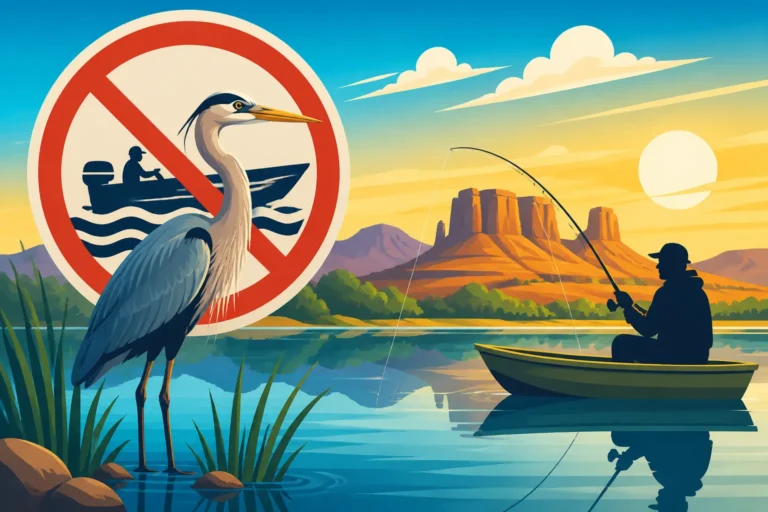
Launching a boat can be a bit intimidating if you're new to it, but the ramps at Navajo Lake are generally forgiving. Just be mindful of other boaters, especially on busy weekends, and always follow safety guidelines. Remember to have all your required safety equipment onboard and ensure your boat registration is up-to-date. If you’re visiting from out of state, be aware of specific New Mexico regulations regarding vessel requirements. Once you're out on the water, the lake opens up, offering endless possibilities for trolling for Kokanee Salmon or chasing Smallmouth Bass along rocky points.
Exceptional Shoreline Fishing Opportunities
You don't need a fancy boat to experience the thrill of fishing at Navajo Lake. There are numerous spots offering fantastic shoreline access, perfect for anglers who prefer to keep their feet on solid ground. Many of the developed campgrounds, particularly Pine River and Cottonwood, have easily accessible shoreline areas right near the campsites. This means you can wake up, grab your rod, and be casting within minutes. The convenience is unbeatable, especially if you're camping with kids or just enjoy a more laid-back approach.
Beyond the campgrounds, you'll find pull-offs and trails leading to various coves and points around the lake. These areas can be fantastic for targeting Rainbow Trout, Brown Trout, and even Walleye, depending on the season and depth. While you won't have the same mobility as a boat, a little exploration can lead you to secluded spots where fish often congregate. Pack a comfortable chair, a cooler with snacks, and plenty of water, and you can easily spend an entire day enjoying the tranquility and the fishing action. Just be mindful of uneven terrain and always secure your gear when fishing from steeper banks. Shore fishing can be incredibly rewarding, especially when you find that hidden gem of a spot where the fish are biting. If you're specifically interested in Navajo Lake Kokanee Salmon Fishing, while boats offer greater access, shore anglers can sometimes find success during the spawning run in specific areas.
The Legendary San Juan River Quality Waters Access
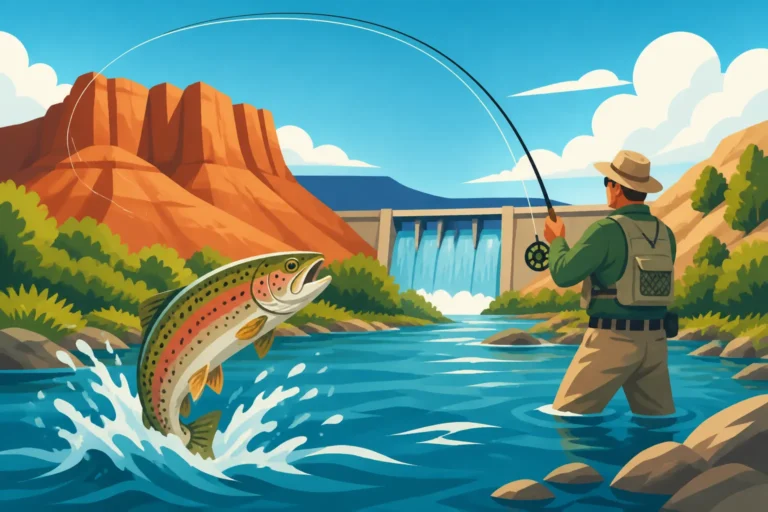
Perhaps one of the most compelling reasons for any serious angler to visit Navajo Lake is its direct connection to the world-renowned San Juan River Quality Waters. This section of the river, located immediately downstream from the Navajo Dam, is a true Mecca for fly fishermen, consistently ranking among the top trout fisheries in the United States. While not technically in the lake, access to this incredible tailwater fishery is literally at your fingertips when you're visiting the dam area of Navajo Lake State Park.
The San Juan Quality Waters is famous for its abundant population of large, healthy Rainbow Trout and Brown Trout, thriving in the cold, consistent flows released from the bottom of the dam. The regulations here are strict – artificial flies and lures only, with single, barbless hooks, and catch-and-release is strongly encouraged in many sections – but the fishing can be absolutely phenomenal. Many anglers consider it a rite of passage to fish these waters. There are designated parking areas and easy-to-navigate paths and boardwalks that provide access to prime fishing runs. If you're looking for an in-depth dive into this iconic fishery, our San Juan River Fishing Guide is an invaluable resource. This access elevates a Navajo Lake trip from great to truly legendary, offering a diverse experience that caters to multiple fishing styles all in one vacation.
Planning Your Navajo Lake Fishing and Camping Adventure
A successful fishing and camping trip to Navajo Lake requires a bit of thoughtful planning. It’s not just about throwing your gear in the car; it’s about understanding the rules, knowing when to go, and having the right equipment. Taking the time to prepare will save you headaches and maximize your enjoyment once you're there. No one wants to drive all that way only to realize they forgot something crucial or missed a key regulation.
Essential Licenses and Regulations
First and foremost, if you plan to fish, you absolutely need a valid New Mexico fishing license. There are no exceptions, even for quick trips. You can find all the details in our comprehensive New Mexico Fishing License Guide. For most adult residents and non-residents, an New Mexico Annual Fishing License is the most common choice, valid from April 1st to March 31st of the following year. Children under 12 typically do not need a license, but it's always best to check the current regulations, which you can find in our New Mexico Fishing Regulations Overview.
In addition to your fishing license, many anglers will also need a New Mexico Habitat Management and Access Validation (HMAV) stamp, often referred to as a Habitat Stamp. This stamp is crucial for fishing on federal lands, which many parts of Navajo Lake and the San Juan River fall under. Be sure to check our guide on New Mexico Habitat Stamp and Validation Requirements to determine if it applies to your specific fishing plans. The funds from these licenses and stamps directly support the conservation efforts and stocking programs that make New Mexico's fisheries so incredible. Failing to have the correct license or stamp can result in hefty fines, so don't risk it! You can easily purchase your licenses online through the New Mexico Department of Game and Fish website or from licensed vendors across the state. Understanding New Mexico Fishing License Costs Explained can help you budget accordingly.
Best Times to Visit for Camping and Fishing
Navajo Lake offers something year-round, but the "best" time to visit really depends on what you're hoping to experience.
Spring (April-May): This is a fantastic time for both camping and fishing. The weather is generally mild, crowds are thinner than in summer, and the fishing for trout and bass starts to pick up as water temperatures rise. Runoff from snowmelt can sometimes make river fishing challenging, but the lake itself is often excellent.
Summer (June-August): This is peak season for camping and all water sports. Expect warmer temperatures, busy campgrounds, and bustling marinas. Fishing can still be great, especially early mornings and evenings. Kokanee Salmon are often targeted this time of year, and the Smallmouth Bass bite can be phenomenal. Make sure to reserve your campsites months in advance if you plan a summer trip!
Fall (September-October): Hands down, my personal favorite. The crowds thin out, the weather is crisp and cool, and the foliage around the lake can be absolutely stunning. Fishing for Kokanee Salmon, especially during their spawning run, and trophy trout on the San Juan River can be incredible. Bass fishing remains strong. Camping in the fall is generally more peaceful and enjoyable.
Winter (November-March): While many people shy away from winter, Navajo Lake offers a unique experience. Ice fishing is sometimes possible on certain parts of the lake, though not as consistently as at higher-elevation lakes. The San Juan River Quality Waters remains a world-class trout fishery year-round, offering exceptional opportunities even in the coldest months. If you're considering a winter trip, dress in layers and be prepared for cold temperatures. Our New Mexico Fishing Season Calendar provides a more detailed breakdown of what to expect throughout the year.
Preparing for Your Trip: Gear and Safety Tips
Packing the right gear is essential for an enjoyable and safe trip to Navajo Lake. Beyond your standard camping essentials like a tent, sleeping bags, cooking equipment, and appropriate clothing for varying weather, consider these fishing-specific items:
- Fishing Rods and Reels: Pack a versatile medium-light to medium action rod for general lake fishing. If you plan to tackle the San Juan River, a 4- to 6-weight fly rod is ideal.
- Tackle: Bring a variety of lures and baits. For lake trout and salmon, trolling spoons, spinners, and Gulp! maggots are often effective. For bass, jigs, crankbaits, and soft plastics work well. On the San Juan, midge patterns, San Juan worms, and various nymph patterns are staples.
- Cooler and Ice: Absolutely crucial for keeping your catch fresh and your drinks cold.
- Sun Protection: New Mexico sun is intense, even on cloudy days. Pack sunscreen, a wide-brimmed hat, and polarized sunglasses.
- Water: Always carry more water than you think you'll need, especially if you're hiking to fishing spots or primitive camping.
- First Aid Kit: A well-stocked kit is a must for any outdoor adventure.
- Navigation: While cell service can be spotty, having a physical map or a downloaded offline map on your phone is a good idea.
- Bear Safety: Though less common right on the lake, bears are present in the surrounding national forests. Store food properly and be bear aware, especially in primitive camping areas.
For boaters, ensure all required safety equipment is on board, including life jackets for everyone, a fire extinguisher, and a sound-producing device. Always check weather forecasts before heading out on the water, as conditions can change rapidly on large lakes like Navajo. A little preparation goes a long way in ensuring your adventure is memorable for all the right reasons.
Maximizing Your Experience with Local Insights and Resources
Sometimes, even with all the planning in the world, a little local knowledge or extra support can elevate your trip from good to unforgettable. Navajo Lake, being such a diverse and expansive area, definitely benefits from tapping into available resources and expertise. Don't be shy about asking questions or seeking assistance; it's how we all learn and grow as outdoors enthusiasts.
Finding Guides and Local Expertise
For many anglers, especially those visiting Navajo Lake for the first time or wanting to target a specific species like the elusive Kokanee Salmon, hiring a local fishing guide can be an absolute game-changer. These guides spend countless hours on the water, understand the seasonal patterns, know where the fish are hiding, and can teach you techniques that would take years to master on your own. They often provide all the necessary gear and tackle, making it easy for you to simply show up and fish.
You can often find reputable guides operating out of the Navajo Lake marinas or through online platforms. For instance, you might check out resources like FishingBooker, where you can browse local guides, read reviews, and book trips tailored to your preferences, whether that's a half-day bass trip or a full-day Kokanee salmon hunt. There are also many excellent fly fishing guides for the San Juan River Quality Waters who specialize in that unique environment. A guided trip isn't just about catching fish (though you'll likely catch plenty!); it's an educational experience that will enhance your skills and deepen your understanding of the fishery. Even if you're an experienced angler, a guide can point you to the hottest spots and provide invaluable insights into current conditions. Consider it an investment in future successful fishing trips to Navajo Lake.
Other Activities and Nearby Attractions
While fishing and camping are undoubtedly the main draws, Navajo Lake and its surrounding areas offer a wealth of other activities to round out your visit. This is especially great if you're traveling with family members who might not be as obsessed with fishing as you are!
- Boating and Watersports: With over 150 miles of shoreline, Navajo Lake is perfect for kayaking, paddleboarding, waterskiing, and tubing. You can rent various watercraft at the marinas if you don't bring your own.
- Hiking: Several trails wind through the state park, offering stunning views of the lake and surrounding landscape. A leisurely morning hike can be a wonderful way to start your day.
- Wildlife Viewing: The area is home to diverse wildlife, including deer, elk, eagles, and various bird species. Keep your eyes peeled, especially during dawn and dusk.
- Picnicking: There are numerous day-use picnic areas with tables and grills, perfect for a lakeside lunch.
- Exploring the San Juan River Valley: Beyond the Quality Waters, the entire San Juan River valley offers cultural and historical sites, including ancient Pueblo ruins and trading posts. The nearby towns of Farmington and Aztec also provide additional amenities, dining, and attractions if you need a break from the wilderness.
Incorporating these activities can make your Navajo Lake trip a well-rounded adventure, creating memories for everyone in your group. It’s about more than just the catch; it’s about the whole experience.
| Campground Name | Location | Site Types Available | Key Amenities | Best For |
|---|---|---|---|---|
| Pine River | West Side | RV (full hookup), Tent | Boat ramp, marina, showers, restrooms, dump station | Boaters, families, easy lake access |
| Cottonwood | West Side | RV (electric/water), Tent | Boat ramp, marina, showers, restrooms, dump station | Families, water sports enthusiasts, central access |
| Cedar Canyon | East Side | RV (electric/water), Tent | Restrooms, no showers, more secluded | Quieter experience, good for bank fishing |
| Sims Mesa | North Side | RV (electric/water), Tent | Boat ramp, restrooms, no showers | Access to north lake, fishing |
| Primitive/Dispersed | Various | Tent (no hookups) | None (pack it in, pack it out) | Solitude, adventurous campers, self-sufficient |
Disclaimer
Please be aware that fishing regulations, license requirements, and park fees can change. Always consult the most current New Mexico Department of Game and Fish regulations booklet and the New Mexico State Parks website before planning your trip to ensure you have the latest information. Safety is paramount, so always prioritize responsible outdoor practices and be prepared for changing weather conditions.