Best Season for Kokanee Snagging at Heron Lake
It's incredibly frustrating to plan a fishing trip, only to discover you've missed the absolute best window for a specific species, especially something as unique and exciting as kokanee salmon snagging. The thrill of targeting these vibrant, landlocked sockeye is unparalleled, but their seasonal behavior means timing is everything. This guide is dedicated to helping you pinpoint the best season for kokanee snagging at Heron Lake, providing you with all the insights into their spawning run, the optimal conditions, and the essential techniques to make your trip a success.
Understanding Kokanee Salmon in New Mexico
Kokanee salmon are a truly special fish in New Mexico, offering a distinct and often overlooked angling experience. Unlike their anadromous sockeye relatives that migrate to the ocean, kokanee are landlocked, spending their entire lives in freshwater lakes and reservoirs. They bring a burst of color and a unique challenge to the state's coldwater fisheries, particularly as they approach their spawning cycle.
The Life Cycle and Spawning Run
The kokanee life cycle is fascinating and directly dictates the snagging season. These salmon typically live for three to four years in the clear, cold waters of lakes like Heron. For most of their lives, they are silver-sided, feeding on zooplankton in the deeper sections of the lake. However, as they near the end of their lives, usually in late fall, an incredible transformation begins. Their bodies undergo dramatic physiological changes, turning a brilliant red, their heads often become green, and the males develop a distinct kype (hooked jaw). This change signals the start of their final, instinct-driven journey to spawn.
This spawning run is precisely what anglers target during snagging season. The fish gather in immense numbers, moving into the shallower waters, inlets, and sometimes near the dam structures where they attempt to lay and fertilize eggs. At this stage, their digestive systems begin to shut down, and they stop feeding, making traditional hook-and-line fishing with bait or lures largely ineffective. This is why snagging, a method of intentionally "foul hooking" the fish, becomes a legal and effective technique during this specific, short window. It's a race against time, as once they spawn, they die, completing their life cycle.
Why Heron Lake is a Prime Spot
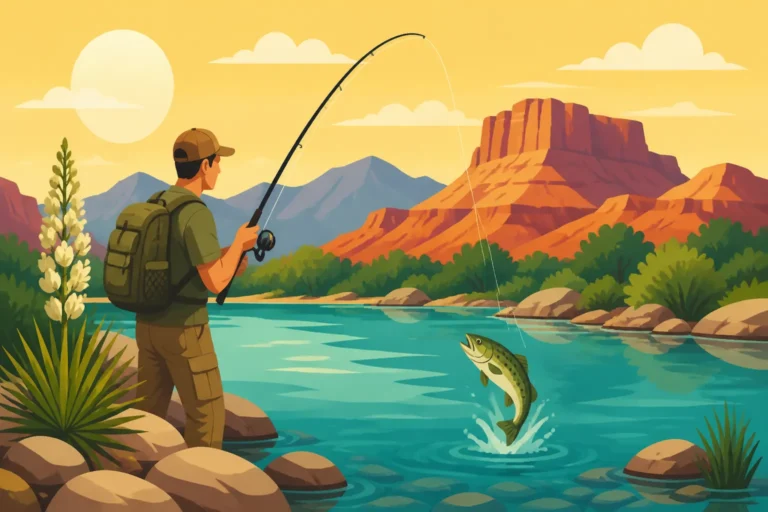
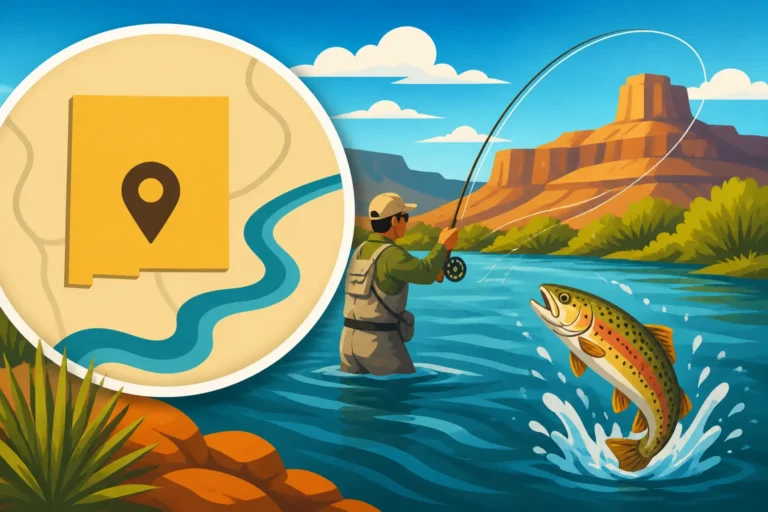
Heron Lake, nestled in the mountains of northern New Mexico, is widely considered one of the premier kokanee salmon fisheries in the state. Its elevation, deep clear waters, and consistent stocking program by the New Mexico Department of Game and Fish create an ideal environment for these salmon to thrive. The lake's cold temperatures, especially in its deeper sections, provide the perfect habitat for kokanee throughout their non-spawning years.
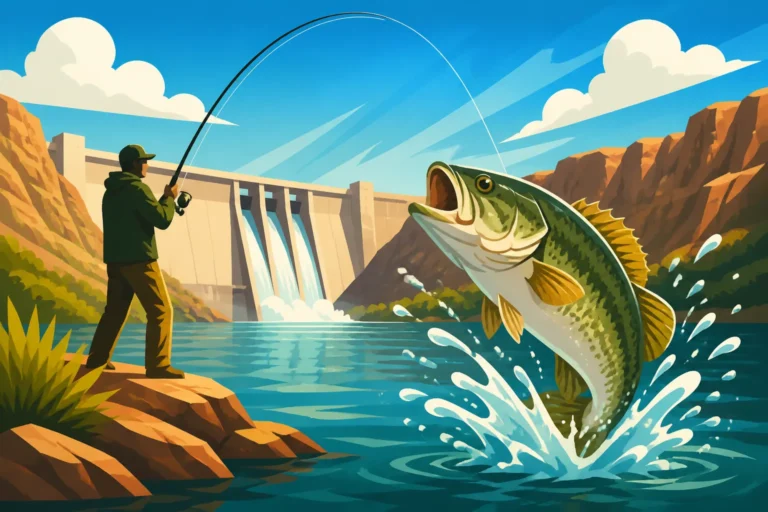
What sets Heron Lake apart for kokanee snagging specifically is its accessibility and the sheer number of fish that congregate during the spawning run. Anglers have success from shore, especially near the main dam area and the various inlets, as well as from boats in specific coves. The lake's "no-wake" designation further contributes to its appeal, creating a calmer, more serene environment that can make spotting schools of fish easier and enhance the overall experience. This calm water is excellent for Heron Lake No-Wake Zone Fishing, making for a peaceful day on the water.
The success of kokanee snagging at Heron Lake is also a testament to the department's efforts in managing this unique fishery. Regular stockings ensure a robust population, and the careful regulation of the snagging season helps balance angler opportunity with conservation goals. It's a cycle of life, death, and careful management that makes Heron Lake a must-visit destination for anyone looking to experience this exciting form of fishing.
Pinpointing the Prime Kokanee Snagging Season at Heron Lake
Knowing when to go is the absolute cornerstone of a successful kokanee snagging trip at Heron Lake. While the general timeframe is known, understanding the nuances of the season can dramatically increase your chances of being there during the absolute peak. It’s not just a matter of a specific date, but often a combination of environmental factors that trigger the most intense part of the run.
The Peak Window: Late Fall into Early Winter
The prime window for kokanee snagging at Heron Lake typically opens in late October and extends through November, often pushing into the first week or two of December, depending on the year. This period is when the water temperatures drop consistently, and the kokanee, now mature and vibrant red, begin their final migration from the deeper parts of the lake into the shallower spawning grounds. It's during these weeks that you'll find the highest concentrations of fish, making snagging both legal and most effective.
Think of it as nature's grand finale for these fish. The cooling water sends a clear signal, and the shorter days reinforce the biological imperative to spawn. While you might see some early signs of fish changing color in early October, the mass congregations for snagging usually don't truly kick off until later in the month. Being prepared for brisk, often cold, weather is essential during this time, as mountain temperatures can drop quickly. For more details on the general timings, check out the New Mexico Fishing Season Dates and Limits.
Factors Influencing Season Timing
While late fall is the general rule, the exact peak can vary slightly year to year due to several interconnected environmental factors. Water temperature is perhaps the most significant trigger. A colder fall can accelerate the spawning run, bringing fish in earlier and making for a shorter, more intense peak. Conversely, a warmer autumn might delay the main push of fish by a week or two.
Lake levels also play a role. If water levels are low, certain spawning areas or inlets might be less accessible, concentrating fish in different areas. Significant rainfall or snowmelt in the weeks leading up to the season can also influence tributary flows, which kokanee often use as cues for their journey. Finally, the New Mexico Department of Game and Fish's stocking schedules from previous years contribute to the overall population and the number of fish reaching maturity each season. It’s always a good idea to consult the most recent New Mexico Fishing Regulations Overview for any specific date changes or updates regarding the season, as these can sometimes be adjusted based on biological surveys and environmental conditions. Websites like FishingBooker often have local guides who can give up-to-the-minute reports on the spawning run's intensity and location, helping you time your visit perfectly.
What to Look For: Signs of the Spawning Run
Knowing the precise dates is helpful, but keen observation of the lake itself can often tell you more than a calendar. As the season approaches, and especially during the peak, there are several tell-tale signs that the kokanee are actively staging for their spawn.
Firstly, look for the distinctive coloration. Kokanee transform from a sleek silver to a brilliant, almost shocking, red. Their heads often turn green, and males will develop a pronounced hump on their back and a hooked jaw. Seeing these brightly colored fish, whether swimming near the surface or retrieved by other anglers, is your clearest indication that the run is on. Secondly, observe the areas around stream inlets and the main dam. The fish will often congregate in these locations, sometimes in very large, dense schools, as they seek out suitable spawning gravel. You might see them milling about or even splashing on the surface, especially during low light conditions.
Another sign, though less direct, is the presence of other anglers. If you drive up to Heron Lake and see numerous cars parked near popular access points, and people on shore or in boats actively fishing with snagging gear, it's a strong indicator that the season is in full swing. Local tackle shops around areas like Chama or Tierra Amarilla will also be abuzz with information and chatter about the bite. Don't be shy to ask for current conditions; most local bait shops are treasure troves of real-time fishing reports.
Essential Techniques and Gear for Snagging Kokanee
Kokanee snagging isn't your typical cast-and-retrieve fishing. Since the fish are no longer actively feeding, you're relying on a different approach. Understanding the legal technique and having the right gear is paramount to success and to ensure you're fishing responsibly within the regulations. It's a straightforward method, but precision and power are key.
The Art of Snagging
The legal method for kokanee snagging involves using weighted treble hooks to "foul hook" the fish. It's important to differentiate this from illegal foul hooking outside of designated seasons or for other species. During the specific kokanee snagging season at Heron Lake, this method is explicitly permitted due to the fish's non-feeding state during their spawning run. The technique itself involves casting a heavy, weighted treble hook (or a weight with a treble hook trailing behind it) into a school of actively spawning kokanee.
Once your rig is in the midst of a school, you perform a series of sharp, upward jerks or sweeps of your rod. The goal is for one of the points of the treble hook to catch the fish on its body, rather than in its mouth. This sounds simple, but it requires a bit of finesse. You need to feel for the slight bump or resistance of a fish, then set the hook with a strong sweep. It's not about subtlety; it's about power and repetition. Anglers will often cast and retrieve in a fan pattern to cover a wide area where schools might be moving. Being patient and persistent is essential, as you might make many casts before successfully snagging a fish.
Recommended Gear Setup
To effectively snag kokanee, you'll need gear that can handle heavy weights, repeated powerful jerks, and strong fish. A light trout rod simply won't cut it.
- Rods: Look for a heavy-action spinning or baitcasting rod, typically 7 to 9 feet in length. A longer rod provides better leverage for casting heavy weights and for those powerful sweeps required to set the hook. A medium-heavy to heavy power rod with a fast action tip is ideal, allowing you to feel the jigging motion while having the backbone to handle a snagged fish. While not exactly the same as traditional trout fishing, a robust setup helps. For general gear advice, see Best Rod Setup for New Mexico Trout Fishing, but keep in mind snagging requires more power.
- Reels: Pair your rod with a durable spinning or baitcasting reel capable of holding a good amount of heavy line. A reel with a smooth, strong drag system is crucial, as kokanee, even when snagged, put up a surprisingly strong fight. Sizes like a 4000-6000 series spinning reel or a similar sized baitcasting reel are often recommended.
- Line: Opt for heavy monofilament or braided line. 15-25 pound test monofilament or 30-50 pound test braid is common. Braid offers superior sensitivity, allowing you to feel subtle bumps, and has no stretch, which is excellent for powerful hook sets. If using braid, a leader of 15-20 lb monofilament or fluorocarbon is a good idea to prevent tangles and provide some abrasion resistance.
- Hooks and Weights: The most critical component is a large, sharp treble hook. Sizes 2/0 to 4/0 are standard. These hooks are often weighted directly or used in conjunction with heavy sinkers (e.g., ½ oz to 2 oz pyramid or bell sinkers) positioned a foot or two above the hook. You might also use specialty snagging weights designed for this purpose. If you're looking for a comprehensive list of what to pack, checking a Gear Checklist for Snagging Salmon at Navajo Lake can provide a good starting point, as the gear requirements are very similar.
- Other Essentials: Don't forget a sturdy landing net with a rubberized mesh (better for the fish if released, though most snagged kokanee are kept), pliers or a hook remover, and a cooler with ice to keep your catch fresh. Given the late fall season, warm clothing, gloves, and waterproof outerwear are also highly recommended.
Best Locations and Conditions
While kokanee will spread out across the lake during the spawning run, certain areas consistently produce better results at Heron Lake.
- Inlets and Tributary Mouths: The most popular and often productive areas are where rivers or streams flow into the lake. Kokanee instinctively seek out these moving water sources to lay their eggs. The main inlet at the north end of Heron Lake is a perennial hotspot.
- Near the Dam: The area around the main dam can also be a significant congregation point, particularly for boat anglers. The deeper water leading up to the dam can hold large schools before they push further into shallower areas. Access points along the shoreline near the dam are also very popular for bank anglers.
- Coves and Points: Look for protected coves or prominent points where fish might stage before moving into more exposed spawning grounds. Using a fish finder from a boat can help locate these submerged schools.
As for conditions, overcast days can sometimes be better than bright sunshine, as it reduces the fish's wariness. Stable weather patterns, without sudden, drastic changes in temperature or pressure, tend to keep the fish more active and predictable. While the "no-wake" rule at Heron Lake makes for a calm fishing experience, remember that these fish are near the end of their lives and are less concerned with boat noise than feeding fish. Anglers often find success early in the morning and late in the afternoon, although midday action can also be strong during the peak of the run.
Regulations and Responsible Snagging Practices
Fishing regulations are put in place to protect the fishery and ensure sustainable angling opportunities for everyone. For kokanee snagging, understanding and adhering to these rules is especially critical, given the nature of the technique. Always treat the resource with respect and practice ethical angling.
New Mexico's Specific Kokanee Snagging Rules
New Mexico has very clear regulations regarding kokanee salmon snagging, and these rules are specific to the species and designated waters. It’s absolutely vital to confirm the current regulations each year, as they can change. The New Mexico Fishing Regulations Overview is your ultimate source for this information, typically updated annually.
Generally, the snagging season for kokanee at Heron Lake is announced by the New Mexico Department of Game and Fish and falls within the late fall to early winter timeframe. During this designated period, the use of a weighted treble hook for snagging is legal. Crucially, this method is only legal for kokanee salmon during the specified snagging season and in the designated waters. Attempting to snag other species, or kokanee outside of this specific season, is illegal and can lead to severe penalties. The daily bag limit and possession limit for kokanee salmon are also strictly enforced. For example, the bag limit for kokanee might be set at 5 fish per day, with a possession limit of 10 fish. This means you can only harvest 5 fish in a single day, and you can only have 10 fish in your possession at any given time (this typically accounts for multiple days of fishing if you're camping). These limits help manage the population and ensure that ample fish are available for natural reproduction. You will also need a valid New Mexico Annual Fishing License and often a New Mexico Habitat Stamp and Validation Requirements, even for snagging. Don't forget to understand the rules around New Mexico Fishing Violations and Penalties to avoid any issues.
Ethical Considerations and Conservation
Even when a method like snagging is legal, ethical considerations remain paramount. The goal is to participate in a regulated harvest, not to waste fish or abuse the privilege. One of the primary ethical considerations is to only keep fish that are legally snagged and counted towards your limit. Any fish that are foul-hooked unintentionally outside the body during non-snagging seasons or for other species should be immediately released with minimal harm. During the legal snagging season, if you snag a fish you don't intend to keep (e.g., it's too small, or you've reached your limit), releasing it can be difficult due to the nature of the hook. This is why it's important to be mindful of your intentions and limits.
Another aspect of conservation is respecting the spawning grounds. Avoid disturbing redds (nests) that fish might be attempting to create. While kokanee will die after spawning, allowing them to complete their natural cycle contributes to future generations. Practice "leave no trace" principles by packing out all your trash, including discarded fishing line and any bait containers. Being a good steward of the environment ensures that Heron Lake remains a fantastic fishery for years to come. Remember that even though it's a unique method, the size of Kokanee Salmon Size in New Mexico still makes for a rewarding catch, so treat each fish with respect.
| Feature | Description |
|---|---|
| Prime Season | Late October through November, potentially into early December. Varies slightly year-to-year based on water temperature and weather. |
| Triggers | Consistent drop in water temperature, shorter daylight hours, and the kokanee's biological drive to spawn. |
| Key Locations | Inlets and tributary mouths (especially the main inlet at the north end), areas near the dam, prominent points, and protected coves where fish congregate. |
| Technique | Legal snagging involves casting a weighted treble hook into schools of spawning kokanee and performing sharp, upward jerks or sweeps to "foul hook" the fish on their bodies. |
| Recommended Rod | Heavy-action spinning or baitcasting rod, 7-9 feet, medium-heavy to heavy power with a fast tip. |
| Recommended Reel | Durable spinning or baitcasting reel (e.g., 4000-6000 series) with a strong, smooth drag. |
| Recommended Line | 15-25 lb monofilament or 30-50 lb braided line. A 15-20 lb mono/fluoro leader with braid. |
| Hooks/Weights | Large, sharp treble hooks (2/0 to 4/0) used with heavy sinkers (½ oz to 2 oz) or weighted treble hooks. |
| Bag Limit | As per current New Mexico Department of Game and Fish regulations (e.g., 5 fish daily, 10 in possession). Always check the official fishing proclamation before your trip. |
| Requirements | Valid New Mexico fishing license, Habitat Management & Access Validation (HMAV) stamp, and adherence to all specific kokanee snagging regulations for Heron Lake. |
| Conditions | Overcast days and stable weather patterns can be favorable. Early mornings and late afternoons often productive. |
Disclaimer
Please remember that fishing regulations and conditions can change. Always consult the latest New Mexico Department of Game and Fish fishing proclamation before heading out to Heron Lake to ensure you are aware of all current rules, seasons, and limits. This guide provides general information and recommendations, but official sources should always be your primary reference.