Can You Ice Fish at Eagle Nest Lake?
The biting chill in the air and the sight of a frozen lake might make many anglers in New Mexico wonder if their passion has to go on hold for winter. If you've been dreaming of pulling fish through the ice, especially at a beautiful high-mountain gem like Eagle Nest Lake, you're in luck! This guide is here to tell you definitively that yes, you absolutely can ice fish at Eagle Nest Lake, and it's an incredible experience that every dedicated angler should try. We'll dive into everything you need to know, from when the ice is safe to what you'll be catching and how to prepare for a successful and safe adventure.
Confirming Ice Fishing at Eagle Nest Lake
For those of us who live for the tug on the line, the thought of fishing through a small hole in a sheet of ice might seem a bit extreme, but at Eagle Nest Lake, it's a winter tradition that draws anglers from all over. This majestic high-altitude lake, nestled in the Moreno Valley, transforms into a prime ice fishing destination as soon as the winter weather truly sets in. Unlike many other New Mexico waters, Eagle Nest Lake's elevation and northern location mean it consistently develops safe, fishable ice.
When the Ice Forms and Thaws
The ice fishing season at Eagle Nest Lake typically kicks off in late December or early January, depending on how quickly and intensely the cold weather settles over the Sangre de Cristo Mountains. You'll usually find the best conditions from mid-January through February, often extending into early March if it’s been a particularly cold winter. The key is consistent sub-freezing temperatures for several weeks.
It's not uncommon for ice to form earlier, but sustained cold is what creates the thickness needed for safe travel. As spring approaches, usually by late March or early April, the ice begins to degrade rapidly. Warm days, strong winds, and increasing sun exposure can weaken the ice from the top and bottom, making conditions incredibly dangerous. Always check local reports and conditions before heading out, as ice can be unpredictable. There's no set calendar date; it's all about the weather and how nature decides to freeze and thaw.
Why Eagle Nest Lake is a Prime Ice Fishing Spot
Eagle Nest Lake isn't just any ice fishing spot; it's one of the absolute best in New Mexico, renowned for its healthy populations of rainbow trout and kokanee salmon, which remain active and catchable throughout the winter months. Its consistent freeze makes it a reliable destination, saving you the frustration of driving hours only to find soft ice. The lake's deep, cold waters provide an excellent habitat for these species, and the winter closure to boating means less disturbance, allowing fish to settle into predictable patterns.
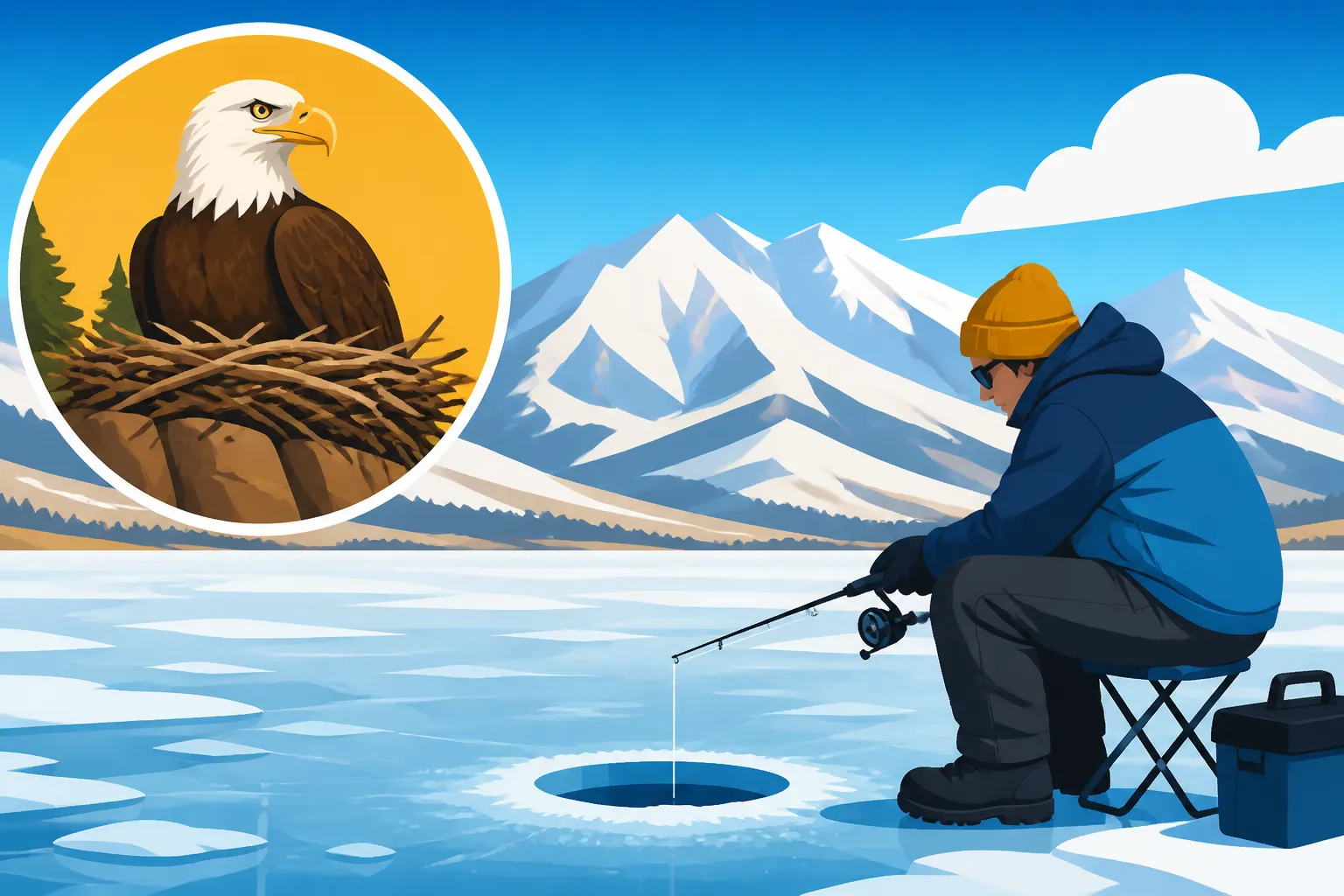
Furthermore, the surrounding landscape is breathtaking. Imagine pulling a feisty kokanee through a hole in the ice with the snow-capped peaks of the Sangre de Cristo range reflecting off the frozen surface. It's an experience that truly connects you with the raw beauty of the New Mexico wilderness. While the lake itself is stunning, it's also relatively accessible, offering amenities like parking and nearby lodging in the village of Eagle Nest, which makes planning an ice fishing trip a little less daunting than venturing into the remote backcountry. If you're looking for an unforgettable winter angling adventure, Eagle Nest Lake really delivers.
Essential Safety Measures for Ice Anglers
Ice fishing, while incredibly rewarding, carries inherent risks. You’re literally walking on water, albeit frozen water, and understanding safety is paramount. The biggest mistake you can make is assuming all ice is created equal, or that conditions don't change throughout the day. Your safety, and the safety of anyone fishing with you, depends on vigilance and preparedness. This isn't just about catching fish; it's about making it home safely to tell your fishing tales.
Understanding Ice Thickness and Conditions
The golden rule of ice fishing is: "No ice is 100% safe." However, there are general guidelines for what constitutes minimum safe ice thickness. These are often repeated for a good reason, as they are based on years of experience and unfortunate incidents.
General Ice Thickness Guidelines:
Activity Minimum Ice Thickness (inches) Notes Eagle Nest Lake is the primary spot for winter angling. There is an active ice fishing season and some local charters and services for booking trips. Eagle Nest Lake is renowned for consistent ice conditions in winter due to its elevation. It's important to remember that ice fishing at Eagle Nest is strictly prohibited at night; fishing is only permitted from one hour before sunrise to one hour after sunset. This is also one of the locations where you might encounter the elusive tiger muskie under the ice.
What You Can Catch Under the Ice
While you're out there braving the cold, you're doing so for a reason: the fish! Eagle Nest Lake is famous for a couple of specific species that bite well through the ice, offering a unique challenge and a delicious reward. The winter months can actually be some of the best times to target these fish, as their metabolism slows, but they still need to feed.
Targeting Kokanee Salmon and Trout
The main draws at Eagle Nest Lake during the ice fishing season are the kokanee salmon and various species of trout, particularly rainbow trout. Kokanee are landlocked sockeye salmon, known for their bright red flesh and vigorous fight. They're often found in schools, cruising the mid-depths, and once you locate them, you can have some fantastic action. Look for them typically suspended in the water column, rather than right on the bottom.
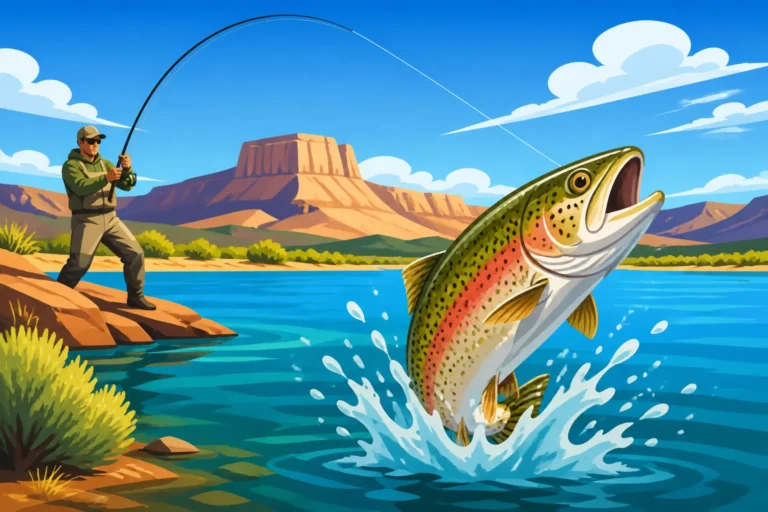
Rainbow trout, on the other hand, are often found closer to the bottom or near submerged structures. These feisty fish are regularly stocked by the New Mexico Department of Game and Fish, ensuring a healthy population. They tend to be a bit less picky than kokanee and can provide consistent bites throughout the day. You might also encounter an occasional brown trout, though they are less common than rainbows and kokanee in the lake. For a chance at the true native trout experience, it's worth noting that specific rules apply to New Mexico Trout Fishing Rules, especially concerning bag and possession limits, which vary by species and water body.
Techniques and Baits for Ice Fishing Success
Successful ice fishing at Eagle Nest Lake often comes down to a few tried-and-true techniques and baits. For both kokanee and trout, jigging is usually the most effective method. Small jigging spoons, like those from Johnson or Northland, in silver, gold, or bright colors, tipped with a maggot, wax worm, or a piece of corn, can be irresistible. Kokanee often prefer a more subtle presentation, with anglers gently twitching their lures. Trout can be a bit more aggressive and respond well to a slightly more active jigging motion.
Another popular setup is a plain hook with bait, suspended beneath a bobber. PowerBait, salmon eggs, or corn are excellent choices for trout, while kokanee often respond well to small pieces of shrimp or even just a plain, un-tipped jig that flashes as it’s worked. Many anglers will set up two rods, if allowed by their license with a New Mexico Second Rod Validation, one with a more active jigging presentation and the other with a stationary bait under a bobber, to see what the fish are preferring on a given day. For those wanting to delve deeper, there are specific Ice Fishing in New Mexico techniques that yield great results for these species.
Planning Your Eagle Nest Lake Ice Fishing Trip
A successful ice fishing trip isn't just about showing up with a rod and an auger; it requires careful planning and preparation. From understanding the necessary permits to having the right gear and knowing where to find help, a little foresight goes a long way in ensuring a memorable and safe experience.
Required Licenses and Gear
First and foremost, you absolutely need a valid New Mexico Fishing License Guide to fish at Eagle Nest Lake, even when it's frozen over. This includes anglers of all ages, with specific requirements for different age groups. In addition to your fishing license, most anglers will need a New Mexico Habitat Stamp and Validation Requirements, which is essential for fishing on most public lands and waters in the state. Always check the current New Mexico Fishing Regulations Overview published by the New Mexico Department of Game and Fish (NMDGF) for the latest rules, bag limits, and specific regulations for Eagle Nest Lake. You can usually find this information online or at licensed vendors.
When it comes to gear, you'll want to dress in layers for the extreme cold, often packing waterproof and insulated outerwear. Essential equipment includes an ice auger (manual or powered), an ice scoop to clear slush from your holes, a sled to haul your gear, and a portable ice shelter for comfort on windy days. Small ice fishing rods and reels designed for sensitivity are ideal. Don't forget safety gear: ice picks worn around your neck, a spud bar to test ice thickness as you go, and a fully charged cell phone. For those looking to upgrade their drilling game, understanding the Best Ice Fishing Auger for New Mexico can make a huge difference.
Local Resources and Accommodations
The village of Eagle Nest offers several convenient resources for ice anglers. You'll find bait and tackle shops, general stores, and various dining options to warm up after a day on the ice. The Eagle Nest Lake State Park office is also a valuable resource for up-to-date ice conditions and any specific park regulations. They can often provide insights into where the best bites have been recently.
For lodging, there are cabins, motels, and vacation rentals available in Eagle Nest, as well as in nearby Angel Fire and Red River. Booking accommodations in advance, especially for popular winter weekends, is always a good idea. If you're new to the area or new to ice fishing, consider reaching out to local guides. Services like FishingBooker can help you find experienced local guides who know the lake intimately, can provide all the necessary gear, and most importantly, guide you safely to the best fishing spots on any given day. A guided trip can greatly enhance your chances of success and enjoyment, especially when dealing with the unique challenges of ice fishing in a new location. These local experts can offer invaluable knowledge, making your trip stress-free and productive.
Disclaimer
Please remember that fishing conditions, regulations, and ice safety can change rapidly. Always consult the official New Mexico Department of Game and Fish regulations before heading out. Exercise extreme caution on the ice and prioritize safety above all else. This guide provides general information and should not replace real-time local knowledge or official advisories.