Bluewater Lake Trout Stocking Schedule
One of the most common questions I get from anglers, especially those new to a particular lake, is "When are they stocking?" It's a valid concern! Knowing the Bluewater Lake trout stocking schedule can literally make or break your fishing trip, turning a frustrating day of empty casts into a memorable haul. This guide is here to demystify the stocking process at Bluewater Lake, showing you exactly how to find the most up-to-date information and giving you the best chance to hook into some vibrant New Mexico trout.
Navigating the Bluewater Lake Trout Stocking Schedule
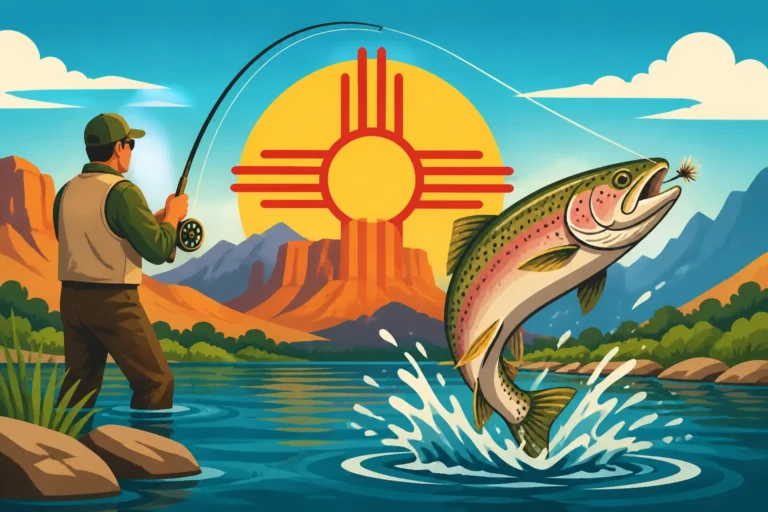
Bluewater Lake, nestled in the Zuni Mountains near Grants, New Mexico, is a fantastic cold-water fishery that relies heavily on stocking to maintain its popular trout populations. While it’s also known for its elusive tiger muskies, the consistent stocking of trout is what draws many anglers to its shores year after year. Understanding the rhythms of the stocking schedule is like having a secret weapon in your tackle box.
Why Stocking Matters at Bluewater Lake
The New Mexico Department of Game and Fish (NMDGF) plays a crucial role in enhancing fishing opportunities across the state, and Bluewater Lake is a prime example of their dedication. Stocking isn't just about dumping fish into a lake; it's a carefully planned process to ensure a healthy, sustainable fishery that can withstand fishing pressure and environmental factors. For Bluewater, stocking is particularly vital because natural trout reproduction is limited in some of these larger reservoir environments. Without it, the trout fishing experience simply wouldn't be the same.
The NMDGF typically stocks rainbow trout, which are known for their strong fight and willingness to bite a variety of baits and lures, making them an excellent target for anglers of all skill levels. These stocked fish provide consistent action and keep the angling community thriving. It's truly a testament to how New Mexico invests in its outdoors for everyone to enjoy.
Typical Stocking Seasons and Frequencies
While the exact dates and quantities can fluctuate based on factors like water availability, fish hatchery production, and budget, the NMDGF generally follows predictable seasonal patterns for stocking trout in Bluewater Lake.
You'll usually see the heaviest stocking efforts during the cooler months of spring and fall.
- Spring Stocking: As the ice melts (if it formed) and water temperatures begin to rise, trout stocking kicks into high gear. This provides fresh populations for anglers eagerly awaiting warmer weather. The fish are often quite active during this time, adjusting to their new environment and feeding readily.
- Fall Stocking: As summer heat gives way to cooler autumn temperatures, another significant wave of stocking occurs. The fall bite can be absolutely phenomenal, as trout become more active and fatten up before the colder winter months.
- Summer Stocking: During the peak of summer, stocking might slow down or shift to deeper, cooler waters if surface temperatures become too warm for trout. However, some stocking still occurs, often targeting areas where the trout can find thermal refuge.
- Winter Stocking: If ice fishing is viable and safe, Bluewater Lake can sometimes receive winter stockings to support this unique angling opportunity. Always check ice conditions and official reports before venturing out in winter.
The frequency can vary, but Bluewater Lake often receives stockings on a bi-weekly or monthly basis during peak seasons. These are typically adult-sized trout, ready to be caught, which is incredibly exciting for anglers. This consistent effort ensures that even if you don't hit it right after a fresh drop, there's a good chance plenty of fish are still swimming and biting.
How to Access the Latest Stocking Information
One of the biggest frustrations for anglers is feeling like they're always a step behind. "Did they stock last week? When's the next one?" These questions can drive you crazy if you don't know where to look. Thankfully, the New Mexico Department of Game and Fish makes it pretty straightforward to get the information you need.
Official New Mexico Department of Game and Fish Resources
The absolute best and most reliable source for the Bluewater Lake trout stocking schedule is directly from the New Mexico Department of Game and Fish. They have dedicated channels for this very purpose, and you should always prioritize these official sources to avoid misinformation.
- NMDGF Website: Their website is a treasure trove of information. Look for sections on "Fishing," "Weekly Fishing Reports," or "Fish Stocking Schedule." The NMDGF often publishes a weekly fishing report that includes details about recent stockings at various lakes and rivers across the state, including Bluewater Lake. This report is usually updated every Wednesday or Thursday and will explicitly state where, when, and what species were stocked. It's a fantastic resource for planning your trips. You can also find general information about New Mexico Fishing Regulations Overview there, which is crucial to review before you even cast a line.
- NMDGF Phone Hotlines: Sometimes, a quick phone call can clear up any confusion or get you the latest scoop. The NMDGF typically provides a general information line, and sometimes specific offices (like the Northwest Area office) can offer localized updates. Don't hesitate to use these direct lines, especially if you're planning a trip soon and want to confirm details.
- Social Media: The NMDGF often uses its social media channels (Facebook, Twitter, etc.) to post quick updates, including stocking notifications and interesting catches from around the state. Following them can provide real-time alerts that might not make it into the weekly report immediately.
- iPermit System: When you purchase your New Mexico Fishing License Guide or any validations like the New Mexico Habitat Stamp and Validation Requirements through the NMDGF's online iPermit system, you might also find links to current stocking schedules or be able to sign up for email notifications. This integrated system is designed to make it easier for anglers to manage their permits and stay informed.
Leveraging Local Knowledge and Fishing Reports
While official sources are paramount, don't underestimate the value of local insights. Anglers are a community, and sharing information is part of the fun!
- Local Bait and Tackle Shops: Places like Bluewater Lake Tackle Shop or other shops in nearby Grants are invaluable. The folks working there talk to anglers daily, hear the latest reports, and often have a keen sense of when and where the fish are biting, especially after a stocking. They might even have printed copies of the NMDGF weekly report or hear directly from the stocking trucks. You can ask them about Best Lures for New Mexico Trout that are working after recent stockings.
- Online Fishing Forums and Social Media Groups: There are numerous online communities dedicated to New Mexico fishing. A quick search for "Bluewater Lake fishing reports" or joining a local New Mexico fishing Facebook group can yield a wealth of informal but often accurate information. Anglers love to share their successes (and sometimes failures!), including when they've noticed a fresh batch of stocked trout. Just remember to take unofficial reports with a grain of salt and always verify critical details with the NMDGF.
- FishingBooker Guides: If you're looking for a guided trip, especially to a lake you're not familiar with, services like FishingBooker can connect you with experienced local guides. These guides are often in constant communication with the NMDGF and know the lake inside and out, including the most recent stocking activities and where the fish tend to disperse afterward. They offer a unique advantage by combining official data with real-time on-the-water experience.
Here's a quick overview of how NMDGF communicates stocking information:
| Resource Type | Information Provided | Best Use Case | Frequency of Updates |
|---|---|---|---|
| NMDGF Website | Detailed weekly stocking reports, regulations | Official info, long-term planning, regulatory compliance | Weekly (Fishing Report), Annually (Regulations) |
| NMDGF Phone Hotline | Real-time inquiries, specific questions | Quick confirmations, immediate trip planning | As needed (staffed during business hours) |
| Social Media (NMDGF) | Quick alerts, photo updates, community engagement | Timely notifications, visual confirmation of activity | Daily/Weekly |
| Local Tackle Shops | Word-of-mouth reports, local tips, bait suggestions | Localized insights, product recommendations for current bite | Daily |
| FishingBooker Guides | Expert advice, guided trips, current lake conditions | Maximizing success, learning specific techniques | Real-time during trip planning |
Effective Strategies for Fishing Recently Stocked Trout at Bluewater Lake
So, you've checked the schedule, and Bluewater Lake just received a fresh stocking of trout. Now what? Knowing when they put them in is only half the battle; knowing how to catch them is the key to a successful outing.
Gear and Bait Choices for Freshly Stocked Trout
Stocked trout, especially rainbow trout, tend to be less wary than their wild counterparts and are often quite hungry after their journey from the hatchery. This means you don't always need the most complex setups or the most subtle presentations.
- Spinning Gear: A light to medium-light spinning rod (6-7 feet) paired with a small spinning reel (2000-2500 size) spooled with 4-6 lb monofilament or fluorocarbon line is a perfect all-around choice. This setup allows for good casting distance and sensitivity.
- Baits:
- PowerBait: This is almost a guaranteed winner for stocked trout. Use bright colors like chartreuse, rainbow, or orange. Form a small ball around a treble hook or a small bait holder hook, making sure the hook point is fully covered. A floating PowerBait rig with a small split shot or sliding egg sinker about 18-24 inches above the hook, will keep your bait off the bottom where trout often feed.
- Worms: Good old nightcrawlers or mealworms are incredibly effective. A small piece of worm threaded onto a size 8 or 10 hook, often fished under a bobber or with a small sinker, is simple and deadly.
- Corn: Believe it or not, canned corn is a surprisingly effective bait for stocked trout. Its bright color and scent can attract curious fish.
- Lures:
- Spinners: Small inline spinners like Panther Martins, Mepps Aglias, or Rooster Tails in sizes 0-2 are fantastic. Gold, silver, and bright colors work well. Cast them out and retrieve steadily, letting the blade flash.
- Spoons: Tiny Kastmasters or Dardevles, especially in silver or gold, can entice strikes. Their erratic wobble mimics injured baitfish.
- Mini Jigs: Small marabou jigs or plastic grub jigs, tipped with a small piece of worm, can be very effective, especially jigged slowly near the bottom.
If you're interested in refining your lure choices, check out more specific advice on Best Lures for New Mexico Trout.
Prime Locations and Timing After Stocking
Knowing where the fish are likely to be and when they are most active can drastically improve your catch rate.
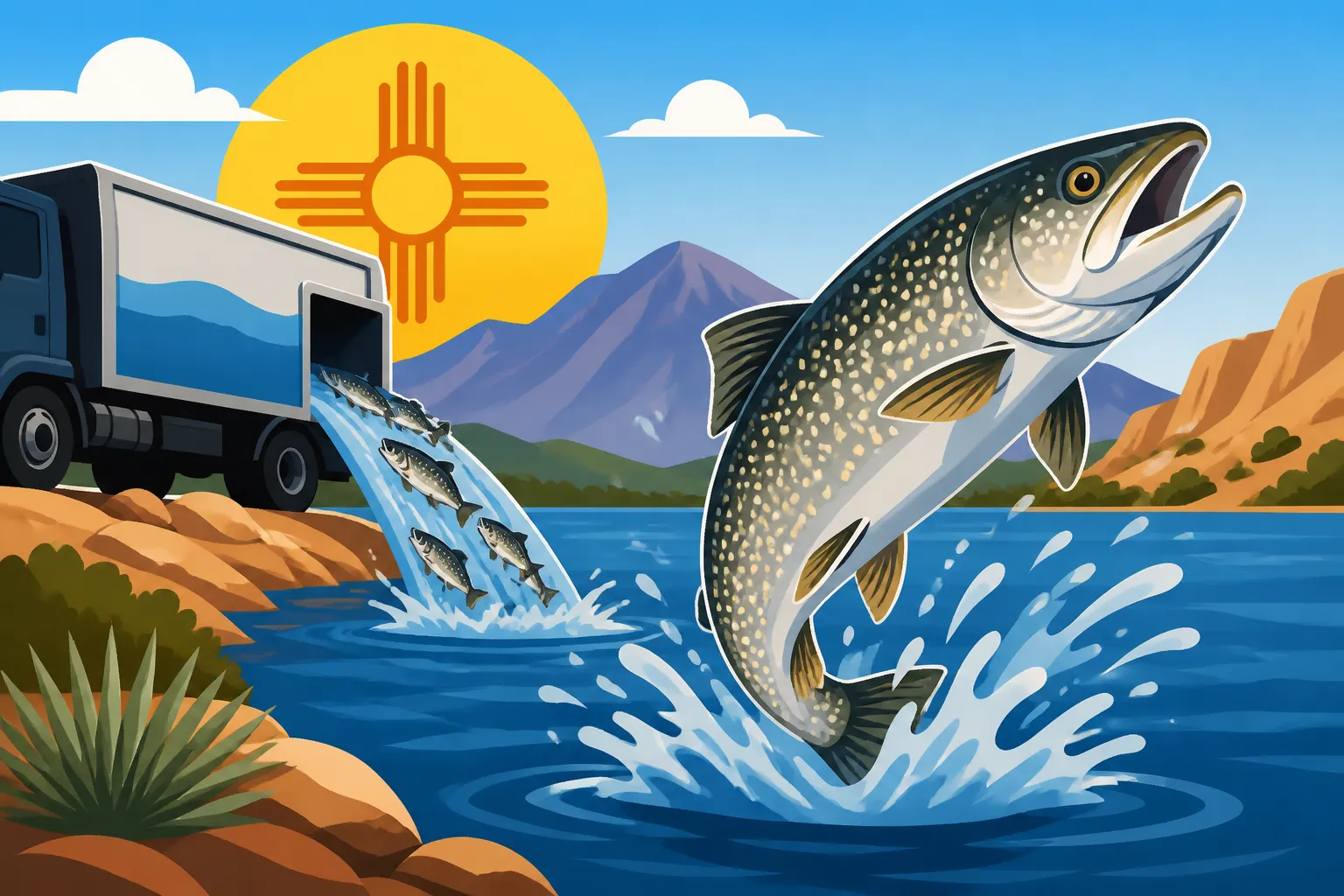
- Initial Stocking Points: Hatchery trucks typically back down boat ramps or access points to release fish. In the immediate hours and even a day or two after stocking, these areas can be hot spots. The fish tend to mill around, disoriented but hungry. If you know Bluewater Lake's main public access points, those are good places to start. You can often see other anglers congregating in these areas.
- Shallow Coves and Points: Newly stocked trout often disperse into shallower coves and along points where they can find structure, cover, and available food. Look for areas with submerged vegetation, rocky outcrops, or even slight drop-offs. These areas offer both security and feeding opportunities.
- Early Morning and Late Evening: Like many fish, trout are often most active during the cooler parts of the day. Early morning, just after sunrise, and late evening, leading up to sunset, are prime times to fish. The light conditions are also less intense, making the trout feel more comfortable feeding in shallower waters.
- Weather Conditions: Overcast days can also provide excellent fishing, as the reduced light encourages trout to be more active throughout the day. A light drizzle can sometimes kick off a feeding frenzy. However, avoid fishing during heavy storms or strong winds, which can make fishing uncomfortable and even dangerous.
Remember to vary your retrieve speed with lures and experiment with different depths and presentations when using bait. Sometimes a subtle twitch is all it takes; other times, a fast retrieve will trigger a reaction strike. Local guides found on platforms like FishingBooker can offer real-time advice tailored to the exact conditions and recent stockings at Bluewater Lake, which can be incredibly helpful for out-of-state anglers planning their trip or anyone looking to learn more about the lake's nuances.
Understanding Bluewater Lake's Broader Trout Fishery
While rainbow trout stocking gets a lot of the attention, Bluewater Lake offers more than just the recently released fish. It's a dynamic fishery with a unique mix of species and environmental factors that shape the overall angling experience.
Beyond Rainbows: Other Trout Species and Regulations
While rainbows are the bread and butter of Bluewater's trout stocking program, it's always good to be aware of other potential trout species you might encounter, even if they aren't regularly stocked in large numbers. Occasionally, brown trout or even brook trout might be present, though less common.
It's absolutely essential to consult the most current New Mexico Fishing Regulations Overview before you head out. These regulations cover everything from bag and possession limits to specific gear restrictions. For Bluewater Lake, make sure you know the specific trout bag limits, which are typically a combination of trout species up to a certain total. For instance, the general statewide trout bag limit is five fish per day, with ten in possession, but this can vary for specific waters. Always confirm the details, as regulations can change annually.
Understanding these rules ensures you're fishing legally and responsibly, helping to conserve the fishery for future generations. If you're planning a full trip, you might also want to look into the New Mexico Fishing Season Dates and Limits to understand seasonal patterns for all species.
The Influence of Tiger Muskie and Environmental Conditions
One of the most distinctive features of Bluewater Lake is its population of tiger muskies. These toothy predators were introduced by the NMDGF primarily to control populations of undesirable fish, but they've also become a trophy species in their own right.
- Tiger Muskie Impact on Trout: While tiger muskies are impressive, their presence means that some stocked trout will inevitably become part of the muskie's diet. This is a natural part of the ecosystem, but it's something to consider. If you're consistently catching smaller trout, it might be a sign that the larger predators are also around. Interestingly, tiger muskies themselves are a thrilling catch, known for their aggressive strikes and powerful fights.
- Environmental Factors: Bluewater Lake, like all New Mexico waters, is subject to environmental fluctuations.
- Water Levels: Drought conditions can significantly impact water levels, concentrating fish or making certain areas inaccessible. Lower water levels can also lead to warmer water temperatures, pushing trout deeper. Always check current lake conditions before you go.
- Water Temperature: Trout are cold-water fish. During the warmer months, they will seek out deeper, cooler sections of the lake. Fishing early or late in the day, or targeting deeper structures, becomes more critical as temperatures rise.
- Water Clarity: Clear water can make fish more wary, requiring lighter lines and more subtle presentations. Murky water (perhaps after a rain event) can sometimes make fish less particular about baits, but it can also make them harder to locate.
Staying informed about these broader ecological factors, alongside the regular stocking schedule, gives you a much more complete picture of what to expect when you head to Bluewater Lake. For broader planning, understanding the New Mexico Fishing by Season can give you a heads-up on general conditions across the state. Remember, a little preparation goes a long way in New Mexico's diverse and exciting fishing landscape.
Disclaimer
Please note that fishing regulations, stocking schedules, and local conditions can change frequently. Always consult the official New Mexico Department of Game and Fish website or publications for the most current and accurate information before planning your fishing trip to Bluewater Lake or any other body of water in New Mexico. This guide is for informational purposes only and should not be considered legal advice regarding fishing regulations.