Best New Mexico Lakes for Crappie
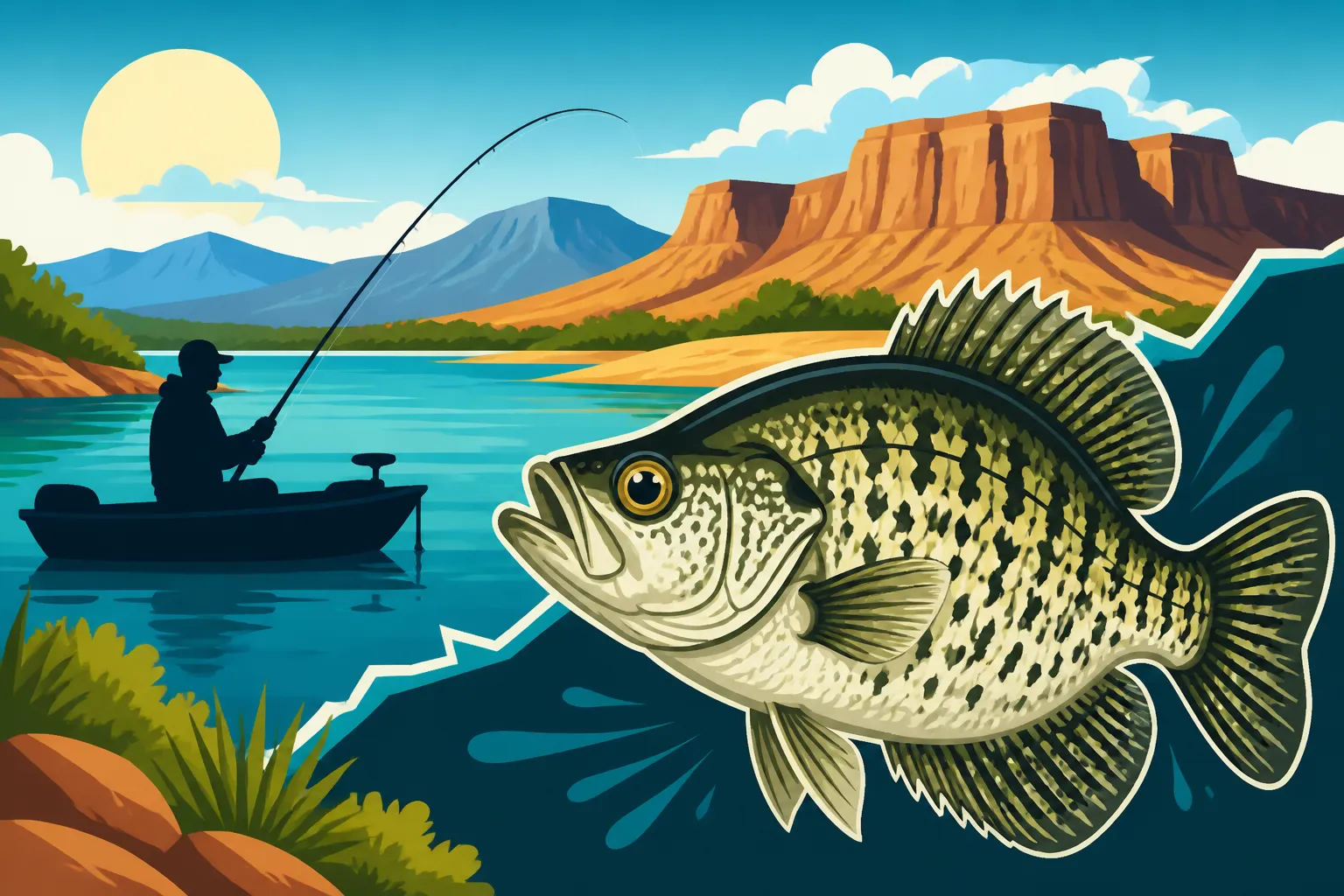
Let's be real, tracking down crappie in New Mexico isn't always as straightforward as you might hope. While the Land of Enchantment is celebrated for its trout streams and high-desert bass lakes, those delicious slabs of crappie can feel a bit more elusive, sometimes leaving anglers scratching their heads. But don't you fret! If you're yearning for a cooler full of papermouths, you've come to the right place. This guide is going to walk you through the absolute best lakes in New Mexico to target crappie, detailing where to find them, when to go, and what makes these spots shine.
The Allure and Challenge of Crappie Fishing in New Mexico
Crappie, often called papermouths or slabs, are a favorite among anglers for a reason: they're incredibly fun to catch, often schooling up in large numbers, and are absolutely delicious on the dinner table. There’s nothing quite like finding a school of active crappie and pulling them in one after another. However, New Mexico’s desert environment presents unique challenges. Many of our reservoirs experience significant water level fluctuations and often have more open water with less obvious shallow-water structure compared to lusher, tree-lined lakes in other regions. This means you really need to know where to look and what conditions to seek out.
Understanding Crappie Behavior in Desert Lakes
Crappie are masters of relating to structure, whether it's submerged brush, standing timber, rock piles, or even artificial habitat placed by wildlife agencies. In New Mexico's larger, often clearer reservoirs, finding these specific pieces of structure is paramount. Unlike some waters where they might linger in shallow coves all day, our crappie often hold deeper during the brighter parts of the day, moving shallower at dawn, dusk, or under cloudy skies. They're also highly sensitive to water temperature changes, congregating in warmer pockets during colder months and seeking cooler, deeper water when the summer sun beats down.
Another key aspect is how they feed. Crappie are ambush predators, often hiding within or near cover, waiting for minnows, insects, or small crustaceans to swim by. This means presenting your bait or lure right in their strike zone is critical. Using electronics can be a game-changer for locating these hidden schools and structures, especially in lakes where natural cover isn't visible from the surface.
Seasonal Patterns for Crappie Success
Just like any other fish, crappie fishing in New Mexico is heavily influenced by the seasons. Understanding these patterns is key to consistent success.
- Spring: This is prime time! As water temperatures climb into the 50s and 60s Fahrenheit, crappie move into shallower coves and protected areas to spawn. This is when they are most accessible from shore or small boats. Look for brushy banks, submerged timber, or even rocky shorelines in 2-10 feet of water. Early spring can be incredible, but the bite might slow down a bit right during the peak of the spawn when they're focused on reproduction.
- Summer: Crappie retreat to deeper, cooler waters during the heat of summer. They'll often suspend over channels, near submerged humps, or around deep timber. This is when a boat with good sonar becomes almost essential. Trolling small jigs or minnows at various depths, or vertically jigging over known structure, can be effective. Night fishing for crappie under lights can also be incredibly productive during the warmest months.
- Fall: As temperatures drop, crappie become more active again, feeding heavily to prepare for winter. They'll often be found transitioning between their summer deep-water haunts and shallower feeding grounds. Look for them around channel swings, points, and remaining submerged vegetation. The bite can be fantastic, though not always as concentrated as during the spring spawn.
- Winter: While not as popular as ice fishing for trout, crappie can be caught through the ice or from boats on unfrozen waters. They'll typically school tightly in deep basins, suspended over the bottom or hugging structure. Slower presentations with tiny jigs or deadsticking minnows are the way to go. Be patient, as their metabolism slows down, and bites can be subtle. If you're thinking of braving the cold, make sure you're up to date on New Mexico Ice Fishing Season rules.
The Top Crappie Hotspots Across New Mexico
New Mexico boasts several fantastic lakes for crappie, each offering its own unique appeal. While water levels and stocking efforts can vary year to year, these destinations consistently rank high for crappie anglers.
| Lake Name | Location | Typical Crappie Size (Inches) | Best Season(s) | Key Features for Crappie |
|---|---|---|---|---|
| Elephant Butte Lake | Truth or Consequences | 8-12, with 14+ common | Spring, Fall | Abundant submerged brush, standing timber, old roadbeds |
| Conchas Lake | Conchas | 7-10, with 12+ possible | Spring, Fall | Rocky points, coves, submerged cedar trees |
| Ute Lake | Logan | 8-11, with 13+ possible | Spring, Summer | Extensive brush piles, main lake points, rocky shorelines |
| Brantley Lake | Carlsbad | 7-10, with 12+ possible | Spring, Fall | Submerged vegetation, old river channels, brush |
Elephant Butte Lake: The Crappie King
Elephant Butte Lake, the largest body of water in New Mexico, is often considered the state's premier crappie fishery. It's a massive reservoir, so don't expect to cover it all in a day, but its sheer size means there's always a hidden cove or brush pile holding crappie. The lake is known for producing both good numbers and impressive size, with crappie often reaching the 14-inch mark.
What makes Elephant Butte so good for crappie is the incredible amount of submerged structure. As water levels fluctuate, vast areas of brush, mesquite, and other vegetation become inundated, creating perfect habitat. Look for crappie in the upper reaches of the lake during the spring spawn, particularly in areas like Longpoint, Rock Canyon, and the vast expanses of the Rio Grande arm. During summer, they'll pull out to deeper channels and submerged humps, often suspending at 15-25 feet. A good Elephant Butte Lake Fishing Guide can help you navigate its vastness. You can use your boat's electronics to scan for brush piles and schools of baitfish, which are often a dead giveaway for crappie. Don't be afraid to try night fishing here with lights; it can be incredibly productive for those summer slabs.
Conchas Lake: Eastern New Mexico's Gem
Moving east, Conchas Lake offers another excellent opportunity for crappie anglers. While perhaps not producing the sheer trophy size of Elephant Butte, Conchas consistently yields good numbers of healthy crappie. This lake is characterized by its numerous coves, rocky points, and submerged cedar trees, which act as natural crappie magnets. Its more manageable size compared to Elephant Butte makes it a bit easier to explore, especially for those without giant bass boats.
In spring, concentrate your efforts in the shallower coves and along protected shorelines, particularly in the North and South Conchas arms. Small jigs and minnows fished under a bobber are classic techniques here. As the water warms up, crappie at Conchas will move to deeper points and the edges of the old river channel. Trolling with spider rigs or vertically jigging over submerged structure are effective methods during the hotter months. The State Park areas around Conchas Lake also offer good access points for both boat and bank anglers, making it a family-friendly destination. Check the Conchas Lake Fishing Guide for more detailed information.
Ute Lake: A Hidden Crappie Haven
Ute Lake, near Logan, is another fantastic eastern New Mexico reservoir that often flies under the radar when it comes to crappie. This lake offers diverse habitat, from rocky main lake points to expansive brush piles in its many coves and arms. Ute Lake is known for both black and white crappie, providing a varied angling experience.
Springtime crappie can be found in the brushy coves and along rocky banks in the Ute Creek arm and other protected inlets. Small tube jigs, minnows, or tiny crankbaits can be highly effective. During summer, crappie will often suspend near main lake points or in the deeper sections of the lake. Vertically jigging with plastics or live minnows is a go-to technique, especially if you can locate submerged timber or artificial brush piles with your fish finder. Many anglers consider Ute Lake a fantastic place for consistent action, often yielding good limits of keeper-sized fish. You can find more details in our Ute Lake Fishing guide.
Brantley Lake: Southern Crappie Surprise
Down in southern New Mexico, near Carlsbad, Brantley Lake offers a unique crappie fishing experience. This lake's water levels can fluctuate significantly, which affects access and fish patterns, but when conditions are right, it can be a crappie powerhouse. Brantley is known for its extensive submerged vegetation and old river channels that wind through the lakebed, creating excellent ambush points for crappie.
The key to Brantley is paying close attention to current conditions and water levels. When the lake is full, the submerged brush provides incredible cover. During spring, crappie move into these flooded areas to spawn. During lower water periods, concentrate on the edges of the old river channel and any remaining submerged structure. Small jigs, grubs, and live minnows are productive year-round. Given its southern location, Brantley often warms up earlier in the spring and stays warmer longer into the fall, extending the prime crappie fishing windows.
Crappie Fishing Tips for New Mexico Lakes
Catching crappie isn't just about finding the right lake; it's also about employing the right techniques and knowing what crappie prefer. These tips will help you put more fish in the boat or on the bank.
Best Baits and Lures for Slabs
Crappie are not usually picky eaters, but they do respond best to certain presentations. The classics remain champions for a reason.
- Live Minnows: Arguably the most effective bait for crappie. Fished under a bobber, tight-lined, or on a slip bobber rig, a lively minnow is hard for a crappie to resist. Hook them lightly through the lips or just behind the dorsal fin.
- Small Jigs: Tiny tube jigs, spider jigs, or grub-style plastics in sizes 1/32 to 1/8 ounce are incredibly versatile. Popular colors include chartreuse, white, black/chartreuse, and pink. Tip them with a small piece of crappie nibbler or a live minnow for added scent and attraction.
- Small Crankbaits: In some situations, especially when trolling or casting for active crappie, small crankbaits that dive to crappie depth can be very effective. Look for baits designed for panfish that have a tight wiggle.
- Crappie Nibblers/Scented Baits: These small, soft pellets or paste can be added to jigs for extra appeal. The scent trail can draw in hesitant crappie.
For specific guidance on what works well for other species in the area, check out our article on Best Lures for New Mexico Bass, as some smaller bass lures can also attract crappie.
Locating Crappie Structure
Finding the fish is half the battle, and for crappie, that means finding structure.
- Submerged Timber and Brush Piles: These are crappie magnets. Use your fish finder to locate sunken trees, brush, or artificial habitat. Crappie will often be suspended within or just outside the edges of these cover areas.
- Old Creek Channels and Riverbeds: In reservoirs formed by damming rivers, the old river channels often serve as highways and holding areas for crappie, especially in deeper water. Look for drops and bends in these channels.
- Rocky Points and Bluff Walls: Crappie will use these features, particularly during the spawn or when transitioning between depths. Look for irregularities, ledges, or shelves.
- Docks and Piers: If allowed, fishing around public docks and piers can be productive, as they offer shade and submerged structure. Always be respectful of private property and other anglers.
- Boat Ramps: Many boat ramps extend into deeper water and often have some associated structure, attracting crappie, particularly during cooler months.
When to Go and Best Times of Day
Timing is everything in crappie fishing. While spring is generally the most productive, success can be found year-round with the right approach.
- Early Morning and Late Evening: These low-light periods are almost always excellent for crappie. They move shallower to feed and are less wary.
- Overcast Days: Cloudy weather can make crappie more active throughout the day, as it mimics low-light conditions.
- Moon Phases: While not as critical as seasonal changes, some anglers swear by fishing around new and full moon phases, reporting increased activity.
- Water Temperature: Keep an eye on water temperatures. The 55-65°F range is typically ideal for spring spawning activity.
- Fishing New Mexico during Monsoon Season: Even during the summer monsoon season, you can find success. The increased cloud cover and slightly cooler temperatures can sometimes trigger a bite, though heavy rains can muddy the water, making fishing tougher.
For a broader understanding of fishing opportunities, consult the New Mexico Fishing Season Calendar and our guide on the Best Time of Year to Fish in New Mexico.
Planning Your Crappie Adventure
A successful fishing trip involves more than just knowing where the fish are; it also requires proper planning, adherence to regulations, and sometimes, a little expert help.
Navigating New Mexico Fishing Licenses and Regulations
Before you even think about wetting a line, you need to ensure you're properly licensed. New Mexico has specific regulations regarding fishing licenses, bag limits, and methods. All anglers 18 years and older need a valid New Mexico fishing license. There are different options for residents and non-residents, as well as various durations.
The statewide bag limit for crappie is generally 20 fish per day, with a possession limit of 40 fish, but it's crucial to double-check the latest New Mexico Warm Water Fish Bag Limits and the annual New Mexico Fishing Regulations booklet, as special rules can apply to specific waters or change year to year. You'll also likely need a New Mexico Habitat Management and Access Validation (HMAV) stamp. You can typically purchase your license easily online through the New Mexico Department of Game and Fish website, or at authorized vendors like sporting goods stores. Our comprehensive New Mexico Fishing License Guide covers all the essentials, including New Mexico Fishing License Costs Explained and Buying a New Mexico Fishing License Online.
Finding a Guide or Charter for Crappie
If you're new to a particular lake, or just want to maximize your chances and learn the local nuances, consider booking a guided crappie trip. Local guides spend countless hours on the water and know the subtle changes in fish patterns, the best structure, and what baits are working best. This can be especially valuable on large, complex lakes like Elephant Butte.
Services like FishingBooker can help you find and book experienced crappie guides in New Mexico. You can search for charters specifically targeting crappie, read reviews from other anglers, and compare prices and available dates. A good guide will not only put you on fish but also teach you valuable techniques, helping you become a better angler in the long run. They often have all the necessary gear and sometimes even provide lunch or drinks, making for a hassle-free day on the water. If you're coming from out of state for a short trip, a guide can make sure you're getting the most out of your vacation.
Essential Gear for New Mexico Crappie Fishing
While crappie fishing doesn't require overly specialized gear, having the right setup can make a big difference.
- Rods and Reels: Light to ultralight spinning rods (5-7 feet) paired with small spinning reels (500-1000 size) are ideal. This sensitive setup allows you to feel the subtle crappie bite. Spool them with 4-6 lb monofilament or fluorocarbon line.
- Electronics: A good fish finder with down imaging and/or side imaging is invaluable for locating submerged structure and schools of crappie, especially in larger reservoirs.
- Tackle Box Essentials: Pack a variety of small jigs, jig heads, swivels, hooks (size 2-6), bobbers (slip bobbers are great for precise depth control), and sinkers. Don't forget a pair of needle-nose pliers for hook removal and a small measuring tape.
- Cooler: Keep those delicious crappie fresh! A quality cooler with ice is essential, especially during the warmer months.
- Sun Protection: New Mexico sun can be intense. Always bring a wide-brimmed hat, polarized sunglasses, sunscreen, and appropriate clothing to protect yourself from UV rays.
Disclaimer
Fishing conditions and regulations in New Mexico are subject to change. Always consult the latest New Mexico Department of Game and Fish regulations prior to your trip to ensure compliance. Exercise caution and practice safe boating and fishing techniques.