Rio Grande Gorge Fishing Access
The majestic Rio Grande Gorge in New Mexico presents a unique blend of breathtaking beauty and daunting challenges for anglers. Many find themselves overwhelmed by the sheer scale of the gorge, struggling to identify safe and productive access points to its pristine waters. This comprehensive guide is designed to cut through that confusion, providing clear, actionable information on how to access and successfully fish the iconic Rio Grande Gorge.
Understanding the Rio Grande Gorge: The Unique Challenges and Rewards of Fishing Here
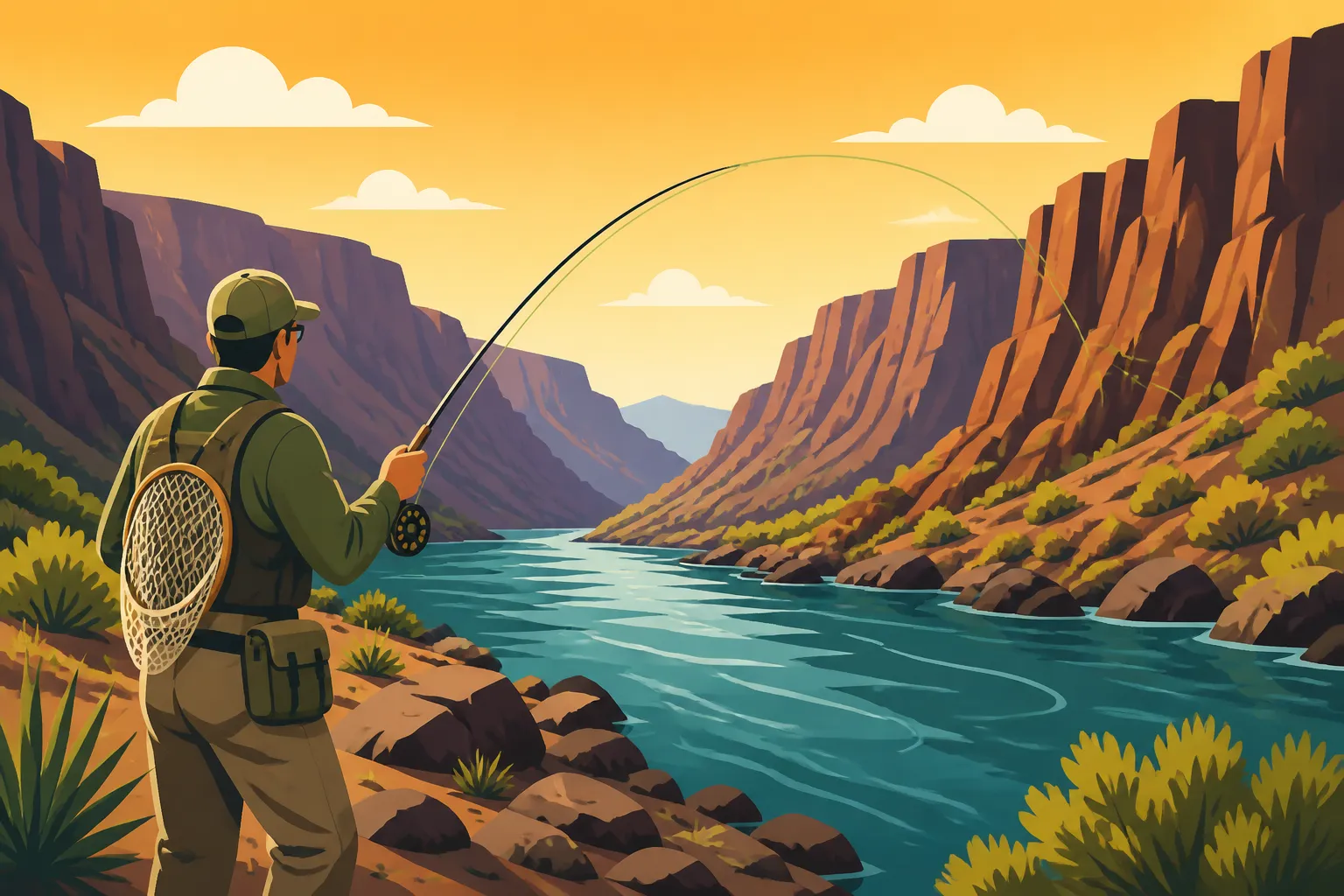
The Rio Grande Gorge is a truly special place, a dramatic rift carved into the high desert landscape, offering some of the most remote and rewarding fishing experiences in New Mexico. However, its very nature – deep canyons, steep trails, and often swift-moving water – also presents significant hurdles. It's not a place for casual bank fishing; it demands preparation, respect for nature, and a certain level of physical fitness.
The Allure of Wild Trout in a Rugged Landscape
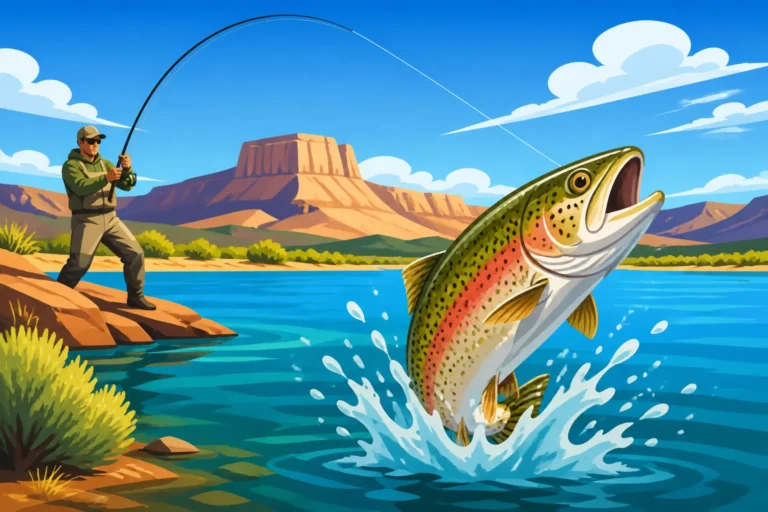
What draws so many anglers to the Gorge? Primarily, it's the opportunity to pursue wild brown trout and rainbow trout in a truly wild setting. Unlike many heavily stocked waters, the trout here are survivors, native or naturalized species that have adapted to the river's flows and insect life. Catching a gorge trout feels like a genuine accomplishment, a testament to skill and perseverance. You might even encounter the elusive Rio Grande Cutthroat Trout in New Mexico, a native species that symbolizes the wild heart of the region. The scenery alone is worth the effort, with basalt cliffs soaring hundreds of feet above the river, providing a dramatic backdrop to every cast. It's a place where you can genuinely feel removed from the hustle and bustle of everyday life, truly immersing yourself in the experience.
Overcoming the Physical Demands and Remote Nature
Let's be realistic: getting to the water in the Rio Grande Gorge is often a strenuous affair. Access points typically involve steep, rocky trails that descend hundreds of feet from the rim to the river. These are not paved paths; they are rugged, unimproved trails that require sturdy hiking boots, good balance, and a willingness to carry all your gear. The remoteness means that help isn't always close by, so self-sufficiency and proper planning are paramount. Dehydration can be a serious risk, especially during the warmer months, so packing plenty of water is non-negotiable. It's also vital to be aware of wildlife, including rattlesnakes and mountain lions, though encounters are rare. For those who aren't up for a solo adventure, or simply want to maximize their chances, finding a local guide through platforms like FishingBooker can provide both expertise and peace of mind, ensuring you tackle the terrain safely and effectively.
Navigating the Gorge: Key Access Points and How to Reach Them
Accessing the Rio Grande Gorge for fishing requires careful planning. Most access points are located north of Taos, off Highway 64 or lesser-known county roads. Always check local conditions and trail statuses before heading out, as weather can quickly change accessibility.
Popular and Challenging Access Points
Several well-known trails lead into the gorge, each offering a different experience.
- Pilar Area (State Road 68): South of Taos, near the small community of Pilar, you'll find easier access points. This section of the river is often wider and less confined than the deeper gorge sections further north, making for less strenuous hiking. The water here can be warmer and host a mix of trout and some warm water species, depending on the season. It’s also a popular area for rafting and kayaking. While it's easier to reach, don't underestimate the currents, especially during higher flows. This area can be a great starting point for those new to the Rio Grande.
- Orilla Verde Recreation Area: This Bureau of Land Management (BLM) area, also near Pilar, offers developed campgrounds and boat launches. While not strictly "gorge" fishing in the same dramatic sense as the deeper canyons, it provides excellent bank access and a chance to fish a beautiful stretch of the Rio Grande. It's particularly popular in spring and fall. The trails here are generally better maintained and less steep than those plunging from the high rim.
- The Taos Junction Bridge (County Road 110): This is one of the more popular, yet still demanding, access points. From Highway 68, you'll turn onto County Road 110 (also known as the "West Rim Road") and drive several miles to the bridge. The bridge itself offers limited access, but trails lead both upstream and downstream from this point. The descent to the river can be steep and rocky, but it puts you right into some prime trout water. Parking is usually available near the bridge.
- Slide Trail (off Highway 64): East of the Rio Grande Gorge Bridge on Highway 64, you'll find the turnoff for the Slide Trail. This trail is notorious for its steepness and length, plunging over 800 feet into the gorge. It's a challenging hike, especially coming back out, but it rewards anglers with access to a truly wild and stunning section of the river. This trail is best attempted by experienced hikers and anglers.
- Big Arsenic Springs & Little Arsenic Springs (off County Road 111): These springs offer some of the most renowned and sought-after access in the northern gorge, near Questa. From Highway 64, you'll turn north onto County Road 111 (also called "Arsenic Road"). The drive on this dirt road can be rough, especially after rain or snow, and a high-clearance vehicle is recommended. The trails down to the springs are steep but well-worn. The springs themselves introduce colder, nutrient-rich water into the Rio Grande, creating fantastic holding water for trout. This is a bucket-list destination for many fly anglers.
Planning Your Descent and Ascent
When choosing an access point, consider your physical condition and how much gear you plan to carry. Remember, every step down is a step you'll have to take back up, often with tired legs and a fish or two in your cooler (if you're keeping them!). Always allow ample time for the hike, especially for the ascent. It's prudent to start your hike early in the morning, especially during warmer months, to avoid the midday heat. Bringing hiking poles can significantly aid your stability and reduce strain on your knees during the steep descents and ascents. Before heading out, consider checking a local map or consulting a guide service found on sites like FishingBooker to get the most up-to-date information on trail conditions and accessibility.
Here’s a quick overview of some popular access points:
| Access Point | General Location | Difficulty (Hike) | Primary Fish Species | Notes |
|---|---|---|---|---|
| Orilla Verde Recreation Area | Pilar (South of Taos) | Easy to Moderate | Brown Trout, Rainbow Trout, Bass, Catfish | Developed area, good for families, bank fishing, campgrounds |
| Taos Junction Bridge | West of Hwy 68 (CR 110) | Moderate to Strenuous | Brown Trout, Rainbow Trout | Popular, steep descent, good for wade fishing |
| Slide Trail | East of Gorge Bridge (Hwy 64) | Strenuous | Brown Trout, Rainbow Trout | Very steep, remote feel, rewarding for hardy anglers |
| Big Arsenic Springs | North of Questa (CR 111) | Moderate to Strenuous | Brown Trout, Rainbow Trout | Famous fly-fishing spot, rough dirt road access to trailhead |
| Little Arsenic Springs | North of Questa (CR 111) | Moderate to Strenuous | Brown Trout, Rainbow Trout | Similar to Big Arsenic, slightly less known but equally good |
Targeting Trout: Species, Seasons, and Techniques for the Gorge
Fishing the Rio Grande Gorge is primarily about trout, but success often hinges on understanding the nuances of the river itself, from seasonal flows to preferred techniques.
Fish Species and Their Habits
The Rio Grande Gorge is home to healthy populations of brown trout and rainbow trout. Brown trout are often the dominant species in many sections, known for their wary nature and often larger size. They tend to hold in deeper pools, undercut banks, and around structure. Rainbow trout are also present and can be a bit more aggressive, often found in runs and riffles. While less common, the native Rio Grande cutthroat trout can also be found, particularly in some of the smaller tributaries and the very upper stretches of the main stem. It's important to be able to identify these species, as there might be specific regulations regarding New Mexico Trout Bag and Possession Limits for certain areas or species.
Best Seasons and River Conditions
The fishing season in the Rio Grande Gorge is generally year-round, but specific times offer better conditions.
- Spring (March-May): Early spring can be excellent before runoff, with active trout keying into emerging insects. However, late spring (typically May and early June) brings runoff from snowmelt, which can make the river high, fast, and muddy. Fishing during heavy runoff can be challenging and sometimes dangerous. Always check the river flows before you go.
- Summer (June-August): Once runoff subsides, summer fishing can be fantastic. The water clears and warms up, promoting strong insect hatches. Early mornings and late evenings are often the most productive, as trout become more active when water temperatures are cooler. This is also a popular time for dry fly fishing.
- Fall (September-November): Many anglers consider fall to be the prime season. The weather is usually pleasant, flows stabilize, and brown trout become very aggressive as they prepare for spawning. Streamers and nymphing can be incredibly effective.
- Winter (December-February): Winter fishing can be surprisingly good, especially on warmer, sunny days. The water is often low and clear, making stealth important. Nymphing with small patterns is usually the most productive technique. Ice can form along the banks and in slower sections, but the main river generally remains open. For detailed information on specific times, check the New Mexico Fishing Season Dates and Limits.
Effective Techniques and Tackle
Given the nature of the gorge, fly fishing is often the most rewarding technique, though spin fishing can also be effective in many areas.
- Fly Fishing:
- Nymphing: This is arguably the most consistent method year-round. Using an indicator with a multi-nymph rig (e.g., a Pat's Rubber Legs or a Prince Nymph followed by a smaller midge or baetis imitation) is a go-to setup. Focus on seams, current breaks, and deeper pools. Look for guidance on Fly Fishing Techniques for New Mexico Rivers for more in-depth knowledge.
- Dry Fly Fishing: When hatches are strong (caddis, PMDs, grasshoppers in summer), dry fly fishing can be spectacular. Focus on slower eddies, riffle tails, and shaded areas.
- Streamer Fishing: Especially effective in fall for aggressive brown trout. Casting and stripping streamers (Woolly Buggers, Sculpzillas) near undercut banks, structure, and deep pools can entice larger fish.
- Spin Fishing:
- Lures: Small spinners (Rooster Tails, Panther Martins) in silver, gold, or black are highly effective. Small spoons (Kastmasters, Super Dupers) can also work well. Focus on casting upstream and retrieving through holding water. You can find more specific recommendations on Best Lures for New Mexico Trout.
- Bait: While not always permitted in all sections (always check New Mexico Trout Fishing Rules), powerbait or worms can be productive in permitted areas, especially for stocked fish in the more accessible sections of the river.
Regardless of your chosen method, remember to practice Catch and Release Best Practices in New Mexico to help maintain the health of the wild trout populations, especially in the more remote sections. Utilizing appropriate tackle, like a good quality spinning rod or a versatile fly rod (perhaps a 9-foot 5-weight), is crucial. For specific recommendations, check out a guide on Best Rods and Reels for New Mexico Trout Fishing.
Essential Gear, Regulations, and Safety Tips for Your Gorge Fishing Adventure
A trip to the Rio Grande Gorge for fishing isn't just about rods and reels; it's an expedition that requires careful consideration of gear, strict adherence to regulations, and a strong emphasis on personal safety.
Must-Have Gear Beyond Your Rod and Reel
Due to the remote and rugged nature of the gorge, your gear list will extend beyond just fishing tackle.
- Sturdy Hiking Boots: This is non-negotiable. Trails are rocky, steep, and often uneven. Ankle support and good traction are paramount.
- Backpack: A comfortable day pack is essential to carry water, snacks, extra layers, and your fishing gear. You'll be walking for a while, so comfort matters.
- Water, Water, Water: Pack more than you think you'll need. The high desert climate and strenuous hiking can quickly lead to dehydration.
- Sun Protection: A wide-brimmed hat, sunglasses (polarized ones are great for spotting fish!), and high SPF sunscreen are crucial. The sun at altitude is intense.
- Layers of Clothing: Temperatures can fluctuate dramatically between the rim and the river, and throughout the day. Dress in layers that you can easily add or remove.
- First-Aid Kit: A small, well-stocked kit for minor cuts, blisters, and other common outdoor mishaps is a must. Include pain relievers and any personal medications.
- Map and Compass/GPS: Cell service is often nonexistent in the gorge. Don't rely on your phone for navigation. A physical map of the BLM lands and a compass, or a reliable GPS device, are smart additions.
- Wading Gear: Depending on water levels, chest waders and wading boots with good traction can be essential for accessing prime fishing lies and staying comfortable in the cold water.
- Bear Spray (Optional but Recommended): While encounters are rare, black bears are present in the region.
- Landing Net: A net, especially one with a rubber mesh, is incredibly helpful for safely landing and releasing fish, minimizing stress on the trout.
Understanding New Mexico Fishing Regulations
Before you even think about casting a line, you need to understand and comply with New Mexico's fishing regulations. Ignorance is no excuse, and wardens patrol these waters.
- Fishing License: Everyone 12 years and older needs a valid New Mexico Fishing License Guide. Be sure to carry it with you.
- Habitat Management & Access Validation (HMAV): Many public lands, including those around the Rio Grande Gorge, require an HMAV stamp or validation in addition to your license. This is a crucial requirement for accessing these areas. Learn more about New Mexico Habitat Stamp and Validation Requirements.
- Special Trout Waters: Certain sections of the Rio Grande, particularly some of the spring areas, might be designated as "Special Trout Waters" or "Quality Waters." These often have specific rules regarding tackle (e.g., artificial flies and lures only, single barbless hooks) and harvest limits. Always check the current New Mexico Special Trout Water Rules to ensure you're compliant.
- Bag and Possession Limits: Adhere strictly to the daily bag and possession limits for trout. These are designed to maintain healthy fish populations.
- Catch and Release: While not always mandatory, practicing catch and release, especially for larger wild fish, helps sustain the fishery for future generations.
You can find all current regulations in the New Mexico Department of Game and Fish fishing rules and regulations booklet, available online or at license vendors. When planning a trip, especially if you're coming from out of state, it's wise to double-check all these requirements, or even better, consult with a local guide who stays abreast of all changes. Many such guides can be found and booked through platforms like FishingBooker, offering invaluable local insights.
Safety Considerations in the Gorge
Your safety should always be the top priority. The Rio Grande Gorge is beautiful but unforgiving if not respected.
- Tell Someone Your Plans: Always let a friend or family member know where you are going, your planned route, and when you expect to return.
- Buddy System: Whenever possible, fish with a partner. If an accident occurs, having someone with you can be life-saving.
- River Conditions: The Rio Grande can rise quickly, especially during summer monsoon season. Be aware of changing weather and rising water levels. Fast currents can be dangerous for wading.
- Wildlife Awareness: Be mindful of rattlesnakes (especially in warmer months), scorpions, and other wildlife. Give them space.
- Weather: Sudden thunderstorms can bring lightning, heavy rain, and flash floods. Seek shelter immediately if a storm rolls in.
- Stay on Trails: Deviating from established trails can lead to dangerous situations, including getting lost or encountering unstable terrain.
- Leave No Trace: Pack out everything you pack in. Preserve the pristine environment for everyone.
By coming prepared, understanding the regulations, and prioritizing safety, you'll be well on your way to a memorable and successful fishing adventure in the incredible Rio Grande Gorge.
Disclaimer
The information provided in this guide is for general informational purposes only and is subject to change. Fishing regulations, access points, and river conditions can vary. Always consult the official New Mexico Department of Game and Fish regulations and local authorities before planning your trip. Anglers are responsible for their own safety and for adhering to all applicable laws and regulations.