New Mexico Lakes Closed for Drought in 2026
It's absolutely heartbreaking when you're planning a cherished fishing trip, only to hear whispers about drought and the potential for your favorite lakes to be closed. The truth is, water levels in New Mexico are a constant concern for us anglers, and the thought of popular fishing spots being off-limits due to dry conditions is a real anxiety. This guide aims to shed light on New Mexico's drought situation, offering realistic insights into which lakes might face closures or significant restrictions in 2026, and how you can stay informed and adapt your fishing plans.
Understanding New Mexico's Drought Reality and Its Impact on Lakes
New Mexico, often called the Land of Enchantment, is also a land defined by its arid climate and the constant dance with water scarcity. Drought isn't just a fleeting event here; it's a cyclical reality that shapes our landscapes, our communities, and certainly, our fishing opportunities.
The Cyclical Nature of Drought in the Land of Enchantment
For generations, New Mexicans have understood that water is precious. Our state relies heavily on snowpack in the northern mountains and the flow of major rivers like the Rio Grande and the Pecos. When those natural water sources underperform, our lakes and reservoirs feel the pinch almost immediately. It’s not uncommon for us to see years where conditions are relatively good, followed by several years of severe dryness. This variability means that planning for future fishing seasons often requires keeping one eye on the weather forecast and another on reservoir levels. The patterns of La Niña and El Niño, for instance, play a huge role in determining how much precipitation we receive, directly impacting the water available to fill our beloved fishing holes.
How Drought Impacts Fish and Fisheries
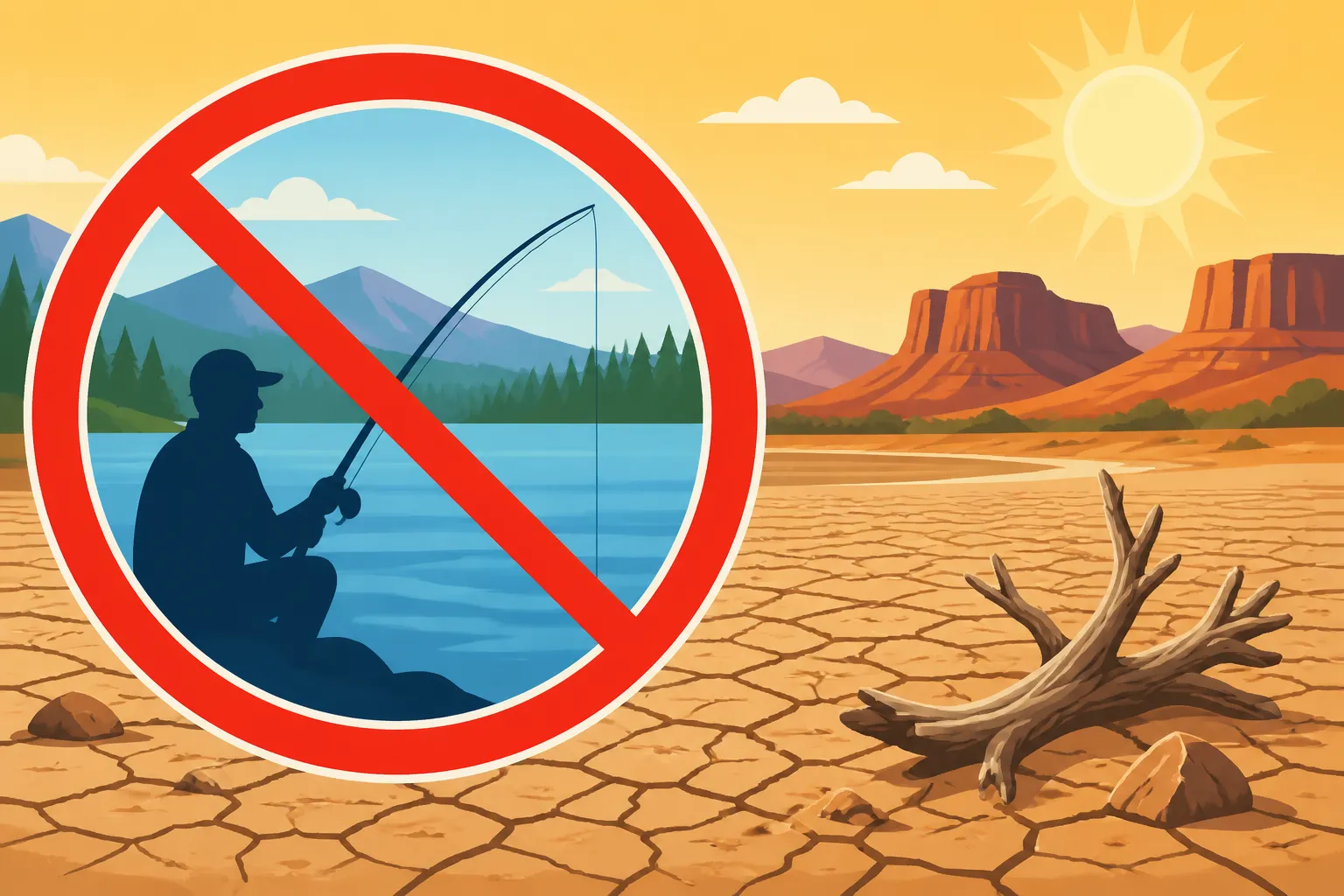
The impact of prolonged drought on New Mexico's fisheries goes far beyond just low water levels; it creates a cascade of challenges. First, shallower water heats up much faster in the intense New Mexico sun, stressing cold-water species like trout and even making conditions difficult for warm-water fish. This can lead to fish kills, particularly in smaller ponds and stream sections. Second, as water levels drop, the concentration of pollutants and nutrients increases, reducing oxygen levels and sometimes leading to harmful algal blooms. Third, habitat is severely diminished. Spawning grounds can be exposed, vital vegetation for cover disappears, and fish become concentrated in smaller areas, making them more vulnerable to predation and angling pressure. Finally, low water often means limited or no access for anglers, as boat ramps become unusable and shorelines recede, sometimes even making entire lakes unsafe or impossible to fish.
Current Status of New Mexico Lakes and Drought Conditions
While it's impossible to predict exact lake closures for 2026 with absolute certainty so far in advance, we can look at current trends, historical patterns, and expert outlooks to get a realistic picture of what anglers might face. The situation is dynamic, constantly shifting with precipitation and snowpack.
Forecasting 2026: What the Experts Are Saying
As we look towards 2026, the long-term forecasts for New Mexico often point to continued vigilance regarding drought. Agencies like the U.S. Drought Monitor regularly update their assessments, and while these are primarily for current conditions, they provide crucial context. Many climate models suggest that the arid Southwest will continue to experience warmer temperatures and potentially less reliable precipitation in the coming years. This means that even if a particular winter delivers good snowpack, the rapid melt and increased evaporation due to heat can quickly diminish those gains. Therefore, while specific closures can't be listed today for 2026, the risk of closures or significant restrictions due to drought remains a very real possibility, especially for lakes that are consistently impacted.
Key Indicators for Lake Closures and Restrictions
New Mexico's Department of Game and Fish (NMDGF) and other state agencies don't just close lakes on a whim; there are several critical indicators they monitor. The most obvious is the actual water level, often measured as a percentage of capacity or elevation above sea level. When these levels drop below critical thresholds, it can render boat ramps unusable, expose hazards, and make public access impossible. Another key factor is water quality, specifically dissolved oxygen levels and temperature. If these conditions become too extreme, fish health rapidly declines, prompting NMDGF to restrict fishing or close areas to protect fish populations. Furthermore, if a lake’s water is primarily designated for other uses, like irrigation or municipal supply, those demands often take precedence during drought, leading to further drawdowns that impact recreation. Anglers need to understand that these decisions are made with the long-term health of the fishery and public safety in mind.
Lakes Most Vulnerable to Drought Impact and Potential Closures
Historically, some lakes in New Mexico are more susceptible to drought than others, often due to their size, depth, or primary water sources. Smaller, rain-fed lakes or those at the end of a long river system tend to be impacted first and most severely. While a definitive list for 2026 isn't available, here are some categories and examples of lakes that frequently face challenges during dry periods:
- Smaller Impoundments and Urban Ponds: Lakes like Bill Evans Lake or some of the smaller community fishing ponds can see rapid declines in water levels, making them vulnerable to closures or "hoot owl" restrictions (fishing only during cooler parts of the day) when conditions are dire. These often rely heavily on local precipitation or limited diversions.
- Reservoirs with High Water Demand: Large reservoirs like Elephant Butte Lake and Navajo Lake, while massive, serve crucial roles in water delivery for agriculture and downstream communities. While complete closure is rare, low water levels can dramatically reduce usable boat ramps and accessible fishing areas. Elephant Butte Lake, for instance, frequently experiences shifting shoreline access during prolonged droughts.
- Lakes at Risk of Fish Stress: Lakes that are typically stocked with trout but experience warmer temperatures due to shallow water might see fishing restrictions. Storrie Lake near Las Vegas, NM, or Fenton Lake, a popular fly-fishing spot, can become stressed for trout populations if water levels drop significantly and temperatures rise.
- Remote High Mountain Lakes: While less prone to full closures, prolonged drought can affect the productivity and access to some high-mountain lakes, making them less appealing or harder to reach.
For the most up-to-date information, checking sites like the NMDGF and U.S. Drought Monitor will be essential as 2026 approaches. If you're planning a trip and considering booking a guide through platforms like FishingBooker, it's always a good idea to confirm with them about current water conditions at your chosen destination.
Navigating Drought-Affected Waters: Strategies for Anglers
Even with the challenges presented by drought, there are still plenty of ways to enjoy fishing in New Mexico. It just requires a little more planning, flexibility, and a commitment to responsible angling.
Staying Informed: Reliable Sources for Water Levels and Closures
The best defense against a disappointing trip is to be well-informed. Don't rely on old rumors or last year's conditions. Here's how to get the most accurate, real-time information:
- New Mexico Department of Game and Fish (NMDGF) Website: This is your primary source. The NMDGF publishes press releases, fishing reports, and often directly announces lake closures, special regulations, or warnings due to drought. Regularly checking their "News" or "Fishing" sections is critical. You can also find their official New Mexico Fishing Regulations Overview which will have any immediate regulation changes.
- U.S. Drought Monitor: While not fishing-specific, this site provides maps and narratives detailing drought intensity across the state, giving you a broader understanding of the overall water situation.
- Lake-Specific Websites/Social Media: Many of New Mexico's larger lakes, especially those within State Parks, have their own websites or social media pages (e.g., Elephant Butte Lake State Park, Navajo Lake State Park) where they post updates on water levels, boat ramp status, and any recreational restrictions.
- River Flow Data: For river fishing, especially tailwaters below dams, checking USGS real-time streamflow data is invaluable. Knowing the flow rates on rivers like the San Juan River or Rio Chama can tell you a lot about current conditions.
- Local Fishing Reports and Guides: Engage with local tackle shops. They are on the front lines and hear the latest news. If you’re considering booking a trip with a guide, ask about current conditions and their contingency plans. Many guides listed on FishingBooker are hyper-aware of water levels and adapt their strategies daily.
Knowing Current Water Levels at New Mexico's Major Reservoirs can make or break a fishing plan.
Adapting Your Fishing Plans and Techniques
Drought might change where and how you fish, but it doesn't have to mean no fishing. Here are some ways to adapt:
- Focus on Rivers and Tailwaters: While lakes suffer, river systems fed by mountain snowmelt or regulated by dams (tailwaters) can sometimes offer more stable conditions. The San Juan River Quality Waters, for instance, maintains consistent flows and cold temperatures below Navajo Dam, making it a fantastic trout fishery even during severe drought years in other parts of the state. Other river sections like the Rio Chama below Abiquiu Dam can also offer reliable fishing. Look into Best Places to Fish in New Mexico for alternative ideas.
- Target Different Species: If your favorite trout lake is suffering, consider targeting warm-water species like bass, catfish, or crappie in larger, more resilient reservoirs. These fish often tolerate warmer, lower water conditions better than trout.
- Change Your Approach:
- Bank Fishing: If boat ramps are unusable, embrace bank fishing. Focus on deeper channels, points, and remaining submerged structures.
- Night Fishing: For warm-water species, night fishing can be incredibly productive during hot, low-water periods, as fish become more active in cooler evening temperatures.
- Downsizing Gear: In clear, low water, fish can be warier. Consider lighter lines, smaller lures, and a more stealthy approach.
- Focus on Early Mornings/Late Evenings: The coolest parts of the day are often the best times to fish, especially for stressed fish. Consult the New Mexico Fishing Season Calendar for general seasonal patterns, but always adapt to daily conditions.
- Explore Smaller, Less-Known Spots: Sometimes, a small, spring-fed pond or a less-trafficked stream might offer surprisingly good fishing, even when larger lakes are struggling. Always check local regulations for these spots.
Embracing Conservation and Responsible Angling
During periods of drought and low water, our responsibility as anglers becomes even more critical. Every fish we catch and release, every piece of trash we pack out, makes a difference.
- Prioritize Catch and Release: If you're fishing in stressed waters, consider making it a catch-and-release day, especially for vulnerable species. When practicing catch and release, minimize handling time, keep the fish in the water as much as possible, and use barbless hooks to reduce injury. Read up on Catch and Release Best Practices in New Mexico to ensure you're doing it right.
- Be Mindful of Water Temperature: Carry a small thermometer. If water temperatures for trout rise above 68-70°F (20-21°C), it's often best to stop fishing for them, as the stress of being caught in warm water can be lethal.
- Respect Closures and Restrictions: These rules are put in place for a reason – to protect the resource. Ignoring them can lead to fines and further damage. Always check the New Mexico Fishing Regulations Overview before you head out.
- Pack It In, Pack It Out: Leave no trace. This is always important, but especially when natural areas are under stress, every effort to keep them pristine helps.
- Support Conservation Efforts: Consider donating to or volunteering with organizations that focus on water conservation and habitat restoration in New Mexico.
Future Outlook and Long-Term Solutions
While droughts are a natural part of New Mexico's climate, efforts are continuously underway to mitigate their impact and secure our water future, which in turn benefits our fisheries.
New Mexico's Water Management Efforts
The state of New Mexico, through various agencies like the Office of the State Engineer and NMDGF, is actively engaged in water management strategies. These include developing comprehensive drought contingency plans, improving water infrastructure to reduce waste, exploring water recycling, and negotiating interstate compacts for water allocation. There's also a significant focus on watershed health and restoration, understanding that healthy forests and riparian areas are crucial for retaining snowpack and regulating stream flows. Projects that restore degraded riverbanks and wetlands not only improve water quality but also create better habitat for fish, helping them to be more resilient during dry spells.
The Role of Anglers in Water Conservation
As anglers, we are directly connected to New Mexico's water resources. Our passion for fishing should naturally extend to a passion for water conservation. Beyond individual best practices like responsible catch-and-release and adhering to regulations, we can play a larger role. Advocating for sustainable water policies, participating in local cleanup efforts, and educating others about the importance of water stewardship are all vital contributions. Every time you purchase a New Mexico Fishing License Guide or a New Mexico Habitat Stamp and Validation Requirements, a portion of those funds directly supports habitat management and water conservation efforts, demonstrating the collective power of the angling community. Even when you're planning a trip with a service like FishingBooker, ask about local conservation initiatives or guides who prioritize sustainable practices.
Here's a quick reference table for some of New Mexico's major lakes and their typical drought vulnerability:
| Lake Name | Primary Water Source | Typical Drought Vulnerability | General Impact During Drought | Where to Check Status for 2026 |
|---|---|---|---|---|
| Elephant Butte Lake | Rio Grande | Moderate to High | Reduced boat ramp access, fluctuating levels | NM State Parks, NMDGF |
| Navajo Lake | San Juan River | Moderate | Can experience lower levels, but often more stable due to dam management | NM State Parks, NMDGF |
| Conchas Lake | Canadian River | Moderate to High | Significant shoreline changes, reduced access, potential for "no wake" zones | NM State Parks, NMDGF |
| Heron Lake | Rio Chama | Moderate | Lower levels may impact launching larger boats, but generally maintains fishable conditions | NM State Parks, NMDGF |
| Fenton Lake | Spring-fed/Local run | High | Very susceptible to low water, trout stress, potential special restrictions | NMDGF, NM State Parks |
| Bluewater Lake | Bluewater Creek | High | Historically impacted, low levels affect boat access and fish habitat | NMDGF, NM State Parks |
| Storrie Lake | Gallinas River | High | Prone to severe low water, fish stress, and closures for recreation | NMDGF, NM State Parks |
Disclaimer
The information provided in this guide regarding New Mexico lake closures for drought in 2026 is based on current understanding, historical patterns, and general drought outlooks. Specific closures and conditions are subject to change rapidly based on weather patterns, precipitation, and official decisions by the New Mexico Department of Game and Fish and other water management agencies. Always consult official state resources immediately before planning and undertaking any fishing trip for the most up-to-date and accurate information.