New Mexico Fishing Season Calendar
One of the biggest head-scratchers for anglers heading out in New Mexico is figuring out when to fish. It's not as simple as just grabbing your rod and heading to the nearest lake; the Land of Enchantment boasts such a diverse range of fisheries, from high-mountain trout streams to vast warm-water reservoirs, that understanding the seasonal rhythms is absolutely key to a successful outing. This comprehensive guide will walk you through New Mexico's fishing calendar, detailing what to expect, where to go, and which species to target throughout the year, helping you plan your next memorable fishing adventure without the usual guesswork.
Understanding New Mexico's Diverse Fishing Calendar
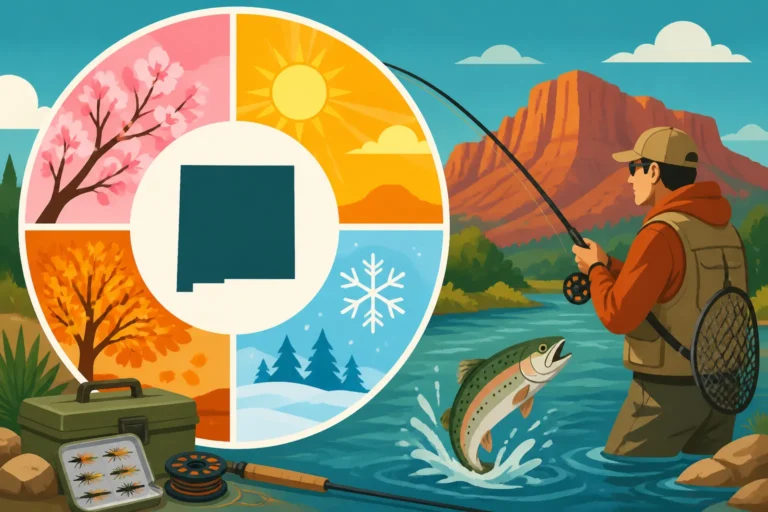
New Mexico's fishing calendar is a fascinating interplay of elevation, water temperature, and species behavior. Unlike states with more uniform climates, you can be ice fishing in the north while chasing warm-water species in the south, sometimes on the very same day during transition periods. This unique characteristic is both a blessing and a challenge. It means there's almost always something biting somewhere, but it also demands a deeper understanding of local conditions and specific species habits. Getting a handle on the broader New Mexico Fishing Season Dates and Limits is your first step to unlocking these opportunities.
The Impact of Elevation and Climate on Seasons
New Mexico spans a vast range of elevations, from the low desert floors of the Rio Grande valley to the towering peaks of the Sangre de Cristo Mountains. This dramatic topographical variance directly dictates the fishing calendar. High-altitude lakes and streams might be frozen well into spring, while lower-elevation reservoirs like Elephant Butte Lake and Caballo Lake remain open and productive for warm-water species year-round. Understanding this geographical diversity is crucial. A warm front in Albuquerque might mean fantastic bass fishing, but up in the Carson National Forest, you could still be post-holing through snow to reach a high-mountain stream.
The distinct climate zones mean that "spring" in the south could feel like late summer in the north, creating overlapping opportunities and challenges. For instance, the infamous spring runoff from mountain snowmelt can make northern rivers unfishable for weeks, yet this same runoff feeds reservoirs, creating fantastic conditions later in the season. These environmental factors necessitate a flexible approach to fishing plans, often requiring anglers to monitor local conditions and the New Mexico Department of Game and Fish (NMDGF) stocking schedules closely.
General Annual Trends for Key Species
While every year brings its own unique weather patterns and water conditions, there are general annual trends that hold true for most key species in New Mexico. Trout, for example, thrive in cold water. Their activity peaks in spring and fall in lower-elevation streams and year-round in cold tailwaters like the San Juan River. In summer, they often retreat to deeper, cooler waters or higher elevations. Warm-water species like bass, crappie, and walleye, on the other hand, become most active as water temperatures rise, hitting their stride from late spring through early fall. Catfish are notoriously resilient and can be caught almost anytime the water isn't frozen solid, with peak activity in the warmer months.
Kokanee salmon have a distinct seasonal cycle, with snagging seasons typically occurring in the fall as they prepare to spawn. Monitoring these specific seasonal windows, often announced by the NMDGF, is vital for targeting these unique fish. Knowing these general patterns helps you narrow down your choices when staring at your calendar and wondering what to rig up.
Embracing the Rebirth: Spring Fishing Opportunities
Ah, spring in New Mexico! It's a season of hope, fresh growth, and for anglers, the exciting prospect of waters awakening from winter's chill. But don't let the budding trees fool you; spring here can be fickle, with warm, sunny days quickly turning into blustery, snowy ones, especially in the northern parts of the state. Despite the unpredictability, spring offers some of the best fishing of the year as fish become more active, moving out of their deep winter haunts to feed aggressively.
Early Spring Tactics as Waters Warm
As the ice finally recedes from higher-elevation lakes and reservoir temperatures begin to climb in March and April, fish start to shake off their winter lethargy. For trout anglers, this is a prime time. Stocked trout are often fresh and eager to bite, making locations like Fenton Lake, Storrie Lake, and many urban ponds near Albuquerque and Santa Fe fantastic options. These fish are usually near shore, cruising for easy meals as the water warms just enough to stimulate their metabolism. Simple techniques like fishing PowerBait, salmon eggs, or small spinners can be incredibly effective. Check the Seasonal Stocking Schedule in New Mexico to know exactly when and where new fish are being introduced.
For warm-water species, early spring can be a bit more challenging but still rewarding. Bass, walleye, and crappie are often still deep or staging for their pre-spawn movements. Targeting them with slower presentations, like jigging spoons, slow-rolled spinnerbaits, or deep-diving crankbaits, can yield results. Locations like Elephant Butte Lake and Conchas Lake start to see increased activity, especially on sunny days when shallow coves warm up faster. It's a time for patience, but the rewards can be substantial, often including some of the biggest fish of the year.
Navigating Spring Runoff in Northern Rivers
One of the biggest challenges for spring anglers, particularly in Northern New Mexico, is the annual snowmelt runoff. As the mountain snowpack begins to melt in late April and May, rivers swell with cold, turbid water, often making them unfishable for weeks. Popular trout rivers like the Rio Chama, Pecos River, and the upper Rio Grande become raging torrents, carrying debris and reducing visibility to near zero. This can be incredibly frustrating if you've planned a trip to a favorite river, only to find it a muddy mess.
However, experienced anglers know how to adapt. Instead of battling the main river channels, many turn to the tailwaters below major dams, such as the famous San Juan River below Navajo Dam. Here, water flows are regulated, maintaining clarity and stable temperatures, making it a year-round trout fishing paradise even during peak runoff. Other options include smaller, spring-fed streams that aren't as affected by snowmelt, or fishing the edges of swollen rivers where calmer eddies might hold fish seeking refuge from the main current. If you're targeting trout, understanding the New Mexico Trout Fishing Rules is essential, especially when fishing these delicate ecosystems. Don't forget, this is also a time to refresh your gear; many anglers stock up on new fishing line or leader material from retailers like Amazon during this pre-summer phase.
Beating the Heat: Summer's Bounty on the Water
Summer in New Mexico is synonymous with long, sunny days, monsoon thunderstorms, and a wide array of fishing opportunities, albeit with its own set of challenges. As temperatures soar, particularly in the southern and central parts of the state, anglers often need to adjust their strategies to find success. Early mornings and late evenings become prime time, while mid-day sun can drive many fish species into deeper, cooler waters.
Prime Time for Warm-Water Species
From June through August, warm-water species truly shine across New Mexico's larger reservoirs. Bass, walleye, crappie, and catfish are highly active, feeding aggressively. Elephant Butte Lake is a hotspot for striped bass and largemouth bass, with anglers often targeting them around submerged structures, points, and coves. Topwater lures can be explosive in the early mornings or late evenings, while jigs and crankbaits work well during the day when fish retreat to deeper cover. For a deep dive into this particular fishery, consult the Elephant Butte Lake Fishing Guide.
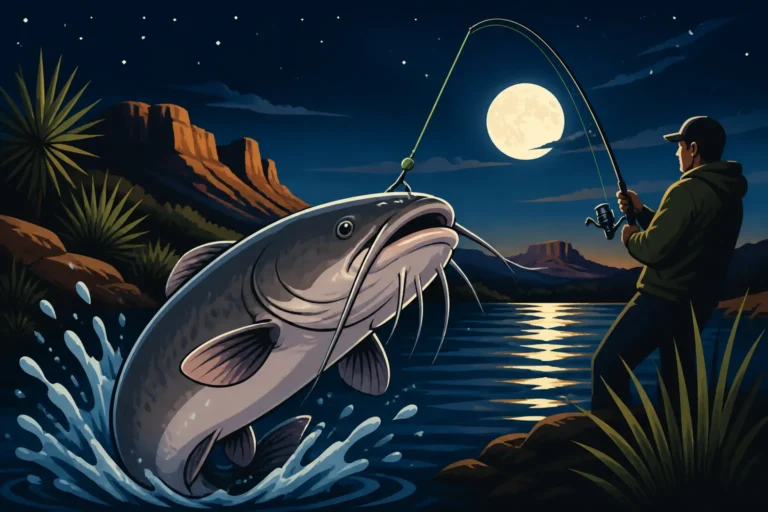
Conchas Lake is another excellent summer destination, known for its healthy populations of walleye and crappie. Trolling with crankbaits or spinner rigs is effective for walleye, while crappie often hold around submerged brush piles and standing timber, responding well to small jigs and minnows. Catfish, the ultimate warm-water opportunists, can be caught almost anywhere using a variety of baits, from stink baits to cut bait, often providing excellent night fishing action under the stars.
High-Country Trout and Monsoon Challenges
While the lowlands sizzle, summer is also the only reliable time to access many of New Mexico's high-country trout lakes and streams. As snow recedes, trails open up, offering breathtaking scenery and excellent fishing for rainbow, brown, and native Rio Grande cutthroat trout. Lakes like those in the Pecos Wilderness or Carson National Forest provide a welcome escape from the heat, with dry fly fishing often exceptional in streams during insect hatches. Backpacking into these remote areas provides an unparalleled fishing experience.
However, summer in New Mexico also brings the monsoon season, typically from July through September. Afternoon thunderstorms can quickly turn placid rivers into muddy torrents and make open water unsafe. Flash floods are a real danger in arroyos and canyons. Anglers must pay close attention to weather forecasts and be prepared to seek shelter or change plans quickly. While the rain can cool things down and temporarily stir up fish, the subsequent murky water and dangerous conditions require caution. Always carry good rain gear, which you can easily find on Amazon, and be aware of your surroundings.
The Golden Hour: Fall Fishing in New Mexico
Fall is arguably the most beautiful and, for many, the most productive fishing season in New Mexico. As the intense summer heat gives way to crisp, cool mornings and comfortable afternoons, the landscape transforms with vibrant colors. Water temperatures drop, signaling fish to feed heavily in preparation for winter, making them incredibly active and often easier to catch.
Aggressive Feeding for Trout and Bass
For trout anglers, fall is a dream come true. The cooler water temperatures invigorate trout, and they often become less selective about their meals. This is an excellent time for fly fishing with streamers, nymphs, and even dry flies on warmer days. Spin fishermen will find success with a variety of lures and baits. Rivers like the Rio Grande and Pecos, which were difficult during summer runoff, now offer clearer, more manageable flows. The San Juan River below Navajo Dam, always a stellar trout fishery, enters one of its peak periods, with large brown trout becoming particularly aggressive. If you're planning a trip there, be sure to check the San Juan River Fishing Guide.
Bass, both largemouth and smallmouth, also enter an intense feeding frenzy during the fall. They're trying to pack on calories for the colder months, making them very susceptible to a wide range of lures. Crankbaits, spinnerbaits, and jigs thrown around cover and structure can produce some fantastic catches. The fish are often shallower than in summer, making them more accessible to bank anglers as well as boaters.
Kokanee Salmon Snagging Season
One of the most unique and anticipated fall fishing events in New Mexico is the Kokanee Salmon snagging season. These landlocked sockeye salmon turn a brilliant red as they prepare to spawn, gathering in concentrated numbers in specific areas of lakes like Navajo Lake, Heron Lake, and Eagle Nest Lake. The NMDGF typically announces specific dates for the New Mexico Salmon Snagging Season, usually in late September or October, and it's an experience unlike any other.
Snagging involves using weighted, treble hooks to "snag" the salmon as they migrate upstream or congregate in shallow spawning areas. While it can be a controversial method for some, it's a legal and traditional way to harvest these fish in New Mexico. It's important to understand the specific regulations and designated snagging areas to participate legally and ethically. The flesh of these salmon, while not as prime as ocean-run sockeye, is still delicious, and the experience itself is a memorable one for many families.
Braving the Chill: Winter and Ice Fishing Adventures
Winter in New Mexico might seem like a time to put the fishing gear away, but for dedicated anglers, it simply opens up a new world of opportunities. From mild winter days in the south to frozen lakes in the north, winter fishing can be incredibly rewarding, often providing solitude and a chance at trophy-sized fish.
Open Water Fishing in Southern New Mexico
While the northern parts of the state bundle up, southern New Mexico often enjoys mild winters, allowing for year-round open-water fishing. Elephant Butte Lake and Caballo Lake remain productive for warm-water species. Striped bass often school up, making them a prime target for anglers using spoons, jigs, or live bait. Walleye, bass, and catfish can also be caught, though they will typically be in deeper water, requiring slower presentations and precise lure placement. Fishing during the warmest part of the day, often mid-afternoon, can be most effective.
Even some of the lower-elevation trout waters, particularly those that receive regular stocking, remain ice-free and offer good winter fishing. The Rio Grande near Albuquerque, for example, often provides decent trout fishing throughout the colder months. Anglers targeting these areas will find that fish are more lethargic, so finesse techniques and smaller baits or flies are often the key to success. Layering clothing is essential, even on "mild" winter days, as temperatures can drop quickly.
The Thrill of New Mexico Ice Fishing
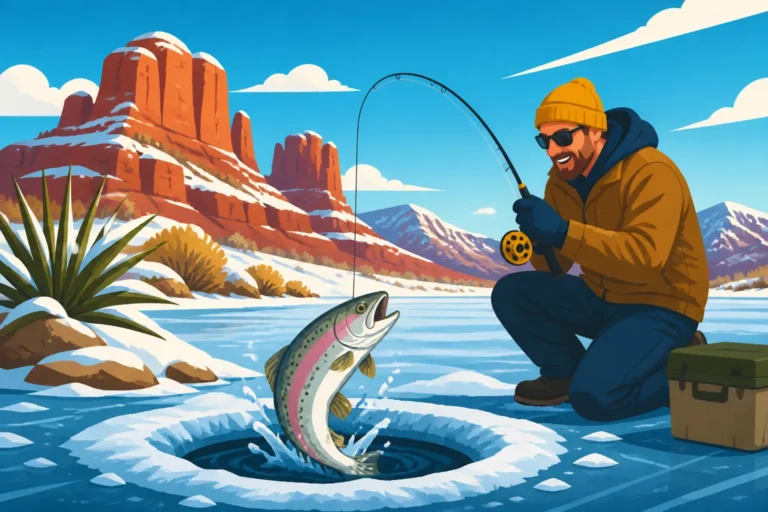
For those who embrace the cold, New Mexico offers fantastic ice fishing opportunities in its northern lakes. Lakes like Eagle Nest Lake, Heron Lake, and Bluewater Lake typically freeze over sufficiently from December through February, though conditions can vary year to year. Ice fishing is a unique experience, allowing anglers to access parts of lakes that are unreachable during open-water seasons. Targeting rainbow trout, kokanee salmon, and even tiger muskie (at Bluewater Lake) through the ice can be incredibly exciting. For more details on this chilly pursuit, check out the New Mexico Ice Fishing Season guide.
Safety is paramount when ice fishing. Always check ice thickness before venturing out – generally, at least 4 inches of clear, solid ice is considered safe for foot traffic. Gear up appropriately with warm, waterproof clothing, insulated boots, and safety equipment like ice picks and a spud bar. A good ice auger is essential for drilling holes, and a portable shelter can make a world of difference on windy or extremely cold days. You'll find a wide selection of specialized ice fishing gear, including augers and shelters, on platforms like Amazon.
Niche Pursuits: Special Season Fisheries
Beyond the general seasonal shifts, New Mexico also offers a few specialized fishing opportunities that operate on their own unique calendars, often with specific regulations or limited access. These niche pursuits can provide truly unforgettable experiences for the adventurous angler.
Gila Trout Fishing Opportunities
The Gila trout, New Mexico's state fish, is a rare and beautiful native species. Its recovery from near extinction is a conservation success story, and carefully managed fishing opportunities exist in designated waters within the Gila National Forest. These are often remote, high-elevation streams that require a hike to access. Fishing for Gila trout is typically catch-and-release only, using artificial flies and lures with barbless hooks, to protect the fragile populations.
Fishing for Gila trout isn't about filling a cooler; it's about the unique experience of targeting a native, wild fish in its pristine environment. The season usually aligns with warmer months when stream access is possible and water conditions are favorable. Specific streams and their regulations are often outlined in the annual New Mexico Fishing Regulations Overview, and anglers are encouraged to consult the NMDGF website for the most up-to-date information on where and when these precious opportunities are available.
Special Trout Waters and Their Year-Round Appeal
New Mexico is home to several "Special Trout Waters" or "Quality Waters" that have specific regulations designed to foster trophy-sized trout and exceptional fishing experiences. The most famous of these is the San Juan River Quality Waters below Navajo Dam, renowned globally for its incredible numbers of large, wild rainbow and brown trout. This section of the river operates under special rules, often requiring artificial flies and lures only, barbless hooks, and strict catch-and-release or reduced bag limits.
What makes these waters "special" is their consistent year-round productivity. Because their flows and temperatures are controlled by dam releases, they are less susceptible to seasonal fluctuations like runoff or extreme heat, meaning anglers can enjoy fantastic fishing even when other waters are less productive. While the fish may be pressured, they offer a constant challenge and the chance to land a truly memorable trout any day of the year. Always refer to the New Mexico Special Trout Water Rules before heading out to ensure you're compliant.
Staying Ahead of the Curve: Resources for Anglers
In New Mexico, being a successful angler often means being an informed angler. With such varied conditions and dynamic environments, relying solely on broad calendar expectations isn't always enough. Proactive research and utilization of available resources can dramatically improve your fishing success.
Monitoring Stocking Schedules and Water Levels
The New Mexico Department of Game and Fish (NMDGF) regularly stocks trout and other species into lakes, rivers, and urban ponds across the state. These stocking events are a huge draw, especially for rainbow trout, and knowing when and where they occur can make a big difference in your catch rates. The NMDGF typically publishes a Seasonal Stocking Schedule in New Mexico on their website, often updated weekly or bi-weekly. This is an invaluable resource for planning your trips, particularly for family outings or when targeting freshly stocked fish.
Beyond stocking, monitoring water levels and river flows is crucial, especially for reservoir fishing and river trout fishing. Websites like the Bureau of Reclamation or USGS provide real-time data on reservoir elevations and river gauge heights. Low water levels can concentrate fish in certain areas but also make boat launches difficult, while high, turbid flows can shut down river fishing entirely. Staying informed about these conditions can help you make last-minute adjustments to your plans and save you from a wasted trip.
Understanding Regulations and Local Advisories
New Mexico's fishing regulations can be complex, with statewide rules, regional variations, and specific rules for individual waters (like Special Trout Waters or tribal lands). It's not just about knowing the New Mexico Fishing License Guide, but also understanding bag limits, tackle restrictions, and season dates specific to your target area and species. The NMDGF publishes an annual fishing proclamation (available online and at license vendors) that details all current regulations. Always pick up the latest version, as rules can change from year to year.
Furthermore, local advisories are vital. Drought conditions can lead to lake closures, reduced bag limits, or even "hoot owl" restrictions (fishing only during cooler morning hours) on certain rivers to protect fish from warm water stress. Fires, floods, or even disease outbreaks can also lead to temporary closures or special restrictions. Many local bait shops and fishing guides are excellent sources of up-to-the-minute local information and can offer insights that you won't find in a general regulation booklet. Don't be shy about asking for advice; it can turn a tough day into a great one.
Crafting Your Perfect New Mexico Fishing Trip
Planning a fishing trip in New Mexico isn't just about picking a date; it's about aligning your desires with the state's diverse offerings. Whether you're a seasoned angler chasing a specific trophy or a family looking for a fun day out, understanding the calendar helps you maximize your chances of success.
Matching Species to Seasonal Windows
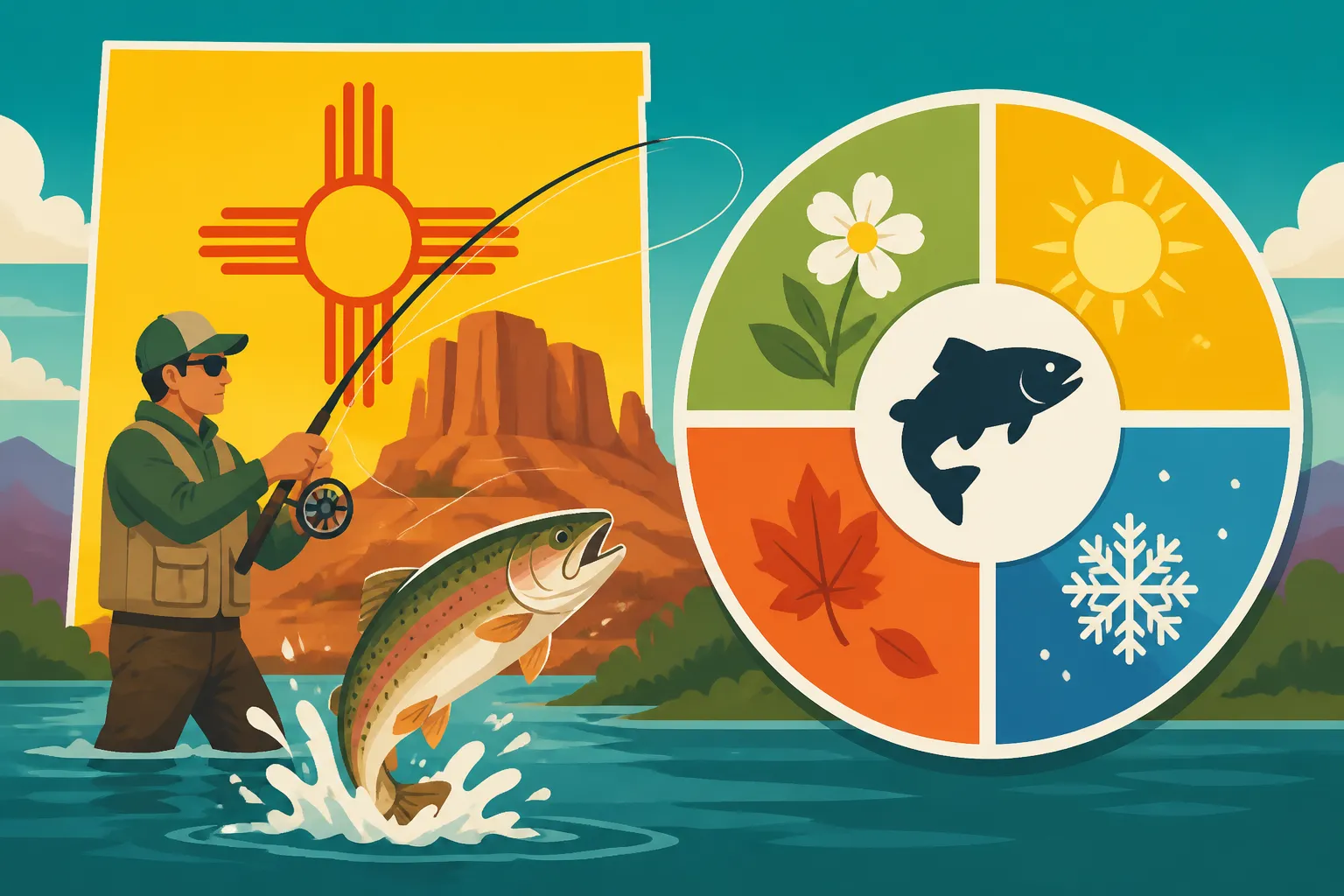
The key to a successful New Mexico fishing trip is often matching your target species with its prime seasonal window. Here's a quick overview:
| Season | Primary Target Species | Key Locations | Optimal Tactics |
|---|---|---|---|
| Spring | Trout, Walleye, Crappie, Pre-spawn Bass | Stocked ponds, San Juan River, Elephant Butte, Conchas | PowerBait, small spinners, jigs, slow crankbaits |
| Summer | Bass, Stripers, Catfish, High-Country Trout | Elephant Butte, Conchas, Navajo Lake, Pecos Wilderness | Topwater, jigs, crankbaits, bait for catfish, dry flies |
| Fall | Trout, Bass, Kokanee Salmon | San Juan River, Rio Grande, Navajo Lake, Heron Lake | Streamers, nymphs, jigs, crankbaits, snagging for Kokanee |
| Winter | Trout (ice fishing), Stripers, Walleye | Eagle Nest, Heron Lake (ice), Elephant Butte (open) | Ice jigs, spoons, PowerBait, deep jigs for open water species |
This table provides a snapshot, but remember, there's always overlap, and dedicated anglers can find ways to catch fish outside these prime windows. For example, while summer isn't "prime" trout time in lower elevations, cold tailwaters like the San Juan River still offer exceptional fishing. Knowing the Best Time of Year to Fish in New Mexico can guide your decision-making, but always be open to flexibility.
Gear Preparation for New Mexico's Varied Climate
New Mexico's weather can be notoriously unpredictable, changing dramatically from morning to afternoon, or from one elevation to the next. Proper gear preparation, therefore, is paramount. You might start your day bundled in layers for a chilly mountain morning and shed them by midday as temperatures climb. This means dressing in layers is almost always a good idea, no matter the season. Lightweight, moisture-wicking base layers, insulating mid-layers, and a waterproof outer shell are essential.
Beyond clothing, ensure your fishing gear is appropriate for the conditions. In summer, adequate sun protection (hats, sunglasses, long-sleeved shirts, sunscreen) is crucial. For winter fishing, especially ice fishing, thermal boots, gloves, and a warm hat are non-negotiables. Always pack enough water, snacks, and a first-aid kit. Consider a fishing backpack from Amazon to keep your essentials organized and easily accessible, especially if you're hiking to more remote spots. Being prepared for anything will allow you to focus on the fishing, not on being too hot, too cold, or too wet.
Disclaimer
The information provided in this guide is for general informational purposes only and is subject to change. Fishing regulations, season dates, and water conditions in New Mexico can vary annually and regionally. Always consult the official New Mexico Department of Game and Fish (NMDGF) website or their latest fishing proclamation for the most current and accurate regulations before planning any fishing trip.