New Mexico Night Fishing Guide
Ever find yourself battling the scorching New Mexico sun, surrounded by crowded shorelines, or experiencing that frustrating midday lull when the fish just seem to vanish? It’s a common dilemma for many anglers in the Land of Enchantment. But what if I told you that some of the most productive and serene fishing opportunities often emerge after the sun dips below the horizon? This comprehensive guide will illuminate the often-overlooked world of New Mexico night fishing, covering everything from the indispensable gear you'll need to the best spots, most effective techniques, and crucial safety tips to ensure your nocturnal angling adventures are both productive and truly unforgettable.
Why Embrace Night Fishing in New Mexico?
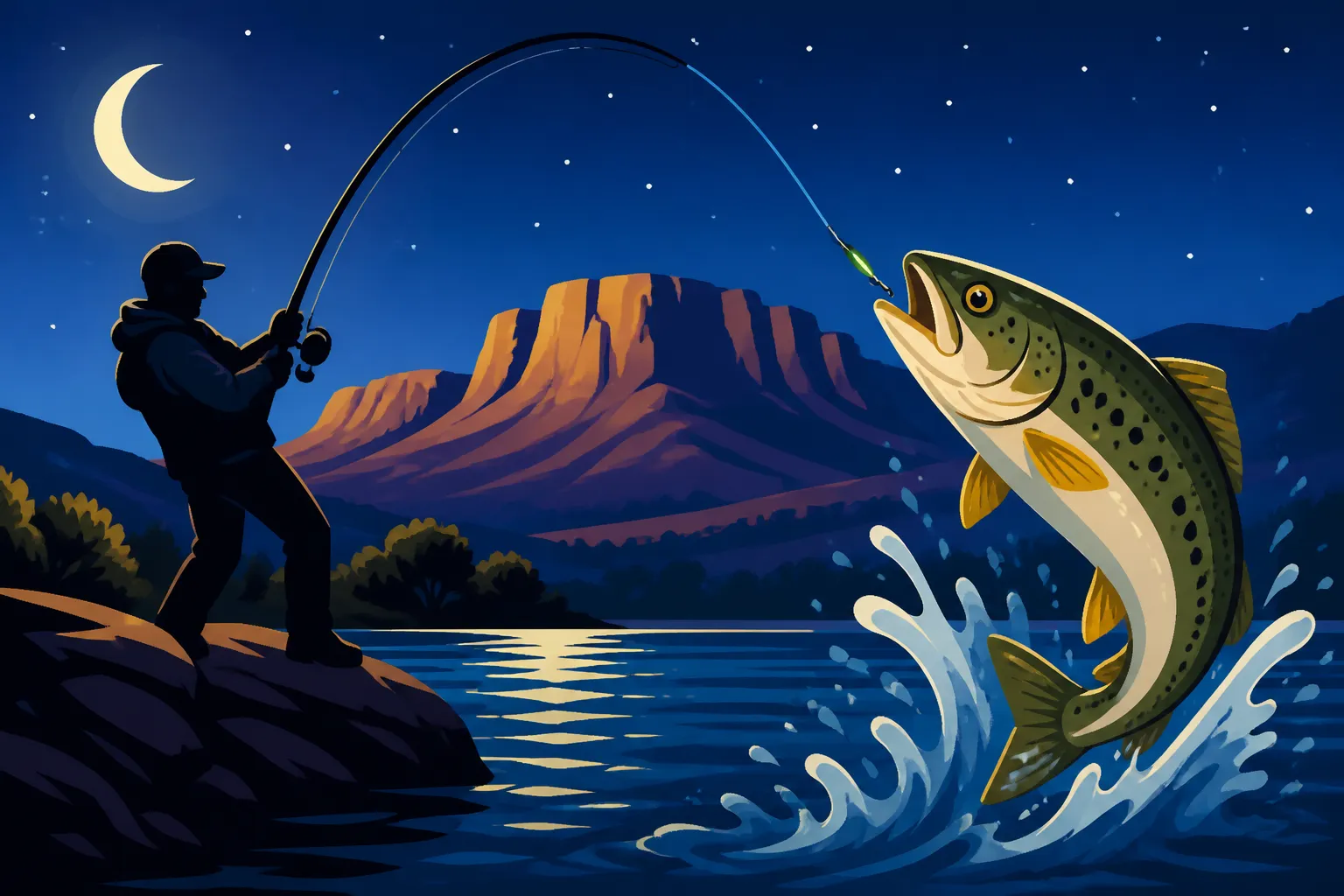
Many anglers automatically pack up their gear when the sun starts to set, but they're often missing out on some of the best action of the day. Night fishing in New Mexico offers a unique experience, transforming familiar waters into mysterious, exciting new frontiers. It’s not just about catching fish; it’s about experiencing nature in a completely different light (or lack thereof!).
Escape the Daytime Heat and Crowds
Let's be honest, New Mexico summers can be brutal. The relentless sun beats down, making fishing uncomfortable, often leading to sluggish fish, and frankly, a less enjoyable experience for you. When you're out there under a 95-degree sun, even the most dedicated angler can start to question their life choices. Plus, popular fishing spots can feel like a carnival during the day, with recreational boaters, swimmers, and other anglers creating a bustling, sometimes noisy environment.
Night fishing completely sidesteps these common frustrations. As evening approaches, the air cools down, often dropping 20-30 degrees from the daytime high, making for much more pleasant conditions. This alone is a huge draw, allowing you to focus on the fishing instead of fanning yourself or seeking shade. Moreover, the crowds thin out dramatically. The jet skis are docked, the swimmers are gone, and many fair-weather anglers have headed home. This leaves you with a sense of peace and solitude, allowing you to connect with the water and the tranquility of the night in a way that's impossible during the day. It’s a chance to truly unwind and enjoy the quiet whispers of the wilderness.
Target Nocturnal and Cooler Water Species
Many of New Mexico’s most sought-after fish species actually become more active once the sun goes down. Think about it: the cover of darkness offers them protection from predators, and the dropping water temperatures can kick-start their metabolism and hunting instincts. Fish that might be lethargic during the intense heat of the day often come alive to feed under the cloak of night.
This is especially true for species like catfish, which are notoriously nocturnal feeders. They use their keen sense of smell and barbels to forage in low light, making them prime targets for night anglers. Walleye, another popular game fish, are highly sensitive to light and often move into shallower waters to feed after dark. Even striped bass, particularly in large reservoirs like Elephant Butte Lake, will often chase baitfish to the surface or near shorelines under the cover of night. By shifting your fishing hours, you're not just fishing at a different time; you're often fishing for a different, more active set of fish.
Experience a Different Kind of Serenity
There's an undeniable magic to being on the water after dark. The familiar landscape takes on a new, mysterious beauty under the starlit sky or the soft glow of the moon. The sounds are different – the rustle of a nocturnal animal, the hoot of an owl, the splash of a fish jumping – all amplified in the quiet night. It’s a sensory experience that’s truly unique.
The stillness of the night can be incredibly meditative. Without the visual distractions of the day, your other senses become heightened. You learn to "feel" the bite more acutely, listen for subtle movements in the water, and rely on the sounds around you. This deep immersion creates a profound sense of peace and connection with nature, which many anglers find even more rewarding than the act of catching fish itself. It’s an opportunity to see the world, and your fishing, through a completely new lens.
Essential Gear for a Successful New Mexico Night Fishing Trip
Heading out after dark isn't just about throwing on a headlamp and hoping for the best. To truly enjoy and succeed at night fishing in New Mexico, you need to be properly equipped. The right gear isn't just about convenience; it's about safety, efficiency, and increasing your chances of a memorable catch. Cutting corners here can lead to frustration or, worse, danger.
Lighting Solutions: More Than Just a Headlamp
While a reliable headlamp is absolutely critical for keeping your hands free, it's just the starting point for effective night fishing illumination. You'll need a layered approach to lighting. Your headlamp should ideally have multiple settings, including a red light option. Red light preserves your night vision much better than white light, which can temporarily blind you to the subtle details of the night sky and the water's surface. When you need to tie a knot or bait a hook, switch to a low-power white light, but try to use red light for general navigation and minimal disturbance to the fish. Many anglers find quality headlamps from brands like Black Diamond or Petzl, which you can easily find on Amazon, offer excellent performance and durability for night excursions.
Beyond your personal headlamp, consider an area light for your fishing spot. If you're fishing from the bank, a portable LED lantern can illuminate your immediate workspace without being overly bright. Battery-powered options are fantastic as they eliminate the need for cords. For boat anglers, proper navigation lights are legally required, but supplemental lights like a small deck light or even a submersible green fishing light can attract baitfish and, in turn, game fish directly to your area. Having a backup light source, whether it's an extra headlamp or a powerful flashlight, is also non-negotiable. Batteries can die unexpectedly, and being left in total darkness is a situation you definitely want to avoid. Always pack extra batteries, too!
Specialized Rods, Reels, and Lines for Low Light
You don't necessarily need a whole new fishing setup just for night fishing, but some considerations can significantly improve your experience. Sensitivity is key after dark, as visual cues for bites are almost nonexistent. Many anglers prefer a slightly faster action rod for night fishing, which allows them to feel even the most subtle taps. A good quality graphite rod will transmit vibrations much better than a fiberglass one.
When it comes to your reel, smoothness is paramount. You want a reel that operates flawlessly in the dark, without any hitches or grinding sounds that could distract you or indicate a problem you can't see. For line, many night anglers opt for fluorescent monofilament lines. While not truly "glowing," these lines often become highly visible under a blacklight or even a blue light source from your headlamp, allowing you to detect subtle line movements that indicate a bite. Alternatively, high-visibility braided lines can be easier to see and manage, especially when coupled with a short fluorocarbon leader for stealth near the bait. Some anglers even prefer thicker diameter lines at night, simply because they are easier to handle and tie knots with in the dark. It’s all about making the process as smooth and intuitive as possible when your primary sense of sight is diminished.
Safety and Comfort Essentials After Dark
Safety should always be your top priority when fishing in New Mexico, and this becomes even more critical after dark. Visibility is severely limited, increasing risks. Always wear a life jacket if you're on a boat, float tube, or even wading in unfamiliar waters. Even if you're a strong swimmer, an accidental fall in the dark can be disorienting and dangerous. Pack warm layers of clothing, even in summer. Desert nights in New Mexico can get surprisingly chilly, and hypothermia is a real concern if you get wet or are out for extended periods. A good waterproof outer layer is also wise, just in case of unexpected rain or dew.
Other essential items include a well-stocked first-aid kit, insect repellent (mosquitoes and other bugs can be particularly bothersome at night), and plenty of water and snacks to stay hydrated and energized. A multi-tool or a sharp knife is always useful for cutting line or making quick repairs. Consider bringing a fully charged power bank for your phone, as well as a fully charged phone itself for emergencies. A whistle can also be a simple but effective signaling device if you're in trouble. For bank anglers, sturdy, non-slip footwear is a must, as uneven terrain and loose rocks are harder to spot in the dark. Don't forget a pair of polarized sunglasses for the drive home after a long night, to reduce glare from oncoming headlights.
Top Fish Species to Target After Sunset in New Mexico
While many fish species can be caught at night, some truly come alive once the sun goes down, making them ideal targets for the dedicated New Mexico night angler. Understanding which species are most active and why will significantly boost your success rate.
Catfish: The Kings of New Mexico Night Fishing
If there's one species that absolutely thrives under the cover of darkness, it's the catfish. New Mexico boasts healthy populations of both channel catfish and flathead catfish in many of its lakes and rivers. These whiskered bottom dwellers are equipped with an incredible sense of smell and touch, allowing them to navigate and hunt effectively in zero-visibility conditions. During the day, they often retreat to deeper, cooler waters or heavy cover, but as night falls, they venture into shallower areas to forage.
For channel catfish, common baits include stink bait, cut bait (like shad or sunfish), chicken livers, and even hot dogs. Rigging these baits on a Carolina rig or a simple slip-sinker rig works wonders. Look for channels, drop-offs, and areas where creeks or rivers feed into larger bodies of water. Flathead catfish, on the other hand, are strictly predatory and prefer live bait, such as bluegill, perch, or large minnows. These powerful fish can grow quite large, so bring stout tackle! Nighttime offers your best chance to hook into a true trophy flathead. Many anglers find success targeting catfish from the banks of the Rio Grande or larger reservoirs like Elephant Butte Lake and Ute Lake, especially around points and coves where baitfish congregate. You can find more specific strategies in our guide on Catfish Fishing in New Mexico.
Walleye and Striped Bass: Low-Light Predators
These two popular game fish, while active during the day, become particularly formidable predators at night due to their excellent low-light vision. Walleye, with their large, light-sensitive eyes, often move from deeper water into shallower structures and flats to feed as darkness descends. They become less wary and more aggressive, making them a fantastic target for night anglers.
For walleye, try trolling with crankbaits that mimic baitfish, or casting jigs tipped with a grub or a nightcrawler along submerged humps, rock piles, and points. Scent is a big attractor for them at night, so don't hesitate to use scented soft plastics or add a dab of fish attractant to your lures. Conchas Lake and Ute Lake are well-known walleye hotspots in New Mexico. Striped bass, especially at Elephant Butte Lake, are another exciting nighttime target. They are ambush predators that will often push baitfish against the surface or into shallow coves, creating explosive topwater action. Cast large swimbaits, poppers, or even live bait (where permitted) into these feeding frenzies. The thrill of a striper hitting your lure in the dead of night is an experience every angler should have. Our comprehensive guide on Striped Bass Fishing in New Mexico offers even more insights into chasing these powerful fish.
Crappie and Panfish: Unexpected Night Bites
While often thought of as daytime targets, crappie and other panfish like bluegill can offer surprisingly good action after dark, particularly around lighted areas. They are attracted to artificial lights, which draw in plankton and baitfish, creating a concentrated feeding zone. This makes them excellent targets for family-friendly night fishing, especially for those who might not want to brave the deeper, darker waters.
Look for crappie around bridge pilings, submerged brush, or docks that have lights shining into the water. Small jigs, usually 1/32 oz to 1/16 oz, tipped with a small minnow or a soft plastic grub, are incredibly effective. Suspending these baits under a small lighted bobber is a classic and highly productive technique. You'll often see the bobber dip slightly or move sideways as a crappie takes the bait. Bluegill and other sunfish will also congregate in these lighted areas, readily hitting tiny jigs, small pieces of worm, or even crickets. Lakes like Cochiti Lake, Storrie Lake, and even some of the urban ponds that are well-lit can provide fantastic night fishing for crappie and panfish. Don't underestimate the fun and consistent action these smaller fish can provide after dark!
| Species | Best Night Baits/Lures | Top Night Locations | Notes |
|---|---|---|---|
| Channel Catfish | Stink bait, cut bait, chicken liver, hot dogs, worms | Rio Grande, Elephant Butte Lake, Ute Lake, Conchas Lake | Bottom fishing, near channels, points, creek mouths; strong scent is key. |
| Flathead Catfish | Live bluegill, sunfish, large minnows | Rio Grande, San Juan River (lower), Elephant Butte Lake | Target heavy cover, submerged timber; large, live baits are essential. |
| Walleye | Crankbaits, jigs with grubs, nightcrawlers (scented) | Conchas Lake, Ute Lake, Navajo Lake | Troll or cast over humps, points, rock piles; sensitive to light. |
| Striped Bass | Large swimbaits, poppers, live bait (shad) | Elephant Butte Lake, Cochiti Lake | Look for surface boils, target points and coves; aggressive feeders. |
| Crappie | Small jigs (1/32-1/16 oz) with minnows or grubs | Cochiti Lake, Storrie Lake, Lit Docks/Bridges | Attracted to lights; fish vertical over brush piles or structure. |
| Bluegill/Panfish | Tiny jigs, small worms, crickets, corn | Urban ponds, light-attracted areas at reservoirs | Easy to catch, great for beginners/kids, especially around lights. |
Best Fishing Spots for Night Anglers in New Mexico
New Mexico offers a diverse range of fishing opportunities, and many of its prime spots become even more intriguing after dark. Knowing where to go is just as important as knowing how to fish at night. Always remember to check specific regulations for each location, as some areas may have restricted access or hours.
Major Reservoirs and Their Prime Night Zones
New Mexico's large reservoirs are arguably the best places to experience diverse night fishing. Their sheer size means there's plenty of water to explore, and they often hold the larger, more nocturnal species like catfish, walleye, and striped bass.
Elephant Butte Lake is a prime example. This massive body of water near Truth or Consequences is a mecca for striped bass, and many of the biggest stripers are caught at night. They often move into shallower coves and along main lake points to ambush baitfish, especially under a new moon or overcast skies. Bank anglers can target these areas, particularly around rocky outcroppings or submerged structures that extend from the shore. Boat anglers have the advantage of covering more water, using their electronics to find bait schools in deeper sections before targeting the edges of those schools at night. The lake also holds an abundance of channel catfish, which will patrol the same shallower flats and creek channels after dark. Just be mindful of floating debris, especially after windy days, as it can be a hazard for boaters.
Navajo Lake in northern New Mexico is another fantastic option, particularly for walleye and catfish. The lake's clear waters and abundant forage make it a productive fishery. At night, walleye often cruise the shallower flats and rocky points. Anglers can anchor and cast jigs or troll crankbaits along these structures. Catfish will also be active, especially in the larger coves and near the mouths of tributary streams. Navajo Lake Fishing Guide provides more detail on the overall fishery, but remember to adjust your approach for the nocturnal bite.
Conchas Lake, located east of Tucumcari, is renowned for its walleye and catfish populations. Night fishing here can be incredibly rewarding. Walleye will move onto the numerous humps and submerged points that are abundant throughout the lake. Trolling with deep-diving crankbaits or vertically jigging over these structures can yield impressive results. Catfish, as always, will be prowling the shallower flats and creek channels. The State Park areas often provide good, accessible bank fishing opportunities, just be sure to adhere to park hours and regulations.
Rivers and Smaller Lakes with Night Fishing Potential
While reservoirs dominate the night fishing scene, New Mexico's rivers and smaller lakes also offer unique opportunities, especially for those seeking a quieter experience or different species.
The Rio Grande, particularly its slower-moving sections and backwaters, can be excellent for night catfishing. The river's natural flow constantly brings new scents downstream, which catfish are adept at finding. Look for deeper pools, eddies, and areas with submerged snags or brush where catfish like to hide during the day and will move out from to feed at night. Access points near Albuquerque and down towards Socorro often provide good bank fishing. However, caution is paramount when fishing any river at night due to currents and unpredictable footing.
Smaller lakes, especially those that are regularly stocked or have good populations of panfish, can be great for a more casual night outing. Many urban ponds, particularly in cities like Albuquerque and Santa Fe, are stocked with trout and catfish. While trout fishing can slow down at night, catfish often become more active. If these ponds have streetlights or park lights shining on the water, they can attract crappie and bluegill. Always check with the local city or state park department for specific regulations on Fishing New Mexico's Free Weekend in June Without a License or any nighttime access restrictions for these smaller bodies of water. Fenton Lake, known for its trout, is generally considered a daytime fishery, but some anglers might find active panfish near its edges after dusk.
Considerations for Accessibility and Safety
When choosing a night fishing spot, accessibility and safety are paramount. Remote areas that might be a joy to explore during the day can become dangerous and disorienting at night. Stick to areas you are familiar with first, especially when starting out with night fishing. Well-maintained boat ramps and established bank access points are always preferable.
Consider the terrain. Is it rocky, steep, or prone to muddy, slippery conditions? These hazards are significantly magnified in the dark. For boat anglers, ensure your boat is fully equipped with all required safety gear, including proper navigation lights, a horn or whistle, and enough life jackets for everyone on board as outlined in the New Mexico Boat Registration and Titling Guide. For bank anglers, choose a spot with relatively flat, clear ground to minimize tripping hazards. Inform someone of your plans, including your exact location and expected return time. This buddy system is a fundamental safety practice for any night outdoor activity. Always scout your chosen location during daylight hours if it's new to you, so you're familiar with its features and potential hazards before darkness falls.
Effective Techniques and Baits for New Mexico Night Fishing
Fishing in the dark requires a slightly different approach than daytime angling. Your senses are heightened, and fish behave differently. Adapting your techniques and bait choices to these conditions can make all the difference between a slow night and a memorable one.
Scented Baits and Glow Lures: Maximizing Attraction
With limited visibility, fish rely heavily on their other senses, particularly smell and the lateral line system (which detects vibrations), to locate food. This makes scented baits incredibly effective for night fishing in New Mexico. For catfish, this is a no-brainer: stink baits, cut baits (especially oily ones like shad or carp), and chicken livers release strong odors that can draw catfish from a considerable distance. Even for species like walleye, adding a scent attractant to your jigs or soft plastics can make them irresistible. Many commercial scents are available, and some anglers even swear by household items like garlic salt or WD-40 (though use caution with non-fishing specific products).
Glow-in-the-dark lures, jigs, and even soft plastics can also be game-changers, especially for species that hunt by sight in low light, like walleye and striped bass. These lures typically need to be "charged" with a light source (like a flashlight or UV light) for a few seconds before casting. The subtle glow provides a visual cue that stands out in the dark water. Some jig heads are even painted with glow-in-the-dark paint, and crappie jigs often come in glowing varieties. Experiment with different colors and glow durations. A combination of scent and glow can create a powerful attractant that fish simply can't ignore, offering both a visual and an olfactory target in the darkness.
Subtle Presentations and Sound-Producing Lures
While flashy, noisy lures can work during the day, night fishing often calls for a more subtle approach. Many fish become less aggressive and more cautious in the dark, relying on stealth. A slow, steady retrieve with minimal sudden movements can often be more effective than erratic, fast-paced presentations. For bottom feeders like catfish, a simple dead stick approach or a very slow drag can be deadly.
However, there's also a place for sound-producing lures, particularly when targeting aggressive predators like striped bass or walleye that are actively hunting. Lures with rattles, like some crankbaits or soft plastics with internal beads, create vibrations that fish can detect with their lateral lines. Blade baits or spinnerbaits also produce significant vibration and flash, even if the flash is less visible at night, the vibration remains a key attractor. The trick is to balance sound with subtlety; you want to attract attention without spooking the fish. Experiment with different retrieves and listen to how the lure feels in the water. Sometimes, a gentle "thump-thump" is all it takes to trigger a strike. For our article on Best Lures for New Mexico Bass, many of those same principles apply for night fishing, focusing on dark colors and vibrations.
Patience and Positioning: Reading the Night Water
Patience is perhaps the most crucial technique for night fishing. Bites can be few and far between, or they might come in sudden, intense bursts. Don't get discouraged by long periods of inactivity. Many night bites happen at specific times, often coinciding with moon phases or tidal movements (in larger lakes where seiches can occur). Just because it's slow for an hour doesn't mean the fish aren't there.
Positioning yourself strategically is also vital. In the dark, fish will often move into predictable areas: shallower flats adjacent to deep water, points, humps, and areas with submerged cover or vegetation. Look for changes in structure or depth that might funnel baitfish, as predators won't be far behind. If you're using a boat, a good fish finder is invaluable during the day to mark these structures so you can return to them confidently at night. For bank anglers, scouting your spot during daylight hours to identify potential fish-holding structures is highly recommended. Pay attention to subtle cues: the sound of a fish jumping, a sudden splash, or even the faint ripple of baitfish. These small details can pinpoint where the action is happening and help you "read" the water, even when you can barely see it.
Safety First: Navigating the Night Waters of New Mexico
Night fishing in New Mexico offers incredible rewards, but it also comes with inherent risks. Unlike daytime angling, your vision is severely limited, which magnifies every potential hazard. Prioritizing safety isn't just a suggestion; it's a non-negotiable requirement for an enjoyable and incident-free experience. Don't let the excitement of the chase overshadow common sense.
Buddy System and Communication
One of the simplest yet most effective safety measures for night fishing is to never go alone. Always employ the buddy system. Having at least one other person with you can be a lifesaver in an emergency, whether it's an unexpected fall, a medical issue, or a vehicle problem. If going with a buddy isn't possible, then always inform someone reliable about your plans. Tell them exactly where you're going, your estimated departure and return times, and who to contact if you don't check in by a certain hour.
Communication while on the water is also key. If you're in separate boats or spread out along a bank, agree on regular check-in times. Carry fully charged cell phones and, if possible, a two-way radio or satellite messenger for areas with poor cell service. Understand that even small lakes can become disorienting in the dark, and calling out to your partner can help maintain awareness of each other's location. A whistle is also a simple, effective signaling device to attract attention in an emergency. Being proactive with communication ensures that help can be summoned quickly if needed, and that everyone remains accounted for.
Navigation and Hazard Awareness
Navigating in the dark, especially on unfamiliar waters or rugged terrain, presents significant challenges. For boaters, ensure all navigation lights are fully functional and properly displayed. A GPS unit with pre-loaded maps or marked waypoints from a daytime scout can be invaluable. Even on familiar lakes, submerged hazards like rocks, stumps, or fluctuating water levels can become invisible traps at night. Drive slowly and cautiously, especially in shallow areas or near shorelines. A good spotlight can help identify hazards, but rely on it sparingly to avoid startling wildlife or blinding other anglers.
Bank anglers need to be equally vigilant. Scout your fishing spot during daylight hours to identify uneven terrain, slippery banks, steep drop-offs, and any obstacles like fallen trees or loose rocks. These seemingly minor hazards can lead to serious injury in the dark. Always wear sturdy, non-slip footwear. When moving along the bank, use your headlamp to scan the path ahead, but try to keep it on a low setting or red light to preserve your night vision. Never walk backward, and always test your footing before putting your full weight down. Staying within a familiar, well-traveled area is highly recommended until you gain more experience with night conditions.
Wildlife Encounters and Emergency Preparedness
New Mexico's diverse ecosystems mean you're sharing the outdoors with a variety of wildlife, and many animals are more active at night. Encounters with coyotes, deer, bears, snakes, and even larger predators like mountain lions are possible, especially in more remote areas. Store food securely to avoid attracting animals. Be aware of your surroundings; rustling in the bushes or glowing eyes in the distance should prompt caution. Carrying bear spray in bear country is a good idea. Venomous snakes, like rattlesnakes, can be active at night, so watch where you step and reach.
Beyond wildlife, be prepared for other emergencies. A comprehensive first-aid kit is essential for treating cuts, scrapes, insect bites, or other minor injuries. Include basic pain relievers, bandages, antiseptic wipes, and any personal medications. Pack extra warm clothes and rain gear, as weather can change rapidly, and hypothermia can set in quickly if you get wet and cold. A portable jump starter for your vehicle battery can save you from being stranded. Always have enough food and water, even for shorter trips, and consider an emergency blanket. Knowing basic first aid and having a plan for various scenarios will provide peace of mind and ensure you can handle unexpected challenges when fishing after dark in New Mexico.
Planning Your Night Fishing Adventure: Timing and Regulations
Successful night fishing isn't just about showing up with gear; it's about strategic planning. Understanding the nuances of timing, adhering to local regulations, and preparing your site before darkness falls are all crucial steps for a safe and productive outing.
Best Times and Moon Phases for Night Fishing
Just like daytime fishing, timing plays a significant role in night fishing success. While any night can potentially yield fish, certain conditions tend to be more productive. Generally, the period just after sunset and just before sunrise (the crepuscular hours) are often the most active, as fish transition from their daytime patterns to nocturnal feeding.
The moon phase can also have a profound impact. A new moon (no moonlight) or very dark nights are often favored by anglers targeting light-sensitive fish like walleye and striped bass, as the complete darkness allows them to roam more freely in shallower waters without fear. These are also excellent conditions for catfish, as the lack of light means they rely even more on scent. Conversely, a full moon can sometimes slow down these light-sensitive species, as the bright moonlight can mimic daytime conditions. However, a full moon can also be beneficial, providing enough ambient light for you to see without constantly using your headlamp, and making navigation easier. Some anglers find that an hour or two after a full moon rises can be particularly productive as fish adjust to the light. Experimentation is key, as different species and locations can respond differently to moon phases. The New Mexico Fishing Season Calendar can offer insights into general activity patterns, but apply a nocturnal filter to those expectations.
Checking Local Regulations and Restrictions
Never assume that because a body of water is open during the day, it's automatically accessible for night fishing. New Mexico has a patchwork of regulations across its various state parks, federal lands, and tribal lands. Many state parks, for instance, have specific gate closing times, and overnight access might require camping permits or special permissions. Fishing on tribal lands, such as those of the Navajo Nation or Mescalero Apache, almost always requires separate tribal fishing permits in addition to your state license, and they may have their own unique rules regarding hours, bait, and methods.
Before you head out, do your homework. Check the New Mexico Department of Game and Fish (NMDGF) regulations booklet – available online or from license vendors – for general statewide rules. Then, specifically research the body of water you intend to fish. A quick call to the relevant state park office, Bureau of Land Management (BLM) office, or tribal fisheries department can save you a lot of trouble, including potential fines or citations. Pay close attention to rules about motorboat operation at night, noise restrictions, and any specific gear limitations. For example, some "quality waters" might have different regulations for hooks or bait that apply 24/7, not just during daylight hours. Understanding the New Mexico Fishing Regulations Overview is a fundamental step for any angler, day or night.
Preparing Your Fishing Spot Before Dark
One of the best pieces of advice for night fishing is to prepare your fishing spot during daylight hours. This simple step can dramatically reduce frustration and enhance safety once darkness falls. If you're fishing from the bank, scout your chosen area for potential hazards: uneven ground, thorny bushes, loose rocks, or proximity to deep, steep drop-offs. Clear a small, safe area where you can set up your gear, prepare baits, and move around without tripping.
For boat anglers, a daytime reconnaissance mission is invaluable. Use your GPS or fish finder to mark specific humps, points, channels, or submerged structures that you want to target. Familiarize yourself with the boat ramp and any potential obstructions in the water nearby. Ensure all your lights, both navigational and auxiliary, are working perfectly. Have all your rods rigged, baits prepped, and tackle organized so you're not fumbling in the dark. Lay out your essential tools, snacks, water, and safety gear in an easily accessible manner. By taking the time to set things up before the sun goes down, you eliminate many of the common annoyances of night fishing and can focus entirely on the exciting pursuit of fish under the stars.
Common Challenges and How to Overcome Them
Night fishing, for all its rewards, also comes with its unique set of challenges. These aren't insurmountable, but being aware of them and having strategies to overcome them will make your experience much smoother and more enjoyable.
Dealing with Bugs and Cold
Two of the most common complaints about night fishing in New Mexico are the bugs and the unpredictable cold. During the warmer months, mosquitoes and other biting insects can be relentless once the sun goes down, turning an otherwise peaceful evening into a frustrating battle against itchy bites. In contrast, even during the summer, desert nights can see temperatures drop significantly, leading to unexpected chills, especially if you're exposed to wind or get wet.
To combat bugs, a strong insect repellent containing DEET or Picaridin is your first line of defense. Apply it generously to exposed skin and clothing. For even better protection, consider wearing long sleeves and long pants made of lightweight, breathable material, even in summer. Some anglers also find that portable, battery-operated mosquito repellers or citronella candles (if allowed and safe) can create a small bug-free zone around their immediate area. For the cold, layering is key. Always pack more warm clothes than you think you'll need. A good fleece jacket, a warm hat, and even gloves can make a huge difference. A windproof and waterproof outer shell will protect against wind chill and unexpected dew or light rain. Remember, it's easier to take layers off if you get warm than to conjure up warmth when you're shivering. Staying dry is also paramount, so a change of clothes in your vehicle is a wise precaution.
Tangles and Knots in the Dark
One of the most universally frustrating aspects of fishing is dealing with tangles and knots, and this frustration is magnified tenfold in the dark. Without clear vision, what might be a quick untangle during the day can become a hopeless mess at night, potentially costing you valuable fishing time or even a favorite lure. Even simple tasks like tying on a new hook or re-tying a broken line can become a fumbling ordeal.
The best way to overcome this is through preparation and simplification. First, ensure your tackle is well-organized before you even step foot on the water. Use tackle boxes with clear compartments or dedicated lure organizers so you can quickly find what you need by feel. Second, practice essential knots during the day until you can tie them almost by touch. The Palomar knot, improved clinch knot, or snell knot are good ones to master. Third, consider simplifying your rig for night fishing. Avoid overly complex setups that are prone to tangling. If you do get a tangle, don't panic. Use your headlamp (preferably on a low white light setting) to illuminate the area, and take your time. A sharp pair of line cutters or small scissors and a good set of fishing pliers are indispensable for quickly resolving issues. Carrying a small, compact tackle repair kit is also a smart move, containing spare hooks, swivels, and leader material.
Minimizing Light Pollution While Maximizing Visibility
This is a delicate balance in night fishing: you need enough light to see what you're doing and stay safe, but too much light can spook fish or ruin your precious night vision. The bright beam of a white headlamp, for instance, can quickly send wary fish scattering, particularly in shallower waters. It can also cause significant "light pollution" for other anglers, disrupting their experience and potentially causing resentment.
The solution lies in strategic and minimal use of light. As mentioned earlier, a headlamp with a red light setting is your best friend. Use red light for general tasks like walking, rigging, or checking your line. Only switch to a low-power white light when absolutely necessary for intricate tasks like tying a knot. When you do use white light, try to aim it downwards or away from the water as much as possible. If fishing from a boat, use your deck lights sparingly. For bank anglers, consider a small, dim lantern placed behind you, away from the water, to provide ambient light for your workspace. Some anglers even use "glow sticks" on their rod tips or bobbers to help detect bites without casting excessive light onto the water. The goal is to maximize your personal visibility and safety without becoming a beacon that scares fish or irritates fellow anglers. It’s about being thoughtful and respectful of both the environment and others enjoying the nocturnal peace.
Disclaimer
Fishing inherently involves risks. Always prioritize your safety and abide by all local, state, and federal regulations. This guide is for informational purposes only and does not substitute for official regulations or professional safety advice. Conditions on the water can change rapidly; always be prepared for emergencies and inform others of your plans.