Fall Fishing in New Mexico
As the crisp autumn air starts to paint New Mexico's landscapes with vibrant hues of gold and crimson, many anglers begin to pack away their gear, thinking the best fishing is behind them. But for those in the know, this couldn't be further from the truth. Fall fishing in New Mexico offers some of the most spectacular, serene, and often productive angling opportunities of the entire year, yet many miss out, frustrated by the perceived end of the "season." This comprehensive guide is here to shed light on why autumn is a prime time to hit the water, what species you should target, where to find them, and the best techniques to ensure your fall fishing trips are incredibly successful.
Embracing the Magic and Challenges of Fall Fishing in New Mexico
There’s something truly special about fall in New Mexico. The scorching summer heat finally gives way to pleasantly cool days and crisp nights, transforming the fishing experience entirely. It's a time of transition, not just for the foliage, but for the fish themselves, presenting both incredible opportunities and unique challenges that make autumn angling an art form.
The Allure of Cooler Temperatures and Changing Scenery
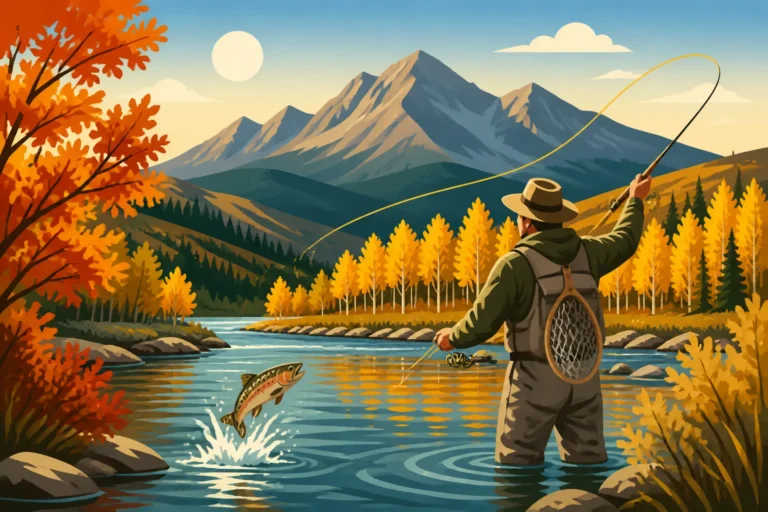
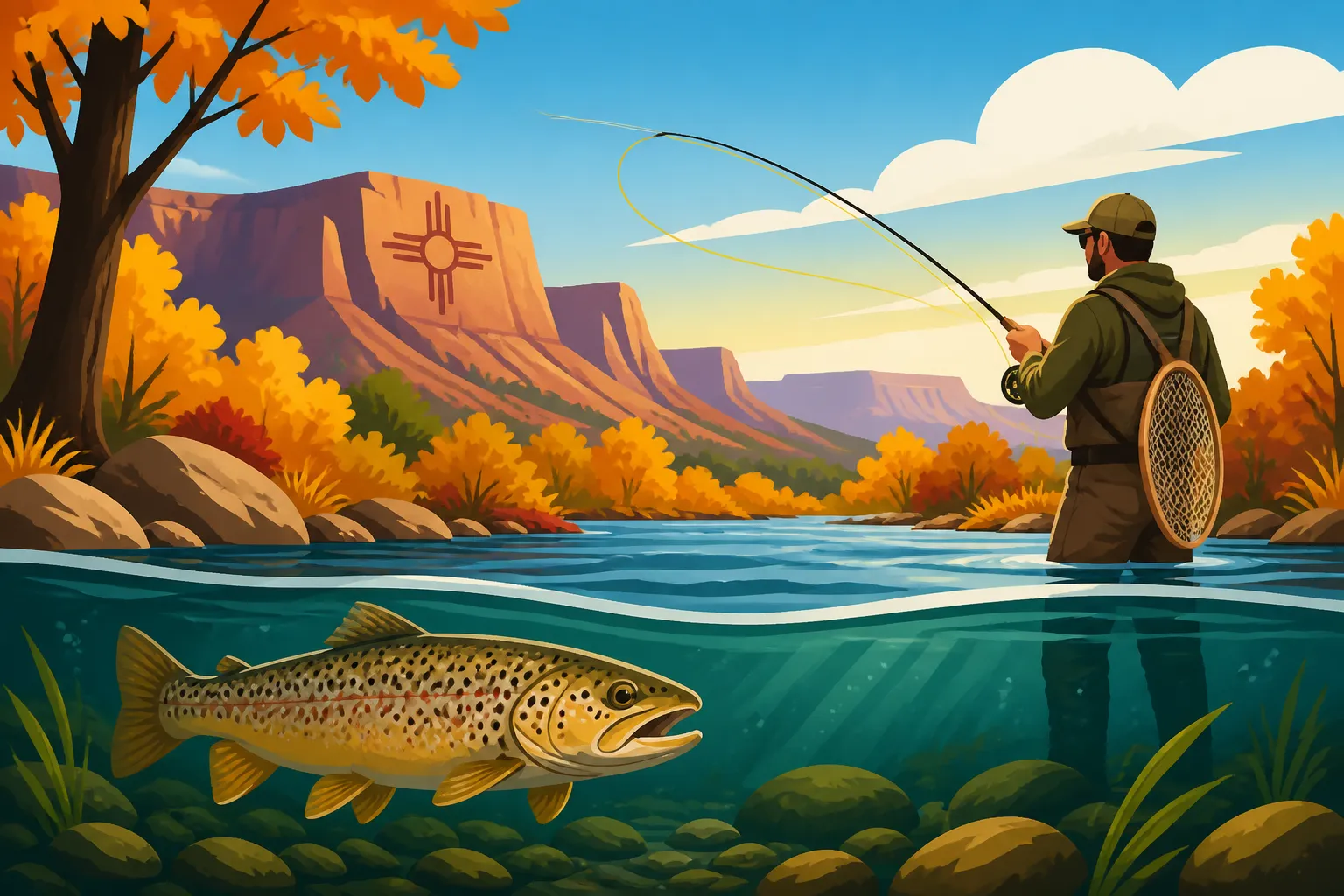
Imagine casting your line while surrounded by cottonwoods turning brilliant yellow along the Rio Grande, or the aspens blazing orange against the deep blue skies of the high country. This aesthetic alone is enough to draw many to the water. Beyond the visual feast, the cooler air temperatures are a huge relief. No more baking under the intense New Mexico sun, struggling to keep hydrated. These milder conditions also translate to more comfortable fishing, whether you're wading a river or spending a full day on the boat. It's a peaceful time, often with fewer crowds than the peak summer months, allowing for a more solitary and reflective experience.
What's really happening beneath the surface, though, is equally enticing. As the water cools, oxygen levels increase, invigorating fish that may have become sluggish in the summer's warmth. This boost in energy often translates to more active feeding patterns, as many species instinctively begin to bulk up for the lean winter months ahead. This period of intense feeding, often called "the fall bite," can lead to some of the most aggressive strikes and memorable catches of the year, particularly for predatory species.
Unique Fall Behaviors of New Mexico Fish
Fish aren't just reacting to cooler water; they're also undergoing significant behavioral shifts tied to spawning cycles and winter preparation. For many trout species, fall is their spawning season. Brown trout, in particular, become incredibly vibrant and aggressive as they move into shallower, gravelly areas of rivers and streams to lay eggs. This makes them more accessible and territorial, often willing to strike at flies or lures mimicking their rivals or egg patterns. Kokanee salmon, a landlocked sockeye, also undertake their spectacular spawning run in the fall, turning a brilliant red and concentrating in specific areas, offering a unique snagging opportunity in designated waters.
Even warm-water species like bass and walleye, while not typically fall spawners, feel the urgency to feed. They sense the impending winter and often school up, moving into predictable patterns as they chase baitfish. This can mean explosive topwater action on cooler mornings or deep jigging for suspended schools in the afternoons. Understanding these seasonal shifts in behavior is key to unlocking the secrets of successful fall fishing in New Mexico. Without knowing when to target specific species or how their priorities change, you might miss out on incredible opportunities that only autumn provides.
Overcoming Common Autumn Angling Hurdles
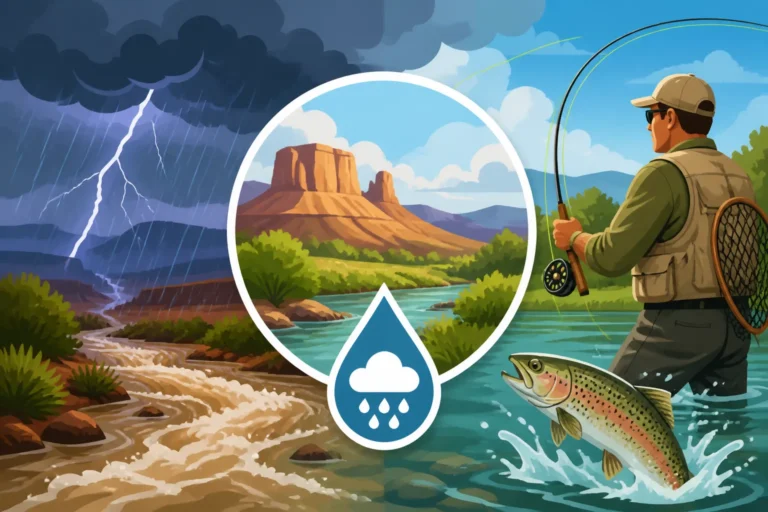
Despite the many positives, fall fishing isn't without its challenges. The primary hurdle is New Mexico's notoriously variable autumn weather. You might start the day in a thick jacket, peel down to a t-shirt by midday, and need that jacket again as the sun dips below the horizon. Temperatures can swing wildly, especially in higher elevations. This means dressing in layers is absolutely crucial, allowing you to adapt to rapidly changing conditions and stay comfortable throughout the day. A good waterproof outer layer is also a smart addition, just in case a sudden rain shower or early snow flurry rolls in.
Another consideration is water levels, which can fluctuate depending on summer monsoon activity and upstream releases. Rivers might be lower and clearer than in spring, making fish warier and requiring a more stealthy approach. Conversely, heavy late-season rains could cause temporary murkiness. Shorter daylight hours also mean less fishing time, so planning your day to maximize those golden hours is important. And, of course, remembering to check current regulations for specific waters, as some seasonal closures or special conditions might apply, is always a must. Consulting the official New Mexico Fishing Regulations Overview is a wise first step before any trip.
Prime Fall Targets: What Fish Are Biting Best
New Mexico's diverse aquatic ecosystems truly shine in the fall, offering a bounty of species for anglers. From aggressive trout to schooling warm-water predators and the unique spectacle of Kokanee salmon, autumn presents distinct opportunities for nearly every type of angler.
Chasing New Mexico's Trophy Trout in Autumn
For many, fall means one thing: trout. As water temperatures drop, trout become incredibly active and often less lethargic than they were in the summer. Brown trout, in particular, are gearing up for their spawn, becoming brilliantly colored and fiercely territorial. They'll often move into shallower areas of rivers and streams, making them more accessible to bank anglers and waders. Their aggressive nature means they're willing to strike at larger streamers, spinners, and even traditional bait offerings that they might ignore at other times of the year. Targeting them in their spawning colors is an incredible experience, though responsible catch and release is paramount during this vulnerable time.
Rainbow trout, whether wild or recently stocked, also thrive in the cooler fall waters. They'll be actively feeding on a variety of insects, especially midges, Blue-Winged Olives, and even larger stonefly patterns if available. Many of New Mexico's renowned trout waters, like the San Juan River Quality Waters, remain productive year-round, but fall can see some of the largest fish actively feeding. Understanding the Trout Fishing Techniques for New Mexico that apply during these cooler months, such as nymphing in deeper runs or targeting rising fish with dry flies during hatches, will significantly increase your success. Lakes, too, can offer fantastic fall trout fishing as the fish move away from deep, cold summer haunts to cruise shallower areas, making them more accessible to shore anglers or those trolling.
The Excitement of Fall Kokanee Salmon Snagging
One of the most unique and anticipated fall fishing events in New Mexico is the Kokanee salmon snagging season. These landlocked sockeye salmon complete their life cycle in the fall, migrating upstream into tributaries or congregating in specific areas of lakes like Navajo Lake and Heron Lake, to spawn. As they near the end of their lives, their bodies transform into a brilliant red, and the males develop a distinct humped back and hooked jaw. During this period, they stop feeding, making traditional hook-and-line fishing ineffective. Instead, the New Mexico Department of Game and Fish allows for a special snagging season in designated waters.
Snagging involves using a weighted treble hook to essentially "hook" the fish as it swims by. It's an active, fast-paced method that can be incredibly exciting, especially when the salmon are thick. While some anglers debate the sportiness, it's a legal and regulated way to harvest these fish, which would otherwise die after spawning. Plus, Kokanee salmon are delicious! Before heading out for this unique experience, always check the current New Mexico fishing regulations for specific season dates, legal waters, and equipment requirements. Information on Kokanee Salmon Fishing in New Mexico, particularly at places like Navajo Lake Kokanee Salmon Fishing and Heron Lake, will be invaluable. It's a fantastic way to fill your freezer and experience a truly unique New Mexico fishery.
Aggressive Bass and Walleye Action
While fall is often synonymous with trout and salmon, don't overlook the incredible opportunities for warm-water species like bass and walleye. As water temperatures start to dip into the 60s and 50s Fahrenheit, these fish often enter a pre-winter feeding frenzy, voraciously chasing baitfish to pack on calories. Largemouth and smallmouth bass will typically move from their deep summer cover to shallower structures, often schooling up and actively hunting. This can lead to explosive topwater bites on calm, cool mornings or fantastic crankbait and jerkbait action throughout the day.
For walleye, fall can be one of the best times to target truly large fish. They tend to concentrate in deeper areas near main lake points, humps, and submerged structure, where they ambush schools of shad or other baitfish. Jigging spoons, blade baits, and deep-diving crankbaits can be incredibly effective. Lakes like Elephant Butte and Conchas are prime destinations for this fall walleye bite. Understanding fall Bass Fishing Techniques for New Mexico Lakes and employing tactics like slow rolling spinnerbaits or targeting rocky points with football jigs can yield impressive results. The key is often finding the baitfish, as the predators won't be far behind. Many anglers find great deals on these specialized lures and baits from retailers like Amazon, ensuring they have the right tools for the job.
Top New Mexico Destinations for Fall Angling
New Mexico boasts an array of stunning fishing locales, and many of them truly shine in the fall. Whether you're after trophy trout in a world-renowned river or seeking explosive action for warm-water species, the Land of Enchantment has a spot for your autumn adventure.
World-Class Trout Fishing on the San Juan River
Without a doubt, the San Juan River below Navajo Dam is a legendary fishery that remains productive throughout the fall, drawing anglers from across the globe. Known for its "Quality Waters" section, this stretch of river consistently produces large, healthy rainbow and brown trout. The consistent cold water flows from Navajo Dam keep the trout active, and fall sees significant midge and Blue-Winged Olive hatches, providing ample feeding opportunities. Anglers often employ nymphing techniques with small fly patterns, carefully matching the prevalent insect life.
The river's large trout populations mean consistent action, even when other waters might be slowing down. The vibrant fall foliage along the riverbanks adds an extra layer of beauty to the experience, making it a perfect spot for fly fishing enthusiasts. While specific rules apply to the Quality Waters, like catch-and-release and artificial fly/lure only, the sheer number and size of the fish make it an unforgettable fall destination. For comprehensive details on this incredible fishery, check out the San Juan River Fishing Guide and specifically the New Mexico Special Trout Water Rules. Remember, stealth and presentation are key here, as these fish see a lot of pressure.
High-Energy Action at Elephant Butte and Navajo Lakes
If you're looking for bigger water and a broader range of species, New Mexico's largest reservoirs, Elephant Butte Lake and Navajo Lake, are excellent fall choices. Elephant Butte, a massive desert oasis, often experiences a phenomenal fall bite for striped bass and walleye. As water temperatures cool, these predatory fish school up and aggressively chase baitfish, providing some truly exciting action. Trolling deep-diving crankbaits or casting jigs and swimbaits into submerged structures and along drop-offs can be highly effective. The cooler weather also makes a full day on this vast lake much more enjoyable. Our Elephant Butte Lake Fishing Guide offers deeper insights into maximizing your trip there.
Navajo Lake, nestled in the scenic northern mountains, is a different beast entirely. Beyond its world-class trout and bass fishing, fall is the prime time for its famous Kokanee salmon snagging season. The vibrant red salmon provide a unique and action-packed fishing experience. Additionally, the lake's cooler temperatures mean its brown trout and rainbow trout become more active, moving into shallower coves and feeding aggressively before winter sets in. Bass, too, can be found feasting on baitfish in the shallower coves and along rocky points. Both these lakes offer boat ramps and facilities, making them ideal for a longer fall fishing trip.
Hidden Gems: Smaller Lakes and Rivers for Fall Exploration
While the big names draw the crowds, New Mexico is dotted with numerous smaller lakes, ponds, and rivers that can offer fantastic, uncrowded fall fishing opportunities. Many of the state's trout-stocked lakes, such as Fenton Lake, Bluewater Lake, and Eagle Nest Lake, receive fresh stockings in the fall, ensuring a healthy population of catchable rainbow trout. These smaller waters are often surrounded by stunning autumn scenery, making for a serene and picturesque outing. Bank fishing or float tubing can be very productive on these lakes.
Rivers like the Pecos River, Rio Chama, and sections of the Rio Grande also offer excellent fall trout fishing, especially for brown trout preparing to spawn. Look for slower, deeper pools and riffles where fish might hold. Accessing these smaller river sections often means a bit more hiking, but the reward is usually fewer anglers and wilder fish. High mountain lakes, accessible by trail, can also be incredible in early fall before the first heavy snows close roads, offering solitude and stunning views alongside aggressive native trout like the Rio Grande Cutthroat. Always check local conditions and access before venturing into the backcountry, and remember that the New Mexico Habitat Management and Access Validation Stamp is often required for fishing on federal lands.
Essential Gear and Techniques for Fall Success
Fall fishing in New Mexico demands a thoughtful approach to gear and technique. The changing weather and fish behavior mean you can't just stick to your summer routine. Adapting your setup and strategy will be key to making the most of this prime angling season.
Rods, Reels, and Lines for Cooler Weather
For trout fishing in rivers, a lightweight to medium-light spinning rod (6-7 feet) paired with a 2000-2500 series reel spooled with 4-6 pound fluorocarbon or monofilament line is a versatile setup. Fluorocarbon offers excellent sensitivity and is nearly invisible underwater, which can be critical in clear, fall waters. For fly anglers on the San Juan or other trout streams, a 9-foot, 5 or 6-weight rod is a workhorse, capable of handling nymphs, dries, and streamers. A floating line is standard, with sinking tips or heavier leaders useful for deeper nymph rigs.
When targeting larger species like bass, walleye, or striped bass in reservoirs, a medium to medium-heavy action rod (6'6" to 7'6") with a 3000-4000 series spinning reel or a baitcasting reel is more appropriate. Spool up with 8-12 pound monofilament or fluorocarbon, or opt for 15-30 pound braided line with a fluorocarbon leader for added strength and sensitivity. Having a few different setups pre-rigged can save valuable time on the water, allowing you to quickly switch between techniques. Retailers like Amazon offer a wide range of rods, reels, and lines to suit any budget or fishing style.
Bait and Lure Strategies for Active Fall Fish
Fall fish, particularly trout, are often opportunistic and aggressive feeders. For stocked trout, traditional baits like PowerBait, worms, and corn can still be highly effective, especially in smaller, slower-moving waters. For wild trout, particularly brown trout, consider using larger streamers that mimic baitfish or smaller trout. Egg patterns, especially in orange or chartreuse, can also be deadly during the trout and salmon spawning seasons. Spinners and spoons in silver, gold, or brass are also reliable options for aggressive trout.
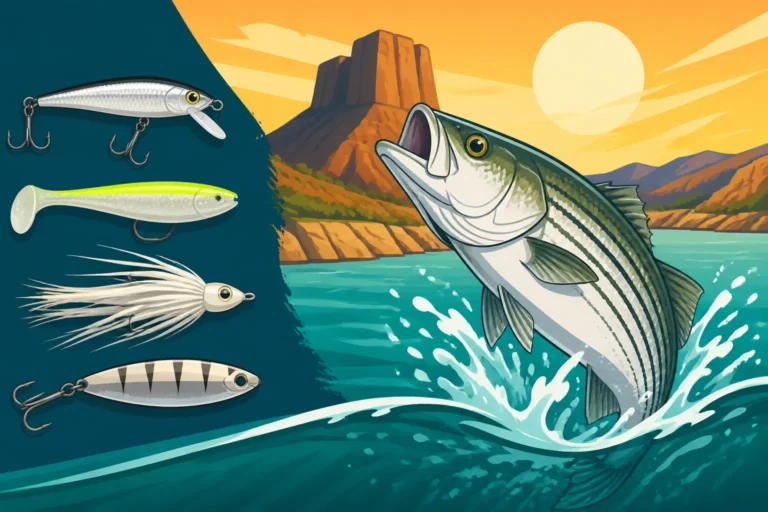
For bass and walleye, fall calls for lures that imitate baitfish. Crankbaits in shad or perch patterns, jerkbaits, swimbaits, and spinnerbaits can be incredibly productive. As fish might be deeper, jigging spoons, blade baits, and soft plastic jigs become essential for targeting suspended schools. Consider the Best Lures for New Mexico Trout and the general best lures for bass depending on the water you're fishing. Don't be afraid to experiment with retrieve speeds; sometimes a slower, more deliberate retrieve is needed in cooler water, while other times a fast, erratic retrieve can trigger a reaction strike.
Adapting Your Approach: Seasonal Fishing Techniques
The change in seasons means a shift in tactics. For river trout, adjust your presentation based on water levels and clarity. If the water is lower and clearer, use lighter line, smaller flies/lures, and approach carefully to avoid spooking fish. Look for deeper pools and runs where fish might congregate. Nymphing with a strike indicator is often highly effective. For spawning trout, target gravelly areas but remember to tread lightly to protect their spawning beds.
On lakes and reservoirs, fish might be found shallower in the mornings and evenings, retreating to deeper breaks and humps during the brighter parts of the day. Trolling can be very effective for covering water and finding schools of walleye or striped bass. For bass, focus on rocky points, submerged timber, and drop-offs. Pay close attention to your fish finder to locate baitfish and predatory schools. Fall is also an excellent time for New Mexico Night Fishing Guide for species like catfish, which remain active through the cooler evenings, particularly in warmer sections of lakes or slower rivers.
Navigating Fall Weather and Water Conditions
Fall in New Mexico is a beautiful but temperamental season. Understanding and preparing for its unique weather patterns and how they affect water conditions is paramount for a safe and productive fishing trip. Ignoring these factors can quickly turn a pleasant outing into a miserable one.
Understanding Water Temperature and Turnover
As air temperatures drop in the fall, the surface water of lakes and reservoirs begins to cool. Eventually, this cooler, denser surface water sinks, displacing the warmer water below, which then rises to the top. This process is known as "lake turnover." Turnover can temporarily make fishing challenging as it mixes the water column, distributing oxygen and nutrients more evenly, and often scattering fish. It typically occurs when surface temperatures cool rapidly, often after the first significant cold fronts of autumn.
Rivers and streams, while not experiencing turnover in the same way, will also see a steady decrease in water temperature. This temperature drop is a primary driver for fish behavior, triggering spawning runs and increased feeding. Knowing the typical water temperatures for the species you're targeting is crucial. For instance, trout are generally most active in water temperatures between 45-65°F. Keeping an eye on localized forecasts and water temperature reports can help you plan your trips around optimal conditions. Consulting the New Mexico Fishing Season Calendar can help align your trip with the general trends of cooling water.
Dressing for Variable Autumn Weather
New Mexico's fall weather can be a game of extremes. Mornings can be frosty, afternoons sunny and mild, and evenings can quickly turn chilly again. The key to comfort is layering. Start with a moisture-wicking base layer to draw sweat away from your skin. Add an insulating middle layer, such as a fleece or down jacket, for warmth. Finally, a waterproof and windproof outer shell is indispensable to protect against sudden rain, snow, or biting winds. Brands available on Amazon offer excellent layering systems that are lightweight and packable. Don't forget a warm hat, gloves, and polarized sunglasses to cut glare off the water and protect your eyes.
Footwear is equally important. Waterproof hiking boots are a good choice for bank fishing, while waders are essential for river anglers. If you're planning a trip to higher elevations, be prepared for even more drastic temperature swings and the possibility of early snow. Always check the weather forecast for your specific fishing destination just before you leave, and pack a little extra warmth – it's always better to have it and not need it than to need it and not have it.
Safety Considerations for Fall Fishing Trips
Cooler temperatures and potentially adverse weather bring specific safety concerns. Hypothermia is a real risk if you get wet and the air temperature is low, so having dry clothes readily available, especially if fishing from a boat or wading, is vital. If boating, ensure all required safety gear, including life jackets, is on board and easily accessible. The New Mexico Boat Registration and Titling Guide outlines all mandatory safety equipment. Always let someone know where you're going and when you expect to return, especially if you're venturing into remote areas.
Shorter daylight hours mean you might be fishing in dim light or darkness at the beginning and end of your trip. A reliable headlamp is a must-have for safe navigation and rigging. Watch your footing, as fallen leaves can make trails and riverbanks slippery. If fishing high country lakes or rivers, be aware of wildlife activity, as deer and elk are often more active in the fall. Overall, a proactive and prepared approach to safety will ensure your fall fishing adventure is enjoyable and free from incident.
Prepping for Your Fall Fishing Adventure
A successful fall fishing trip to New Mexico isn't just about showing up with a rod; it's about thoughtful preparation that accounts for the nuances of the season. From checking the latest regulations to packing the right provisions, a little foresight goes a long way.
Staying Informed: Regulations and Conditions
The first and most critical step before any fishing trip, especially in a transitional season like fall, is to consult the latest New Mexico fishing regulations. Seasons for certain species, like Kokanee salmon snagging, are highly specific, and general statewide regulations can also change. You'll want to review the New Mexico Fishing Regulations Overview for bag limits, possession limits, and any special restrictions on particular bodies of water. For instance, some trout waters might have specific tackle requirements (e.g., artificial flies and lures only, barbless hooks).
Beyond regulations, stay informed about current conditions. Websites for the New Mexico Department of Game and Fish, local tackle shops, and online fishing forums can provide invaluable real-time information on water levels, water clarity, stocking schedules, and recent catch reports. Knowing if a particular lake or river is experiencing turnover, or if a recent cold front has slowed the bite, can help you adjust your plans or expectations. Check the New Mexico Seasonal Stocking Schedule to see if your favorite pond has been recently stocked with fresh trout for the fall bite.
Fall Fishing Checklist: What to Pack
Beyond your rods, reels, and tackle, a well-thought-out fall packing list can make all the difference:
- Layered Clothing: As discussed, essential for comfort and safety. Include a warm hat, gloves, and waterproof outer shell.
- Rain Gear: Even if the forecast looks clear, autumn weather can be unpredictable.
- Waders/Waterproof Boots: If river fishing or needing to get into the water.
- Headlamp/Flashlight: For early morning starts or late evening finishes.
- Sun Protection: Even in fall, New Mexico's sun can be intense. Hat, sunscreen, and polarized sunglasses are still crucial.
- Cooler with Ice: To keep your catch fresh.
- Food and Water: Hydration is important even in cooler weather. Pack plenty of snacks and meals.
- First Aid Kit: For minor cuts, scrapes, or emergencies.
- Map/GPS: Especially if exploring new or remote areas. Cell service can be spotty.
- Bug Spray: Mosquitoes and other biting insects can still be present, especially in warmer fall days.
- Camera: To capture the stunning fall scenery and your trophy catches.
- Valid Fishing License & Habitat Stamp: Don't leave home without them!
Embracing the Solitude and Beauty of Autumn Angling
One of the greatest, often overlooked, aspects of fall fishing in New Mexico is the sheer beauty and tranquility of the season. The summer crowds have thinned, the frantic pace of vacationers has subsided, and a quiet calm settles over the landscape. The vibrant colors of the changing leaves reflect on the water, creating breathtaking scenes. This offers a chance for solitude, reflection, and a deeper connection with nature that can be harder to find during the peak summer months.
Take the time to appreciate the surroundings, not just the fish. Enjoy the crisp air, the sounds of migrating birds, and the stunning visual display. Even if the fish aren't biting constantly, the experience itself is often reward enough. Fall fishing is less about frantic action and more about savoring the moments, making it a perfect time to unwind and recharge amidst New Mexico's spectacular autumn grandeur.
| Fish Species | Primary Fall Behavior | Key Fall Locations | Recommended Techniques |
|---|---|---|---|
| Brown Trout | Spawning, aggressive, territorial | San Juan River, Pecos River, Rio Chama | Streamers, Egg Patterns, Spinners |
| Rainbow Trout | Active feeding, preparing for winter | San Juan River, stocked lakes (Fenton, Bluewater) | Nymphing, Dry Flies, PowerBait, Spinners |
| Kokanee Salmon | Spawning run, turning red | Navajo Lake, Heron Lake | Snagging |
| Largemouth Bass | Pre-winter feeding frenzy, schooling | Elephant Butte, Ute Lake, Santa Rosa Lake | Crankbaits, Jerkbaits, Swimbaits |
| Smallmouth Bass | Pre-winter feeding frenzy, schooling on rocky structure | Elephant Butte, Abiquiu Lake, Cochiti Lake | Jigs, Crankbaits, Tubes |
| Walleye | Pre-winter feeding, deep structures, schooling | Elephant Butte, Conchas Lake, Ute Lake | Jigging Spoons, Blade Baits, Deep Crankbaits |
| Catfish | Still active, feeding aggressively | Rio Grande, Elephant Butte, Caballo Lake | Cut Bait, Stink Bait, Night Fishing |
Disclaimer
The information provided in this guide is for general informational purposes only and is subject to change. Fishing regulations, season dates, and access points can vary and are often updated by the New Mexico Department of Game and Fish. Always consult the official New Mexico Fishing Proclamation and any local postings before planning your trip. Fishing inherently carries risks, and anglers are responsible for their own safety and for adhering to all laws and regulations.