Best Lures for Striped Bass at Elephant Butte
Trying to figure out what lures actually work for striped bass at Elephant Butte Lake can feel like an endless guessing game, right? One day they're hitting anything, the next they're completely shut off, leaving you scratching your head with a tackle box full of unused options. It's incredibly frustrating when you've invested time and money, only to come up short. This comprehensive guide is here to cut through the confusion, helping you understand the best lures for Elephant Butte's feisty striped bass and how to use them effectively to turn those frustrating outings into successful catches.
Unraveling the Mystery of Elephant Butte Striped Bass
Before we dive into the tackle box, it’s really helpful to understand the target. Striped bass are powerful, predatory fish, and their behavior at Elephant Butte Lake is largely dictated by the seasons and the availability of their primary food source: threadfin and gizzard shad. Knowing their habits is the first step to choosing the right lure at the right time.
Seasonal Shifts and Feeding Frenzies
Elephant Butte Lake experiences significant seasonal changes, and these directly influence where striped bass will be and what they'll be willing to strike.
- Spring (March-May): As water temperatures begin to rise into the 50s and 60s Fahrenheit, stripers become incredibly active. They'll start moving shallower, often congregating in coves and along main lake points where shad are beginning to spawn. This is a prime time for aggressive feeding. The warming water signals their metabolism to kick into high gear, making them more susceptible to a wide range of lures. You’ll often find them chasing schools of baitfish near the surface, especially in the mornings and evenings.
- Summer (June-August): When the scorching New Mexico sun heats the surface waters into the 70s and 80s, striped bass tend to move to deeper, cooler water. They'll often suspend over structure or follow the thermocline (the layer where water temperature changes rapidly). Early mornings and late evenings might see them push bait to the surface in explosive "boils," but during the heat of the day, you'll need to target them deeper. Understanding the Striped Bass Summer Holding Depth is crucial during these months.
- Fall (September-November): This is often considered one of the best times to fish for stripers at Elephant Butte. As water temperatures cool down, the baitfish move shallower again, and the stripers follow suit. They become very active, feeding heavily to bulk up for the winter. You'll find them cruising main lake points, submerged humps, and channel bends. This period offers fantastic opportunities for both surface action and subsurface presentations. If you're wondering about the Best Time of Year to Catch Striped Bass at Elephant Butte, fall is often a top contender.
- Winter (December-February): While fishing can be slower, stripers are still catchable. They'll move to the deepest parts of the lake, often holding in large schools near the main lake channel or deep ledges. Slower presentations and vertical jigging are often key during these colder months. They become lethargic but will still feed if a presentation is enticing enough.
Pinpointing Productive Striper Haunts
Elephant Butte is vast, and knowing where to start is half the battle. Striped bass are often found in areas that offer them access to baitfish and cover, or places that serve as ambush points.
- Main Lake Points and Submerged Humps: These are classic striper hangouts. Points offer a transition zone where stripers can ambush bait moving along the shore, while humps act as underwater islands that attract bait and provide structure for stripers to hold around. The points near the dam or in the larger coves are particularly good.
- Coves and Feeder Creeks: Especially in spring and fall, stripers will move into the backs of coves or near the mouths of feeder creeks where shad are spawning or seeking warmer water. These areas can concentrate both bait and predators.
- Deep Ledges and the Main River Channel: During the hotter and colder months, stripers often relate to significant depth changes. The old Rio Grande river channel that winds through the lake is a highway for these fish, offering deep water and easy access to shallower feeding grounds. Look for sharp drop-offs and ledges.
- Open Water Schools (Boils): When stripers are actively feeding on shad, they'll often push them to the surface, creating a "boil" where the water churns with feeding fish. This is visual, exciting fishing, and often occurs early morning or late evening, especially in summer and fall. These boils can pop up anywhere, so keeping a keen eye on the water is essential.
The Arsenal: Top Lures for Elephant Butte Stripers
Now that we have a better idea of where and when to find them, let's talk about the weapons of choice. The key to successful striper fishing at Elephant Butte is often carrying a variety of lures and being willing to switch until you find what they're hitting.
Hard Baits: Crankbaits, Jerkbaits, and Topwaters
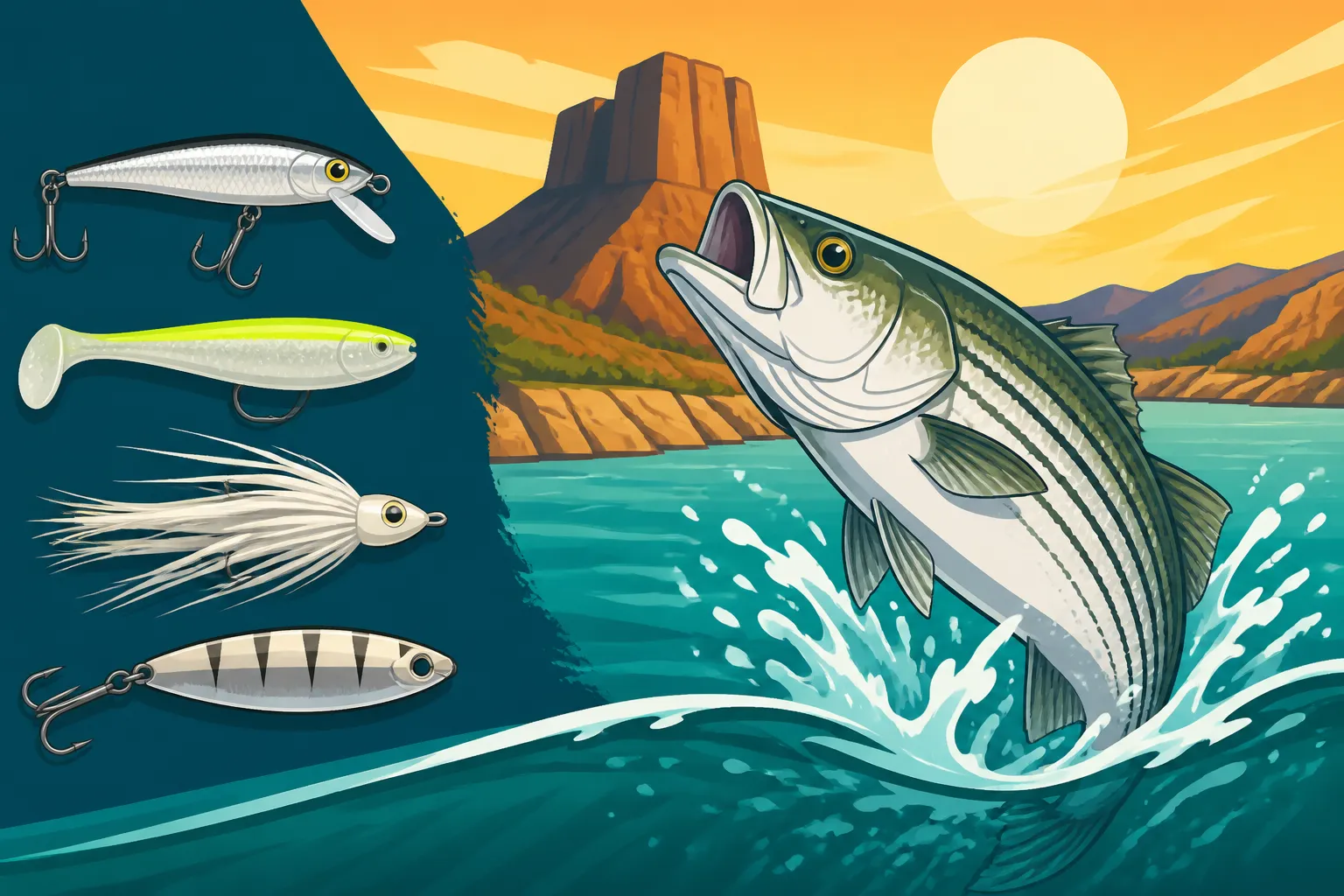
Hard baits are fantastic for mimicking shad and generating aggressive strikes, especially when stripers are actively feeding.
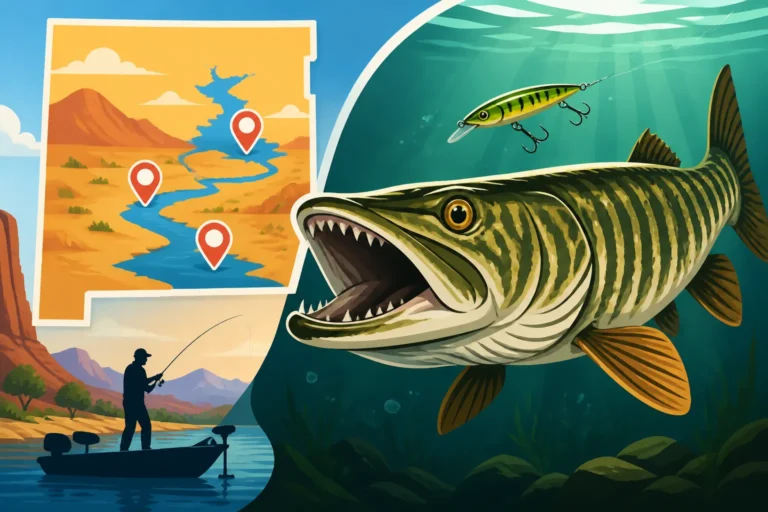
- Crankbaits: These are workhorses for covering water, particularly when trolling. Deep-diving crankbaits are excellent for reaching stripers holding over submerged humps or along ledges. Look for models in shad patterns (silver, chrome, blue-back) or bright chartreuse for stained water. Brands like Berkley (often found on Amazon) offer a range of effective deep-divers. When trolling, experiment with different speeds and depths until you find the sweet spot. A crankbait vibrating through a school of stripers is hard for them to resist.
- Jerkbaits: Long, slender jerkbaits are perfect for imitating injured or fleeing baitfish. They excel when twitched and paused, mimicking a dying shad. They can be very effective in shallower water or when stripers are suspending at mid-depths. Retrieve them with a "twitch, twitch, pause" cadence. The pause is often when the strike occurs. Silver, white, and clear with a hint of blue or green are go-to colors. These are particularly useful when you see stripers chasing bait but not committing to a faster retrieve.
- Topwater Lures: There's nothing quite like the explosive strike of a striped bass on a topwater lure. Poppers, walk-the-dogs, and prop baits are incredibly exciting when stripers are actively feeding on the surface, especially during those early morning or late evening boils. Cast them into the commotion and work them aggressively. The commotion they create on the surface can draw strikes from surprising distances. Bone, white, chrome, and clear are reliable colors. Make sure you have a sturdy rod and reel, as these strikes can be violent! For How to Catch Striped Bass From Shore, topwater is a fantastic option when they are feeding close to the bank.
Soft Plastics: Versatile Swimbaits and Flukes
Soft plastics offer a more subtle presentation and are incredibly versatile, capable of imitating a wide range of baitfish.
- Paddle-Tail Swimbaits: These are perhaps the most essential soft plastic for Elephant Butte stripers. Rigged on a jig head, they mimic shad perfectly with a subtle tail kick. Sizes from 3 to 6 inches are common, with 4-5 inches being a good all-around choice. White, pearl, chartreuse, and clear with glitter are excellent colors. You can cast and retrieve them, often letting them sink to different depths, or even slow-troll them. The key is to match the jig head weight to the depth you're fishing and the desired retrieve speed. You can easily find multi-packs of these on Amazon.
- Flukes (Soft Jerkbaits): These soft plastic baits have a darting, erratic action when twitched and can be rigged weightless or with a small belly weight. They are fantastic for mimicking injured shad and are particularly effective when stripers are finicky or lightly feeding. Watermelon seed, pearl, and smoke colors are popular choices. They offer a more natural, less aggressive presentation than hard jerkbaits and can be deadly when retrieved with a "twitch, twitch, pause" action, just like their hard-bodied cousins.
- Grubs and Curly-Tail Worms: While often overlooked for stripers, larger grubs (3-5 inches) or curly-tail worms on a jig head can be very effective, especially when vertical jigging in deeper water or when fish are less active. The vibrating tail can entice strikes even from lethargic fish. Chartreuse, white, and dark colors like pumpkinseed can work.
Shiny Metals: Spoons and Jigs
Metal lures are fantastic for getting down deep quickly and providing a lot of flash, mimicking wounded baitfish.
- Spoons: Both jigging spoons and casting spoons have a place in your striper arsenal.
- Jigging Spoons: These heavy spoons (e.g., Kastmasters, War Eagle spoons) are designed to drop fast and flutter on the retrieve, mimicking a dying shad. They are deadly when stripers are suspended or holding deep over structure. Vertical jigging them directly under the boat is a highly effective technique. Let them hit the bottom, then snap them up a few feet, letting them flutter back down on a semi-slack line. Strikes often occur on the fall. Chrome, silver, and gold are classic colors.
- Casting Spoons: Lighter, wider casting spoons like a Johnson Silver Minnow can be cast long distances and retrieved to cover large areas of water, especially in shallower zones or near the surface during boils. Their wobbling action is irresistible to aggressive stripers.
- Jigs (Bucktails and Lead-Heads with Trailers): Bucktail jigs have been catching stripers for decades, and for good reason. Their natural pulsation in the water is incredibly attractive. Combine them with a soft plastic trailer (like a grub or swimbait tail) for added bulk and appeal. Work them with a lift-fall retrieve, bumping the bottom, or swimming them through the water column. White, chartreuse, and natural shad colors are excellent. These are especially effective when stripers are holding tight to structure or when you need to make a more controlled, precise presentation.
Tactical Lure Selection: Matching Conditions at Elephant Butte
Having a tackle box full of great lures is one thing; knowing which one to tie on at a specific moment is another. Successful striper anglers are masters of adapting their approach to the prevailing conditions.
Reading the Water: Clarity, Temperature, and Wind
Environmental factors play a huge role in how stripers behave and which lures they'll respond to.
- Water Clarity:
- Clear Water: In clear water, stripers rely heavily on their eyesight. Opt for more natural, subtle lure colors like pearl, clear, smoke, and natural shad patterns. Finer details on swimbaits and more realistic actions become critical. Line diameter also becomes more important; consider using a fluorocarbon leader for stealth.
- Stained/Murky Water: When the water is muddy or stained (common after heavy rains or in some areas of the lake), stripers depend more on vibration and profile. Brighter colors like chartreuse, orange, and even fluorescent pink can be highly effective. Lures with strong vibrations, like lipped crankbaits or paddle-tail swimbaits, will help fish locate your offering.
- Water Temperature: As discussed earlier, temperature dictates striper activity.
- Warm Water (Summer): Faster retrieves and more aggressive presentations can be effective when stripers are active in warmer water, especially during boils. Topwaters and fast-retrieved crankbaits shine. However, during the midday heat, slower, deeper presentations with jigging spoons or heavy swimbaits might be necessary.
- Cold Water (Winter): Slow things down dramatically. Slower retrieves, longer pauses, and vertical presentations with jigging spoons or grubs are usually more productive. Stripers are less willing to chase, so your lure needs to be in their strike zone for longer.
- Wind: Wind can be your friend or your foe.
- Light Wind/Calm: On calm days, stripers can be very spooky, especially in clear water. Long casts are crucial, and subtle presentations might be needed. Topwater lures can still work, but their action needs to be more finessed.
- Heavy Wind/Chop: Wind creates current and oxygenates the water, often making stripers more active. The chop on the surface breaks up light, making fish less wary. This is a great time for noisy crankbaits, spinnerbaits (though less common for stripers), and topwater lures that create a lot of splash. The wind also concentrates baitfish, and thus, stripers. Just be careful managing your boat in the chop!
Depth and Structure: Adjusting Your Approach
Elephant Butte's varied topography means you need to adjust your lure to the depth and type of structure you're targeting.
- Shallow Water (0-15 feet): For stripers cruising shallow points, coves, or chasing bait near the surface, topwater lures, shallow-diving crankbaits, jerkbaits, and lightly-weighted swimbaits are your best bet. Cast long and cover water. You might be targeting fish in the 5-10 foot range near shore or in the upper water column.
- Mid-Depths (15-30 feet): This is a common zone for suspended stripers, especially in spring and fall. Medium-diving crankbaits, deeper-running jerkbaits, and swimbaits rigged on moderate jig heads are excellent choices. Trolling with these baits at various depths until you mark fish on your electronics is often key.
- Deep Water (30+ feet): In summer and winter, stripers often hold in deep water. This calls for heavy jigging spoons, substantial swimbaits rigged on heavy jig heads, or vertical presentations with grubs. A good fish finder is invaluable here to locate schools. Drop your lure directly onto them and work it vertically. This is where patience and precise boat positioning pay off.
Essential Gear Beyond the Lure
While lures are the stars of the show, they're only as good as the supporting cast. Having the right rod, reel, line, and electronics can make a world of difference when targeting Elephant Butte stripers.
Rod, Reel, and Line Recommendations
Stripers are powerful fish, and your gear needs to be up to the task.
- Rods: For most striper fishing at Elephant Butte, a medium-heavy to heavy action spinning or baitcasting rod, 7 to 8 feet long, is ideal. This length provides good casting distance and leverage for fighting strong fish. A fast action tip will help with casting accuracy and detecting subtle bites, while the powerful backbone is crucial for setting the hook and horsing in a big striper. While the Best Rod Setup for New Mexico Trout Fishing might involve lighter tackle, stripers demand more robust gear.
- Reels: Pair your rod with a durable spinning reel in the 3000-5000 size range or a sturdy baitcasting reel capable of holding a good amount of line. Smooth drag is absolutely paramount, as stripers make powerful runs. Ensure your reel has sufficient line capacity to handle those long bursts of energy.
- Line:
- Main Line: 20-40 lb braided line is a popular choice for its strength, sensitivity, and casting distance. Its lack of stretch provides excellent feel for strikes.
- Leader: Attach a 15-30 lb fluorocarbon leader to your braid. Fluorocarbon is nearly invisible underwater, more abrasion-resistant, and provides a bit of stretch, acting as a shock absorber during violent strikes. The Best Line Test for Elephant Butte Striped Bass will often fall in this range, depending on lure size and water clarity.
Electronics and Critical Accessories
Modern electronics can give you a significant advantage, especially on a large lake like Elephant Butte.
- Fish Finder/Sonar: A good quality fish finder with Down Imaging and Side Imaging (or even Live Sonar) is invaluable. It helps you locate bait schools, identify submerged structure, and, most importantly, pinpoint schools of striped bass. Knowing exactly what depth fish are holding at saves immense time and effort. Many excellent models are available on Amazon.
- GPS/Chartplotter: Elephant Butte has numerous humps, ledges, and submerged roads. A GPS unit or chartplotter (often integrated into fish finders) allows you to mark productive spots, navigate safely, and return to specific areas with precision.
- Trolling Motor: A powerful electric trolling motor, especially one with GPS anchoring capabilities, is a huge asset for precise boat positioning, stealthy approaches to shallow areas, and slow-trolling presentations.
- Livewell/Cooler: If you plan to keep any fish within the New Mexico Warm Water Fish Bag Limits, a good livewell or a quality cooler filled with ice is essential to keep your catch fresh.
- Landing Net: A large, sturdy landing net with a rubberized mesh is highly recommended. It protects the fish if you're practicing catch and release and prevents hooks from getting tangled.
Remember, every day on the water is a learning experience. Don't be afraid to experiment, observe, and adapt. Elephant Butte stripers are a fantastic challenge, and with the right knowledge and gear, you'll be well on your way to some memorable catches!
Elephant Butte Striped Bass Lure Quick Guide
| Lure Type | Best Conditions/Location | Retrieval Technique | Recommended Colors/Sizes |
|---|---|---|---|
| Deep-Diving Crankbaits | Trolling deep ledges, humps; covering open water | Steady retrieve; trolling at varied speeds | Shad patterns (silver, chrome, blue-back), chartreuse |
| Jerkbaits | Shallower water, suspended fish; finicky bites | Twitch, twitch, pause; erratic jerking | Silver, white, clear, natural shad patterns |
| Topwater Lures | Surface boils, low light (dawn/dusk); calm water | Walk-the-dog, popping, splashing | Bone, white, chrome, clear |
| Paddle-Tail Swimbaits | Versatile: shallow to deep, casting or slow-trolling | Cast & retrieve, slow roll, jigging; varied depths | White, pearl, chartreuse, clear with glitter (3-6 inches) |
| Flukes (Soft Jerkbaits) | Finesse presentation, clear water, spooky fish | Twitch, twitch, pause; weightless or lightly weighted | Pearl, smoke, watermelon seed |
| Jigging Spoons | Deep water, suspended schools, vertical presentations | Vertical jigging, snap-fall retrieve | Chrome, silver, gold (1/2 oz – 1.5 oz) |
| Bucktail Jigs | Bottom bouncing, structure fishing, deep water | Lift-fall, slow drag; add soft plastic trailer | White, chartreuse, natural shad (3/8 oz – 1 oz) |
Disclaimer
Fishing conditions and regulations in New Mexico can change. Always consult the latest New Mexico Department of Game and Fish regulations handbook before heading out on the water. This guide is for informational purposes only and does not constitute legal advice.