How to Catch Striped Bass From Shore
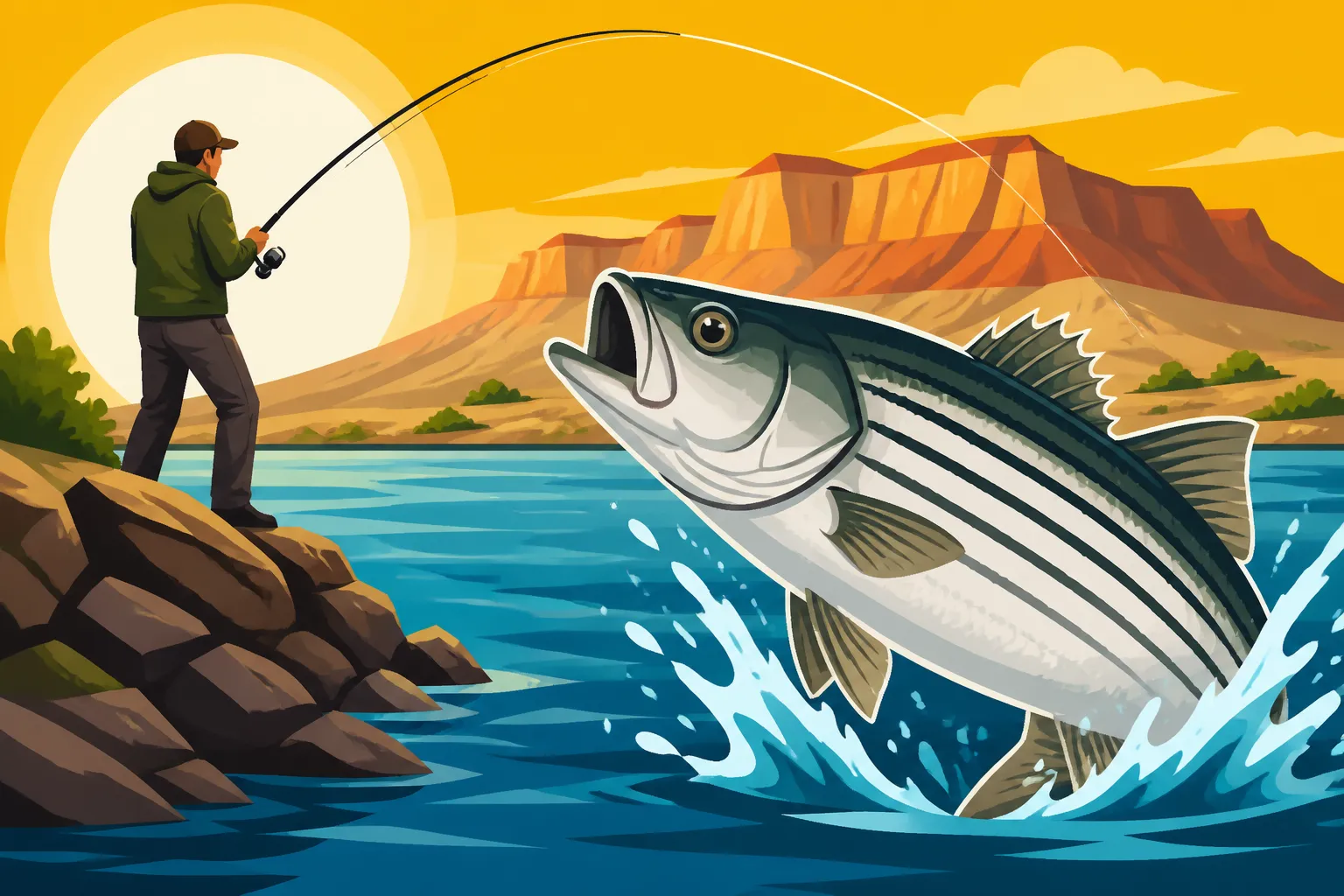
Many anglers dream of the thrilling fight of a striped bass, but the idea of targeting these powerful fish from the shore, especially in New Mexico's vast reservoirs, can feel pretty daunting. You might picture massive boats chasing schools in open water and think, "How can I compete with that from the bank?" It's a common frustration, but I'm here to tell you that with the right knowledge, gear, and a bit of patience, you absolutely can catch impressive striped bass right from the shoreline. This guide is all about equipping you for success, turning those seemingly impossible shorelines into prime striper hunting grounds.
Understanding New Mexico Stripers and Their Shoreline Habits
Before we even talk about rods and reels, let's get into the mindset of a New Mexico striped bass. These aren't your typical pond dwellers; they're predators that thrive in large, open water environments like Elephant Butte Lake, Ute Lake, and even some sections of Cochiti Lake. Their reputation for schooling in open water and chasing baitfish can make shore fishing seem like a long shot, but stripers do come close to shore, especially at certain times and under specific conditions. Understanding these patterns is your first step to success.
Why Stripers Come to Shore
Striped bass, like most predators, are driven by two primary instincts: feeding and comfort. While they might spend a lot of time suspended in deeper water, they will absolutely move into shallower, shoreline-accessible areas when conditions are right. This often coincides with baitfish migrations, changes in water temperature, or specific structural elements that provide ambush points.
Think about it from a striper's perspective: if there's a buffet of shad or sunfish congregating near a rocky point or a submerged hump that's accessible from shore, they're going to be there. This is especially true during low light conditions – early mornings, late evenings, and even into the night – when they feel more confident moving into shallower water to ambush prey. They also utilize submerged structures, current breaks, and drop-offs that are often found surprisingly close to the bank. Don't let the vastness of the lake fool you into thinking all the action is in the middle; those subtle contours near the bank can be golden.
Seasonal and Daily Patterns for Shoreline Success
Striped bass patterns shift throughout the year and even throughout the day. Knowing these general tendencies will significantly increase your chances of finding them within casting distance from shore.
- Spring: As water temperatures begin to rise, stripers become more active and start moving out of their deeper winter haunts. They'll often follow baitfish into shallower coves and along points, making spring an excellent time for shore fishing. They’re looking to feed heavily after the leaner winter months.
- Summer: This can be a bit tougher during the heat of the day, as stripers tend to move to deeper, cooler water. However, the early morning, late evening, and especially night fishing can be phenomenal. Look for them congregating around aeration systems (if present), the cooler water near dams, or following baitfish schools into the shallows under the cover of darkness. The "lights-out" bite, especially under bright moonlight or near marina lights, can be surprisingly productive from shore.
- Fall: Another fantastic season for shore anglers. As the water cools, stripers enter a powerful feeding phase, aggressively chasing baitfish in preparation for winter. They'll be found in a wider range of depths, often pushing bait against shorelines, making them highly accessible. This is when they really stack up in certain areas.
- Winter: Generally, stripers go deep in winter. Shore fishing becomes challenging unless you find a specific warm water discharge or a deep bank accessible from shore. Your best bet in winter is often targeting periods of slightly warmer weather or fishing the deeper sections of lakes that you can reach with a long cast from the bank, like some of the access points at Elephant Butte Lake.
Regarding daily patterns, low-light conditions are your best friend. From dawn until a couple of hours after sunrise, and from late afternoon until dark, the stripers are more likely to cruise the shallows. On cloudy or overcast days, this window might extend. And don't underestimate the power of fishing after dark; this is when many of the biggest stripers are caught from shore, especially with the right baits and techniques. To learn more about the broader fishing seasons, check out our guide on the New Mexico Fishing Season Calendar.
Essential Gear for Shoreline Striper Success
Getting your gear dialed in is crucial when you're targeting big, hard-fighting fish like striped bass from the bank. You need equipment that can handle long casts, strong currents, and the sheer power of a striper without giving up an inch. Skimping on tackle here will lead to disappointment and lost fish.
Rod and Reel Combinations for Long Casts
When fishing from shore, casting distance is often your biggest asset. You need to get your bait or lure out to where the fish are holding, which might be a considerable distance.
- Rods: Look for spinning rods in the 7 to 9-foot range, with a medium-heavy to heavy power rating and a fast action. This combination provides the backbone to fight big fish and the casting ability to send lures a long way. A longer rod generates more tip speed, which directly translates to longer casts. Some anglers even prefer surf rods up to 10 or 11 feet for maximum distance, particularly when targeting areas like the vast open stretches of Elephant Butte. St. Croix and Ugly Stik make durable rods that are popular for this kind of fishing.
- Reels: Pair your rod with a sturdy spinning reel in the 4000 to 6000 size range. It needs to have a smooth, powerful drag system that can handle the explosive runs of a striper. Look for reels with a high line capacity, as stripers can spool you quickly on their initial runs. Brands like Penn, Shimano, and Daiwa offer excellent options that can stand up to the abuse. You can often find great deals on these workhorse reels on Amazon.
- Line: Spool your reel with 15-30 lb braided line. Braid offers superior casting distance due to its thinner diameter, incredible sensitivity, and no stretch for solid hooksets. Because braid is so visible, you'll want to tie on a 2-4 foot leader of 15-25 lb fluorocarbon or monofilament. Fluorocarbon is less visible underwater and more abrasion-resistant, which is key when fishing around rocks or submerged timber.
Baits and Lures That Attract Shoreline Stripers
Striped bass are opportunistic feeders, so having a variety of baits and lures in your tackle box is a smart move. What works one day might not work the next, and conditions can change rapidly.
- Live Bait: If legal and available, live bait is incredibly effective. Shad, sunfish, or even small carp hooked through the back or lips can be irresistible to stripers. Using a simple Carolina rig or a slip-sinker rig with a single circle hook is a great way to present live bait. Check the current New Mexico Fishing Regulations Overview for rules on live bait use.
- Cut Bait: Fresh cut bait, especially oily fish like shad, carp, or even mackerel (if you can get it), can be incredibly potent. The scent trail it puts out can draw in stripers from a distance. Cut your bait into chunks about 1-2 inches thick, ensuring some skin and scales are present. Again, a simple slip-sinker rig with a strong circle hook (3/0 to 7/0 depending on bait size) works perfectly.
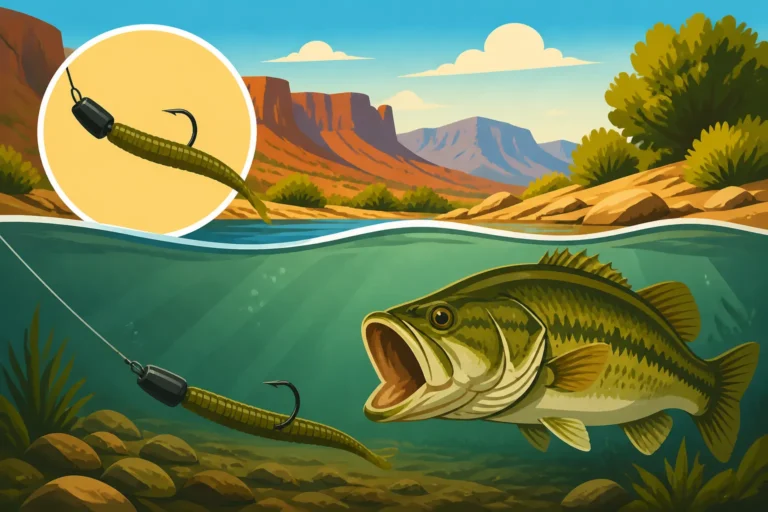
- Swimbaits: Soft plastic swimbaits rigged on heavy jig heads (1/2 oz to 2 oz) are excellent for imitating baitfish. Colors like white, chartreuse, silver, and natural shad patterns are always good choices. Vary your retrieve from a steady reel to a retrieve-and-drop to imitate a wounded baitfish. Brands like Keitech and Storm make popular swimbaits.
- Jerkbaits/Stickbaits: These hard-bodied lures mimic injured baitfish with their erratic action. They're great for covering water and triggering aggressive strikes. Look for suspending or floating models in 4-6 inch sizes. Rapala X-Raps and Lucky Craft Pointer series are classic choices you can often find on Amazon.
- Spoons: Casting spoons are simple, effective, and can be cast a mile. Their flashing and wobbling action mimics struggling baitfish. Silver, gold, and white spoons in 1/2 oz to 1 oz sizes are versatile. Kastmaster and Krocodile spoons are reliable options.
- Topwater Lures: Don't overlook topwater! During low light or when stripers are actively busting bait on the surface, a popper or a walk-the-dog style lure can create explosive strikes. Imagine the thrill of seeing a striper blow up on your surface lure from the bank!
Essential Terminal Tackle and Accessories
Beyond your main setup, a few key pieces of terminal tackle and accessories will make your shore fishing experience much smoother.
| Item | Description | Why It's Essential |
|---|---|---|
| Hooks | Heavy-duty circle hooks (3/0 – 7/0) for bait, J-hooks for lures. | Ensure solid hooksets and minimize gut-hooking with bait. Match hook size to bait/lure. |
| Sinkers | Pyramid, egg, or bullet weights (1/2 oz – 3 oz+). | Get your bait/lure to the bottom and hold it in current/wind. Vary weight by conditions. |
| Swivels | Heavy-duty barrel or ball-bearing swivels. | Prevent line twist, especially with spinning lures or in current. |
| Snaps/Clips | Heavy-duty snap swivels or quick clips. | Easy and quick lure changes, saves time on the water. |
| Pliers/Forceps | Long-nose pliers or specialized fishing forceps. | Safely remove hooks, especially from toothy fish, and cut line. |
| Net or Gripper | Large landing net with rubber mesh, or a lip gripper. | Safely land and handle large stripers, protecting both you and the fish. |
| Headlamp/Lantern | For night fishing. | Illuminate your setup, tie knots, and unhook fish after dark. |
| Cooler | To keep bait fresh and store any fish you plan to keep. | Essential for preserving your catch and live bait. |
Remember, carrying a variety of sizes for hooks, weights, and leaders is always a good idea, as conditions can change rapidly. A good tackle box or bag (like one of the durable options available on Amazon) that allows for organized storage will save you a lot of frustration when you're fumbling in the dark or wind.
Mastering Shoreline Striper Techniques and Tactics
Catching striped bass from shore isn't just about showing up with the right gear; it's about understanding how to use that gear effectively and adapting to the conditions you face. These techniques will help you turn potential into actual fish in the net.
Casting and Retrieval Strategies
Your cast needs to be long and accurate, and your retrieve needs to be varied and enticing. This is where most of your effort will be concentrated.
- Maximize Your Cast: Practice is key. Use a full, sweeping motion to load your rod and send your lure flying. Pay attention to wind direction; casting with the wind will add significant distance. On larger waters like Elephant Butte Lake, every extra yard counts. If you’re using braided line with a fluorocarbon leader, ensure your knots are strong and smooth to avoid snags during the cast.
- Fan Casting: Don't just cast to the same spot repeatedly. "Fan cast" by making casts at different angles across the water in front of you. This allows you to cover a wider area and locate where the fish might be holding. Start short, then gradually extend your casts further out.
- Vary Your Retrieve: Stripers often respond to erratic movements. Don't just reel straight in at a constant speed. Try incorporating pauses, jerks, and changes in speed.
- Swimbaits/Spoons: A steady retrieve often works, but try adding a few quick cranks followed by a brief pause. Let the lure flutter on the pause; this often triggers a strike as fish think it's wounded.
- Jerkbaits: Give the rod tip a few sharp jerks, then pause, allowing the lure to suspend. Repeat. This mimics a struggling baitfish perfectly.
- Topwater: "Walk the dog" by twitching the rod tip to make the lure zig-zag across the surface, or use a popper with short, sharp pulls to create a splash.
- Bottom Bouncing: For cut or live bait, let your rig sink to the bottom. Slowly reel in a few feet, then let it sit again. The goal is to present your bait naturally near the bottom, where stripers often forage.
Fishing Structure and Current from the Bank
Striped bass are structure-oriented fish, and understanding how to identify and fish these features from shore is paramount. Even subtle changes can hold fish.
- Points and Drop-offs: These are classic striper holding areas. Points extending into the water create current breaks and funnel baitfish. Drop-offs allow stripers to hold in deeper, cooler water and quickly move up to ambush prey near the shallows. Look for areas where the bank suddenly steepens. Casting parallel to a point or along the edge of a drop-off can be very effective.
- Coves and Inlets: During cooler temperatures or low light, stripers will push baitfish into shallow coves and inlets. These areas can act as natural traps, making feeding easier for the predators. Cast towards the mouth of the cove and work your way in.
- Submerged Features: If you can identify submerged humps, rock piles, or old roadbeds near the shore (sometimes visible during low water, or on lake maps), these are prime locations. Stripers use these as ambush points. Your best bet here is often fishing live or cut bait on the bottom.
- Current Seams: While large lakes might not have strong river-like currents, even subtle water movements caused by wind or lake turnover can create current seams. Stripers will position themselves just out of the main flow, waiting for baitfish to be swept past them. Cast your lure or bait into the current and let it drift naturally into these seams.
- Riprap and Rock Banks: These areas, often found near dams, bridges, or causeways, provide cover and foraging opportunities for baitfish, which in turn attracts stripers. The rocks also warm up faster, attracting both bait and predators in cooler months. Fan cast along these banks, letting your lure or bait bump the bottom or fall into the crevices.
Remember that when you're fishing from shore, you don't have the luxury of a fish finder to pinpoint exact structures. You need to rely on observation, local knowledge, and lake maps. Pay attention to what the shoreline looks like above water—a steep bank usually means a quick drop-off below, for example. For more detailed information about these fishing spots, consider reading our Best Bank Fishing Spots on Elephant Butte Lake guide.
Finding the Best Shoreline Striper Spots in New Mexico
While striped bass can be found in a few key New Mexico waters, certain shorelines consistently outperform others for anglers without a boat. Knowing where to focus your efforts will save you countless hours of unproductive casting.
Elephant Butte Lake's Prime Shoreline Locations
Elephant Butte Lake is undoubtedly the king of striped bass fishing in New Mexico, and thankfully, it offers some fantastic opportunities for shore anglers. Its vast size means you need to be strategic about where you set up.
- Points and Submerged Humps: The lake is riddled with points and humps that extend far out into the water. Locations like the Long Point area, Rock Canyon, and areas near the dam (where permitted) are known for attracting stripers. Look for points that have deeper water access close to shore. These act as natural funnel points for baitfish.
- The Dam Area (with caution): While certain areas right at the dam might be restricted, the shoreline leading up to or away from the dam can be excellent. The deeper water and potentially stronger currents here attract larger stripers. Always be aware of and respect signage regarding restricted access.
- The Marina Areas: While not always serene, marina areas can be surprisingly productive, especially at night. The lights attract baitfish, which in turn attract stripers. Cast around the perimeter of the marinas or near any lighted docks.
- Areas with Riprap: Any shorelines fortified with riprap (large rocks) offer excellent habitat for baitfish and provide ambush points for stripers. These can be particularly good during cooler months when rocks retain heat.
Remember that water levels at Elephant Butte Lake can fluctuate significantly, dramatically changing shoreline access and the effectiveness of certain spots. Always check current conditions before you go.
Other Notable New Mexico Lakes for Shoreline Stripers
While Elephant Butte takes the spotlight, other lakes also hold respectable populations of striped bass and can offer shore fishing opportunities.
- Ute Lake: Located in eastern New Mexico, Ute Lake also has a strong striper population. While perhaps not as numerous as Elephant Butte, Ute Lake stripers are known for their size and aggressive nature. Look for rocky points, the dam area, and steep banks that drop into deeper water. The areas around Logan or the state park can offer good access.
- Cochiti Lake: In north-central New Mexico, Cochiti Lake is known for its walleye and bass, but it also has a modest population of striped bass. Shore access can be good around the day-use areas and points. Fishing here often requires more patience, but the rewards can be significant. The fish here might be smaller on average, but they are still fun to catch.
- Navajo Lake: While primarily known for its Navajo Lake Kokanee Salmon Fishing and trout, Navajo Lake does occasionally yield striped bass. These are usually not the primary target, but if you're fishing other areas with striper-appropriate gear, you might hook into one, especially near the deeper sections or the main dam.
When exploring these lakes, it’s always a good idea to consult a detailed lake map. These maps can reveal submerged contours, old river channels, and other structures that might not be visible from shore but are critical for holding fish.
Maximizing Your Chances: Time of Day and Conditions
Even with the best spots, timing is everything. Stripers, especially from shore, are often most active during specific windows.
- Low Light is Key: As mentioned before, early morning (pre-dawn to an hour or two after sunrise) and late evening (dusk into the first few hours of darkness) are prime times. The lower light provides cover for stripers to move into shallower feeding grounds.
- Night Fishing: This is arguably the most productive time for shore-bound striper anglers. Many large stripers are caught at night. They become much bolder under the cover of darkness. Use dark-colored lures (black, purple, dark blue) or those that emit vibrations or sound. Glow-in-the-dark lures can also be effective. A reliable headlamp (you can find plenty of good options on Amazon) is indispensable for tying knots, unhooking fish, and navigating the shore safely.
- Overcast Days: Heavy cloud cover can extend the low-light bite throughout the day, making it a good time to be on the water.
- Windy Conditions: Don't shy away from wind. A chop on the water breaks up light penetration, provides cover for stripers, and can push baitfish closer to shore. Fish the windy side of points or coves where baitfish might be concentrated.
- Post-Frontal Conditions: Fishing right before a major cold front or storm can be excellent, as fish often feed aggressively. Immediately after a front passes, fishing can be tough as fish become lethargic, but it will pick back up after a day or two as they readjust.
Always be aware of the weather and lake conditions. Strong winds can make casting difficult and dangerous, especially on large reservoirs. Safety should always be your number one priority. Don't forget, before you even cast a line, ensure you have your New Mexico Fishing License Guide in order!
Final Thoughts on Shoreline Striper Fishing
Catching striped bass from shore in New Mexico is a challenging but incredibly rewarding experience. It demands patience, perseverance, and a deep understanding of these powerful fish and their habitats. While it might seem daunting compared to boat fishing, the thrill of hooking into a hard-fighting striper from the bank is a unique and satisfying achievement.
Remember to equip yourself with the right heavy-duty gear that can handle long casts and strong fish. Focus your efforts on prime locations like rocky points, drop-offs, and areas with current, especially during the low-light hours of dawn, dusk, and night. Experiment with different baits and lures, always paying attention to what the fish are telling you. Stay safe, respect the regulations, and most importantly, enjoy the beautiful New Mexico outdoors. Tight lines, fellow anglers!
Disclaimer
The information provided in this guide is for general informational purposes only and is subject to change. Always consult the official New Mexico Department of Game and Fish regulations booklet for the most current and accurate rules and regulations before fishing. Fishing conditions, fish populations, and access points can vary seasonally and annually.