Best Time to Catch Crappie in New Mexico
One of the most satisfying things about fishing in New Mexico is figuring out the patterns of our beloved fish, and crappie are no exception. There's nothing quite like the excitement of finding a slab crappie school, but hitting the water at the wrong time can leave you scratching your head with an empty stringer. This guide is all about helping you decode the best times to catch crappie in New Mexico, ensuring your next outing is packed with more bites and less waiting.
Understanding Crappie Behavior Through the Seasons
Crappie, both black and white, are a fascinating species, and their behavior shifts dramatically with the changing seasons and water temperatures here in New Mexico. They're not just randomly swimming around; there's a method to their madness, especially when it comes to feeding and spawning. Understanding these fundamental behavioral patterns is your first step to consistent success. Forget the idea that you can just show up and expect results; a little knowledge about what makes a crappie tick goes a long way.
The Impact of Water Temperature on Crappie Activity
Water temperature is arguably the single most critical factor dictating crappie behavior. These fish are ectothermic, meaning their body temperature mirrors that of their environment. When the water is cold, their metabolism slows down, making them less active and less inclined to chase baits. Conversely, warmer water revs up their metabolism, increasing their need to feed and making them much more aggressive. This temperature sensitivity is why crappie move so much throughout the year, seeking out their preferred thermal zones.
Think of it like us trying to find the perfect temperature in our homes. Crappie do the same thing in the lake. They'll move shallower or deeper, seek shade or sun, all to stay within that comfortable range. Knowing this helps us predict where they might be. For instance, in the heat of summer, they'll likely retreat to cooler, deeper waters, or find shade under docks and brush piles. In spring, as the water warms, they push towards the shallows for spawning. Paying attention to water temperature is a game-changer for crappie anglers.
Crappie’s Seasonal Movements and Feeding Patterns
Beyond just temperature, crappie have distinct seasonal movements driven by their biological needs. They have a predictable annual cycle: winter dormancy, spring spawning, summer feeding, and fall gorging. Each phase presents unique opportunities and challenges for anglers. For example, during the spring, when they're focused on reproduction, they become highly concentrated in specific areas, making them easier to locate, though sometimes harder to tempt depending on their mood.
As the year progresses, their diet might even shift. Early in the year, they might be more interested in smaller invertebrates, but as they grow and warm up, baitfish become a prime target. Knowing what they're likely feeding on in a given season, and where they're likely to be found, is key. It's not just about when to go, but where and how to present your offering. Many experienced anglers keep a detailed log of their catches, noting water temperature, depth, and bait used, which helps them recognize these patterns over time.
Seasonal Breakdown: When to Target New Mexico Crappie
New Mexico offers incredible crappie fishing, but success often hinges on aligning your trip with the best seasonal opportunities. Our diverse waters, from large reservoirs to smaller lakes, each have their nuances, but the general seasonal patterns hold true across the state. Let's dive into what you can expect throughout the year.
Spring: The Spawning Frenzy
Ah, spring! This is hands down one of the most popular and productive times to chase crappie in New Mexico. As water temperatures begin to rise, typically hitting the high 50s to low 60s Fahrenheit, crappie move into the shallows for their annual spawning ritual. This usually happens from late March through May, depending on the specific lake and spring weather patterns. You'll find them congregated in brush piles, around submerged timber, under docks, and in any shallow cover that offers protection for their nests.
During the spawn, crappie are incredibly focused, often aggressive, and highly visible. This is when anglers can often catch their biggest crappie of the year. The fish are concentrated, making them easier to locate, and they'll often strike out of territorial instinct even if they're not actively feeding. Small jigs, minnows, and spinnerbaits are incredibly effective during this period. Target shallow flats and coves that get plenty of sun, especially those with structure. Remember, though, once they've laid their eggs, the males will guard the nests, and while catchable, it's good practice to release them quickly and carefully to protect future generations. Many anglers target crappie during this time because they're simply easier to find and catch in numbers. For specific advice, you might want to check out our guide on How to Find Crappie in New Mexico Reservoirs.
Summer: Deep Water Tactics
Once the spring spawn is over and the New Mexico sun heats the water into the 70s and 80s, crappie retreat to deeper, cooler waters. This can be a challenging time for anglers who are used to shallow-water spring fishing. During the summer, crappie will often suspend over submerged brush piles, creek channels, or other deep structure where they can find cooler temperatures and ambush baitfish. They might be anywhere from 10 to 30 feet deep, sometimes even deeper in larger reservoirs like Elephant Butte Lake or Conchas Lake.
Summer crappie fishing often requires different tactics, focusing on electronics to locate schools and then presenting baits vertically. Spider rigging, trolling with multiple lines at different depths, or tight-lining jigs and minnows directly over structure are popular and effective methods. Early mornings and late evenings are often the best times, as crappie might move slightly shallower to feed during these cooler periods. The midday sun can make them lethargic and push them even deeper. Patience is key, as is a good fish finder to locate those elusive summer schools. You can find some fantastic compact fish finders on Amazon that attach right to your kayak or jon boat, making it easier to pinpoint those deep water hangouts. For more on the specifics, check out our insights on Jigging for Walleye in New Mexico – some of those deep-water jigging principles can certainly translate to crappie.
Fall: The Feeding Frenzy Returns
As the temperatures cool in late September and October, crappie feel the urgency to bulk up for winter, leading to another fantastic period of fishing. Fall often sees crappie moving back towards shallower to mid-depth ranges, often following schools of baitfish that are doing the same. They'll be actively feeding, looking to pack on calories, and can be quite aggressive.
You'll often find them around the same types of structure as in spring—brush piles, submerged timber, and drop-offs—but perhaps a bit deeper than their spring spawning grounds, say 8 to 15 feet. Trolling jigs or crankbaits, casting jigs, or using minnows under a float are all highly effective. The key is to match the hatch, so to speak, presenting baits that mimic the size and appearance of the baitfish they're targeting. Fall fishing can be incredibly rewarding, offering both numbers and size as crappie feed heavily. The cooler weather also means a more comfortable day out on the water for anglers! For tips on managing your catch, especially when the bite is hot, refer to our guide on New Mexico Warm Water Fish Bag Limits.
Winter: Slow and Steady Wins the Race
Winter fishing for crappie in New Mexico can be challenging, but also highly rewarding for the patient angler. As water temperatures drop into the 40s, crappie become much less active, their metabolism slowing considerably. They tend to school tightly in deep water, often near the bottom in channels, around major submerged structure, or near significant depth changes.
Success in winter requires a slower presentation. Vertical jigging with tiny jigs (1/32 to 1/16 ounce) or very small minnows is the go-to technique. The bites can be incredibly subtle, feeling more like a slight pressure or weight than a distinct tap. A sensitive rod and light line are crucial. You might only catch a few crappie, but they are often some of the biggest and healthiest fish of the year. Lakes that stay open, like Elephant Butte, can offer fantastic winter crappie if you can locate them. Ice fishing is also an option in some northern New Mexico lakes that freeze over, where anglers target crappie through holes in the ice, again using tiny baits and slow presentations. To maximize your chances, consider getting a portable sonar unit, many excellent models are available on Amazon, to help you pinpoint those tight winter schools.
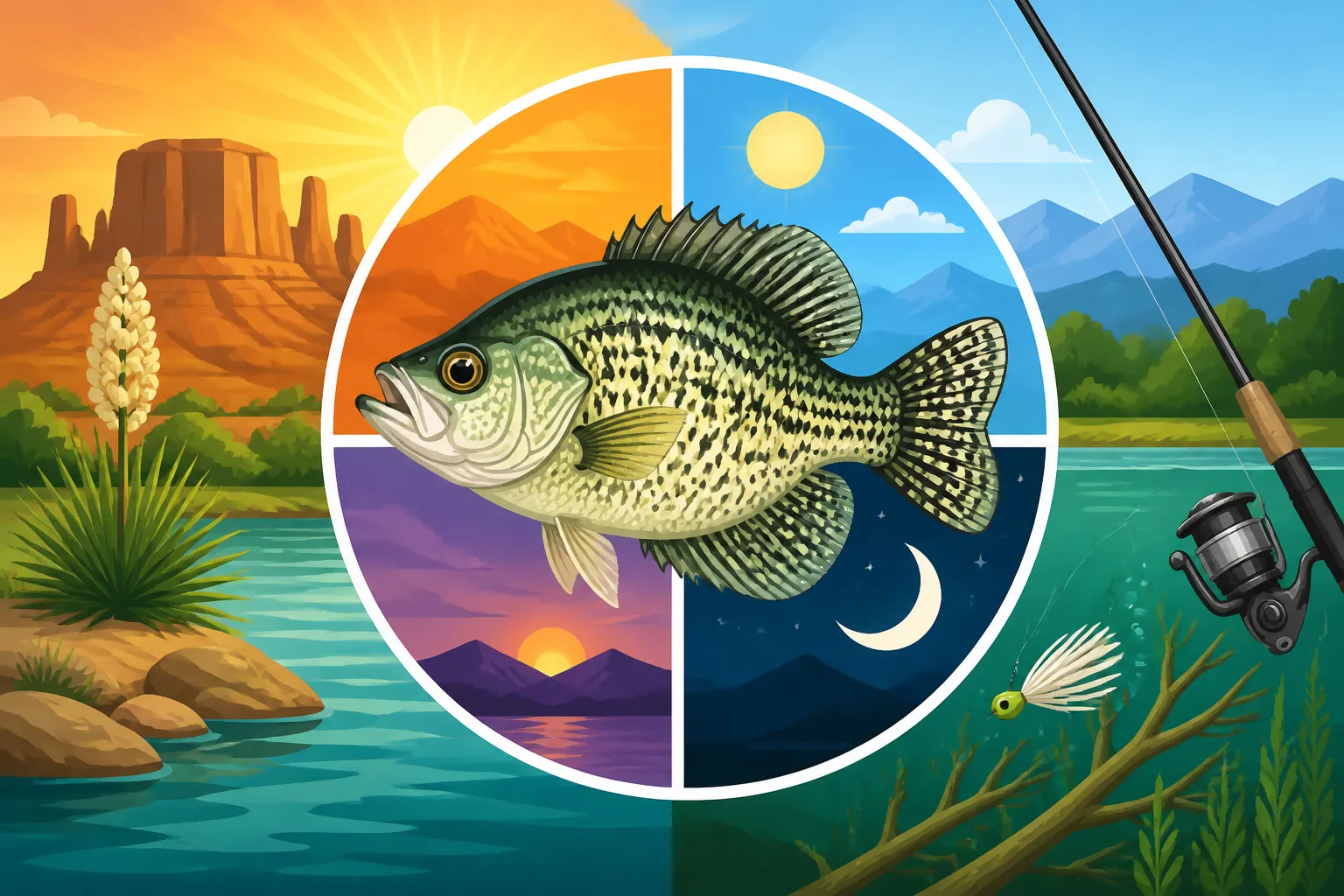
Daily Timing: Best Hours for Crappie Success
Beyond the seasons, the time of day can significantly impact your crappie fishing success. While crappie can be caught throughout the day, certain periods tend to be more productive due to light conditions, water temperature fluctuations, and their feeding patterns.
Early Bird Gets the Crappie: Dawn Patrol
Just like many other fish species, crappie are often most active during the low-light conditions of dawn. As the sun begins to peek over the horizon, the water often starts to warm slightly, and baitfish become more active. Crappie, being visual predators, use this subdued light to their advantage, ambushing unsuspecting prey.
During this early morning window, crappie might move shallower than they would in the bright midday sun, or become more aggressive in their deeper haunts. They're often looking for a quick meal before the day fully wakes up. Using jigs or minnows around structure and drop-offs can be particularly effective. This is especially true in spring and fall. Even in summer, those first few hours after sunrise offer the best chance before the heat pushes them deep and makes them sluggish. Getting out before everyone else can make a huge difference in your catch rates.
Evening Gold: Dusk and Twilight Opportunities
Much like the dawn, dusk and the twilight hours before full darkness set in offer another prime crappie fishing window. As the sun begins to set, the harsh light diminishes, and the water temperature often starts to drop, triggering another burst of crappie activity. Baitfish once again become more active, and crappie take advantage of the fading light to feed.
This evening bite can be just as strong, if not stronger, than the morning bite, particularly in the warmer months. Crappie that have been holding deep or in heavy cover during the day might venture out to feed. Focus on the edges of deep water, brush piles, and any structure that offers an easy ambush point. The transition from day to night often brings a surge in feeding activity across many species, and crappie are no different. It's a peaceful and often productive time to be on the water.
Night Fishing for Slabs: A Hidden Gem
While many anglers pack up their gear as the sun goes down, savvy crappie fishermen know that some of the best crappie action can happen after dark. Night fishing for crappie is a tactic often overlooked, but it can yield incredible results, especially for larger "slab" crappie. Under the cover of darkness, crappie often move shallower and become less wary, actively feeding on minnows and insects attracted to artificial lights.
Many night crappie anglers use submersible lights or floating lanterns to attract plankton and baitfish, which in turn attract the crappie. Position your boat or position yourself on a dock where you can hang a light into the water. Crappie will often congregate around the edges of the illuminated area. Jigs and minnows fished directly in or near the light can be incredibly effective. This method is particularly popular in summer when crappie are deep during the day, as the cooler night air makes for a more pleasant fishing experience too. Plus, there's a certain magic to being on the water after dark, with only the stars and your fishing light for company. Just make sure to be aware of New Mexico Fishing Regulations Overview when planning a night outing.
Factors Influencing Crappie Bites Beyond the Clock
While seasons and time of day are crucial, crappie are complex creatures influenced by a myriad of other environmental factors. A truly successful angler pays attention to these subtle cues, adjusting their approach to maximize their chances.
Weather Patterns and Barometric Pressure
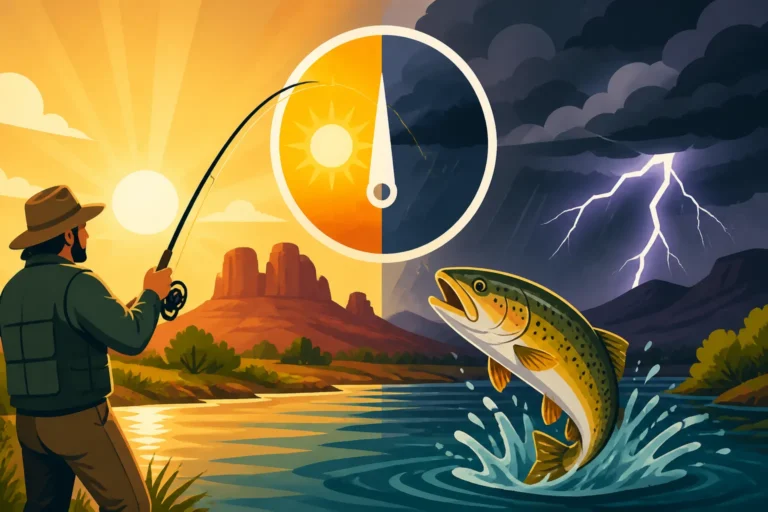
The weather isn't just about whether you need a jacket; it profoundly impacts crappie behavior. Stable weather patterns, especially those with several days of consistent conditions, tend to lead to more predictable crappie bites. Conversely, sudden changes, like an approaching cold front or a major storm, can shut down the bite almost completely. The culprits here are often barometric pressure changes.
Before a cold front moves in, when the barometer is falling, crappie often go on a feeding spree, knowing that tough times are ahead. This can be an incredible time to fish. However, once the front passes and the high-pressure system settles in, crappie often become lethargic, hugging tight to cover or moving to deeper water, making them much harder to entice. A rising or stable barometer generally means more consistent fishing. Keeping an eye on weather forecasts and understanding how pressure changes affect fish behavior is a skill that takes time to master, but it's invaluable for crappie fishing.
Water Clarity and Temperature Swings
Water clarity also plays a significant role in crappie behavior and your choice of tackle. In clear water, crappie tend to be warier, requiring lighter lines, smaller baits, and more subtle presentations. Conversely, in stained or muddy water, they rely more on scent and vibration, allowing for larger, more colorful baits and heavier line. New Mexico waters can range from crystal clear mountain lakes to turbid reservoir arms after a rain event, so being adaptable is key.
Sudden temperature swings, especially cold snaps, can put crappie in a funk. Even if the overall seasonal trend is warming, a sudden cold front can drop shallow water temperatures quickly, sending crappie scrambling for deeper, more stable thermal zones. Conversely, a few warm, sunny days in spring can rapidly ignite the bite. Observing these daily and weekly temperature fluctuations, not just the seasonal average, will give you a significant edge.
Structure and Cover: Crappie's Preferred Hangouts
Crappie are masters of relating to structure and cover. They are ambush predators and also seek protection from larger predators and harsh sunlight. Understanding what kind of structure crappie prefer, and at what depth, is fundamental to finding them at any given time. This includes submerged timber, brush piles, rock piles, old roadbeds, bridge pilings, and even weed lines.
In New Mexico's reservoirs, finding these hidden gems often requires good sonar and patience. Once you locate a promising piece of structure, focus your efforts there. Crappie will often stack up on the leeward side of a brush pile, or suspend just above it. The depth at which they relate to structure will change with the seasons and daily conditions, so always be experimenting with different depths around these key features. The more you know about where crappie like to hide, the better your chances of a successful outing. Many anglers even create and deploy their own brush piles to attract and hold crappie in their favorite fishing spots. If you're looking for more general gear, Amazon has a huge selection of Best Fishing Gear for New Mexico Anglers.
Here's a quick reference table to help visualize the best times:
| Season | Typical Months | Water Temp Range (F) | General Location | Daily Best Times | Preferred Lures/Baits | Notes |
|---|---|---|---|---|---|---|
| Spring | Late Mar – May | 55-65 | Shallow spawning areas, cover | Morning, Afternoon | Jigs, Minnows, Small Spinnerbaits | Spawning peak, aggressive fish, easily found |
| Summer | June – August | 70-85+ | Deep water, submerged structure | Early Morning, Late Evening | Deep Jigs, Trolling Lures, Live Minnows | Requires electronics, patience for deep schools |
| Fall | Sept – Early Nov | 60-70 | Mid-depth structure, creek channels | Morning, Afternoon | Jigs, Minnows, Small Crankbaits | Heavy feeding, active fish, good size |
| Winter | Late Nov – Early Mar | 35-50 | Deepest channels, tight schools | Midday | Tiny Jigs, Small Live Minnows | Slow bites, subtle feel, often larger fish |
Fishing for crappie in New Mexico is a rewarding pursuit that combines knowledge of fish behavior with adaptable techniques. By understanding how crappie react to seasonal changes, daily light conditions, and environmental factors, you can dramatically increase your success rate. Whether you're chasing slabs during the spring spawn or patiently jigging in winter, remember that observation and persistence are your greatest allies. Get out there, explore our beautiful waters, and tight lines!
Disclaimer
This article is for general informational purposes only and does not constitute professional advice. Laws, prices and regulations vary by location and change over time. Consult a qualified professional for guidance on your specific situation.