How Dam Releases Affect San Juan River Fishing
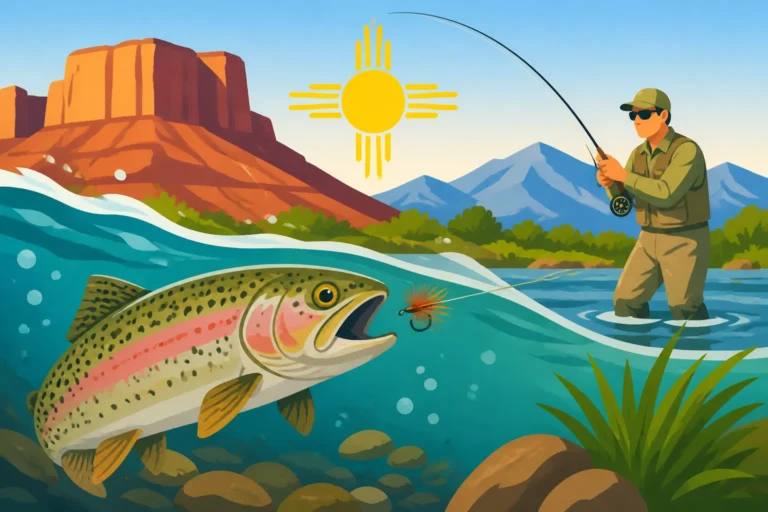
Oh, the San Juan River. It's a truly magical place for anglers, a blue-ribbon fishery that draws folks from all over. But if you've ever planned a trip, checked the weather, packed your best flies, only to arrive and find the river looking wildly different than you expected – either a raging torrent or barely a trickle – you know the unique frustration that dam releases can cause. This guide is all about demystifying those unpredictable flows, helping you understand how Navajo Dam affects the San Juan, and most importantly, how to adapt your fishing strategy to whatever the river throws at you.
Understanding Navajo Dam and the San Juan River Ecosystem
Before we even talk about fishing, we've got to understand the big picture. The San Juan River, particularly the famous Quality Waters below the dam, exists because of Navajo Dam. It’s a marvel of engineering, but it also means the river's flows are far from natural.
The Source of the Flows: Navajo Dam's Purpose
Navajo Dam isn't just there to create a beautiful lake (Navajo Lake, of course!) for recreation. It serves multiple critical purposes for the region, including water storage for irrigation downstream, flood control, and even hydroelectric power generation. These various demands mean that the amount of water released from the dam into the San Juan River isn't constant; it changes based on a complex set of factors.
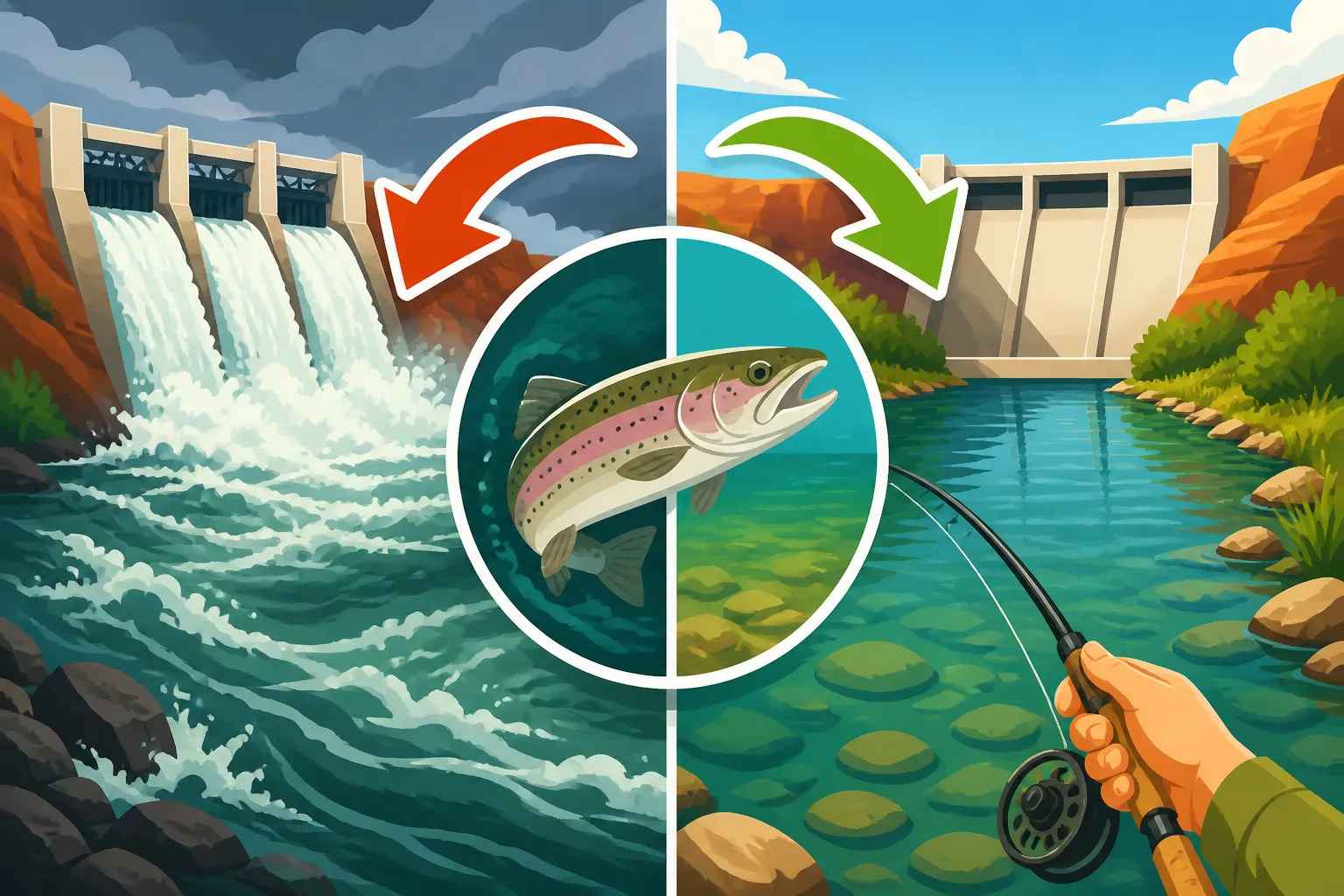
Think of it this way: the dam acts like a giant faucet. When there's a lot of snowmelt in the San Juan Mountains, or heavy rainfall, the reservoir fills up, and more water needs to be released to prevent flooding downstream and to meet storage targets. During dry periods, especially when irrigation demands are high in the summer, water might be drawn down more quickly, or conserved, leading to lower releases. The fantastic San Juan River Quality Waters Section that we all cherish is a direct beneficiary of these cold, clear tailwater releases, but its very existence is dictated by these human management decisions. It's a delicate balance between providing water for agriculture and power, and maintaining this incredible trout fishery.
How Release Schedules are Determined
Trying to predict dam release schedules can feel like trying to read tea leaves sometimes, and it's certainly not always angler-friendly. Several key entities play a role in setting these schedules. The U.S. Bureau of Reclamation operates the dam and is primarily responsible for managing water releases based on water storage, snowpack forecasts, and downstream demands. Then you have the New Mexico Department of Game & Fish, which advocates for the needs of the fishery, including maintaining flows that support trout populations.
Factors like the winter snowpack in the upstream watershed are huge—a big snow year often means higher releases in spring and early summer. Summer irrigation needs, particularly for agricultural areas further downstream, are also a major driver. Even the needs of endangered fish species further downriver can influence flow requirements. This means that flows can change with little warning, sometimes overnight, leaving you scratching your head if you don't keep an eye on the official reports. It's why seasoned San Juan River anglers always stress the importance of checking current conditions before heading out, which we'll cover later.
Impact of High Water Releases on Fishing
When the dam opens up and the water starts roaring, it can definitely feel intimidating. You might pull up to your favorite spot and wonder if it's even worth rigging up.
Challenges of High Flows
The most immediate challenge of high flows on the San Juan River is safety. Increased water volume means a faster current, which can make wading incredibly dangerous or even impossible. What was a gentle riffle last week might now be a deep, powerful run that could sweep you off your feet. Always prioritize safety and know your wading limits. Beyond safety, visibility can become a real problem. Higher flows often stir up sediment, reducing water clarity, which makes it harder for fish to see your fly, and harder for you to spot fish or read the water effectively. You might also encounter more debris floating downstream, like leaves, branches, or other natural detritus, which can foul your line and flies constantly.
It's super frustrating when you show up and the river looks like a raging torrent, nothing like the calm, clear waters you dreamt of. The fish, too, feel these changes. They might move to different areas to escape the main current, seeking slower water and cover, making them harder to locate. Their feeding behavior can also change; they might be less willing to move for a meal if it means fighting a strong current.
Adapting Your Approach for High Water
Don't let high water send you home! You just need to adjust your strategy. First off, gear-wise, you’ll want to size up. Heavier leaders and tippets are a must to handle the stronger currents and to turn over larger, heavier fly setups. You'll definitely need more weight—think extra split shot or heavier tungsten-beaded flies—to get your offerings down to where the fish are holding in the faster, deeper water. If you're spin fishing, consider heavier lures or jigs that can cut through the current. You might even want to check out some options for Best Spinning Reels for New Mexico Trout that can handle the increased strain of a powerful river.
When it comes to techniques, focus on slower currents, eddies, and seams. Fish will seek refuge behind rocks, in slower pockets along the bank, or in the deep troughs where the current isn't as brutal. Look for foam lines and current breaks – these are often highways for drifting food and holding spots for hungry trout. Bank fishing becomes a much more viable and often safer option. Use longer casts upstream to allow your flies or lures more time to sink and drift naturally before they reach the fish. Don't be afraid to experiment with larger, more visible flies or lures that mimic aquatic worms or larger nymphs, as the reduced visibility can make subtle presentations less effective. You can often find a good selection of heavier weights and specialized high-water flies on platforms like Amazon. And always remember, wading safety is paramount. If it feels too fast or too deep, it probably is. Staying on the bank and covering water from a safe vantage point is always a smart move. Having a sturdy pair of Best Waders for New Mexico Rivers can make a huge difference in comfort and safety, too.
Impact of Low Water Releases on Fishing
While high water brings its own set of headaches, low water on the San Juan presents a completely different, equally challenging scenario.
Difficulties of Low Flows
Nothing's more disheartening than seeing those big San Juan trout tucked into tiny pockets, almost impossible to approach without spooking them. When the dam releases minimal water, the river shrinks, becoming shallower and narrower. This reduction in water volume removes a lot of the fish's natural cover, making them feel exposed and incredibly spooky. Every shadow, every misplaced step on the bank, every splash can send them darting for what little protection they can find.
The fish become highly concentrated in fewer, smaller pools, which can lead to increased fishing pressure on those spots. Furthermore, shallower water heats up much faster, especially during the warmer months, stressing the trout. Stressed fish are less likely to feed aggressively and are more vulnerable to post-release mortality. You might also notice an increase in aquatic vegetation in these slower, shallower conditions, which can make drifting your flies naturally a real challenge, leading to more snags and frustrating re-casts.
Strategies for Low Water Conditions
Low water calls for a delicate touch and a stealthy approach. Your gear adjustments will be the opposite of high water: think lighter tippets, often down to 6x or 7x, to minimize visibility. Smaller flies, particularly tiny midges and microscopic nymphs, become key. The fish have more time to inspect your offering in slower, clearer water, so presentation and imitation are critical. Using an extremely sensitive fly rod, perhaps one of the Best Fly Rods for the San Juan River, can help detect those subtle takes in delicate conditions. You might find a wider variety of these specialized, tiny flies and light tippets on Amazon.
Your techniques need to be refined. Long casts are still important to maintain distance from the fish. Focus on subtle presentations, making sure your flies drift naturally without drag. Look for the deepest pockets and the most shadowed areas where fish might be seeking refuge from the sun and predators. Sight fishing becomes more prevalent in these clear conditions, making polarized sunglasses invaluable for spotting fish before they spot you (you can find excellent fishing-specific polarized sunglasses on Amazon, by the way). Approach the river slowly and quietly, using any available cover like bushes or bank contours to hide your silhouette. Remember, the fish are hyper-aware, so every movement matters.
Critically, in low, warm water conditions, conservation becomes even more important. Practice exemplary Catch and Release Best Practices in New Mexico. Handle fish gently, minimize their time out of the water, and ensure they are fully revived before release. Using a rubber net, like those recommended in Best Landing Nets for New Mexico Catch and Release Fishing, can also significantly reduce harm to fish scales and slime coat.
Monitoring San Juan River Flows and Planning Your Trip
Understanding how flows impact fishing is one thing, but knowing what the flows actually are is the crucial next step for a successful trip.
Essential Tools for Checking River Levels
Gone are the days of just showing up and hoping for the best. For the San Juan River, the U.S. Geological Survey (USGS) is your absolute best friend. Their website provides real-time flow data, usually measured in cubic feet per second (cfs), at various gauges along the river. This is the most accurate and up-to-the-minute information you can get directly from the source. Make it a habit to check the USGS gauge below Navajo Dam.
Beyond the official numbers, local fly shops are an invaluable resource. The guides and staff at shops like the Navajo Lake Marina or those in Farmington often have their boots on the ground daily. They can offer insights into how the fish are reacting to current flows, what flies are working, and where the best spots are. Don't hesitate to give them a call a few days before your trip. Online forums and community groups dedicated to New Mexico fishing can also provide angler reports and observations, though always cross-reference these with official data. Knowing Checking River Flow Before Fishing the San Juan is perhaps the most important pre-trip step you can take.
Best Practices for Trip Planning
Armed with the knowledge of how dam releases affect the river and where to find current data, you can plan a much more enjoyable and effective San Juan River fishing trip. First, check the flows days in advance of your trip, and then check again the morning you leave. River flows can change, and sometimes they do so quite dramatically overnight.
If your schedule allows, try to be flexible. If you see a major change in flows that you're not prepared for, having the option to shift your dates might save your trip. If flexibility isn't an option, then plan to have gear and tactics ready for both high and low water scenarios. This means having a range of weights, tippet sizes, and fly/lure patterns in your tackle box. Always make sure your New Mexico Fishing License Guide is current and that you've reviewed the specific regulations for the San Juan Quality Waters, as these don't change with dam releases but are crucial for legal fishing.
Here’s a quick glance at how flows can dictate your approach:
| Condition | Typical CFS Range | Key Challenges | Suggested Gear & Tactics |
|---|---|---|---|
| Very Low | Below 300 cfs | Spooky fish, concentrated, warm water | Light tippet (6x-7x), tiny midges/nymphs, long casts, stealthy approach, focus on deep pools, extreme catch & release care |
| Optimal/Normal | 300-600 cfs | Ideal conditions | Standard nymphs, midges, emergers; varying weights, good wade access, balanced approach |
| Moderate High | 600-1200 cfs | Faster current, reduced visibility | Heavier tippet (4x-5x), more weight, larger nymphs/worms, focus on current seams, eddies, and bank fishing |
| Very High | Above 1200 cfs | Dangerous wading, strong current | Heaviest tippet/leaders, lots of weight, large attractors, focus on eddies/backwater, bank fishing only, extreme caution |
This table is a general guide, and conditions can vary even within these ranges. The key is to be prepared, stay informed, and most importantly, stay safe. The San Juan River is an incredible place, and by understanding how the dam releases work, you can maximize your chances of a memorable day on the water, no matter what the flow gauge reads.
Disclaimer
This article is for general informational purposes only and does not constitute professional advice. Laws, prices and regulations vary by location and change over time. Consult a qualified professional for guidance on your specific situation.