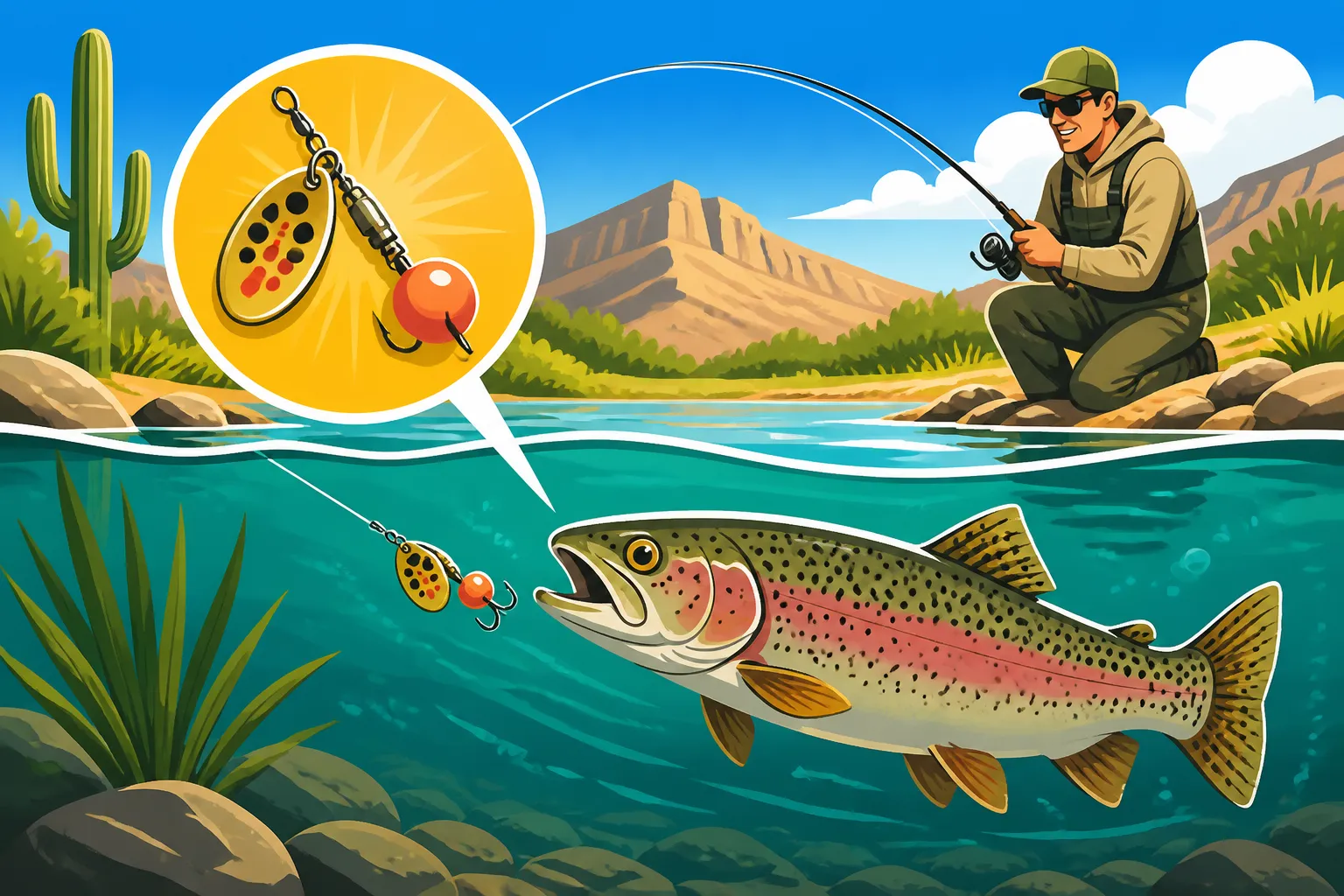
Best Technique for Catching Trout in Stocked Ponds
Fishing for stocked trout in New Mexico's community ponds and smaller lakes can be a fantastic way to spend a day, whether you're introducing a youngster to the sport or just looking for some relaxed angling close to home. However, it's a common misconception that because the fish are "stocked," they're automatically easy to catch. Often, anglers arrive with high hopes only to be met with frustrating silence. The truth is, catching these hatchery-raised trout consistently requires a slightly different approach than targeting their wild cousins. This guide will dive deep into the specific techniques, gear, and strategies that will dramatically improve your chances of success in New Mexico's stocked waters.
Understanding Stocked Trout Behavior and Their New Environment
When trout are released into a pond or lake, especially coming from a hatchery environment, they undergo a significant behavioral shift. They're moving from a controlled, often concrete-lined raceway where food is consistently provided, into a much larger, more complex world with natural predators, varied food sources, and different water conditions. This transition period dictates much of their initial behavior and, consequently, the best ways to catch them.
The Stocking Shock Syndrome
Imagine being abruptly dropped into a brand new, unfamiliar town. That's a bit like what happens to a stocked trout. They experience what anglers often refer to as "stocking shock." For the first few hours or even days, these fish can be disoriented, stressed, and hesitant to feed aggressively. They're adjusting to new water temperatures, currents (or lack thereof), light conditions, and the absence of their accustomed pellet food. During this phase, they might cruise around aimlessly, hide in cover, or simply suspend, making them less responsive to typical presentations.
This initial shock means that right after stocking, extremely simple and often highly visible baits or lures can sometimes provoke a bite out of curiosity or instinct rather than hunger. As they acclimate, however, they'll start to exhibit more natural feeding patterns, though still heavily influenced by their hatchery upbringing. They might still be drawn to the scent and look of the pellets they were raised on, even if those aren't present in the wild. Understanding this short-term disorientation and longer-term behavioral adaptation is key to picking the right moment and method for your casts.
Where Stocked Trout Tend to Hold
Unlike wild trout that instinctively seek out eddies, current breaks, or complex underwater structures, freshly stocked trout often lack these ingrained behaviors. In ponds, they tend to congregate in certain areas out of habit or for basic comfort. Look for the deepest parts of the pond first, especially if the water is clear or the sun is high. Deeper water offers cooler temperatures, more stable conditions, and a sense of security from overhead predators.
Beyond depth, consider any available structure. This could be submerged logs, rock piles, weed beds, or even man-made features like culverts, docks, or bridge pilings. These spots provide cover from birds of prey and other predators, giving the trout a place to feel safe. Additionally, pay attention to inflow or outflow areas, such as where a small stream enters the pond or where water is released. These spots can concentrate food, bring in oxygen, and offer slightly different water conditions that might attract fish. Even a simple shade line cast by trees or a hill can draw trout on a sunny day. Remember that consistency in these locations is often more important than complexity in a stocked pond environment.
Essential Gear for Stocked Pond Trout
You don't need a high-end, specialized setup to catch stocked trout. In fact, a lighter, more sensitive approach often works best for these smaller, more docile fish. The goal is to have gear that allows for delicate presentations and can handle the relatively short, explosive runs of a trout in a confined space.
The Right Rod and Reel Combo
For stocked pond trout, a lightweight spinning rod and reel combo is usually ideal. Look for a rod in the 5 to 6.5-foot range with a light or ultra-light action. This means the rod tip will be very flexible, allowing it to bend easily under the weight of even a small trout, which helps prevent hooks from tearing out of their soft mouths. A softer rod also makes casting light baits and lures much easier and more accurate.
Pair this rod with a small spinning reel, typically in the 1000 or 2000 size class. This size reel is designed for lighter lines and offers a smooth drag system, which is crucial for fighting trout without breaking your line. Make sure the reel has a good, consistent drag that doesn't stick or stutter; a quality reel doesn't have to break the bank, and you can find excellent options on platforms like Amazon that will perform perfectly for pond fishing. A reliable drag is your best friend when a trout makes a sudden dash.
Line, Leaders, and Terminal Tackle
When it comes to line, a monofilament line in the 4 to 6-pound test range is usually perfect. Monofilament has some stretch, which acts as a shock absorber, further protecting against hook pull-outs. It's also less visible in the water than some other line types. If the water is exceptionally clear or the fish are particularly finicky, you might consider stepping down to 2 or 3-pound test fluorocarbon as a leader, tied to your main monofilament line with a small barrel swivel. Fluorocarbon is nearly invisible underwater and can sometimes make a big difference in getting bites.
Your terminal tackle needs to be appropriately sized for trout. Think small!
- Hooks: Size 8 to 14 bait holder hooks or treble hooks are common for PowerBait. For worms, a small Aberdeen hook (size 8-10) is excellent.
- Split Shot: A few small split shot weights, ranging from BB size to 1/0, will help get your bait down to the desired depth.
- Bobbers: A small, sensitive slip bobber or fixed bobber can be invaluable for suspending your bait at a precise depth, especially when targeting fish cruising just below the surface or over weed beds. Look for sensitive bobbers that offer minimal resistance when a fish bites.
- Swivels: Small barrel swivels help prevent line twist when using spinning lures and also serve as a convenient way to attach a fluorocarbon leader.
Remember, a simple setup is often the most effective. Keep your tackle box stocked with these essentials, and you'll be well-prepared for any stocked pond scenario. You can easily find a great starter kit with a variety of hooks, swivels, and sinkers on Amazon to get you going.
Proven Baits and Lures for Stocked Trout
Stocked trout have different preferences than wild trout. They're often accustomed to a specific diet from their hatchery days, making certain artificial baits incredibly effective. However, natural baits should never be overlooked, and small lures can also provoke aggressive strikes.
PowerBait and Dough Baits
Without a doubt, PowerBait (and similar dough baits from other brands) is the reigning king of stocked trout fishing. These baits are designed to mimic the scent and consistency of the hatchery pellets trout were raised on, making them incredibly attractive. The key is to experiment with colors and scents. Bright colors like chartreuse, neon green, orange, and rainbow are often very effective, especially in murky or off-color water. In clearer water, more natural tones like white, tan, or even glitter-infused variations can work.
There are a few popular ways to rig PowerBait:
- Floating Setup: The most common method. Use a small egg sinker (1/8 to 1/4 oz) above a swivel, then a 12-18 inch fluorocarbon leader (4lb test) to a small treble hook (size 10-14). Mold a small ball of PowerBait around the treble hook, ensuring it floats. The idea is for the PowerBait to float just off the bottom, presenting a visible, scent-rich target. This is particularly effective when trout are cruising at various depths or when the bottom is silty. For more detailed tips, check out How to Fish PowerBait for Stocked Trout.
- Bottom Rig: Less common but effective when trout are hugging the bottom. Use a small split shot or bottom-weighted float to keep the PowerBait on the bottom.
- Under a Bobber: Ideal for suspending PowerBait at a specific depth, especially if you see fish jumping or rolling at a certain level. Rig a small piece of PowerBait on a single hook, add a split shot a few inches above the hook, and set your bobber to the desired depth.
Always check the consistency of your PowerBait. If it's too soft, it won't stay on the hook during casting. If it's too hard, it won't disperse scent effectively.
Small Spinners and Spoons
While bait fishing is often the go-to for stocked trout, lures can be incredibly exciting and effective, especially when fish are more active or aggressive. The key is to use small lures that mimic local baitfish or insects, or that simply provoke an instinctual strike.
- Inline Spinners: Brands like Mepps and Rooster Tail are classic choices. Sizes #0, #1, and #2 are usually perfect. Colors like silver, gold, black, or even bright chartreuse with a silver blade can be deadly. Cast them out and retrieve them steadily, just fast enough to get the blade spinning. Experiment with retrieve speed and depth, letting them sink a bit before starting your retrieve. The flash and vibration can trigger strikes from curious or territorial trout.
- Small Spoons: Tiny Kastmasters, Little Cleos, or similar spoons in 1/16 to 1/8 oz sizes are also excellent. Silver, gold, or flashy perch patterns work well. Cast them out, let them flutter down a bit, then retrieve with a slight jerking motion to give them an erratic, wounded baitfish action. These are particularly effective in slightly deeper areas or when you want to cover more water.
Keep a variety of these in your tackle box. Many multi-packs of popular spinners and spoons are available on Amazon, giving you options to find what the fish are hitting on any given day. Remember that trout in ponds are often less wary than river trout, so a flashy presentation can sometimes be just what they're looking for. For a broader look at artificial options, our guide on Best Lures for New Mexico Trout offers even more ideas.
Worms and Natural Baits
Sometimes, going back to basics with natural bait is the most effective strategy. Worms, in particular, are universally appealing to trout, whether they're wild or stocked. Red wigglers, mealworms, and even nightcrawlers (cut into smaller pieces for smaller fish) are excellent choices. Hook them once or twice to allow them to wriggle naturally.
- Worms Under a Bobber: This is a classic and very effective method, especially for kids or beginners. Use a small single hook (size 8-10 Aberdeen), thread a piece of worm on, add a split shot a few inches above the hook, and set your bobber to suspend the bait at varying depths. Watch for even the slightest twitch of the bobber!
- Worms on the Bottom: Rig a worm with a small egg sinker above a swivel and leader, letting it rest directly on the bottom. This can be great if trout are scavenging for natural food sources.
- Corn: Believe it or not, kernel corn can be a surprisingly effective bait for stocked trout. They're often attracted to the bright yellow color and soft texture. Use a few kernels on a small hook (size 12-14). Some anglers even soak corn in garlic juice for added scent.
- Salmon Eggs: These are another potent natural bait. Rig one or two on a small single hook (size 12-14). The vibrant color and natural scent are very appealing.
Natural baits often shine when the fish become "bait-shy" after being pounded by PowerBait, or when they've been in the pond long enough to start recognizing natural food sources. Don't forget that using live bait requires adherence to New Mexico Fishing Regulations Overview, so always double-check local rules before you head out.
Reading the Water and Presentation Techniques
Knowing what bait to use is only half the battle; knowing where to cast and how to present it is equally crucial. Stocked ponds, while seemingly simple, still offer clues to where the trout might be hiding or feeding.
Targeting High-Percentage Areas
Even in a seemingly featureless pond, there are usually areas that hold more fish. As discussed earlier, deep pockets, submerged structure (rocks, logs, brush piles), and areas with shade are prime locations. If you can see the bottom, look for any depressions or sudden drops in depth. Trout will often hold along these contours.
- Casting Fan-Wise: Don't just cast straight out. Make several casts in a fan pattern, starting close to shore and working your way further out. This helps you cover different depths and increases your chances of finding where the fish are holding.
- Along the Shoreline: Many anglers overlook the water right at their feet! Stocked trout, especially when newly introduced, can sometimes cruise surprisingly close to the bank, seeking cover or even remnants of food from previous anglers.
- Inflows and Outflows: Any water movement can concentrate food and oxygen, making these hotspots.
- Wind-Blown Shores: Wind can push surface food and warmer water to one side of the pond, sometimes concentrating fish there.
Observe the water carefully. Look for any rises, dimples, or splashes that indicate feeding activity. Pay attention to other anglers who are catching fish – where are they casting, and what are they using? A little reconnaissance can go a long way.
Retrieval Speeds and Depths
When using lures, your retrieval speed and the depth you're targeting are paramount. Stocked trout don't always chase down fast-moving prey; sometimes a slower, more deliberate presentation is required.
- Vary Your Retrieve: Don't just reel in at one speed. Experiment! Try a slow, steady retrieve. Then try adding pauses, quick twitches, or speeding up for a few cranks. This erratic action can often trigger a strike from a hesitant trout.
- Count-Down Method: When using sinking lures (like spoons or heavier spinners), cast it out and let it sink for a few seconds before starting your retrieve. Count "one-thousand-one, one-thousand-two," etc., to gauge the depth. If you're not getting bites at a 5-count, try a 10-count on the next cast. This helps you systematically search different parts of the water column.
- Depth with Baits: If you're using a bobber, start by setting your bait about 1-2 feet off the bottom. If no bites, adjust it by a foot or so every 10-15 minutes, working your way up the water column. If you see fish activity on the surface, set your bobber to suspend your bait just below that depth. This is where a slip bobber really shines, as it allows for easy depth adjustments without re-tying.
Remember that trout often feed in specific temperature zones, and in a pond, these zones can shift throughout the day. Early morning and late evening typically see fish closer to the surface, while midday heat often drives them deeper.
Practical Tips for Success and Common Mistakes
Even with the right gear and bait, a few extra considerations can make your stocked trout fishing experience much more rewarding.
Observing Other Anglers and Local Knowledge
One of the best ways to learn quickly is to observe. If you arrive at a busy pond, don't be shy about discreetly watching what others are doing. Are people catching fish on PowerBait or worms? Are they casting far out or near the shore? What colors seem to be working? You don't need to directly copy them, but their success can give you valuable clues about what the trout are currently responding to.
Even better, if it's appropriate, strike up a friendly conversation with a successful angler. Most fishermen are happy to share a tip or two, especially about local conditions or recent stocking information. Check local tackle shops; they often have current reports on what's biting and what baits are working well in nearby ponds. Many states, including New Mexico, also publish stocking schedules online, which can help you time your visit for fresh fish. Always remember to acquire your New Mexico Fishing License Guide and check the New Mexico Fishing Regulations Overview before you go!
The Importance of Fresh Bait and Clean Hands
This might sound simple, but it's often overlooked. Stocked trout, while not as wary as wild trout, can still be put off by unnatural scents.
- Fresh Bait: Keep your PowerBait, worms, and other natural baits fresh and stored properly. Stale or dried-out PowerBait loses its scent and effectiveness. Dead or shriveled worms are far less appealing than lively ones.
- Clean Hands: This is a big one. Avoid handling your bait after applying sunscreen, insect repellent, or eating strong-smelling foods like chips or sandwiches. These chemical or food scents can transfer to your bait, making it less attractive to a sensitive trout. Carry a small towel or use the natural water to rinse your hands before baiting your hook. A quick rinse can make a surprising difference.
Always remember that fishing is a game of patience and adaptation. What worked yesterday might not work today, and what works for one pond might not work for another. Be willing to experiment with different colors, scents, depths, and retrieval speeds.
Here's a quick comparison of popular stocked trout baits to help you decide:
| Bait Type | Pros | Cons | Best Rigging | Key Scents/Colors |
|---|---|---|---|---|
| PowerBait | Excellent scent, floats off bottom, many colors/scents, readily available | Can be messy, requires forming on hook, sometimes fish get "used to it" | Floating egg sinker rig, under a slip bobber | Chartreuse, Rainbow, Neon Green, Garlic, Original |
| Nightcrawlers | Natural, universally appealing, active presentation (if alive) | Can be torn off easily, sometimes too big for smaller trout, messy | Single hook on bottom, under a bobber, jighead | Natural earth smell |
| Mealworms | Natural, smaller size ideal for trout, good action | Can be fragile, sometimes harder to find in quantity | Single hook under a bobber | Natural, subtle |
| Small Spinners | Covers water quickly, aggressive strikes, visual appeal, reusable | Less effective for passive fish, requires active retrieve, can snag | Cast and steady retrieve, varied speeds | Silver, Gold, Black, Chartreuse |
| Small Spoons | Excellent flash and flutter, good for deeper water, reusable | Can snag on bottom, requires erratic retrieve for best action | Cast and retrieve with jerks, count-down method | Silver, Gold, Perch patterns |
| Kernel Corn | Inexpensive, surprisingly effective, subtle presentation | Can fall off hook easily, lacks strong natural scent unless enhanced | Small hook on bottom or under a bobber | Sweet, can add garlic |
Common Mistakes to Avoid
- Too Heavy Tackle: Using overly heavy line, large hooks, or a stiff rod will make it harder to detect bites and often spook the smaller, more delicate trout found in stocked ponds. Opt for lighter gear. Our Best Rod Setup for New Mexico Trout Fishing article can provide more guidance.
- Lack of Patience: Stocked trout don't always bite immediately. Give your chosen spot and technique some time before moving or switching baits. Sometimes a trout needs a few minutes to find your offering.
- Ignoring the Bottom: While floating baits are popular, trout will often feed on the bottom, especially as they acclimate and start looking for natural food. Don't always assume they're suspended or near the surface.
- Not Varying Presentation: If one color of PowerBait isn't working, try another. If a spinner isn't getting hits, slow down your retrieve or switch to a worm. Be flexible and adaptable!
- Fishing without a license: Even for simple pond fishing, a valid New Mexico fishing license is almost always required for anyone above the minimum age. Familiarize yourself with how to get one, as detailed in How to Get a New Mexico Fishing License, and understand the costs through New Mexico Fishing License Costs Explained. You might even qualify for discounts or exemptions, covered in New Mexico Fishing License Discounts and Exemptions.
Catching trout in New Mexico's stocked ponds can be a genuinely enjoyable and rewarding experience. By understanding the unique behaviors of these fish, choosing the right light tackle, presenting the most effective baits and lures, and remaining observant and adaptable, you'll significantly increase your success rate. So grab your light rod, a handful of PowerBait, and hit your local pond – you might be surprised by the action you find!
Disclaimer
This article is for general informational purposes only and does not constitute professional advice. Laws, prices and regulations vary by location and change over time. Consult a qualified professional for guidance on your specific situation.