Average Trout Size in the San Juan River Quality Waters
It's completely natural to dream about the size of trout you might encounter when you plan a trip to a legendary fishery like the San Juan River Quality Waters here in New Mexico. Anglers often arrive with visions of monster fish, and while the San Juan certainly holds some impressive specimens, understanding the average size can help set realistic expectations and ensure a more satisfying fishing experience. This guide will walk you through what to truly expect from these famous waters, from typical catches to the potential for that once-in-a-lifetime trophy.
Understanding the San Juan River Quality Waters
The San Juan River, especially the stretch below Navajo Dam, is nothing short of an angler's paradise, but it's also a highly unique environment. It's often referred to as a "blue-ribbon" trout stream, and for good reason. However, this designation comes with specific characteristics that shape the fish living within it.
What Makes the Quality Waters Special?
The section of the San Juan River designated as "Quality Waters" begins right at the outlet of Navajo Dam and extends downstream for a little over three miles. What makes this particular stretch so exceptional is the consistent release of cold, nutrient-rich water from the bottom of Navajo Lake. This steady flow and temperature regime create an ideal habitat for trout to thrive year-round. Unlike many freestone rivers that experience dramatic fluctuations in temperature and flow with the seasons, the San Juan's tailwater characteristic provides remarkable stability. This consistency in environment means a stable food source and less stress for the fish, leading to healthy populations and consistent growth.
Furthermore, the regulations here are designed to protect and enhance the trout population. This includes mandatory catch-and-release fishing for much of the Quality Waters and the exclusive use of artificial flies and lures with a single, barbless hook. These rules drastically reduce fish mortality, allowing trout to grow larger and older than they might in other, less regulated waters. If you're planning a trip, definitely check out our New Mexico Special Trout Water Rules guide for all the details on these unique regulations. Understanding What a Quality Water Trout Fishery Means is key to appreciating this incredible resource.
Trout Species You'll Encounter
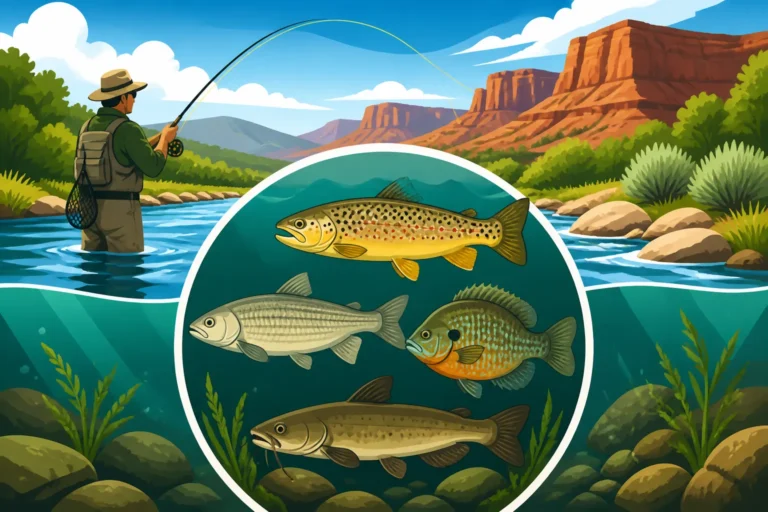
The San Juan River Quality Waters are predominantly home to two magnificent species of trout: the rainbow trout and the brown trout. Both thrive in the cold, clear waters, but they have distinct behaviors and growth patterns that contribute to the overall fishing experience.
Rainbow trout are undoubtedly the most abundant species in the Quality Waters. They are regularly stocked and are known for their vibrant colors and acrobatic fights once hooked. They tend to be a bit more opportunistic feeders, often rising to dry flies or readily taking nymphs. Brown trout, on the other hand, are typically more elusive and predatory. While not as numerous as rainbows, they are often the ones that achieve truly impressive sizes. Browns tend to be more wary, preferring to hide in structure and feed on larger prey, making them a prize for many experienced anglers. Our guides on Rainbow Trout on the San Juan River and Brown Trout on the San Juan River dive deeper into each species.
Average Trout Sizes and What to Expect
When you're standing on the banks of the San Juan, fly rod in hand, you're naturally wondering what size fish you're likely to encounter. While every cast is an adventure, there are definite averages that characterize the trout in these famous waters.
The "Average" Rainbow Trout
Most anglers fishing the San Juan River Quality Waters will find themselves consistently hooking into rainbow trout in the 16 to 18-inch range. These are solid, healthy fish with good girth, reflecting the excellent conditions and abundant food supply. It's not uncommon to land several fish of this size during a productive outing. They offer a fantastic fight on appropriate light tackle, making for an exciting day on the water.
You'll occasionally catch smaller rainbows, perhaps 12 to 14 inches, especially if they've been recently stocked, but the consistent nutrient flow and catch-and-release rules allow them to grow quickly. For a more detailed breakdown, our Average Rainbow Trout Size on the San Juan River article offers specific insights. These fish are typically robust, brightly colored, and strong, a testament to the health of the fishery. They're often caught on a variety of patterns, from tiny midges to larger anadromous worms, which you can easily find on sites like Amazon, alongside other specialized fly-fishing gear.
The "Average" Brown Trout
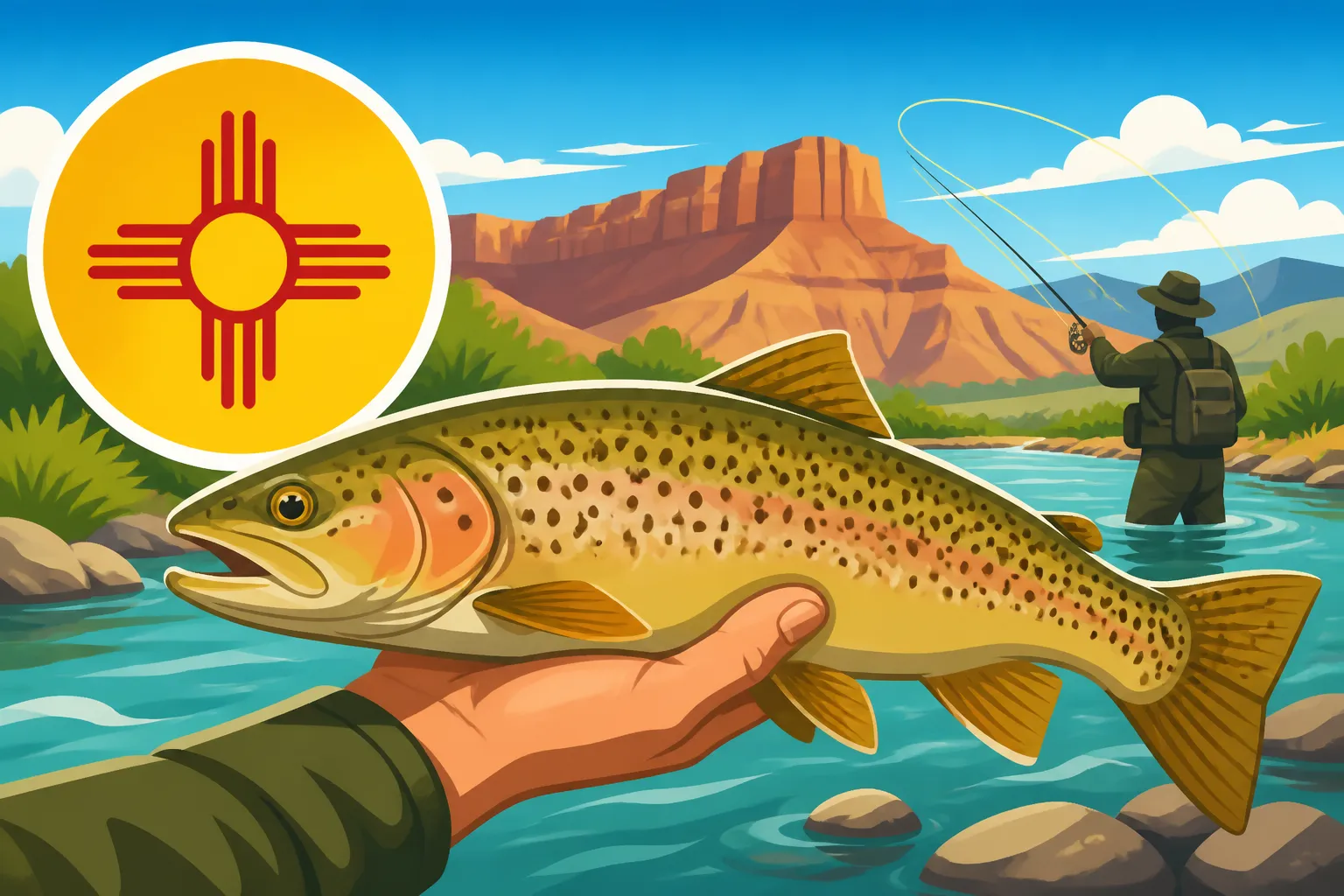
Brown trout in the Quality Waters tend to run a bit larger on average than their rainbow cousins, and they certainly carry more mystique. While you might hook into brownies in the 18 to 20-inch class fairly regularly, it's those in the 20-inch plus category that really get anglers excited. These are mature, powerful fish that often require a bit more skill and patience to entice. They tend to have deeper bodies and broader shoulders, indicative of their predatory nature and ability to forage on larger food items.
Catching a brown trout in this size range on the San Juan is a significant achievement for many. Their camouflage can make them harder to spot, and their cautious nature means they won't just readily grab any fly drifted past them. They are often found in deeper runs or undercuts, making for a thrilling pursuit.
| Trout Species | Typical Average Size | Common Range | Trophy Potential (Inches) |
|---|---|---|---|
| Rainbow Trout | 16-18 inches | 14-20 inches | 20+ inches |
| Brown Trout | 18-20 inches | 16-24 inches | 24+ inches |
Factors Influencing Trout Size
It’s important to remember that "average" is just that—an average. Several factors can influence the actual size of the fish you encounter on any given day or season:
- Food Availability: The San Juan is teeming with aquatic insects, particularly midges and annelids (like the famous San Juan worm). A healthy and consistent food supply means the fish have plenty to eat, promoting faster growth and larger sizes.
- Water Conditions: Consistent cold water temperatures are paramount. The steady release from Navajo Dam ensures this, but variations in flow rates can impact insect hatches and fish behavior, indirectly affecting growth over time. Periods of lower water flow might concentrate food, leading to more efficient feeding, while high flows can scatter it.
- Fishing Pressure: While catch-and-release is standard, high fishing pressure can still make fish warier and potentially impact their feeding patterns. However, the robust health of the fishery generally mitigates this, and the fish adapt well.
- Genetics and Age: Naturally, some fish are genetically predisposed to grow larger, and older fish simply have had more time to pack on the pounds. The excellent survival rates due to regulations mean that more fish live long enough to reach those impressive sizes.
Beyond Average: Trophy Trout Potential
While the average size of trout in the San Juan Quality Waters is impressive on its own, the river also holds the promise of truly monumental fish. Many anglers specifically visit with the hope of hooking into one of these larger specimens.
Hunting for the Giants
Every seasoned San Juan angler knows that fish over 20 inches are certainly present, and trophy brown trout can push well beyond the 24-inch mark, sometimes even reaching into the upper 20s or even 30 inches. These are the fish that become legendary, often requiring dedication, patience, and a bit of luck. These aren't your everyday catches; they are the kings of the river, wise to the ways of anglers and often only venturing out to feed during specific times or in challenging conditions.
They hold in specific lies, often deeper, near complex structure, or in areas with minimal pressure. Catching one of these giants isn't about numbers; it's about targeting, meticulous presentation, and often a bit of stubborn persistence. Many guides on the San Juan specialize in helping clients target these larger fish, offering invaluable local knowledge.
Strategies for Larger Fish
If you're aiming for a trophy, a few adjustments to your approach might increase your odds. Firstly, consider fishing during off-peak times or seasons, such as weekdays in the colder months, when the river sees less pressure. Secondly, focus on larger fly patterns, or "meatier" offerings, especially for brown trout. Streamers that imitate baitfish or crayfish can be very effective, though you’ll still need to adhere to the single, barbless hook rule. Many fly shops and online retailers, including Amazon, offer excellent selections of these larger patterns.
Lastly, presentation is paramount. Larger fish are often more discerning. A perfect drift, ensuring your fly looks as natural as possible, can make all the difference. Patience is also a virtue; you might make dozens of casts for every one take from a truly large fish. Studying the river's currents and understanding where larger fish might hold—think deep pools, undercut banks, and complex riffle edges—is crucial. Our Fly Selection for New Mexico's San Juan River guide can help you pick the right patterns.
Responsible Angling and Preserving the Fishery
The incredible average size of trout in the San Juan River Quality Waters isn't accidental; it's a direct result of thoughtful management and responsible angling practices. To ensure this world-class fishery continues to thrive, every angler plays a vital role.
Catch and Release Best Practices
Because the San Juan River Quality Waters are primarily a catch-and-release fishery, knowing how to properly handle and release fish is paramount. The goal is to minimize stress and injury to the fish, allowing them to swim away strong and healthy. When you land a fish, try to keep it in the water as much as possible. If you need to handle it, wet your hands first to protect the fish's protective slime coat. Avoid squeezing the fish, especially around its belly.
Use a net with a rubber or silicon mesh, which is much gentler on fish scales and fins than traditional nylon nets. Many anglers purchase these specifically for catch and release; you can find excellent options on Amazon. Remove the hook gently and quickly, using forceps or hemostats. Since barbless hooks are required, this process is usually much easier. Once the hook is out, hold the fish facing upstream in the current until it regains its strength and swims away on its own. Never just toss a fish back; give it time to revive. Our guide on New Mexico Catch and Release Regulations offers more detailed information.
Gear Considerations for Healthy Release
Beyond just technique, the gear you use can significantly impact a fish's survival rate. As mentioned, barbless hooks are mandatory in the Quality Waters, and for good reason. They are much easier to remove, causing less trauma to the fish's mouth. If your hooks come barbed, simply crimp down the barb with a pair of pliers. This simple act drastically improves the chances of a successful release. Learn more in our Barbless Hook Fishing Technique for New Mexico Rivers article.
A quality landing net with a rubberized or knotless mesh is essential. It supports the fish's body, preventing damage to its fins and slime layer, and minimizes the time it spends out of the water. Having a pair of forceps or hemostats handy is also crucial for quick and efficient hook removal, especially for deeply hooked fish (though this is less common with barbless hooks). Finally, consider the strength of your leader and tippet. While you want to protect your tackle, using too light a setup can prolong the fight, exhausting the fish and making it more susceptible to post-release mortality. Striking a balance between light tackle for sport and strong enough line for a quicker landing is important. Checking out some gear options on Amazon before your trip can help you be fully prepared. The right tools, like those mentioned in Best Landing Nets for New Mexico Catch and Release Fishing, truly make a difference.
Disclaimer
This article is for general informational purposes only and does not constitute professional advice. Laws, prices and regulations vary by location and change over time. Consult a qualified professional for guidance on your specific situation.