Most Commonly Stocked Trout Species in New Mexico
It can be incredibly frustrating to head out to your favorite New Mexico fishing spot, only to find the action slower than you hoped. We've all been there, wondering if the fish simply aren't biting, or worse, if there aren't many fish to begin with! One of the biggest reasons anglers have consistent success, especially when targeting trout, is New Mexico's robust stocking program. This guide is all about pulling back the curtain on those efforts, helping you understand which trout species are most commonly stocked, why it matters to your fishing success, and how to use this knowledge to fill your creel or simply enjoy a more active day on the water.
Why New Mexico Stocks Trout And What That Means for Anglers
New Mexico's diverse waterways, from high-mountain streams to expansive reservoirs, provide incredible fishing opportunities. However, many factors can limit natural trout reproduction and survival, especially in heavily fished areas or waters subject to environmental stressors like drought or fluctuating temperatures. That's where stocking comes in, playing a vital role in ensuring that anglers, regardless of their skill level, have a good chance of catching fish.
The Role of Stocking in New Mexico Fisheries
Think of stocking as a helping hand for nature. Fish hatcheries raise various species, primarily trout, to a size where they have a much better chance of survival once released into public waters. This isn't just about dumping fish; it's a carefully managed program designed to enhance recreational fishing where natural populations might struggle to keep up with demand or environmental challenges. Without stocking, many popular fishing spots near urban centers or easily accessible areas would quickly become "fished out," leading to immense disappointment for families and seasoned anglers alike.
Stocking also helps create "put-and-take" fisheries, particularly in ponds and smaller lakes, which are perfect for beginners or those just looking for a fun day out. These locations are often designed for high catch rates, providing an almost guaranteed opportunity to hook into some trout. This allows the more sensitive, wild trout populations in remote streams to thrive without excessive pressure, creating a balanced approach to fishery management. It really opens up opportunities for everyone, from a child casting their first line to an experienced angler honing their skills.
How Stocking Programs Benefit Local Ecosystems and Anglers
Beyond simply adding more fish, stocking programs have a ripple effect that benefits both local ecosystems and the communities surrounding popular fishing destinations. For ecosystems, stocking can sometimes introduce genetic diversity, though the primary goal is often to provide a viable population in areas where natural spawning is limited or non-existent. It also helps manage predator-prey relationships, ensuring there's enough forage for larger fish while providing a consistent food source for opportunistic wildlife.
For anglers and local economies, the benefits are clear. More fish mean more people fishing, which translates to more visits to small towns, more gear purchased from local tackle shops (or even online from retailers like Amazon), and more money spent on lodging and food. This economic boost is crucial for many rural New Mexico communities. Moreover, the presence of stocked trout creates easily accessible recreational opportunities, fostering a love for the outdoors in future generations. It provides a reliable resource for those who might not have the time or ability to trek into the backcountry for wild trout, making fishing truly inclusive.
The Stars of the Show: Commonly Stocked Trout Species
When we talk about stocked trout in New Mexico, a few species consistently top the list. These fish are chosen for their adaptability, growth rates, and, of course, their eagerness to bite, making them excellent candidates for public fisheries.
Rainbow Trout: The Evergreen Favorite
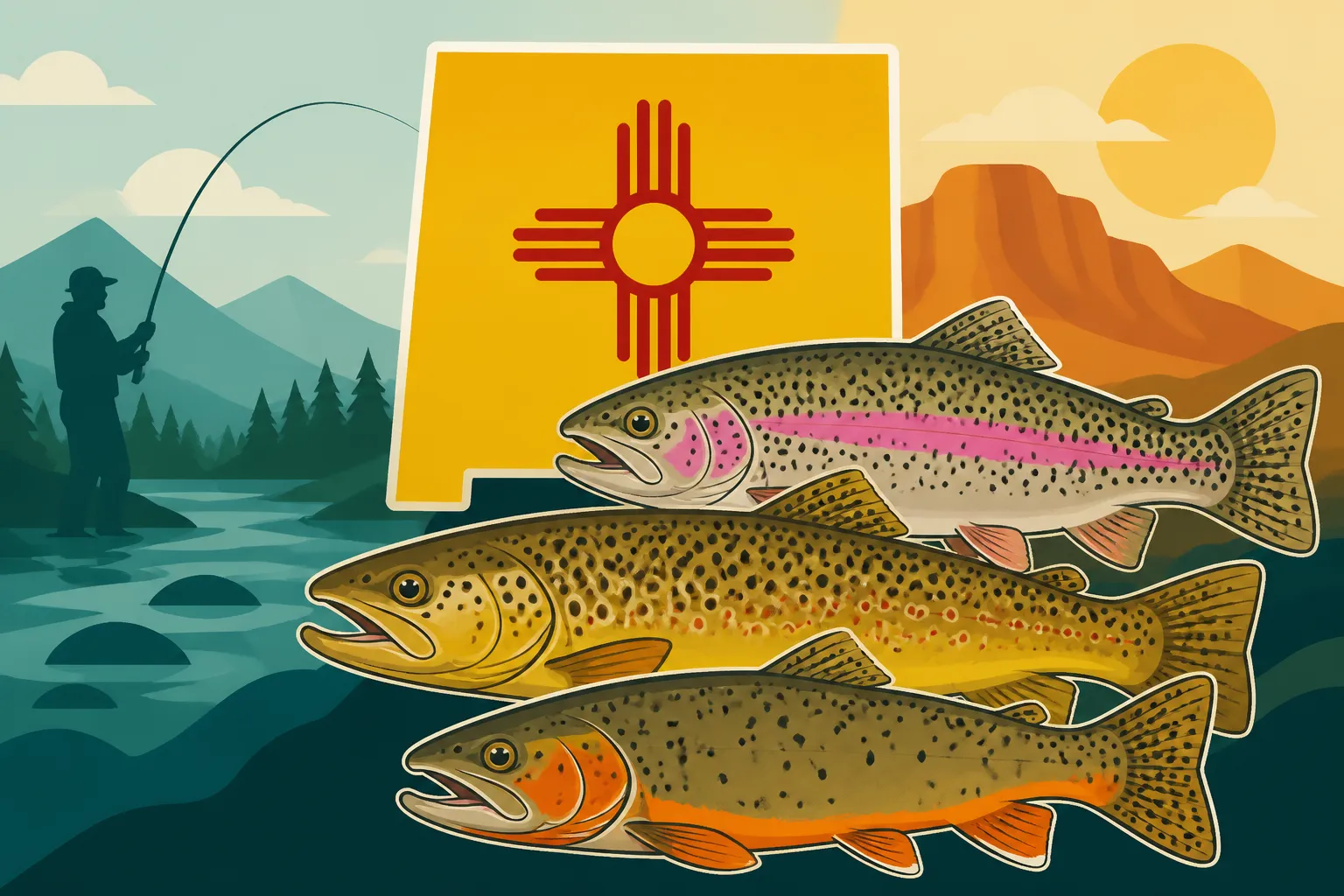
Without a doubt, the rainbow trout (Oncorhynchus mykiss) is the reigning champion of New Mexico's stocking programs. These beautiful fish, with their iridescent sides and distinctive pinkish stripe, are the backbone of many a memorable fishing trip. They are stocked across the state, from small urban ponds to larger reservoirs and rivers, making them incredibly accessible.
Rainbows are particularly popular for stocking because they are hardy, grow relatively quickly in hatchery environments, and adapt well to a variety of water conditions once released. They're also quite aggressive eaters, which is fantastic news for anglers using everything from PowerBait and worms to spinners and flies. When you hear about "catchable-sized" trout being released, it's almost always referring to rainbows. They provide consistent action and are often the first trout a new angler will ever catch. You'll find them in places like Tingley Beach in Albuquerque, or larger bodies of water like Elephant Butte Lake or Navajo Lake, especially after a fresh stock. For more on where to find them, check out Rainbow Trout Fishing in New Mexico.
Brown Trout: The Wary Warrior
While not stocked in the same sheer numbers as rainbows, brown trout (Salmo trutta) hold a special place in the hearts of many New Mexico anglers. Known for their beautiful golden-brown coloration, often adorned with red and black spots, browns are typically more elusive and challenging to catch than rainbows. They thrive in cooler, well-oxygenated waters and often prefer to hide under cut banks, submerged logs, or rocky structures, making them a true prize for those who can outsmart them.
Brown trout are often stocked in rivers and larger streams where they can establish more natural behaviors. They're known to grow to impressive sizes, offering a thrilling fight for experienced anglers. While they might not jump on every lure, their predatory nature means they respond well to artificial lures that mimic baitfish, as well as flies. Catching a large brown trout often feels like a significant accomplishment because of their wary nature. You might encounter them in quality waters or more remote sections of rivers, where they can live for several years, becoming truly magnificent specimens. Knowing their habits is key to success, and they certainly add an exciting dimension to the state's trout fisheries.
Gila Trout & Rio Grande Cutthroat Trout: Native Gems
New Mexico is incredibly proud of its native trout species: the Gila trout (Oncorhynchus gilae) and the Rio Grande cutthroat trout (Oncorhynchus clarkii virginalis). While these aren't "commonly stocked" in the same way rainbows are for recreational put-and-take fisheries, they are absolutely vital to the state's conservation efforts. Stocking of these species primarily focuses on recovery and reintroduction into their historic native habitats.
Gila Trout: These stunning, golden-hued fish were once critically endangered. Through incredible conservation efforts, including targeted stocking programs in specific, protected streams, their populations have made a remarkable comeback. Anglers can now pursue Gila trout in a limited number of waters, often under special regulations, like specific catch and release rules or designated seasons. The goal here is not mass recreational fishing, but to allow anglers to experience fishing for a truly unique native species while contributing to its continued recovery. It's a privilege to fish for Gila trout, and often requires a bit more planning and adherence to strict guidelines. If you're looking for a special experience, researching where you can legally pursue these fish is well worth it, though it won't be as easy as finding a stocked rainbow pond. For more information on fishing for these unique fish, be sure to look into any specific permits or regulations.
Rio Grande Cutthroat Trout: As New Mexico's state fish, the Rio Grande cutthroat trout is another native treasure. Like Gila trout, stocking efforts for cutthroats are focused on restoring populations in their historical ranges, particularly in high-mountain streams and pristine wilderness areas. These fish are characterized by the distinctive red or orange slash marks under their jaw, giving them their name. Fishing for Rio Grande cutthroats often means hiking into some of the most beautiful and remote parts of the state, where you can find populations that have often never seen a stocked rainbow. While some populations are enhanced through stocking to bolster numbers in recovering streams, it's not the widespread "catch-and-keep" stocking seen with rainbows. The experience of catching a wild Rio Grande cutthroat in its native habitat is truly special and speaks to the success of careful management and conservation.
Here's a quick overview of the characteristics of New Mexico's most commonly managed trout species:
| Species | Primary Stocking Purpose | Appearance | Typical Behavior | Best for Anglers Who Want… |
|---|---|---|---|---|
| Rainbow Trout | Recreational "Put-and-Take" Fisheries | Silver-green with pink stripe, small dark spots | Aggressive, adaptable, readily take bait/lures | Easy action, family fishing, high catch rates |
| Brown Trout | Enhancing Wild/Naturalized Populations | Golden-brown, large red/black spots, light belly | Wary, nocturnal, prefer cover, harder to catch | A challenge, larger fish, stealthy approach |
| Gila Trout | Conservation & Species Recovery | Golden-yellow, fine black spots, no cutthroat mark | Shy, thrive in specific cool, clear stream habitats | A unique native species, conservation focus |
| Rio Grande Cutthroat | Conservation & Native Range Restoration | Olive-green, dark spots, red "cutthroat" slash | Adapted to high-altitude streams, wary | Wilderness experience, native species pursuit |
Beyond the "What": How Stocking Affects Your Fishing Experience
Understanding which fish are stocked is only part of the equation. Knowing when and where they're stocked, and how to effectively fish for them, will dramatically improve your chances of success.
Reading the Stocking Schedule: Your Secret Weapon
The New Mexico Department of Game and Fish (NMDGF) regularly stocks trout throughout the year, with particular emphasis during cooler months. Their stocking schedules are, quite frankly, your secret weapon for finding active fish. These schedules typically list the water body, the species being stocked, and often the size or number of fish. You can usually find this information on the NMDGF website, and it's something I check regularly before planning a trip. For more details on finding current information, check out New Mexico Fishing Season Calendar or Seasonal Stocking Schedule in New Mexico.
Here’s why it’s so important: freshly stocked trout are often disoriented and very hungry, making them easier to catch shortly after release. If you can time your trip to coincide with a recent stocking event, you're likely to have a fantastic day. This is especially true for rainbow trout in community ponds and urban lakes. Keep in mind that schedules can change due to weather, water levels, or hatchery availability, so always double-check close to your planned fishing date. A little bit of planning can make a world of difference!
Best Practices for Fishing Stocked Waters
Fishing for stocked trout often requires a slightly different approach than targeting wild, resident fish. Stocked trout, particularly rainbows, are accustomed to a hatchery diet, which means they're often not too picky about what they eat initially.
- Bait is King (Initially): For recently stocked rainbows, traditional baits like PowerBait, salmon eggs, or even corn can be incredibly effective. These fish are used to pellets, and brightly colored, scented baits mimic that appeal. A simple setup with a small hook, a split shot weight, and a bobber or fished on the bottom can yield great results. PowerBait Fishing Tips for New Mexico delves into this in more detail.
- Spinners and Spoons: Small spinners (like Mepps, Rooster Tail, or Panther Martin) or spoons (such as Kastmasters or Daredevils) are also excellent choices for stocked trout. Their flash and vibration can trigger an aggressive strike. Look for sizes from 1/16 oz to 1/8 oz in silver, gold, or bright colors.
- Flies: If you're a fly angler, don't shy away from stocked waters. While they might not be rising to delicate dry flies immediately, attractor patterns like Woolly Buggers, San Juan Worms, or egg patterns can be deadly. Often, these fish are feeding on whatever looks easy, and hatchery pellet-colored flies can be surprisingly effective. Check out Best Lures for New Mexico Trout for more ideas.
- Location, Location, Location: Stocked fish often congregate near the release point or in areas with easy access to deeper water or cover. Pay attention to changes in depth, submerged structures, or areas where the current slows down in rivers.
Remember, stocked trout are often less wary than wild fish, so you don't always need the ultra-light tackle or super-stealthy approach. However, as they become accustomed to their new environment and angler pressure, they will become pickier and more challenging.
Understanding Bag and Possession Limits
Even in heavily stocked waters, it's crucial to be aware of and adhere to New Mexico's fishing regulations, especially bag and possession limits. These limits are in place to ensure sustainable fishing opportunities for everyone. While stocked fish are meant to be caught, irresponsible over-harvesting can still impact the quality of the fishery and reduce opportunities for others.
For most general trout waters, there is a statewide bag and possession limit on trout. However, certain "Special Trout Waters" or "Quality Waters" may have different, often more restrictive, rules regarding bag limits, size limits, and even the type of bait or lures you can use. For instance, some areas may be "catch and release only" or require the use of barbless hooks and artificial lures. Always consult the current New Mexico Fishing Regulations Overview or the NMDGF fishing proclamation before you head out. Ignorance of the rules is never an excuse, and violations can lead to hefty fines and even loss of fishing privileges. Respecting these rules ensures that New Mexico's fantastic trout fishing remains vibrant for years to come.
Disclaimer
This article is for general informational purposes only and does not constitute professional advice. Laws, prices and regulations vary by location and change over time. Consult a qualified professional for guidance on your specific situation.