Number of Trout Species Living in New Mexico
If you've ever cast a line into New Mexico's diverse waterways, you've probably wondered about the shimmering residents beneath the surface. It's a natural curiosity, wanting to know what kind of finned fighters you might encounter. This guide is here to unravel that mystery, breaking down the incredible diversity of trout species that call the Land of Enchantment home, from the rare natives to the widely stocked favorites.
An Overview of New Mexico's Trout Diversity
New Mexico, with its dramatic landscapes ranging from high alpine streams to vast desert reservoirs, offers a surprisingly rich habitat for trout. When we talk about trout here, we're really looking at a mix of species that have either called these waters home for millennia or have been introduced to enhance the fantastic angling opportunities available. It's a dynamic mix that makes every fishing trip an adventure, whether you're targeting a native gem or a hard-fighting stocker.
The Six Main Trout Species in New Mexico's Waters
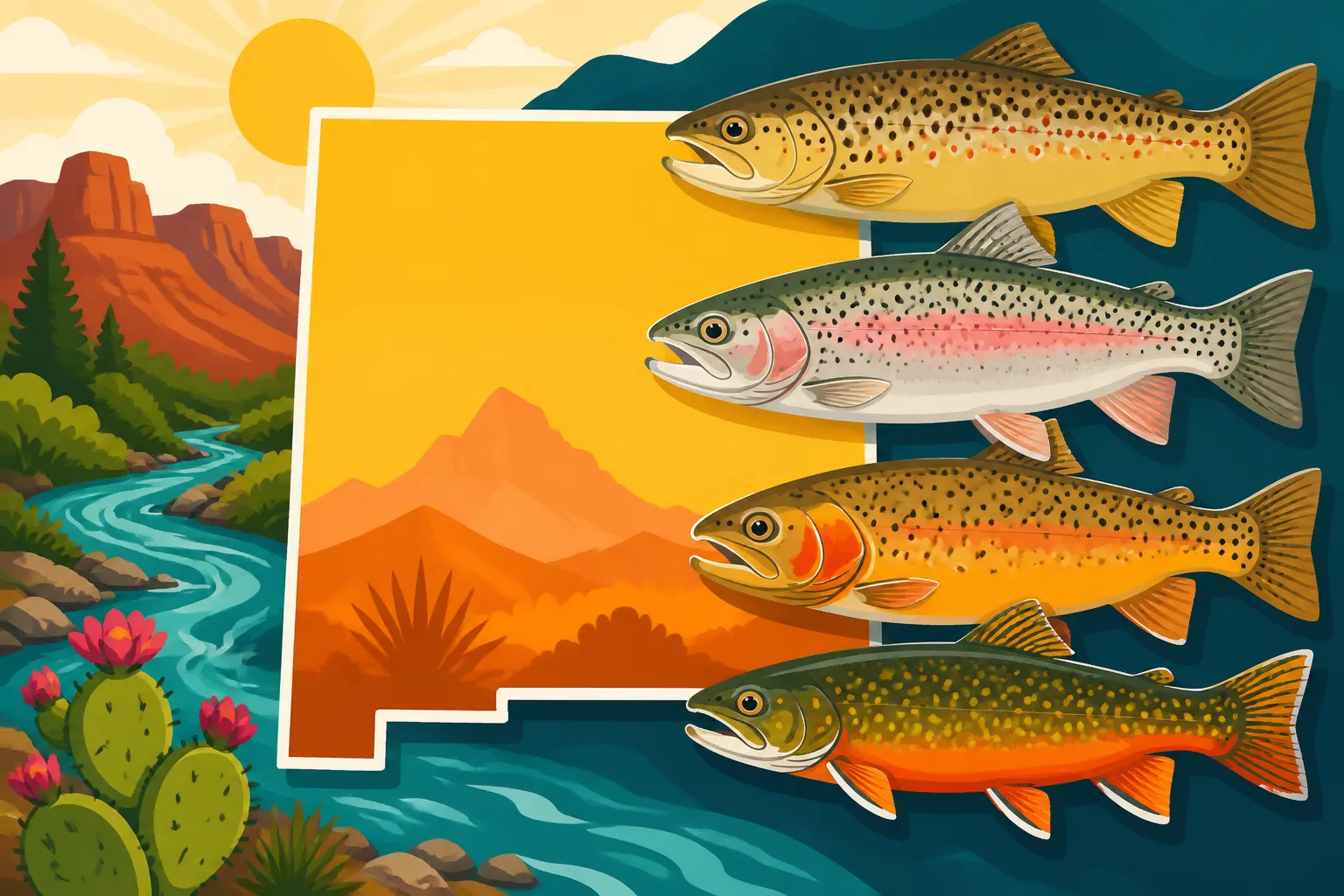
So, let's get right to it. If you're tallying up the primary trout species you'll find swimming in New Mexico, the count comes to six. These include two truly native species, meaning they evolved and existed here long before European settlement, and four introduced species that have since thrived and become integral to our fishing culture. This blend ensures that anglers have a wide variety of challenges and experiences awaiting them. You'll find these incredible fish in everything from small, cold mountain rivulets to sprawling lakes and tailwaters, each presenting its own unique character and fishing experience.
Understanding "Native" vs. "Introduced" Trout
When we discuss fish species, the terms "native" and "introduced" are incredibly important, particularly in a state like New Mexico where conservation is paramount. A native species is one that naturally occurs in a particular ecosystem without human intervention. For trout in New Mexico, these are the original inhabitants, adapted over countless generations to the specific conditions of their environment. They often hold significant ecological and cultural value, representing a living piece of the state's natural heritage. Protecting these species and their habitats is a major focus for wildlife agencies.
On the other hand, an introduced species (sometimes called an exotic or non-native species) is one that has been brought into an area, intentionally or unintentionally, by human activity. In the case of New Mexico trout, these introductions were almost always intentional, designed to create or bolster sport fisheries. Many of our most popular fishing destinations rely heavily on these introduced species, which provide excellent recreational opportunities that might not exist otherwise. While introduced species can sometimes pose challenges to native populations, careful management aims to balance recreational fishing with ecological health. Understanding this distinction helps anglers appreciate the unique story behind every trout they encounter in New Mexico.
New Mexico's Indigenous Treasures: Native Trout
New Mexico is home to two truly special native trout species, each with a remarkable story of survival and recovery. These fish are not just game fish; they are living symbols of the state's wild, untamed beauty and its commitment to conservation. Catching one of these unique trout is often considered a bucket-list achievement for serious anglers, representing a connection to the past and a hope for the future.
The Resplendent Rio Grande Cutthroat Trout
The Rio Grande Cutthroat Trout, New Mexico's state fish, is a true gem. Instantly recognizable by the distinctive "cutthroat" slash of orange or red under its jaw, these fish also typically display beautiful, large black spots concentrated towards their tail. They are a testament to adaptation, thriving in the cold, clear, high-elevation mountain streams of the Sangre de Cristo and other mountain ranges in northern New Mexico. These pristine waters are their ancestral home, and they are incredibly sensitive to habitat changes and competition from other species.
Angling for Rio Grande Cutthroats is often more about the experience than the size of the fish. They don't typically grow as large as some other trout species, but their vibrant colors and willingness to rise to a dry fly make them a thrilling target. Finding them usually involves hiking into remote wilderness areas, adding an element of adventure to the pursuit. Conservation efforts, including habitat restoration and the removal of non-native trout from their strongholds, are crucial to ensuring the survival of Rio Grande Cutthroat Trout in New Mexico. Anglers play a vital role in this by adhering to strict catch-and-release practices and respecting their delicate habitats. It's a truly special fish that reminds us of the delicate balance of nature.
The Rare and Resilient Gila Trout
Another incredible native, the Gila Trout ( Oncorhynchus gilae ), holds a unique place in New Mexico's angling history. These fish are typically smaller than other trout, with a beautiful olive-gold body, sometimes displaying hints of copper or brass, and small, sparse dark spots. Their story is one of dramatic decline and inspiring recovery. Once on the brink of extinction, conservation efforts have slowly brought them back from the edge. Today, they primarily inhabit isolated, high-elevation streams within the Gila National Forest in the southwestern part of the state.
Fishing for Gila Trout is a highly regulated and often challenging endeavor, but one that offers immense rewards for the dedicated angler. Because of their sensitive status, specific permits may be required, and strict catch-and-release rules are enforced to protect these precious populations. Successfully catching and releasing a Gila Trout isn't just about the fish; it's about being part of a conservation success story. You can learn more about Gila Trout in New Mexico and the special rules in place to protect them, including Where You Can Legally Fish for Gila Trout. It’s a privilege to pursue these magnificent fish, and part of that privilege means understanding and respecting their journey back from the brink.
Enhancing the Waters: Introduced Trout Species
While New Mexico's native trout hold immense ecological significance, the introduced trout species are the backbone of much of the state's recreational fishing. These robust and often fast-growing fish provide countless hours of enjoyment for anglers across the state, from novice casters to seasoned pros. They've adapted well to New Mexico's diverse waters, offering different challenges and rewards depending on the species and location. Many anglers looking for new gear to target these species often browse retailers like Amazon for the latest rods, reels, or tackle.
The Popular Rainbow Trout
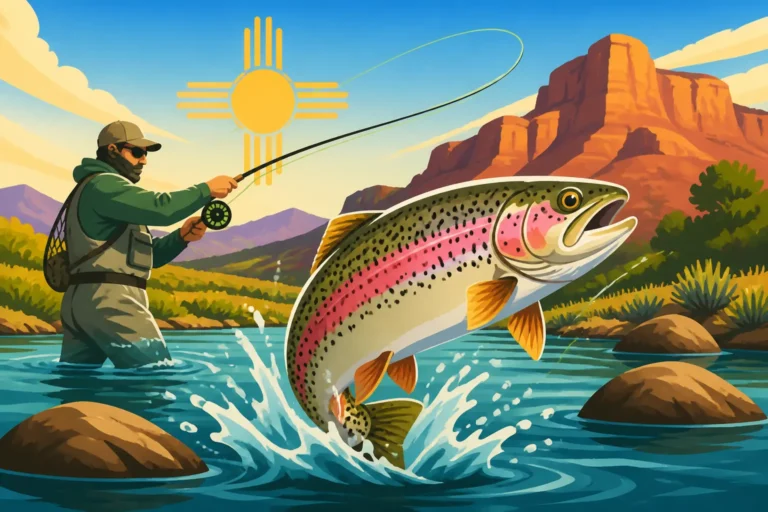
The rainbow trout ( Oncorhynchus mykiss ) is arguably the most recognizable and widely distributed trout species in New Mexico. Known for its vibrant pink or red stripe running along its side, a dark spotted back, and often a silvery belly, the rainbow is a beautiful and energetic fish. These trout are the darlings of stocking programs across the state, ensuring ample opportunities for anglers in countless lakes, rivers, and urban ponds. Their eager biting nature and spirited fight make them a fantastic target for anglers of all skill levels.
From the high country lakes near Eagle Nest to the urban fisheries in Albuquerque, you'll find rainbow trout thriving. They're often stocked in "put-and-take" fisheries, providing immediate action, but wild and naturally reproducing populations also exist in many streams, particularly in colder tailwaters and higher elevations. Whether you're using power bait, worms, spinners, or flies, rainbow trout are usually willing to cooperate, making them a great choice for a family outing. For detailed tips on finding these popular fish, check out our guide on Rainbow Trout Fishing in New Mexico.
The Elusive Brown Trout
The brown trout ( Salmo trutta ) is a species renowned for its wary nature, incredible adaptability, and potential to grow to impressive sizes, particularly in nutrient-rich waters. Identified by their distinct dark spots (sometimes with a reddish halo) on a golden-brown or olive body, these trout often sport a cream or yellowish belly. Browns are highly predatory, making them a favorite among anglers who enjoy the challenge of enticing a larger, smarter fish. You'll find strong populations in many of New Mexico's rivers and larger lakes, especially those with good cover like submerged logs or undercut banks.
New Mexico's most famous brown trout fishery is undoubtedly the San Juan River below Navajo Dam, particularly within the San Juan River Quality Waters Section. Here, they can grow exceptionally large, providing world-class fly fishing opportunities. Anglers often need to employ subtle tactics, using small flies, careful presentations, or specialized lures to fool these cunning fish. Landing a large brown trout from a New Mexico river is a true badge of honor. To delve deeper into tactics and locations for this challenging species, read our comprehensive guide on Brown Trout Fishing in New Mexico. When preparing for a trip targeting these wily fish, many anglers pick up specialized leaders or specific fly patterns from online retailers like Amazon.
The Vibrant Brook Trout
Brook trout ( Salvelinus fontinalis ), while technically a char, are often categorized and fished as trout in New Mexico. These strikingly beautiful fish are smaller in stature but make up for it with their vibrant colors and distinctive markings. They feature a dark, mottled green or brown back with worm-like patterns (vermiculations), bright red spots with blue halos along their sides, and white leading edges on their lower fins, often with a hint of orange or red. Brook trout prefer the coldest, most pristine headwater streams and high mountain lakes, often requiring a bit of a hike to reach their secluded domains.
They are aggressive eaters and a joy to catch on light tackle, readily taking small flies or spinners. Their smaller size often means lower bag limits, or sometimes even catch-and-release only regulations, emphasizing their delicate habitat and the importance of preserving these wild populations. Catching a brook trout, with its jewel-like colors, in a pristine mountain setting is a quintessential New Mexico angling experience. For more on where to find these beautiful fish, consult our resource on Brook Trout in New Mexico.
The Deep-Dwelling Lake Trout
The lake trout ( Salvelinus namaycush ), another species technically classified as a char, is a powerful, deep-water predator found in a select few of New Mexico's larger, colder, and deeper lakes. These fish are distinguished by their pale spots on a dark green or gray body, a deeply forked tail, and a generally robust, torpedo-like build. Unlike other trout species that prefer moving water or shallower areas, lake trout spend most of their lives in the frigid depths, often suspending over deep water in search of baitfish.
In New Mexico, Heron Lake is perhaps the most notable lake trout fishery. Targeting them requires specialized techniques, such as downrigging, vertical jigging, or deep-water trolling, often with heavy tackle designed to reach significant depths. They grow to substantial sizes, making them a formidable opponent once hooked. Landing a large lake trout is a testament to patience and specialized angling skills. To learn more about their unique habitat and how to target them, explore our guide on Lake Trout in New Mexico. Specialized electronics, like a quality fish finder, which you can easily purchase on Amazon, can be invaluable for locating these deep-dwelling giants.
Conservation and Angling: Protecting New Mexico's Trout
The diversity of trout in New Mexico is a precious resource that requires thoughtful management and responsible angling. As enthusiasts of the outdoors, it's our collective responsibility to ensure these vibrant populations continue to thrive for future generations. This involves not just following the rules, but also adopting practices that promote the health and sustainability of our fisheries. Whether you're buying a new fishing vest or a specific fly pattern, considering how your choices impact conservation is part of the angling journey.
Specific Regulations for Each Species
It's crucial to understand that trout fishing in New Mexico isn't a "one-size-fits-all" situation when it comes to regulations. Each species, and even specific waters, may have unique rules designed to protect them. For instance, native species like the Rio Grande Cutthroat and Gila Trout often have very restrictive bag limits, size restrictions, or may even be catch-and-release only. This is especially true in designated "Special Trout Waters" or "Quality Waters," where the goal is to maintain robust, healthy fish populations. These special regulations might include restrictions on bait use, hook type (often barbless hooks are required), or even the type of tackle allowed.
Conversely, widely stocked species like rainbow trout in urban ponds or certain lakes might have more generous bag limits to encourage harvest and provide recreational opportunities. Before every fishing trip, it is absolutely essential to consult the latest New Mexico Fishing Regulations Overview published by the New Mexico Department of Game and Fish. These regulations are updated annually and are the definitive guide to legal fishing practices, ensuring you're compliant and contributing to sustainable fishing. Failing to do so can result in fines and harm to the very fish we cherish.
Best Practices for Sustainable Trout Fishing
Beyond merely following regulations, embracing best practices for sustainable angling is vital for the long-term health of New Mexico's trout populations. If you intend to practice catch and release, especially for sensitive species or in waters with strict rules, proper fish handling is paramount. This includes minimizing the time the fish is out of the water, wetting your hands before touching the fish to protect its slime coat, and using tools like needle-nose pliers or hemostats to quickly remove hooks. Many anglers also opt for rubber-mesh landing nets, which are less abrasive and cause less damage to fins and scales compared to traditional nylon nets. You can often find these types of nets and other catch-and-release tools on Amazon.
Understanding the specific vulnerabilities of each species, such as temperature sensitivity for cold-water trout during warmer months, can also inform your fishing decisions. For example, during peak summer heat, it might be better to target warm-water species or fish early in the morning when water temperatures are cooler, reducing stress on trout. By adopting these mindful habits, we can all help ensure that New Mexico remains a premier destination for trout fishing, preserving its diverse aquatic inhabitants for generations of anglers to come.
Here's a quick look at the main trout species found in New Mexico:
| Species | Native/Introduced | Typical Habitat | Key Characteristics |
|---|---|---|---|
| Rio Grande Cutthroat | Native | High-elevation, cold, clear mountain streams | Red "cutthroat" slash, large black spots on tail |
| Gila Trout | Native | Isolated, pristine mountain streams (Gila Forest) | Olive-gold body, sparse spots, small size |
| Rainbow Trout | Introduced | Lakes, rivers, urban ponds (widely stocked) | Pink/red stripe, dark spots, spirited fighter |
| Brown Trout | Introduced | Rivers (tailwaters), larger lakes, good cover | Dark spots (some with halos), wary, trophy potential |
| Brook Trout | Introduced | Cold headwater streams, high mountain lakes | Vermiculations, red spots with blue halos, white fin edges |
| Lake Trout | Introduced | Deep, cold, large lakes (e.g., Heron Lake) | Pale spots on dark body, deeply forked tail, large size |
Disclaimer
This article is for general informational purposes only and does not constitute professional advice. Laws, prices and regulations vary by location and change over time. Consult a qualified professional for guidance on your specific situation.