New Mexico State Record Channel Catfish
There's a special kind of thrill that courses through an angler's veins when they feel that undeniable, heavy throb on the end of their line – the kind that signals something truly substantial is trying to pull their rod into the water. For many, that feeling is the pursuit of a record-breaking fish, a monster that will etch their name into the annals of New Mexico fishing history. This guide dives deep into the majestic New Mexico State Record Channel Catfish, exploring not just the details of this impressive catch, but also how you can chase after your own personal best, perhaps even challenging the state record yourself.
The Thrill of the Chase: Why State Records Matter to Anglers
For devoted anglers across New Mexico, the quest for a state record isn't just about catching a big fish; it's about connecting with something legendary. It's the ultimate recognition of skill, patience, and often, a little bit of luck, all coming together in one unforgettable moment.
More Than Just a Number: The Prestige and the Story
Imagine telling the tale of landing a fish so massive, so powerful, that it actually holds the state record. It's a story that transcends the fishing boat or the riverbank, becoming a part of local lore. These aren't just fish; they're titans of the deep, and their capture often involves an epic battle of wills between angler and aquatic beast. The prestige of holding a state record brings a sense of accomplishment that few other fishing feats can match. It validates countless hours spent on the water, honing techniques, studying habits, and enduring frustrating days without a bite.
Moreover, these record catches inspire others. They ignite dreams in young anglers and reignite passion in veterans. When news breaks of a new state record, it sends ripples through the fishing community, spurring conversations about the "how" and "where," and encouraging more people to explore our incredible New Mexico waters. It's a testament to the health of our fisheries and the potential that lies beneath the surface.
Understanding New Mexico's Record Program
The New Mexico Department of Game and Fish (NMDGF) maintains a comprehensive list of state records for various fish species, a meticulous effort to celebrate angling achievements and provide a benchmark for all who cast a line. This program ensures that once a potential record is caught, it undergoes a careful verification process to confirm its authenticity. It’s not just about weight; factors like the species identification, the location of the catch, and the method used are all scrutinized.
Typically, when an angler believes they've landed a potential state record, they must immediately seek out certified scales – often found at local grocery stores, bait shops, or even post offices – to get an official weight. Witnesses are usually required, and photographs from multiple angles are essential for documentation. The fish should be kept in excellent condition, often on ice, until it can be inspected by a NMDGF biologist. This rigorous process safeguards the integrity of the record book, ensuring that only truly exceptional and verified catches make the cut. Understanding these rules is crucial, as nobody wants the heartbreak of catching a fish of a lifetime only to have it disqualified on a technicality. You can find more general guidelines in the New Mexico Fishing Regulations Overview.
Unveiling the New Mexico State Record Channel Catfish
The Channel Catfish is a beloved game fish throughout New Mexico, prized for its strong fight and excellent table fare. But some Channel Cats grow to truly extraordinary sizes, becoming legendary figures in our waters. The state record stands as a testament to just how big these whiskered wonders can get.
The Current Record Holder and Its Impressive Details
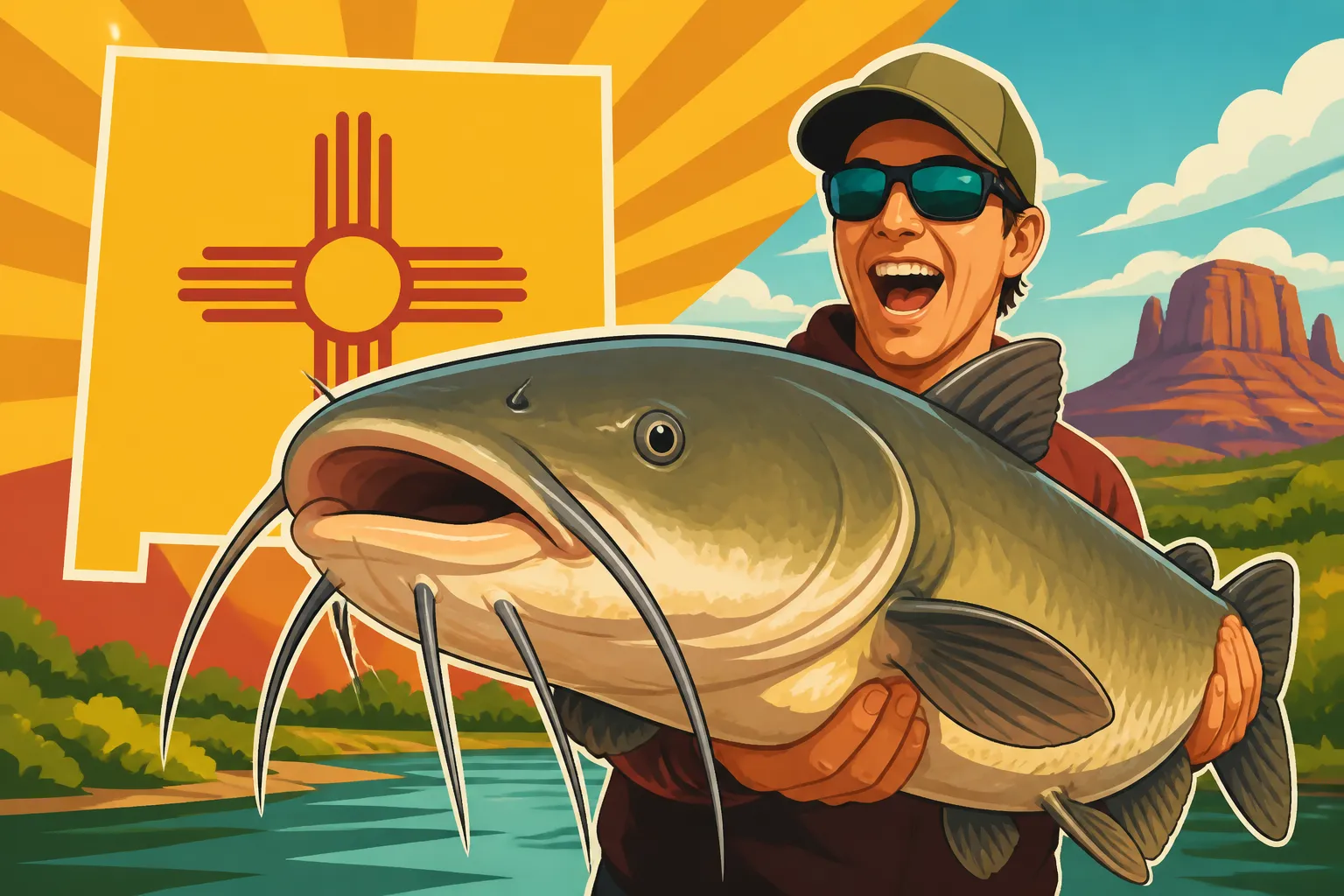
The New Mexico state record Channel Catfish is truly a fish of immense proportions, a colossal specimen that many anglers can only dream of hooking. This magnificent fish was caught by an angler whose persistence paid off in a spectacular way. The record Channel Catfish weighed in at a staggering amount, making it a true giant in the world of freshwater fishing. It's the kind of fish that puts your tackle to the ultimate test and leaves you with shaky hands and a pounding heart long after the fight is over.
While the exact details of every record catch can vary – the specific lake or river, the time of year, or even the precise bait used – what's clear is that this fish was found in a healthy, productive environment. The story behind such a catch often involves hours, if not days, of dedicated fishing, patiently waiting for that one special bite. It's a moment of pure adrenaline, followed by the careful and precise actions needed to land, measure, and document such a significant catch. This record exemplifies the incredible potential of New Mexico's waters to produce truly world-class fish.
The Environment That Grows Giants: Prime Catfish Habitats in New Mexico
Channel Catfish are adaptable, but to reach record-breaking sizes, they need specific conditions: abundant food, stable water temperatures, and plenty of cover. New Mexico offers several prime locations where these conditions converge, creating ideal environments for trophy catfish. Large reservoirs like Elephant Butte Lake, Navajo Lake, and Conchas Lake are renowned for their healthy catfish populations, with some truly massive individuals lurking in their depths. Even stretches of our major rivers, like the Rio Grande and the Pecos River, can hold impressive channel cats.
These fish often prefer deeper channels, submerged timber, rock piles, and points where currents bring food directly to them. They are opportunistic feeders, consuming everything from insects and crustaceans to smaller fish and decaying matter. Lakes with robust populations of baitfish provide an endless buffet, allowing channel catfish to grow large and robust. For a comprehensive look at where to find these whiskered warriors, check out Where to Catch Channel Catfish in New Mexico and consider exploring guides for particular lakes like the Elephant Butte Lake Fishing Guide, which is famous for its diverse species and potential for big catches. Understanding the general behavior and preferred habitats of channel catfish is your first step towards finding those larger specimens.
Tactics for Targeting Trophy Channel Catfish in New Mexico
Chasing trophy Channel Catfish requires a dedicated approach, from selecting the right gear to understanding their feeding habits and preferred haunts. It's a game of patience and preparation, but the rewards can be monumental.
Gear Up for Battle: Rods, Reels, and Line Strength
When you're after a fish that could potentially break a state record, your gear needs to be up to the task. This is not the time for ultralight finesse setups. You'll want a heavy-action to medium-heavy action rod, typically seven to nine feet long, with a strong backbone to handle powerful runs and the leverage needed to steer a big fish away from snags. Paired with this, a sturdy baitcasting reel or a large spinning reel with a reliable, smooth drag system is essential. Many anglers prefer baitcasting reels for their power and ability to cast heavy baits accurately.
Line strength is paramount. Don't skimp here. A minimum of 20-pound test monofilament or fluorocarbon is advisable, but many trophy hunters opt for 30 to 50-pound braided line for its incredible strength, low stretch, and sensitivity. Braid allows you to feel subtle bites even in deep water or current, and its sheer power can help winch a stubborn catfish out of heavy cover. Always remember to check your knots frequently and inspect your line for abrasions, especially after a tough fight. You can find a wide selection of suitable rods, reels, and lines on platforms like Amazon, ensuring you have reliable equipment for your quest. For general gear advice, consider our guide on Best Fishing Gear for New Mexico Anglers.
Bait and Scent: What Big Catfish Can't Resist
Channel Catfish are not picky eaters, but when targeting trophy-sized fish, certain baits tend to outperform others. These larger cats are often looking for a substantial meal, so bigger baits are usually more effective.
- Cut Bait: This is a perennial favorite. Fresh cut bait from oily fish like shad, carp, or even small bluegill (where legal) emits a strong scent trail that catfish simply can't ignore. Cut the fish into chunks or strips, ensuring enough skin and scales remain to stay on the hook.
- Prepared Baits (Stink Baits): A variety of commercially available "stink baits" or "punch baits" are incredibly effective. These often have a powerful, pungent odor designed specifically to attract catfish. They come in various forms, from dips to dough balls, and often require special bait holders.
- Live Bait: While cut bait is popular, live bait can also be a game-changer. Nightcrawlers, small bluegill, or other small baitfish (again, verify local regulations for live bait use) can entice a more aggressive strike from a large catfish.
- Chicken Livers and Gizzards: Easily accessible and incredibly smelly, chicken livers are a classic catfish bait. They can be messy but are highly effective.
The key to bait for big catfish is often scent. The stronger and more appealing the odor, the better your chances of attracting a hungry leviathan from a distance. Presentation matters too; ensure your bait is securely hooked and positioned where catfish are likely to be lurking. Dive deeper into bait choices with Best Bait for Catfish in New Mexico Rivers.
| Bait Type | Pros | Cons | Best Use |
|---|---|---|---|
| Cut Bait | Strong scent, appeals to larger fish | Can be messy, requires fresh sourcing | Active catfish, strong currents, deeper water |
| Prepared Baits | Very strong, targeted scent, easy to use | Can be messy, some fish ignore them | Slow current, still water, targeting hungry cats |
| Live Bait | Natural presentation, triggers aggressive strikes | May require specific regulations, harder to keep alive | Active, predatory catfish in varied conditions |
| Chicken Livers | Inexpensive, widely available, powerful scent | Very messy, falls off hook easily | Still water, short casts, targeting hungry cats |
Locations and Timing: Reading the Water for Catfish
Finding trophy Channel Catfish often comes down to understanding their behavior and where they prefer to hide. During the day, especially in warmer months, big catfish will often retreat to deeper, cooler water, seeking out structure. Look for them in:
- Deep Channels and River Bends: These areas provide depth and often have softer, muddy bottoms where catfish like to forage.
- Submerged Structure: Fallen trees, rock piles, old bridge abutments, and even artificial fish attractors can hold significant numbers of catfish. They offer cover and ambush points.
- Dam Tailwaters: Below dams, the churning water is often rich in oxygen and disoriented baitfish, attracting large catfish.
- Points and Humps: Underwater points extending into a lake or humps on the bottom can concentrate fish.
Timing is also crucial. While catfish can be caught throughout the day, their activity often peaks during dawn, dusk, and especially at night. Night fishing for catfish is incredibly popular in New Mexico because these nocturnal feeders use their keen sense of smell and touch to navigate and hunt in the dark. For more on this exciting technique, check out How to Catch Channel Catfish at Night. Catfish also become more active as water temperatures rise in late spring and summer, making these prime seasons for targeting bigger fish.
The Journey to Your Own Personal Best (or Maybe Even a Record!)
Catching a state record is a rare feat, but every angler can strive for their personal best, and every big fish landed is a victory. The journey is as rewarding as the catch itself.
The Importance of Persistence and Patience
Let's be realistic: state records aren't caught every day, or even every year. The pursuit of a truly giant Channel Catfish demands an unwavering commitment. You'll have days where the bite is slow, days where you lose a monster at the boat, and days where you feel like you've tried every trick in the book to no avail. That's fishing! The anglers who succeed are those who don't give up, who learn from every outing, and who embrace the process.
Persistence means going back to the same spots, trying different baits, and experimenting with various presentations. Patience means being willing to wait, sometimes for hours, for that one definitive strike. Many record catches are the result of an angler "putting in their time" on the water, steadily refining their approach until everything aligns. It's about enjoying the quiet moments, the beauty of the New Mexico landscape, and the hope that with every cast, that monster could be lurking just below. And don't forget to renew your New Mexico Fishing License Guide to ensure you're always ready when that big bite comes!
Responsible Angling: Catch, Care, and Release for Big Fish
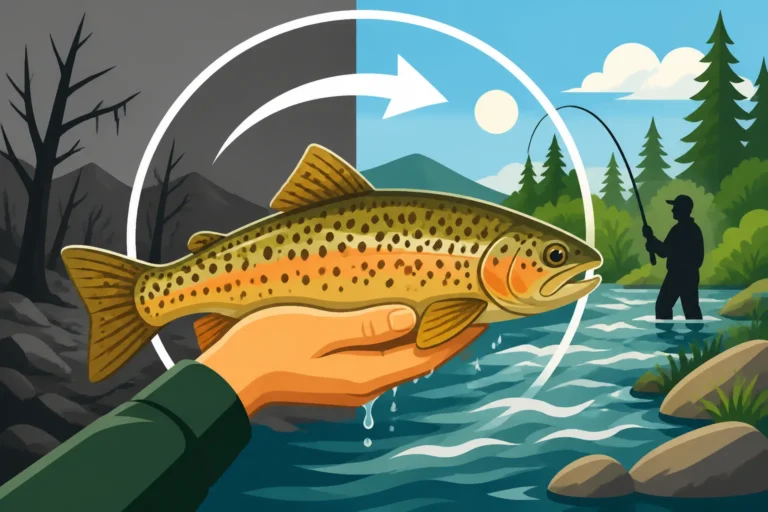
When targeting large, potentially record-breaking fish, responsible angling practices become even more important. These mature fish are crucial to the health of the fishery, often being prime breeders. If your goal is to release a trophy Channel Catfish, or any large fish, it’s essential to minimize stress and injury.
- Minimize Fight Time: Use appropriate tackle to land the fish as quickly as possible without over-stressing it.
- Handle With Care: Avoid dragging fish over rocks or abrasive surfaces. If possible, keep the fish in the water while unhooking it. Use a large, knotless rubber landing net, which is gentler on scales and slime coat than traditional nylon nets.
- Support the Fish: If you must remove the fish from the water for a quick photo, support its body horizontally with both hands, especially around the belly. Never hold a large fish vertically by the jaw alone, as this can cause severe internal damage.
- Quick Release: Have your camera ready and snap a few quick photos. Get the fish back into the water promptly.
- Revive If Needed: If the fish seems sluggish, hold it gently in the water, facing into a mild current, allowing water to flow over its gills until it regains strength and can swim away under its own power.
Adhering to these practices ensures that these magnificent creatures can continue to thrive and contribute to future generations of trophy fish. Learn more about proper fish handling in Catch and Release Best Practices in New Mexico.
Documenting Your Catch and the Official Process
So, you’ve landed a monster Channel Catfish, and it feels like a contender for the state record. What next? The NMDGF has a clear process for verifying state record fish. The first and most critical step is to weigh the fish on a certified scale. This is non-negotiable. Certified scales are typically found at post offices, grocery stores with deli counters, or official bait and tackle shops. You'll need witnesses present during the weighing.
Next, you must accurately measure the fish's length and girth. Take clear, well-lit photographs from multiple angles, including photos of the fish on the certified scale with the weight clearly visible, and photos of it being measured. These photos are crucial for verifying the species and the dimensions. Finally, contact the NMDGF as soon as possible to report your catch and arrange for an official inspection by a biologist. They will confirm the species identification and review all your documentation. Keep the fish in good condition, preferably on ice, until the biologist can examine it. Skipping any of these steps could unfortunately lead to your magnificent catch not being officially recognized. It's a precise process, but worth it for the chance to etch your name in New Mexico's angling history!
Disclaimer
This article is for general informational purposes only and does not constitute professional advice. Laws, prices and regulations vary by location and change over time. Consult a qualified professional for guidance on your specific situation.