Easiest Fish to Catch in New Mexico for Beginners
Stepping into the world of fishing in New Mexico can feel a bit like staring at a vast, beautiful, but overwhelming menu at a new restaurant. With so many lakes, rivers, and different fish species, it's easy for a new angler to get bogged down trying to figure out where to start and what to even try to catch. This guide is designed to cut through that confusion, focusing on the most approachable fish species that offer a high chance of success for beginners, ensuring your first forays into New Mexico's waters are filled with excitement, not frustration.
Why Choosing the Right Fish Species Matters for Beginners
When you're just dipping your toes into fishing, the last thing you want is a day full of empty lines and dashed hopes. It's truly disheartening to spend hours by the water, casting and reeling, only to come up empty-handed while seasoned anglers around you seem to be pulling them in left and right. That's why picking the right target species, especially for your initial trips, is absolutely crucial.
Some fish are notoriously finicky, require specialized gear, or are only found in hard-to-reach, challenging waters. Trying to tackle these species as a beginner can quickly lead to discouragement, making you wonder if fishing is even for you. But it is! The key is to start with species known for their aggressive feeding habits, their widespread availability, and their willingness to bite on simple baits and presentations. This builds confidence, teaches you the basics of casting and reeling, and gives you the invaluable experience of feeling a fish on the end of your line. It's about getting that initial thrill, that moment where you truly connect with nature and understand the joy of the catch.
Building Confidence Through Early Success
There's nothing quite like the tug of a fish to ignite a lifelong passion for angling. For beginners, these early successes aren't just about catching fish; they're about learning the rhythm of the water, understanding how your gear works, and developing the patience and observation skills that all great anglers possess. Each fish landed, no matter the size, is a small victory that validates your effort and makes you want to go back for more.
Think of it like learning to ride a bike. You don't start on a mountain trail; you start in a park, on a flat paved path. The same principle applies to fishing. By targeting species that are more forgiving and plentiful, you remove many of the common barriers to entry. You get to focus on the fun parts – the anticipation, the fight, and the eventual landing of the fish – without getting too tangled up in complex techniques or expensive, specialized equipment right off the bat. This foundation of positive experiences is what turns a casual interest into a deep love for the sport, ensuring you stick with it long enough to explore all the incredible fishing opportunities New Mexico has to offer.
New Mexico's Beginner-Friendly Waters
New Mexico is fantastic for new anglers because it offers a variety of easily accessible waters that are frequently stocked or naturally hold abundant populations of these beginner-friendly fish. You don't always need to trek into the wilderness to find a great fishing spot. Many urban ponds, community lakes, and popular reservoirs are managed specifically to provide good fishing opportunities for families and novice anglers. These spots often have amenities like easy parking, restrooms, and sometimes even fishing piers, making the entire experience much less daunting for someone who is still getting their bearings.
Knowing that you can find a good spot relatively close to home, and that it's likely teeming with fish that are ready to bite, takes a huge load off your mind. It allows you to focus on the basics of casting, retrieving, and feeling for that subtle tug, rather than worrying if there are even any fish in the water to begin with. These accessible fisheries are the perfect classroom for starting your angling journey in the Land of Enchantment. For more on where to go, check out our guide on Best Places to Fish in New Mexico.
Top Easiest Fish to Catch for Beginners in New Mexico
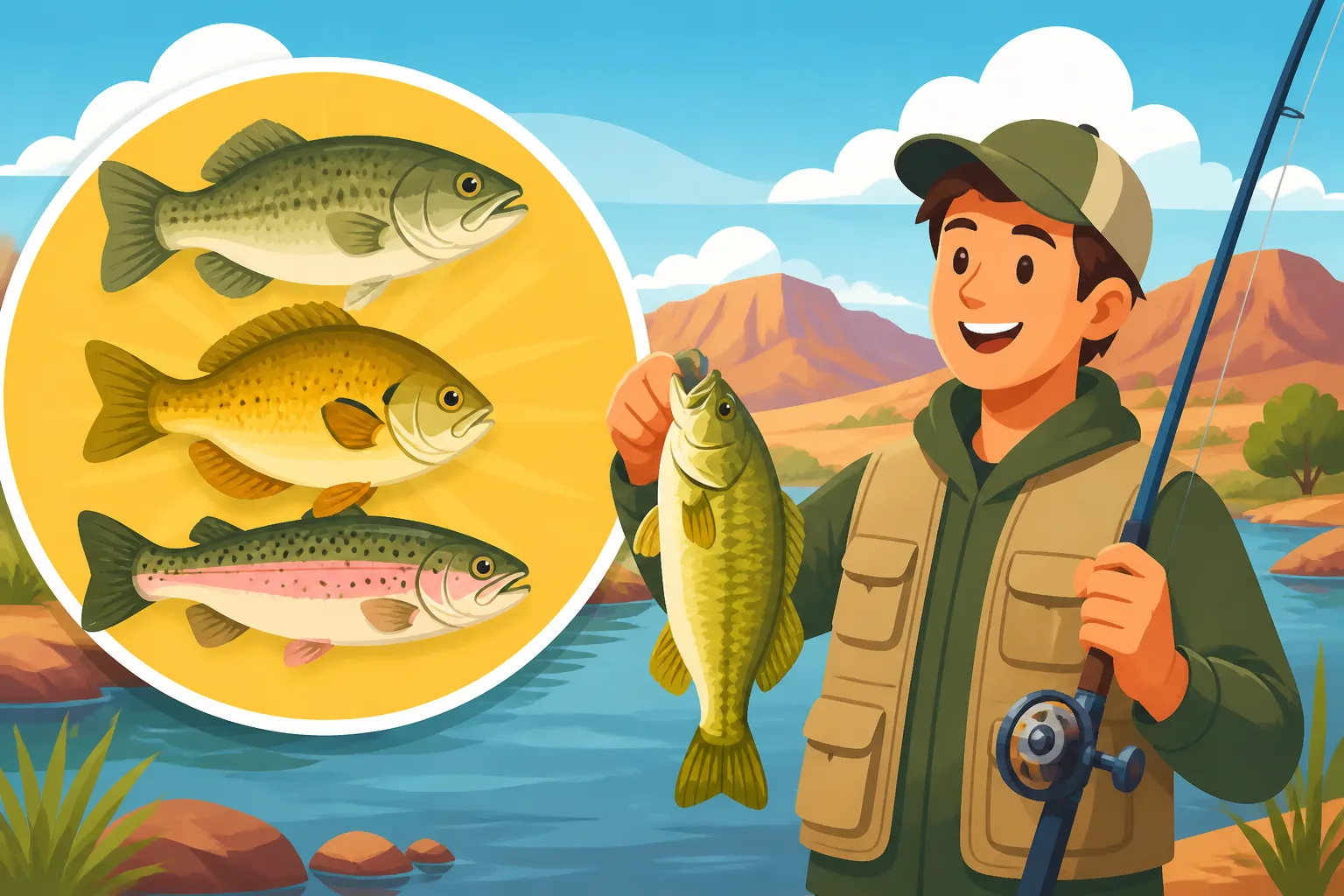
When it comes to building confidence and getting bites in New Mexico, three species consistently rise to the top for their accessibility and eagerness to cooperate: Rainbow Trout, Channel Catfish, and Bluegill. Each offers a distinct fishing experience, but all share the common trait of being relatively easy to entice onto a hook.
Let's dive into why these species are such fantastic targets for new anglers, what simple gear you'll need, and the straightforward techniques that will have you feeling that thrilling tug in no time. Remember, the goal here is fun and success, not necessarily a trophy on your first outing!
Rainbow Trout: The Stocked Superstars
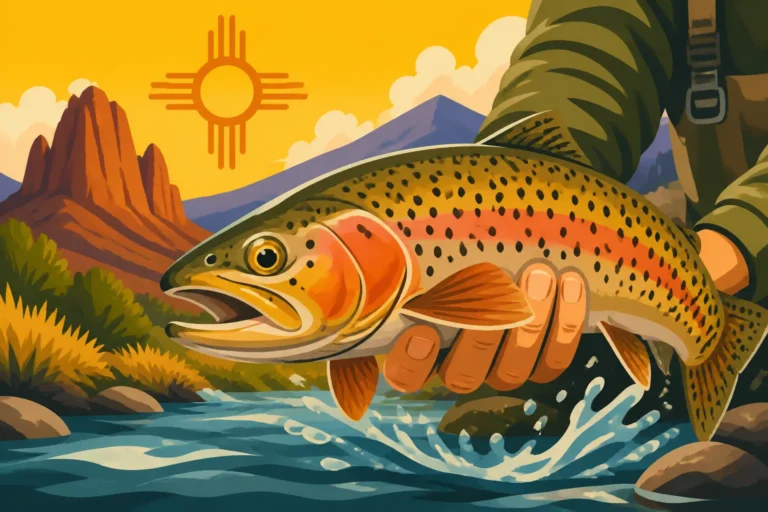
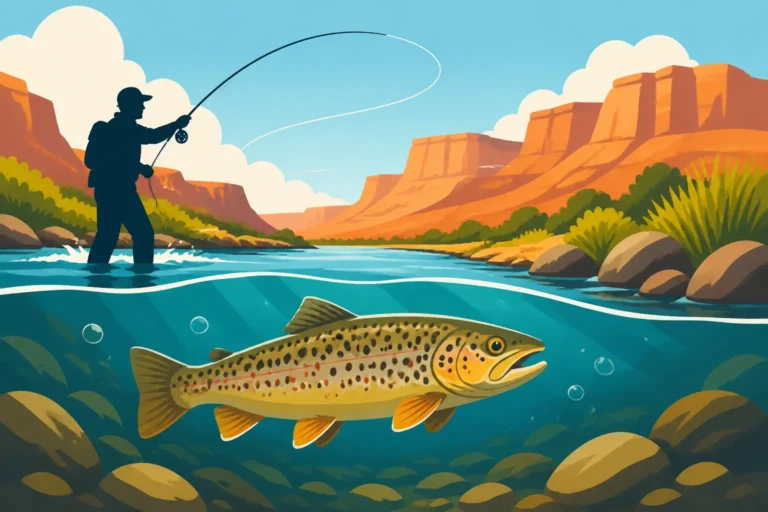
Rainbow Trout are arguably the quintessential beginner fish in New Mexico, and for very good reason. The New Mexico Department of Game and Fish actively stocks thousands of these eager eaters into waters across the state, from high mountain lakes to urban community ponds. This consistent stocking effort means that many easily accessible locations are regularly refreshed with fish that are often ready to bite soon after they're introduced.
What makes them so beginner-friendly? Firstly, their diet is incredibly varied, meaning they aren't overly picky. Secondly, they're often quite aggressive, especially when freshly stocked, making them more likely to chase a bait or lure. You don't need complex fly-fishing techniques or deep knowledge of aquatic insect hatches to catch them; simple presentations often work wonders. Many of these stocked trout also inhabit smaller, more contained bodies of water, which makes them easier to locate and target than fish in vast open reservoirs.
Simple Baits and Setups for Rainbow Trout
For rainbow trout, simplicity is your best friend. You don't need a fancy tackle box full of specialized lures. Some of the most effective baits are readily available and incredibly easy to use. Think about the classic PowerBait in various colors (chartreuse, rainbow, or garlic scent are often winners), which floats and can be molded around a small hook. Live worms, like nightcrawlers, are also incredibly effective; trout can't resist a wiggling meal. Even corn kernels can sometimes tempt a stocked trout!
A basic setup involves a light-action spinning rod and reel combo, which you can find affordably on Amazon or at any sporting goods store. Spool it with 4-6 pound test monofilament line. For your rig, a simple Carolina rig (also known as a slip sinker rig) or a bobber rig works beautifully. For the Carolina rig, slide a small egg sinker onto your main line, tie on a small barrel swivel, and then add an 18-24 inch leader of lighter line (2-4 pound fluorocarbon is great for invisibility) to a small, sharp hook (size 8-12 is usually perfect). With PowerBait, fish it off the bottom, letting the bait float up. With worms, you can fish them suspended under a bobber or on the bottom. Check out our guide on Best Bait for New Mexico Trout for more ideas.
Where to Find Stocked Rainbow Trout
The beauty of stocked rainbow trout is their widespread availability. The New Mexico Department of Game and Fish website provides a stocking schedule, letting you know exactly which waters are getting fish and when. Many of New Mexico's urban ponds, like Tingley Beach in Albuquerque, or smaller community lakes, are regularly stocked. Larger reservoirs like Elephant Butte Lake or Navajo Lake also receive trout stockings, especially in their cooler sections.
Additionally, many state park lakes such as Fenton Lake, Storrie Lake, and Eagle Nest Lake are prime spots for rainbow trout. These locations often have good access for bank fishing, making them ideal for beginners who might not have a boat. The key is to look for areas with current (if on a river) or structure like submerged vegetation or points on a lake. Trout often cruise these areas looking for food. Don't forget to get your New Mexico Fishing License Guide before you head out!
Channel Catfish: The Bottom-Dwelling Brawlers
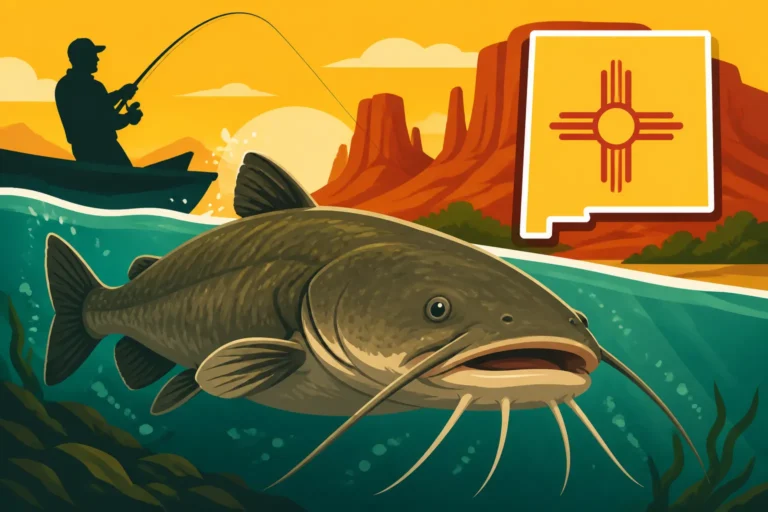
Channel Catfish are another fantastic option for new anglers, especially if you're looking for a fish that fights hard and can be found in a wide variety of New Mexico's warmer waters. These whiskered beauties are opportunistic feeders and scavengers, meaning they aren't particular about what they eat, which makes them quite easy to bait. They're also widely distributed across the state, inhabiting many rivers and reservoirs, often in impressive numbers.
Catfish are less visual feeders than trout, relying more on their excellent sense of smell to locate food in murky or dark waters. This works to the beginner's advantage, as presentation doesn't have to be as precise. They're also often active throughout the day, and particularly in the evenings and at night, offering different fishing opportunities. The thrill of a big catfish pulling on your line is a memorable experience for any angler, new or seasoned!
Best Baits and Rigs for Channel Catfish
When it comes to channel catfish, the smellier, the better! They love strong-smelling baits. Classic options include stink baits (often available in tubs or squeeze tubes), chicken livers, cut bait (small pieces of fish), or even household items like hot dogs or shrimp. You can find many of these specialized catfish baits readily available on Amazon or at your local bait shop.
For gear, you'll want a medium to medium-heavy action spinning or baitcasting rod and reel, spooled with 10-20 pound test monofilament line. Catfish can grow quite large, so a slightly stronger setup is a good idea. A simple bottom rig, similar to the Carolina rig used for trout, is highly effective. Use a slightly larger egg sinker (1/2 to 1 ounce, depending on current and depth), a barrel swivel, and an 8-12 inch leader of heavy monofilament or fluorocarbon (15-20 pound test) tied to a sturdy circle hook (size 2/0 to 4/0). Circle hooks are excellent for beginners because they often set themselves in the corner of the fish's mouth, reducing gut-hooking and making release easier if you choose not to keep the fish. For more bait ideas, see Best Bait for Catfish in New Mexico Rivers.
Prime Catfish Locations
Channel catfish thrive in many of New Mexico's major river systems, including the Rio Grande and the Pecos River, as well as large reservoirs. Lakes like Elephant Butte Lake, Caballo Lake, Conchas Lake, and Ute Lake are all fantastic catfish destinations, often producing large numbers of fish. They tend to hang out in deeper holes, around submerged structures like fallen trees or brush piles, and along the bottoms of ledges and drop-offs.
When fishing for catfish, look for areas with slower currents in rivers, or coves and points in lakes. Casting your bait out and letting it sit on the bottom is the standard approach. Many anglers find success fishing for catfish from the bank, making it a very accessible option for those without a boat. Just find a comfortable spot, cast out, and be patient – that hard pull will come when you least expect it!
Bluegill and Other Panfish: Small but Mighty Fun
Bluegill, along with other sunfish like green sunfish and various crappie species, are the ultimate confidence builders, especially for young anglers or those looking for constant action. These panfish are abundant, widespread, and incredibly eager to bite, making them a fantastic choice for a relaxed and rewarding fishing experience. While they might not be trophy-sized, what they lack in girth, they make up for in sheer numbers and aggressive strikes.
Panfish are typically found in schools, so where you catch one, you're likely to catch several more. Their small size means you can use very light tackle, which makes even a small bluegill feel like a feisty fighter. They're also perfect for teaching basic concepts like setting the hook, reeling in a fish, and responsible handling. If you're introducing a child to fishing, starting with bluegill is almost a guaranteed win. For a complete family outing, refer to Best Lakes for Family Fishing Trips in New Mexico.
Tiny Baits and Simple Rigs for Panfish
Panfish are not picky eaters. Tiny bits of worm are probably the most effective bait, but they'll also readily strike small crickets, grasshoppers, or even a kernel of corn. Very small artificial baits, like micro jigs or tiny spinners (available in multi-packs online from retailers like Amazon), can also be highly productive, especially when tipped with a small piece of bait.
The tackle for panfish is as simple as it gets. A light or ultra-light spinning rod and reel with 2-4 pound test line is ideal. The classic bobber rig is king here. Attach a small bobber a foot or two above a tiny hook (size 10-14). Crimp a small split shot weight a few inches above the hook to help the bait sink. Cast it out, watch the bobber, and wait for it to disappear under the water – that's your cue to set the hook! This setup is incredibly visual and exciting, perfect for beginners learning to detect bites. New Mexico Statewide Bag Limit for Crappie and Sunfish is a good resource to review before you head out.
Where to Find Bluegill and Panfish
Bluegill and other panfish can be found in almost any pond, lake, or slow-moving river section across New Mexico. They love shallow, vegetated areas where they can hide from predators and ambush insects. Look for them around lily pads, cattails, submerged logs, or boat docks. Many of the same urban ponds and community lakes stocked with trout will also hold healthy populations of bluegill.
They are particularly abundant in reservoirs like Elephant Butte Lake, Navajo Lake, Conchas Lake, and Ute Lake, often congregating in shallow coves. Fishing from the bank or a pier in these areas can yield consistent action. Because they often school, once you find one, you've often found a whole group, leading to fast and furious fishing that keeps engagement high for everyone involved.
Essential Beginner Gear for New Mexico Fishing
Getting started with fishing doesn't require a huge investment in complex gear. The beauty of targeting these beginner-friendly species is that simple, affordable equipment is often all you need to have a successful and enjoyable day on the water. Focusing on the basics ensures you're not overwhelmed by choices or unnecessary expenses when you're just learning the ropes.
A common mistake new anglers make is buying too much specialized gear upfront. Resist the urge! Start with versatile, entry-level equipment that can handle a variety of situations and species. As you gain experience and discover what type of fishing you enjoy most, you can then gradually expand your arsenal with more specialized items. For a more comprehensive checklist, check out our Beginner Fishing Gear Checklist for New Mexico.
The All-Around Spinning Combo
For a beginner in New Mexico, a light to medium-light spinning rod and reel combo is your best friend. These combos are versatile enough to handle rainbow trout, bluegill, and even smaller channel catfish. Look for a rod in the 6-7 foot range with a fast or moderate action, paired with a reel that holds 4-8 pound test line. Brands like Ugly Stik, Shakespeare, or Daiwa often offer excellent, durable starter combos that won't break the bank. You can easily find these reliable combos on Amazon or at any major sporting goods retailer.
The spinning reel is particularly beginner-friendly because it's easy to cast, even for those with minimal practice. Its open-face design allows the line to peel off smoothly, minimizing tangles and backlashes that can plague baitcasting reels. This means more time fishing and less time untangling knots, which is a huge win for anyone just starting out. Learning to cast accurately and feel for bites becomes much easier with a setup that operates smoothly.
Basic Terminal Tackle and Accessories
Terminal tackle refers to the items at the "terminal" end of your fishing line: hooks, weights, and swivels. For the beginner, a small selection of these is all you need. Grab a variety pack of small hooks (sizes 8-14 for trout/panfish, 2/0-4/0 for catfish), an assortment of split shot weights and small egg sinkers, and some barrel swivels. This covers most basic rigging needs for the species we've discussed.
Beyond that, a few accessories will make your life much easier. A pair of small pliers or a de-hooker helps safely remove hooks. A small cooler keeps your bait fresh and your catch chilled if you plan to keep fish. Sunscreen, a hat, and polarized sunglasses are absolute musts for protecting yourself from the intense New Mexico sun. And of course, don't forget a small tackle box or bag to keep all your bits and pieces organized – a cluttered fishing setup can quickly lead to frustration.
Fishing Licenses and Regulations
Before you even make your first cast, you absolutely need to secure a valid New Mexico fishing license. This isn't just a legal requirement; it's how the state funds crucial conservation efforts, fish stocking programs, and public access to waters. Fishing without one can lead to hefty fines and a less-than-pleasant experience. You can easily purchase a license online through the New Mexico Department of Game and Fish website, or in person at various vendors across the state. Remember, even on free fishing days, while you don't need a license, all other regulations still apply.
Beyond the license, it’s vital to understand the basic regulations for the waters you plan to fish. This includes bag limits (how many fish you can keep), possession limits (how many you can have in your cooler/at home), and any special rules for specific waters (like "special trout waters" which might have tackle restrictions). These regulations are designed to protect fish populations and ensure sustainable fishing for everyone. Don't worry, the state provides a clear "fishing proclamation" booklet that outlines all the rules. It's truly not as complex as it might sound; a quick read of the relevant sections will keep you compliant. Always consult the New Mexico Fishing Regulations Overview and understand How to Get a New Mexico Fishing License before your trip. Also, be aware of Do Kids Need a Fishing License in New Mexico?.
Comparing Beginner-Friendly Fish in New Mexico
To help you visualize your first fishing trip, here's a quick comparison of our top three beginner-friendly fish species in New Mexico:
| Fish Species | Why It's Easy for Beginners | Preferred Habitat | Best Beginner Baits/Lures | Ideal Rod/Reel Setup | Typical Size |
|---|---|---|---|---|---|
| Rainbow Trout | Heavily stocked, aggressive feeders, found in accessible waters | Lakes, ponds, rivers (especially tailwaters) | PowerBait, worms, small spinners, corn | Light Spinning Combo (6-7ft) | 8-16 inches |
| Channel Catfish | Strong sense of smell, opportunistic eaters, hard fighters | Rivers, large reservoirs, deep holes, submerged structure | Stink bait, chicken liver, cut bait, hot dogs | Medium Spinning Combo (6-7ft) | 1-5 lbs (can be much larger) |
| Bluegill/Panfish | Abundant, school in large numbers, very aggressive, easy to locate | Shallow, vegetated areas of lakes/ponds, slow rivers | Small bits of worm, crickets, tiny artificial jigs, corn | Ultra-Light Spinning Combo (5-6ft) | 4-8 inches |
This table provides a quick reference to help you decide which fish you want to target on your next outing. No matter which you choose, the key is to get out there, enjoy the process, and learn with every cast.
Responsible Angling for Beginners
As you embark on your fishing journey in New Mexico, it's incredibly important to adopt responsible angling practices from day one. Fishing is a privilege, and ensuring its sustainability for future generations is a shared responsibility. This means more than just following regulations; it's about respecting the environment, the fish, and fellow anglers.
One crucial aspect is practicing catch and release, especially for fish you don't intend to eat or that are undersized. Learning proper handling techniques, like minimizing air exposure, wetting your hands before touching fish, and using a rubberized net, dramatically increases a fish's survival rate. If you do keep fish, only take what you'll consume and be mindful of bag limits. Another important tip is to always pack out everything you pack in, including discarded fishing line and bait containers. Leaving trash behind not only pollutes the environment but can also be harmful to wildlife. By starting with these ethical practices, you contribute to the health and beauty of New Mexico's waters for years to come.
Disclaimer
This article is for general informational purposes only and does not constitute professional advice. Laws, prices and regulations vary by location and change over time. Consult a qualified professional for guidance on your specific situation.