Best Summer Heat Biting Fish in New Mexico
Oh, the New Mexico summer heat! It can really make you wonder if the fish have all packed their bags and headed for cooler climates. Many anglers get frustrated when their usual go-to spots seem to shut down, believing the scorching sun means the end of good fishing until fall. But I'm here to tell you that's simply not true! This guide will dive deep into how to beat the heat and discover which fish species in New Mexico actually thrive when the temperatures soar, ensuring your summer angling adventures are just as rewarding.
Understanding New Mexico's Summer Fishing Challenge
Let's be real, summer in New Mexico can be brutal. The sun beats down, the air shimmers, and the water temperatures in many lakes and rivers can climb significantly. It's completely understandable why a lot of folks assume fishing becomes impossible. When you cast your line into what feels like a warm bath and don't get a nibble, it's easy to get discouraged. However, what changes isn't necessarily the fish's willingness to bite, but where they bite and when.
Why Summer Heat Changes Fish Behavior
Fish are cold-blooded creatures, which means their body temperature is the same as the water around them. As water temperatures rise, several things happen that directly impact fish behavior. First, their metabolism speeds up, making them more active and often hungrier. Sounds great, right? But there's a catch. Warmer water also holds less dissolved oxygen. Think of it like trying to run a marathon in thin, hot air – it’s exhausting. Fish, especially trout and other cold-water species, will seek out areas where the water is cooler and more oxygenated.
This often means deeper parts of lakes and reservoirs, areas with springs, or pockets of shade provided by overhanging banks, submerged structures, or even dense aquatic vegetation. Rivers might see fish congregating in fast-moving riffles where the water is agitated, picking up more oxygen, or hiding in deep pools. Understanding these physiological changes is the first step to unlocking summer fishing success. It's not that the fish aren't biting; it's that they've relocated to their comfort zones, and we, as anglers, need to adapt our approach to meet them there.
The Myth of No Summer Fishing
I've heard it countless times: "Summer is a waste, just wait for fall." And while it's true that the glorious spring and fall fishing windows offer some fantastic action, dismissing summer completely means missing out on some incredible opportunities. It’s a myth that stems from fishing shallow, open areas during the hottest parts of the day, exactly where many popular game fish won't be.
Instead of giving up, think of summer as a puzzle. You just need to figure out where the pieces fit. Different species handle the heat in different ways, and some actually prefer it. Many of New Mexico's most robust game fish are quite tolerant of warm water and can be incredibly active throughout the summer months, especially during specific times of day or in particular habitats. It just requires a shift in strategy, perhaps a bit of night fishing, or exploring those deeper, cooler haunts you might usually overlook. So, put that myth to bed, grab your gear, and let's talk about the real summer superstars.
Top Fish Species That Thrive in New Mexico's Summer Heat
When the sun is blazing and you're dreaming of a cool dip, certain fish species are just starting to hit their stride. While your beloved trout might be seeking refuge in the deep, cold tailwaters or high mountain lakes, there's a whole other cast of characters ready to put a bend in your rod. These are the hardy, warm-water warriors that make summer fishing in New Mexico not just bearable, but truly exciting.
Channel Catfish
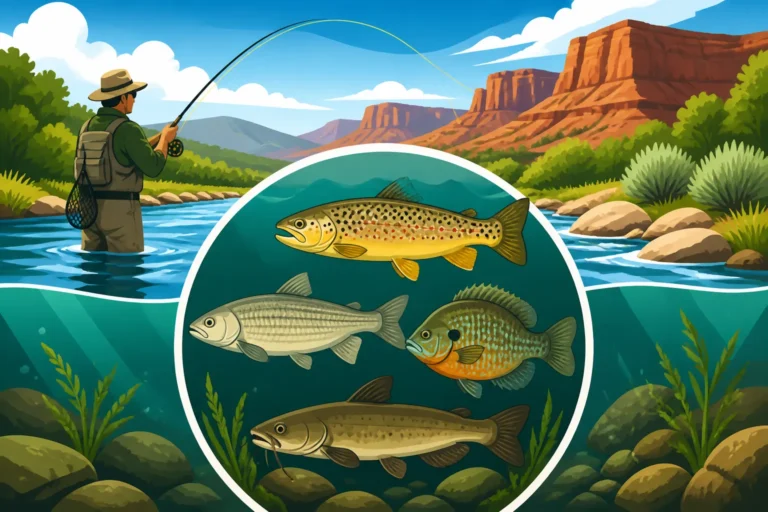
If there's one fish that absolutely loves New Mexico's summer heat, it's the channel catfish. These whiskered beauties are incredibly tolerant of warm water and often become more active as temperatures rise. They're scavengers and opportunistic feeders, and the summer months see them prowling the bottoms of reservoirs and slow-moving rivers in search of a meal. You'll find them in places like Elephant Butte Lake, Conchas Lake, and even the larger sections of the Rio Grande. They're not picky, which makes them fantastic targets for anglers of all skill levels.
During the daytime heat, catfish will often hang out in deeper holes or near submerged structures like old creek channels, brush piles, or rock formations, seeking slightly cooler water and cover. But as evening approaches and the water surface begins to cool, they'll often move into shallower flats and coves to feed aggressively. Night fishing for channel catfish is a summer tradition for many New Mexico anglers, offering a reprieve from the sun and often leading to some of the biggest catches. Simple bottom rigs with smelly baits like punch bait, chicken livers, or cut bait are incredibly effective. You can find robust catfish rigs and strong line on platforms like Amazon that will handle these feisty fighters. Catfish Limit in New Mexico is generous, making them a great target for those who enjoy a fish fry.
Largemouth Bass
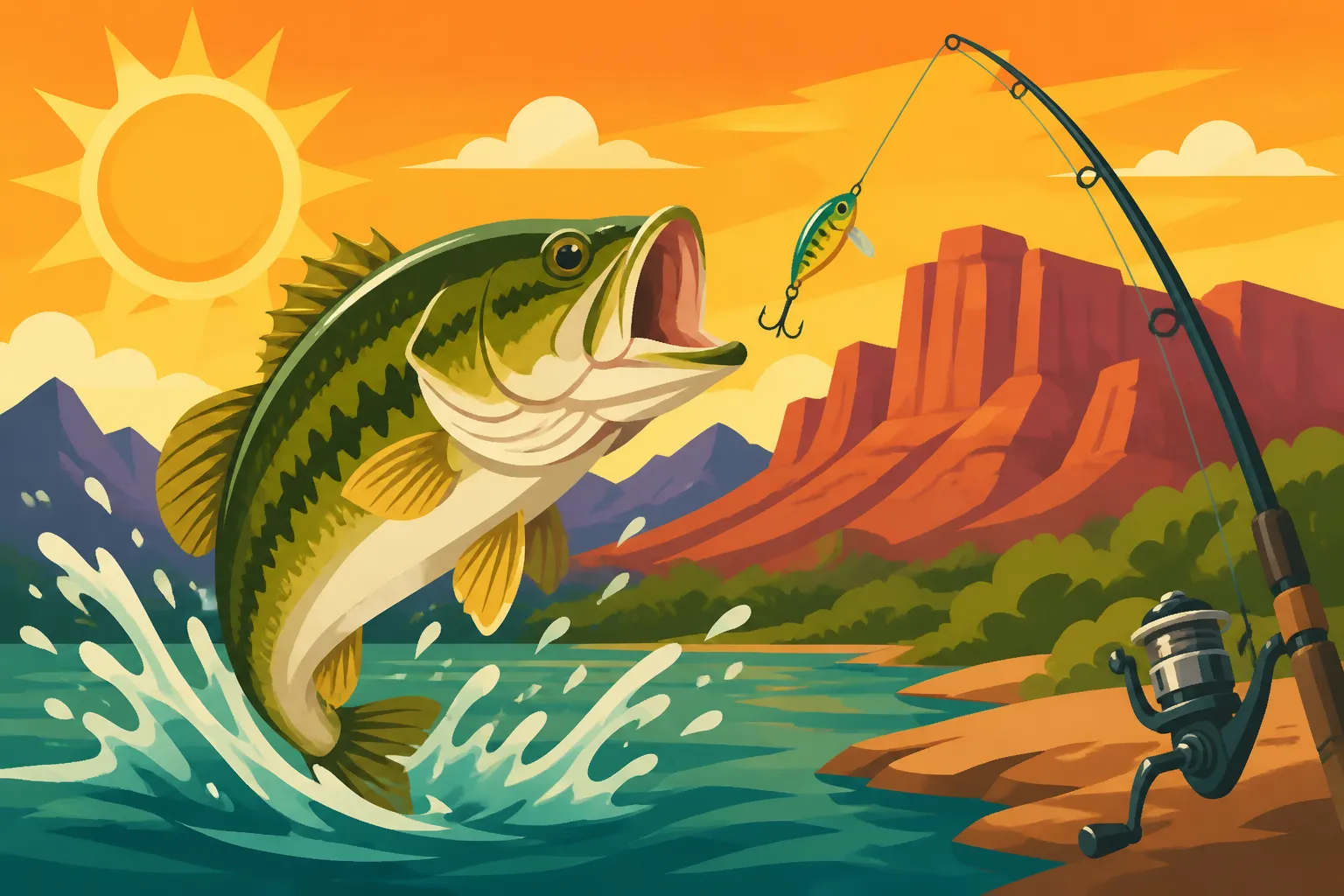
Ah, the largemouth bass! While they might get a bit lethargic during the absolute hottest part of the midday sun, largemouth bass are definitely one of New Mexico's top summer game fish. They are powerhouses that thrive in the warmer water temperatures of our reservoirs and larger ponds. Lakes like Elephant Butte, Ute Lake, and Cochiti Lake are prime largemouth territory, and summer often brings some explosive topwater action during the low-light hours.
Their summer strategy is all about shade and structure. During the day, you'll find them tucked under docks, alongside submerged timber, in dense weed beds, or hovering over deep drops. They're ambush predators, so they'll use any available cover to launch an attack on unsuspecting prey. Early mornings and late evenings are absolute magic for largemouth bass. Throwing topwater lures like poppers, frogs, or walking baits near cover can elicit heart-stopping strikes. As the sun climbs, switch to soft plastics like Texas-rigged worms or jigs fished slowly along the bottom of deeper cover. Remember to be patient and work your lures meticulously through their hiding spots.
Striped Bass
For those looking for a real fight in the New Mexico summer, the striped bass is your answer, particularly in a reservoir like Elephant Butte Lake. These oceanic transplants have adapted incredibly well to landlocked life and become powerful, hard-fighting predators that remain active through the summer months. Unlike some other species, stripers tend to tolerate higher water temperatures quite well, though they will certainly seek out comfortable zones.
In summer, stripers at Elephant Butte often school up and cruise open water, chasing baitfish like shad. They can be found deeper during the brightest parts of the day, sometimes suspending over vast open areas, making a good fish finder invaluable. As the sun begins to set or rise, they'll often push baitfish to the surface, creating thrilling "boils" where you'll see them crashing the surface. Trolling with deep-diving crankbaits or bucktail jigs can be very effective for locating schools. When you find a school, casting swimbaits, spoons, or topwater lures into the melee can lead to incredible action. Always be mindful of New Mexico Fishing Regulations Overview for these powerful fish.
Crappie
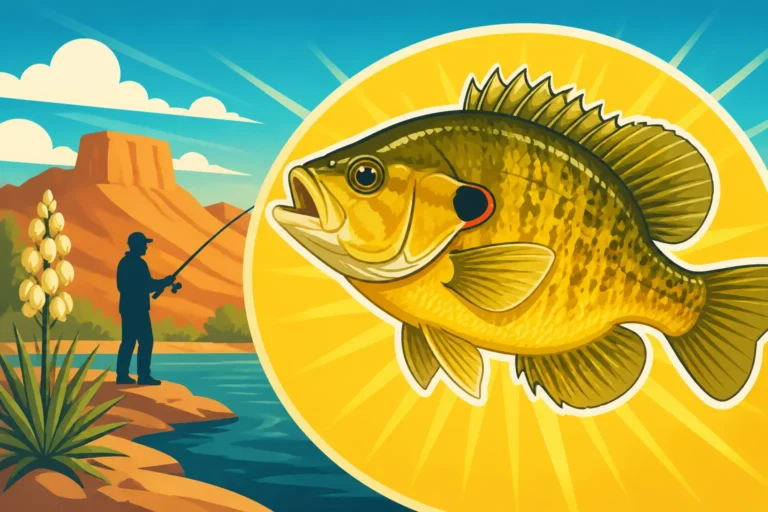
Often overlooked in the scorching summer, crappie can offer some surprisingly good fishing if you know where to look. These panfish are known for their delicious fillets and can be found schooling up in many of New Mexico's warmer lakes and reservoirs, including Conchas Lake, Ute Lake, and Sumner Lake. While they might be a bit pickier than catfish, figuring out their summer patterns can lead to a cooler full of tasty fish.
During the heat of summer, crappie generally migrate to deeper water, often suspending around submerged brush, timber, or artificial fish attractors. They seek out these structures for cover and to ambush smaller baitfish. The key to summer crappie is precision. Using small jigs tipped with minnows or soft plastic crappie baits, you'll want to slowly present your offering at the depth where they're holding. A fish finder becomes incredibly useful here, allowing you to pinpoint schools and the structure they're relating to. Early mornings and late evenings can also see them moving slightly shallower, but generally, deep water structure is your best bet for consistent summer crappie action.
Essential Summer Fishing Strategies for Success
Okay, so we know which fish are biting. Now, let's talk about how to catch them when the mercury is climbing. Summer fishing isn't just about enduring the heat; it's about employing smart strategies that leverage the fish's natural reactions to warm water and high temperatures. Adjusting your timing, knowing where to look, and selecting the right bait are paramount.
Timing Your Attacks
This is perhaps the single most critical factor for summer fishing success in New Mexico. Forget the lazy midday hours – that's when the sun is at its fiercest, driving most active fish deep or into heavy cover where they become difficult to coax out. Instead, become a creature of the dawn and dusk.
- Early Mornings: Before the sun fully clears the horizon and starts baking the water, the surface temperatures are at their coolest, and dissolved oxygen levels are typically higher. This is prime feeding time for many species, including largemouth bass, crappie, and even some warmer-water trout in deeper sections of lakes. Getting to your spot before first light and fishing for the first few hours of the day can be incredibly productive. You'll often find fish shallower and more willing to strike.
- Late Evenings: As the sun dips below the horizon, the air cools, and the water starts to lose some of its heat. Fish that were deep during the day will often move shallower to feed. The period from an hour before sunset until total darkness can be fantastic, especially for bass and crappie.
- Night Fishing: This is where summer fishing truly shines for certain species, especially channel catfish and even some striped bass. The water is at its coolest, the pressure from other anglers is often minimal, and many species become bolder under the cover of darkness. Arm yourself with a good headlamp (available on Amazon) and glow-in-the-dark baits, and be prepared for some unforgettable angling experiences. Best Spots for Night Fishing in New Mexico are often found in our large reservoirs.
Locating Heat-Resistant Fish
Knowing the general behavior of warm-water species is one thing; pinpointing their exact hiding spots is another. In summer, fish become far more selective about their location, prioritizing cooler temperatures, higher oxygen, and protection from predators.
- Deep Water: This is the most obvious strategy. Lakes and reservoirs stratify in summer, with a thermocline forming where cooler, denser water lies beneath warmer surface water. Many fish will suspend at or just below this thermocline, or hug the bottom in deeper sections where the water is consistently cooler. Using a quality fish finder is almost essential for efficiently locating these deep-water schools.
- Shade and Cover: Look for anything that casts a shadow on the water. Overhanging trees, docks, bridge pilings, steep rock walls, and even floating debris can provide crucial shade. Bass and crappie will often tuck tightly into these areas, waiting for prey. Pitching baits accurately into these shaded pockets can trigger strikes. Best Bank Fishing Spots on Elephant Butte Lake often include areas with natural or artificial shade.
- Current Breaks: In rivers and tailwaters, current is your friend. Moving water is often more oxygenated. However, fish won't fight a strong current constantly. Instead, they'll position themselves out of the main current, behind rocks, logs, or in eddies, where they can expend less energy while still having access to food brought by the flow. These current breaks can be hotspots for catfish and other river species.
Bait and Lure Choices for Warm Water
With fish metabolism high and appetites keen (when you find them), summer is a great time to experiment with a variety of baits and lures. The key is often to present something that stands out or mimics the abundant forage of the season.
- For Catfish: As mentioned, smelly baits are king. Prepared stink baits, punch baits, chicken livers, and cut shad or carp are all excellent choices. Worms, particularly nightcrawlers, are also always reliable.
- For Largemouth Bass: Topwater lures (frogs, poppers, walking baits) during low light are thrilling. For deeper water or heavy cover, Texas-rigged plastic worms, creature baits, and jigs are workhorses. Crankbaits that dive to the appropriate depth can also be highly effective for covering water and finding active fish. Best Lures for New Mexico Bass offers more detailed options.
- For Striped Bass: Live shad (if legal and available) are phenomenal, but artificials like swimbaits (soft or hard), spoons, bucktail jigs, and large topwater plugs can provoke aggressive strikes. Trolling spoons or deep-diving crankbaits is a great search pattern.
- For Crappie: Small jigs (1/32 to 1/8 ounce) tipped with soft plastic bodies (like tubes, grubs, or small minnow imitations) or live minnows are hard to beat. Bright colors like chartreuse, pink, and white often work well, especially in stained water.
Gear and Safety for Hot Weather Angling
Beyond just the fishing techniques, preparing for the New Mexico summer heat also means thinking about your personal comfort and safety. The sun can be relentless, and staying hydrated and protected is not just a good idea—it's absolutely essential.
Hydration and Sun Protection
I can't stress this enough: hydrate, hydrate, hydrate! Even if you don't feel thirsty, keep sipping water or electrolyte drinks. Dehydration can creep up on you quickly in our arid climate and high altitudes. Bring more water than you think you'll need, and consider a quality insulated cooler to keep it icy cold throughout your trip.
Sun protection is equally vital.
- Clothing: Opt for lightweight, long-sleeved shirts made from breathable, UV-protective fabric. Light colors reflect the sun's rays better. Long pants, even lightweight ones, can save your legs from sunburn.
- Headwear: A wide-brimmed hat offers far more protection than a baseball cap, shielding your ears and neck.
- Sunglasses: Polarized sunglasses are a game-changer. They reduce glare off the water, helping you spot subtle bites and even see fish holding near structure. You can find excellent options for all these items on Amazon.
- Sunscreen: Apply a broad-spectrum, high-SPF sunscreen liberally and reapply frequently, especially if you're sweating or getting wet. Don't forget often-missed spots like the tops of your ears and the back of your neck.
Essential Warm-Water Gear
Having the right tackle for summer-biting fish makes a huge difference. You want gear that can handle strong fighters and versatile enough to present different baits effectively.
- Rods and Reels: For catfish, a medium-heavy spinning or baitcasting rod (6.5 to 7.5 feet) with a sturdy reel spooled with 15-25 pound mono or braided line is ideal. For bass, a medium to medium-heavy fast-action rod with a baitcasting or spinning reel spooled with 10-17 pound fluorocarbon or braid is a good all-around choice. Stripers often require even heavier tackle, with stout rods and reels capable of handling powerful runs. Crappie fishing benefits from lighter, sensitive rods and small spinning reels spooled with 4-6 pound monofilament or braid. Best Rod Setup for New Mexico Trout Fishing might not apply here, but rods for warm water species are generally more powerful.
- Line: Fluorocarbon leader material is excellent for bass and stripers due to its low visibility and abrasion resistance. Braided line offers superior sensitivity and strength, particularly when fishing deeper water or heavy cover.
- Tackle Box Essentials: Beyond your species-specific baits, make sure you have:
- Plenty of hooks (circle hooks for catfish are great for reducing gut hooks).
- Various weights (bullet weights for Texas rigs, slip sinkers for catfish).
- Swivels and snaps.
- Pliers for hook removal.
- A landing net, especially for larger fish. A rubberized net is best for catch and release.
- A small first-aid kit for minor scrapes and hook punctures.
- A strong cooler for keeping your catch fresh, if you plan to keep fish.
Here's a quick overview of some of the best summer heat biting fish:
| Fish Species | Preferred Summer Time | Key Summer Locations | Effective Baits/Lures | Notes |
|---|---|---|---|---|
| Channel Catfish | Evening, Night, Early AM | Deep holes, submerged channels, river bends, coves | Stink bait, chicken liver, cut bait, worms | Very tolerant of heat, prolific night feeders |
| Largemouth Bass | Early AM, Late PM, Night | Shade, submerged timber, weed beds, deep drops | Topwater, jigs, plastic worms, crankbaits | Seek ambush points, active during low light |
| Striped Bass | Early AM, Late PM, All Day | Open water (deep), chasing baitfish in schools | Live shad, swimbaits, spoons, bucktail jigs | Powerhouses, actively chase schools of bait |
| Crappie | Early AM, Late PM | Deep brush piles, timber, artificial attractors | Small jigs (plastic or live minnows) | Schooling fish, require precise depth targeting |
Remember, New Mexico offers fantastic fishing year-round, and summer is no exception if you adjust your tactics. Stay safe, stay hydrated, and enjoy the thrill of the chase under the vast New Mexico sky!
Disclaimer
This article is for general informational purposes only and does not constitute professional advice. Laws, prices and regulations vary by location and change over time. Consult a qualified professional for guidance on your specific situation.