Fish You Can Keep Without a Limit in New Mexico
One of the most common questions I hear from fellow anglers, especially those new to the waters of the Land of Enchantment, is about bag limits. We all want to know what we can keep, and how much, when we finally land that prized catch. But sometimes, it's not about the limit, but the lack of one, particularly when it comes to certain species that play a different role in New Mexico's diverse aquatic ecosystems. This guide is all about those species you can keep without a specific daily bag or possession limit, giving you the freedom to fish and harvest to your heart's content, while also understanding why these rules are in place.
Understanding the "No Limit" Philosophy: Conservation and Ecosystem Balance
It might seem counterintuitive to have no limit on certain fish species, especially when we're so used to strict regulations for trout, bass, and walleye. However, this approach is a crucial part of fishery management in New Mexico. It's often about balancing the ecosystem, protecting native species, and even improving the fishing experience for other, more regulated game fish.
The Role of Non-Native and Prolific Species
Many of the fish you can keep without a limit in New Mexico are non-native species, meaning they weren't originally found in these waters. They were introduced, sometimes intentionally for food or sport, and other times accidentally. These species can sometimes outcompete native fish for food and habitat, or even prey on them, disrupting the natural balance. When a species is identified as potentially harmful or overly dominant in a particular ecosystem, wildlife agencies might encourage unlimited harvest to help manage their populations.
Think about it: if an introduced species starts taking over a prime feeding ground that native Rio Grande Cutthroat Trout in New Mexico or healthy populations of Gila Trout in New Mexico need to thrive, encouraging anglers to remove as many of the invasive fish as possible becomes a valuable tool. It's not just about catching fish; it's about being an active participant in conservation.
Managing Overpopulation and Habitat Strain
Some fish species are incredibly prolific breeders. They can reproduce rapidly and in large numbers, quickly leading to overpopulation in certain water bodies. When a fish population explodes, it can strain the available food resources and habitat, leading to stunted growth for all fish in that water, including desirable game species. Overpopulation can also degrade water quality as more fish consume oxygen and produce waste.
By allowing unlimited harvest of these fast-breeding species, anglers help thin the ranks, which can lead to healthier, larger fish for all species in that particular lake or river. It's a natural form of population control, where the anglers become a key part of maintaining the ecological health of the waterway. This approach supports the overall health and diversity of the aquatic environment.
Anglers as Active Participants in Ecosystem Health
When you head out with your rod and reel, you're not just enjoying a hobby; you're also a vital part of New Mexico's conservation efforts. For species with no bag limit, your decision to keep your catch directly contributes to managing populations that might otherwise negatively impact the ecosystem. This hands-on involvement transforms a simple fishing trip into a meaningful act of stewardship.
This philosophy is particularly strong in certain areas where state agencies are actively working to restore native fish populations. By removing non-native competitors, anglers help create a clearer path for native species to recover and flourish. It’s a win-win: you get to take home plenty of fish, and the environment benefits from your efforts.
The Stars of the "No Limit" Show: Common Species You Can Keep Indefinitely
New Mexico's waters are home to several fish species that currently have no statewide bag or possession limit. These are often hearty, adaptable fish that can be found in a variety of habitats. While they might not always be the glamorous "trophy" fish, they offer consistent action and can be quite delicious when properly prepared.
Common Carp
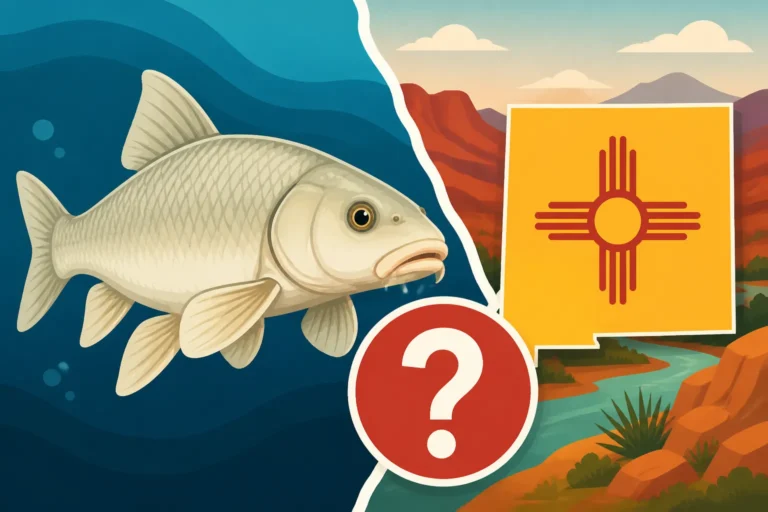
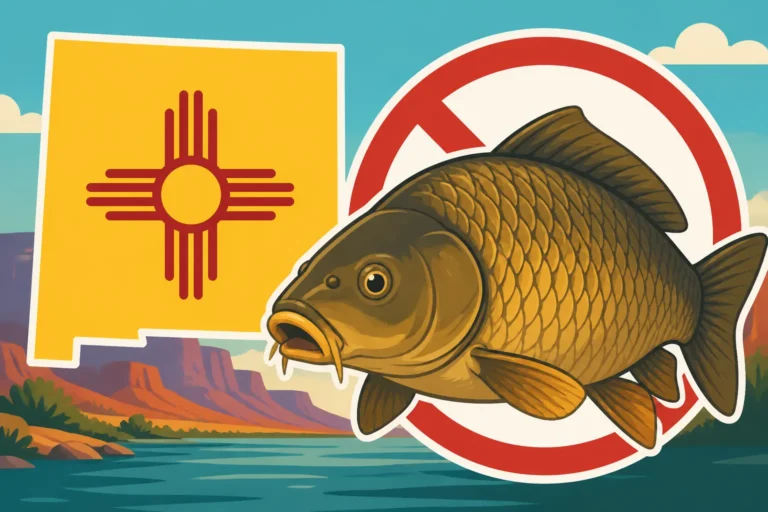
The Common Carp (Cyprinus carpio) is perhaps the quintessential "no limit" fish across much of the United States, and New Mexico is no exception. These large, robust fish are non-native and can be found in almost any warm or cool water body, from slow-moving rivers like sections of the Rio Grande to large reservoirs like Elephant Butte Lake and small ponds. They are bottom-feeders, often rooting around in the substrate, which can stir up sediment and sometimes contribute to turbidity.
Carp are incredibly strong fighters, making them a blast to catch on appropriate gear. They're also quite intelligent and can be challenging to hook, requiring a bit of finesse despite their size. Many anglers use dough balls, corn, or even specialized carp baits available on Amazon for these big guys. While often overlooked as table fare in North America, carp are a delicacy in many cultures worldwide. Properly cleaned and cooked, they can be a tasty and sustainable protein source. Their prolific nature means that removing them can help alleviate pressure on habitat for other species.
White Sucker
The White Sucker (Catostomus commersonii) is another common bottom-feeder that often finds itself on the "no limit" list in New Mexico. These native fish, identifiable by their thick lips and downward-facing mouth adapted for sucking food from the bottom, are widespread throughout many of the state's rivers and streams, particularly in the northern and central regions. While native, their populations can sometimes become very dense, especially in certain habitats.
Suckers are generally less sought after by sport anglers than carp, but they can be caught using small baits like worms or corn fished on the bottom. They don't offer the same spirited fight as a carp or a trout, but they are an abundant species that can provide continuous action, which is perfect for a relaxed day of fishing or for introducing kids to the sport. While bony, many people enjoy their firm, white flesh, especially when smoked or fried. Removing suckers can help open up food resources for other native fish like trout.
Tilapia
While not as widespread as carp or suckers, Tilapia species (like the Mozambique Tilapia) can occasionally be found in specific, warmer water bodies in New Mexico, particularly those influenced by warm water discharges or springs. These are non-native species that are highly adaptable and prolific, and when they establish a foothold, they can reproduce rapidly. Their presence in New Mexico is often due to accidental releases from aquaculture operations or private ponds.
Tilapia are primarily herbivorous, feeding on algae and aquatic plants, but they can also consume insects and small invertebrates. They can compete with native warmwater fish species for food and space, and their rapid reproduction can quickly lead to overpopulation and stunted growth. Anglers can target tilapia with small hooks and baits like corn, worms, or even tiny pieces of bread. They are excellent eating fish, with mild, flaky white meat, making them a popular choice for the table. If you find yourself in a water body with tilapia, feel free to keep as many as you like!
Other Rough Fish and Baitfish Species
Beyond these more prominent examples, there are several other less-glamorous "rough fish" or baitfish species that typically fall under the no-limit category. These often include various shiner species, common minnows, and certain types of chubs. These smaller fish are vital parts of the food chain, serving as forage for larger game fish. However, when their populations explode, they can sometimes consume resources that game fish also rely on, or they can simply be so abundant that they crowd out other species.
Anglers might encounter these smaller species while targeting other fish, or they might specifically target them for use as bait (where legal and appropriate according to New Mexico Fishing Regulations Overview). While generally not considered table fare due to their small size, their abundance means they can offer constant action for light tackle or for children learning to fish. Always check the current regulations for any specific body of water, as some local exceptions or rules regarding baitfish use might apply.
Important Considerations When Fishing for Unlimited Species
While the idea of "no limit" might sound like a free-for-all, there are still important aspects to consider. Responsible angling, correct identification, and awareness of local rules are paramount, even when targeting species without a specific bag limit.
Identifying Your Catch Correctly
This is absolutely crucial. Just because you're targeting fish without a limit doesn't mean you can be careless about what you're actually pulling out of the water. Misidentifying a regulated game fish as a "no limit" species can lead to serious penalties, including fines and license suspension. For example, catching a large New Mexico Statewide Bag Limit for Walleye and mistaking it for a carp could be a very costly mistake!
Always carry a current copy of the New Mexico Fishing Regulations Overview or have access to the digital version on your phone. Take the time to learn the distinguishing features of the fish species you might encounter. Look at fin shapes, mouth positions, body patterns, and colors. If you are unsure, it is always best to err on the side of caution and release the fish if you cannot confidently identify it as a species with no limit. A quick search on your phone for "New Mexico Fish Species identification" before your trip can save a lot of headaches.
Local Regulations and Exceptions
While we're discussing statewide "no limit" designations, it's vital to remember that specific water bodies can have their own unique regulations. A lake or river might have special management zones, or be undergoing a particular restoration project, that could temporarily alter rules for even typically unlimited species. For instance, a small, sensitive pond might have restrictions on even "rough fish" to protect a recovering native population.
Before you cast a line, especially in a new location, always, always consult the most recent regulations booklet from the New Mexico Department of Game and Fish. You can often find these online or at local tackle shops and vendors that sell New Mexico Fishing License Cost Breakdown for First-Time Buyers. This information will detail any specific exceptions or rules that supersede the general statewide guidelines for species like carp, suckers, or tilapia. Ignoring these local nuances is a common mistake that can lead to unintentional violations.
Ethical Angling and Handling
Even with no bag limit, ethical angling practices remain important. This means not wasting fish, and if you plan to keep a large number, ensuring you have a proper way to store and transport them. A good cooler with plenty of ice, perhaps even one you can find on Amazon, is essential to keep your catch fresh for consumption. It's a sign of respect for the resource to utilize what you harvest.
If you are releasing any fish, even the "no limit" ones you've decided not to keep, strive to do so with minimal harm. Use appropriate tackle to land them quickly, handle them gently with wet hands, and release them into the water promptly. While these species are resilient, quick and careful handling helps ensure their survival if they are to be returned to the water. Catch and Release Best Practices in New Mexico apply to all fish you intend to release, regardless of bag limit status.
Equipment for Rough Fish
You don't need fancy gear to target most of the no-limit species. In fact, simple, robust setups are often best. For carp and larger suckers, a medium-heavy spinning rod or baitcasting setup with 8-15 lb test line is usually sufficient. Since they are bottom feeders, a Carolina rig or a simple slip-sinker rig with a single hook is highly effective. You'll often be using baits like corn, bread, or worms, making it a very accessible and inexpensive form of fishing.
For smaller suckers or tilapia, a light action rod with 4-6 lb test line and smaller hooks (#6 or #8) will work well. Again, simple bottom rigs with small pieces of worm or corn will usually do the trick. A good Beginner Fishing Gear Checklist for New Mexico would definitely include items suitable for targeting these accessible species, which can provide a lot of fun and practice for novice anglers. Don't be afraid to experiment with different baits and presentations to see what works best in your chosen waterway.
Maximizing Your Experience: Beyond Just Keeping Fish
Fishing for species with no bag limit offers a unique opportunity to enjoy the sport in a different way. It’s about more than just filling a cooler; it’s about honing skills, providing food, and even contributing to the health of New Mexico’s aquatic environments.
Culinary Potential of "No Limit" Fish
Don't let the "rough fish" label fool you – many of these species, particularly carp and tilapia, are excellent eating. Carp have firm, somewhat sweet meat, though it can be bony. However, there are many traditional preparation methods, such as scoring the fillets deeply before frying or baking, or grinding the meat for patties, that make them delicious. Tilapia are highly prized globally for their mild, white, flaky flesh and can be prepared in countless ways, from pan-fried to baked or grilled. Even suckers, though bony, can be very good when smoked or processed into fish cakes.
Exploring the culinary potential of these abundant species can add an exciting dimension to your fishing trips. It’s a sustainable way to put food on the table, reducing pressure on more popular, regulated game fish. There's a real satisfaction in catching, cleaning, and cooking a meal from fish you harvested without restriction.
Introducing Kids to Fishing
Species with no bag limits are often some of the easiest and most plentiful fish to catch, making them ideal targets for introducing children to the joys of fishing. Kids often thrive on action, and the consistent bites that carp, suckers, or panfish can provide keep them engaged and excited. You don't need highly specialized techniques or expensive gear, just some basic bait, a simple rod and reel, and a patient attitude.
Taking a child out to target these species teaches them fundamental fishing skills: baiting a hook, casting, feeling a bite, and reeling in a fish. It also instills an appreciation for nature and the food chain. Best Fish Species to Target With Kids often includes these abundant, eager biters because they guarantee a good time and build confidence. Plus, the lesson about how some fish help balance the ecosystem can be a great early introduction to conservation.
Contributing to the Ecosystem
Every time you harvest a non-native or overpopulated species without a limit, you are directly contributing to the health and balance of New Mexico's aquatic ecosystems. It's a tangible way to participate in conservation efforts. Your efforts help reduce competition for food and habitat, alleviate predation pressure on native fish, and can even improve water quality by managing fish populations that stir up sediment.
So, the next time you're out on the water and hook into a big carp or a tenacious sucker, remember that you're not just fishing; you're playing an important role in preserving the natural beauty and biodiversity of New Mexico's waters. It’s a powerful feeling to know your passion for angling aligns with important ecological goals.
Here’s a quick overview of some common "no limit" fish in New Mexico:
| Species | Typical Habitat | Common Methods/Baits | Notes |
|---|---|---|---|
| Common Carp | Rivers, reservoirs, ponds (warm/cool) | Dough balls, corn, worms, boilies | Strong fighters, can grow large, good table fare if prepared well. |
| White Sucker | Rivers, streams, lakes (cool/cold) | Worms, corn, small jigs | Bottom feeder, firm white flesh, can be bony. |
| Tilapia | Warm water discharges, specific ponds | Small worms, corn, bread | Excellent table fare, found in limited warm water locations. |
| Gizzard Shad | Reservoirs, slow rivers (warm) | Often caught accidentally or cast-netted | Primarily a forage fish for larger predators. |
| Golden Shiner | Ponds, slow rivers | Small pieces of worm, bread | Often used as baitfish where legal. |
This table provides a general guide, but remember that fish behavior and preferences can vary by specific location and time of year. Always be flexible with your approach!
Disclaimer
This article is for general informational purposes only and does not constitute professional advice. Laws, prices and regulations vary by location and change over time. Consult a qualified professional for guidance on your specific situation.