Best Waders for New Mexico Rivers
There’s nothing quite like the feeling of stepping into a crisp New Mexico river, the cool water swirling around your legs as you cast your line. But let's be honest, that idyllic image can quickly turn into a shivering nightmare if you're not wearing the right gear. Many anglers have experienced the misery of leaky seams or ill-fitting waders that chafe, restrict movement, or simply can't stand up to the rugged terrain and varying conditions of our beloved Land of Enchantment. This guide is here to help you navigate the often overwhelming world of waders, ensuring you find the perfect pair to keep you dry, comfortable, and focused on landing that next trophy, no matter where your New Mexico fishing adventures take you.
Understanding New Mexico's Diverse River Environments
New Mexico is a land of incredible contrasts, and its rivers are no exception. From the icy, gin-clear tailwaters fed by deep reservoirs to warmer, meandering desert flows and steep, rocky mountain streams, each environment presents unique challenges for your wading gear. Choosing the best waders isn't a one-size-fits-all proposition here; it’s about matching your gear to the specific waters you love to fish.
The San Juan River: Cold, Clear Tailwaters and Technical Wading
If you've ever fished the renowned San Juan River Fishing Guide below Navajo Dam, you know exactly what I'm talking about. This world-class trout fishery is famous for its consistently cold water temperatures, which hover around 40-50 degrees Fahrenheit year-round. You could be fishing in August, and that water will still feel like it's fresh off the ice caps! This means warmth and insulation are paramount. Beyond the cold, the San Juan's bottom can be notoriously slick, covered in a fine layer of algae-coated rocks. A good grip from your wading boots, paired with breathable but insulating waders, is non-negotiable for safety and comfort here.
Wading here isn't about charging through deep currents; it’s often about careful, deliberate steps in knee to waist-deep water, especially in the Quality Waters section. Breathability in your waders is still critical, even in cold water, because you'll be exerting yourself, walking the banks, and casting. Sweating inside waterproof gear is just as miserable as getting wet from the outside. You need a wader that can manage both internal moisture and external cold.
High-Mountain Streams and Wilderness Trekking
Venturing into New Mexico's high country, whether it's the Pecos Wilderness, the Gila National Forest, or parts of the Carson National Forest, brings a whole new set of considerations. Here, you might be hiking for miles to reach a pristine, wild trout stream. The waters are often shallower, clearer, and the terrain surrounding them can be steep, rocky, and covered in thorny bushes. Your waders need to be tough – I mean, really tough – to resist punctures and abrasions from scrambling over rocks and pushing through dense riparian vegetation.
Lightweight and packable designs are a huge plus for these backcountry excursions. Every ounce counts when you're carrying your gear miles into the wilderness. While the water might not be as consistently frigid as the San Juan, sudden drops in temperature, especially at higher elevations or when shaded by canyon walls, can make lightweight waders feel inadequate if they lack proper layering capabilities underneath. The ability to layer effectively under your waders is key for comfort in these fluctuating conditions.
Warmer, Broader Rivers: The Rio Grande and Pecos
Then there are the broader, often warmer rivers like sections of the Rio Grande or the Pecos River, especially in their lower stretches. These waters might not hold the same intense cold as the San Juan or the high-mountain streams, particularly during the warmer months. Here, extreme breathability becomes the absolute top priority. You're less concerned with hypothermia and more worried about sweating through your layers and ending up feeling clammy and uncomfortable in the heat.
The banks of these rivers can also be quite different. You might be wading through soft mud flats, negotiating slippery clay bottoms, or pushing through thick reeds and tall grasses. Durability is still important for resisting snags, but the emphasis shifts slightly towards ventilation and ease of movement in warmer air temperatures. Many anglers might even opt for wading pants or hip waders in these conditions if they know they won't be venturing into deeper currents.
Key Features to Look for in New Mexico Waders
When you’re staring at a wall of waders, the choices can feel overwhelming. Let’s break down the most critical features you should consider, keeping New Mexico's diverse fishing environments firmly in mind. These decisions will greatly impact your comfort, safety, and ultimately, your enjoyment on the water.
Material Matters: Breathability vs. Durability
The material of your waders is perhaps the most important choice you'll make. Historically, rubber and neoprene were the go-to, but modern advancements have introduced breathable fabrics that have revolutionized the game.
Breathable Waders (e.g., Gore-Tex, proprietary blends): These are the gold standard for most New Mexico fishing. Materials like Gore-Tex or various proprietary "waterproof-breathable" fabrics are designed with microscopic pores that are too small for water molecules to pass in, but large enough for water vapor (sweat) to pass out. This technology is a game-changer, especially during warm weather or when you're hiking a lot between fishing spots. You stay dry from the inside out, preventing that clammy, uncomfortable feeling. While they might feel thinner than neoprene, their ability to regulate temperature by allowing moisture to escape makes them far more versatile. For the San Juan River, these are excellent when paired with appropriate insulating layers underneath, as they prevent overheating during exertion while still allowing for warmth when layered correctly. Brands like Simms and Orvis excel in this category, and you can often find a good selection on Amazon or through specialty retailers like Bass Pro Shops.
Neoprene Waders: Neoprene offers excellent insulation, making it fantastic for truly frigid conditions, such as ice fishing or early spring fishing in very cold high-elevation lakes. It's essentially a wetsuit for your legs. The downside is breathability – or the distinct lack thereof. If you're hiking even a short distance or fishing on a sunny day, you'll quickly become a sweaty mess inside neoprene waders, which can then lead to feeling even colder when you stop moving. They're also bulkier and can restrict movement more than breathable fabrics. While they have their niche for specific, extreme cold scenarios, they aren't the best all-around choice for the varied conditions found across New Mexico's rivers unless warmth is your absolute sole priority and you're not moving much.
Here's a quick comparison:
| Feature | Breathable Waders | Neoprene Waders |
|---|---|---|
| Primary Benefit | Excellent breathability, keeps you dry and comfortable during exertion | Superior insulation, keeps you warm in frigid conditions |
| Material | Multi-layer membranes (e.g., Gore-Tex, proprietary laminates) | Closed-cell foam (synthetic rubber) |
| Comfort | Lightweight, flexible, allows layering, less clammy | Heavier, bulkier, can cause sweating, restricts movement |
| Durability | Good, but some thinner models susceptible to punctures if not careful. Higher denier fabrics are tougher. | Very durable, puncture-resistant, good for brushy areas |
| Best Use NM | Most river fishing (San Juan, high-mountain, warmer rivers) | Extreme cold, ice fishing, stationary cold-weather bank fishing |
| Price Range | Generally higher | Generally lower |
Bootfoot vs. Stockingfoot: Which is Right for You?
This is another crucial decision that impacts comfort, performance, and versatility.
Stockingfoot Waders: These waders end in a neoprene "sock" rather than a built-in boot. They are designed to be worn with separate wading boots. This setup offers several distinct advantages. First, you can choose specialized Wading Boots for New Mexico's San Juan River that fit your feet perfectly and provide superior ankle support, crucial for navigating uneven or slick river bottoms. You can also customize your sole type (felt, rubber, studded) to the specific terrain you'll be fishing. Secondly, separate boots tend to dry faster and are easier to clean, which is important for preventing the spread of aquatic invasive species. Lastly, the combination is often more comfortable for long walks or hikes to remote fishing spots, as you're wearing boots designed for walking. For most active anglers in New Mexico, especially those targeting the San Juan or hiking into mountain streams, stockingfoot waders are the preferred choice.
Bootfoot Waders: As the name suggests, these waders have the boots permanently attached. The primary benefit here is convenience: no separate boots to deal with, and it's quicker to get in and out of. They also tend to be warmer in truly cold conditions, as there are fewer seams for water to potentially seep through and the integrated boot provides insulation. However, bootfoot waders usually offer less ankle support, and the boots themselves are often generic and less comfortable for extended walking or difficult terrain. They can also be bulkier to pack. While some older anglers or those who only fish very close to their vehicle in consistently cold conditions might prefer bootfoot waders, they are generally less versatile and comfortable for the average New Mexico angler who might be covering ground.
Fit, Comfort, and Mobility: Don't Compromise
You might be spending hours, or even entire days, in your waders. An ill-fitting pair can quickly ruin a trip.
Proper Fit: Waders should fit comfortably over your base layers without being baggy to the point of impeding movement, or so tight that they restrict blood flow or pull at seams. Too much excess material can bunch up, creating abrasion points or getting caught on obstacles. Too tight, and you risk stressing seams and making movement uncomfortable. Pay close attention to the inseam length, chest circumference, and foot size (for stockingfoot waders, this corresponds to the neoprene sock size). Most manufacturers offer sizing charts that factor in height, weight, and shoe size. When trying them on, wear the layers you’d typically wear while fishing.
Comfort Features: Look for adjustable suspenders that don't dig into your shoulders, and a wading belt to secure the waders around your waist. A good wading belt is not just for comfort; it's a critical safety feature. In the event of a fall in deep water, it helps prevent your waders from filling completely with water, which can be extremely dangerous. Pockets, hand-warmer pockets, and attachment points for tools are also huge comfort and convenience bonuses. Some waders even offer a "convertible" top that allows you to roll them down to waist height for warmer conditions, effectively turning them into wading pants when deep wading isn't required.
Mobility: Especially when navigating varied terrain, scrambling up banks, or making long casts, you need waders that move with you, not against you. Articulated knees, gusseted crotches, and flexible materials contribute to better mobility. The goal is to feel unhindered, allowing you to focus on the fishing, not on wrestling with your gear. Good mobility is particularly important when you’re dealing with river currents, where quick, stable movements are essential for safety, and also for minimizing fatigue over a long day.
Types of Waders Best Suited for New Mexico Fishing
Given New Mexico's diverse fishing opportunities, it's helpful to understand the different styles of waders available and when each might be your best bet. While chest waders are often the go-to, there are situations where other options shine.
Chest Waders: The Versatile All-Rounder
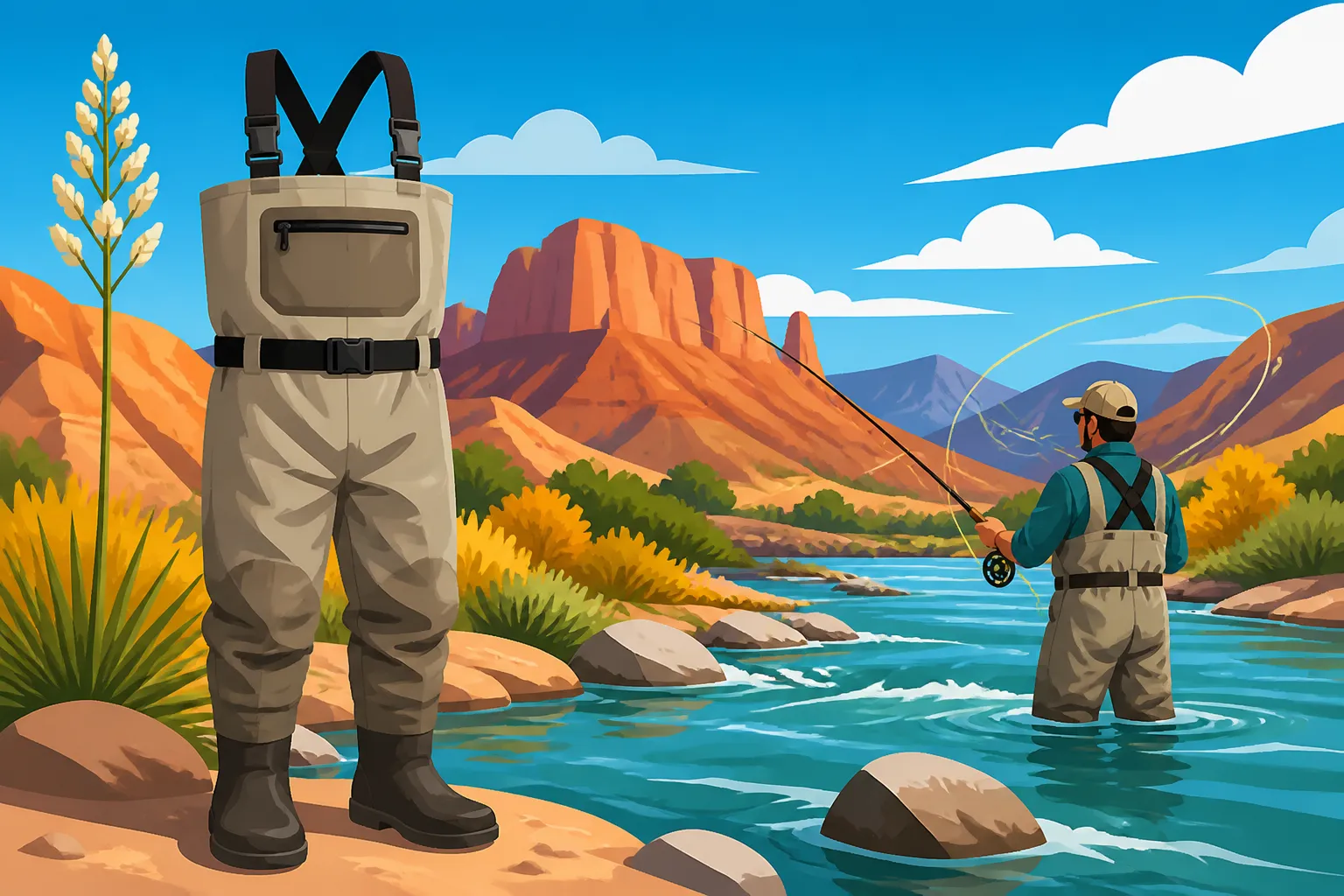
When most people think of fishing waders, they picture chest waders, and for good reason. These are the most popular and versatile choice for anglers in New Mexico. Extending up to your chest (or sometimes even higher, forming a bib), they offer maximum protection against deep water, cold temperatures, and splash. For waters like the San Juan River Special Trout Water Section, where you might encounter waist-deep runs or unpredictable currents, chest waders provide the essential coverage you need to stay dry and safe.
The beauty of chest waders lies in their adaptability. On colder days, they offer excellent insulation when paired with layers like fleece pants underneath. On warmer days, many breathable chest waders feature convertible designs, allowing you to roll down the upper portion to waist height, effectively turning them into wading pants without the hassle of changing. This flexibility makes them suitable for everything from the chilly mornings on a high-mountain lake to a full day of wading the Rio Grande. Always remember to wear a Wading Belt for Safety in Fast Current with your chest waders; it's a non-negotiable safety item.
Hip Waders and Wading Pants: For Shallower Waters
While not as universally protective as chest waders, hip waders and wading pants have their specific uses, especially in New Mexico's shallower waters or during warmer conditions.
Hip Waders: These extend only to your upper thigh, resembling waterproof boots that go higher than normal. They are ideal for situations where you know you won't be wading beyond knee-deep, such as small streams, shallow river edges, or when simply launching a boat. They are significantly lighter and less cumbersome than chest waders, making them easier to pack and more comfortable in hot weather. However, their limited coverage means you need to be very mindful of water depth and splash. A misstep in a deeper hole or an unexpected wave could lead to a very wet and uncomfortable situation. For anglers targeting smaller, wadeable creeks or fishing the shallow banks of larger rivers during summer, hip waders can be a fantastic, less restrictive option.
Wading Pants: Wading pants are essentially breathable waders that stop at the waist, much like a pair of waterproof trousers. They are designed for maximum mobility and comfort in moderate depths, where you might only be wading shin- to knee-deep, or for those days when you're primarily bank fishing but need to step into the water occasionally to land a fish or retrieve a snagged lure. Like hip waders, they offer less protection from deep water, but their superior comfort and mobility make them excellent for hiking to fishing spots or for warm-weather fishing where full chest waders would cause you to overheat. Think of them for those summer days on the Pecos or shallower sections of the Rio Grande. They often come with integrated belts and sometimes suspender loops for a more secure fit.
Wading Boots and Soles: Grip and Stability are Paramount
For stockingfoot waders, your choice of wading boots is just as critical as the waders themselves. New Mexico's river bottoms can be treacherous, from the notoriously slick, algae-covered rocks of the San Juan to the loose gravel of high-mountain streams and the muddy banks of larger rivers. Poor footing isn't just uncomfortable; it's a serious safety hazard.
Sole Types:
- Felt Soles: These were once the standard, offering exceptional grip on slick, algae-covered rocks. For places like the San Juan River, felt soles historically provided superior traction. However, felt can easily pick up and transport aquatic invasive species (like New Zealand mudsnails), which is a serious ecological concern. Many states and river sections now restrict or ban felt soles for this reason. Always check current New Mexico Fishing Regulations Overview before using felt.
- Rubber Soles: Modern rubber soles, often with aggressive lug patterns and sticky rubber compounds (like Vibram Idrogrip or proprietary blends), have come a long way in rivaling felt for traction. They are generally much safer for preventing the spread of invasives. They perform well on various surfaces, including mud, gravel, and some wet rocks. For improved grip on truly slick surfaces, many rubber soles can be studded with metal cleats or screws.
- Studded Soles: Whether felt or rubber, adding studs or cleats significantly enhances grip on extremely slick or icy surfaces. These are a game-changer for confident wading in challenging conditions, especially where there's ice or heavilySlimed rocks. Just be cautious when walking on boats or delicate surfaces, as studs can cause damage. The choice between rubber and felt, and whether to add studs, really depends on the specific river bottom and any local regulations. Do You Need Studded Boots for the San Juan River? is a question many anglers ask, and often the answer is "yes, or at least highly recommended" for that river's particular slickness.
Ankle Support and Durability: Beyond the sole, look for boots that offer excellent ankle support. A twisted ankle in a remote river can turn a fun day into a serious emergency. Durable construction, reinforced toe and heel areas, and sturdy lacing systems will ensure your boots stand up to the rigors of New Mexico's diverse terrain. Brands like Simms, Orvis, and Chota are well-regarded for their wading boot quality, and can be found at stores like Bass Pro Shops or online through Amazon. Remember that comfortable, supportive wading boots are just as vital as the waders themselves for a successful and safe fishing trip.
Caring for Your Waders in the High Desert Climate
New Mexico’s high desert climate, with its intense sun, dry air, and sometimes dusty conditions, can be tough on fishing gear. Proper care for your waders isn't just about making them last longer; it's about maintaining their performance, preventing issues like leaks, and ensuring they're always ready for your next adventure. Neglecting your waders can lead to frustrating leaks and premature wear, forcing you to replace them much sooner than necessary.
Cleaning and Drying for Longevity
After a day on the river, especially if you've been in muddy or silty water, your waders will benefit from a quick cleaning. It’s also crucial for preventing the spread of aquatic invasive species, which can hitch a ride on dirty gear.
Cleaning: Give your waders a thorough rinse with fresh water, both inside and out. Pay special attention to the neoprene booties (if stockingfoot) and any seams or zippers where dirt and debris can accumulate. For stubborn mud or grime, a soft brush and mild, non-detergent soap (like a dedicated wader wash or even baby shampoo) can be used. Avoid harsh chemicals or detergents, as these can degrade the waterproof-breathable membrane or neoprene. After cleaning, ensure all soap residue is rinsed away completely. This simple act of cleaning helps preserve the fabric's integrity and prevents grime from breaking down the materials over time.
Drying: This is arguably the most critical step for longevity. Always hang your waders upside down (from the boots, if stockingfoot, or by the suspenders) in a well-ventilated area, out of direct sunlight. Allow them to dry completely, both inside and out. For breathable waders, pay extra attention to drying the inside; if moisture remains trapped, it can lead to mildew, which not only smells terrible but can also degrade the waterproof membrane. Turning them inside out for a few hours is a good practice. Never store your waders damp, as this is a sure way to encourage mold and mildew growth, which can permanently damage the fabric and lead to leaks. The dry New Mexico air can be a blessing here, but don't rush the process by using heat, which can damage the seams and fabric.
Repairing Leaks and Punctures
Even the most durable waders will eventually develop a leak. It’s not a matter of if, but when. The good news is that most small leaks and punctures are surprisingly easy to repair at home, saving you the cost of a new pair and extending the life of your gear. Carrying a small repair kit, especially on multi-day backcountry trips, is always a smart idea.
Finding the Leak: The trickiest part is often locating the leak. The easiest method is to turn your waders inside out, spray the suspected area with rubbing alcohol (which evaporates quickly), and watch for darkening spots, indicating moisture. For more evasive leaks, you can fill the waders with water (being careful not to overfill and stress seams) and watch for drips, or spray the outside with soapy water and look for bubbles on the inside (where the air escapes). Once you find it, mark it with a marker.
Repairing the Leak: For small pinholes or minor tears in breathable waders, a specialized wader repair kit (often including Aquaseal or similar urethane-based sealants) is your best friend. Clean the area thoroughly, apply a small dab of sealant, and allow it to cure fully according to the product instructions, usually overnight. For larger tears, a patch made from similar wader material can be used in conjunction with the sealant. Neoprene waders can often be patched with neoprene cement. Practicing a few basic repairs can save you a lot of grief on the river and ensures that a small mishap doesn't end your fishing day prematurely.
Storage Solutions for Off-Season Protection
How you store your waders when they're not in use can significantly impact their lifespan. The goal is to keep them clean, dry, and protected from environmental factors that can cause degradation.
Clean and Dry First: As mentioned, always ensure your waders are thoroughly clean and bone-dry before storing them. Even a tiny bit of moisture can lead to mildew, which is particularly aggressive in the seams and can quickly ruin the waterproof barrier. Take the time to air them out completely, perhaps even for an extra day after they feel dry to the touch, just to be sure.
Proper Hanging: The best way to store waders is to hang them. Avoid folding them tightly for extended periods, as this can create permanent creases that stress the fabric and waterproof membrane, potentially leading to cracks or leaks along those fold lines. Use a wide, sturdy hanger (like a pant hanger that clips the boots, or a dedicated wader hanger) and hang them in a cool, dark, and well-ventilated space. An unused closet or a corner of the garage away from direct sunlight is ideal. Keep them away from extreme temperatures, especially heat sources, which can break down materials like neoprene or PVC. Protecting them from rodents or insects that might chew on them is also a wise precaution. By taking these simple steps, your waders will be in prime condition and ready for action when the New Mexico Fishing Season Dates and Limits call you back to the water.
This article is for general informational purposes only and does not constitute professional advice. Laws, prices and regulations vary by location and change over time. Consult a qualified professional for guidance on your specific situation.