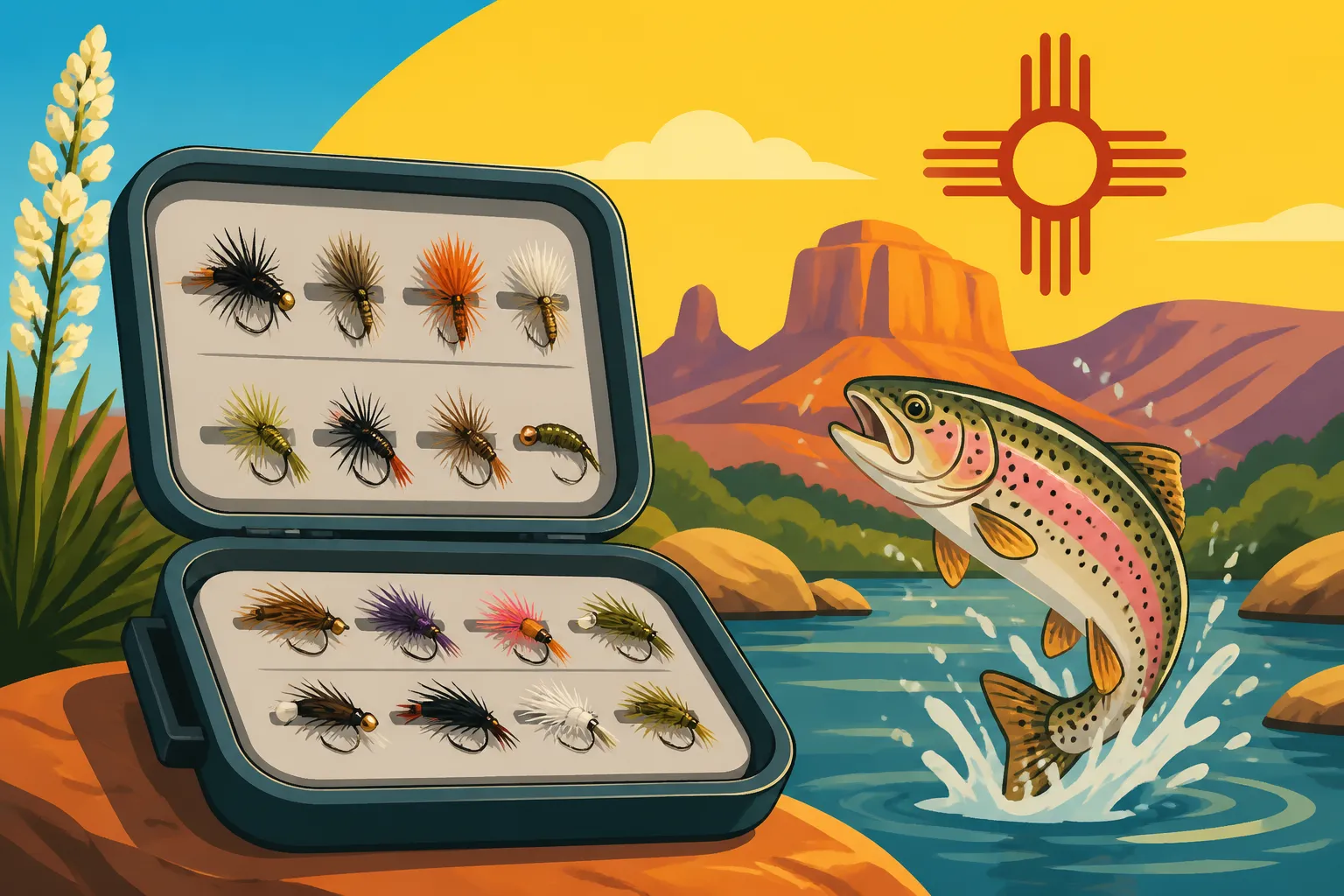
Best Fly Boxes for New Mexico Trout Flies
There's nothing quite like the feeling of carefully selecting the perfect fly for that elusive New Mexico trout, only to discover your carefully tied patterns are a tangled mess at the bottom of a beat-up box. Frustration sets in when you're fumbling with wet, cold hands, trying to untangle a tiny midge from a large streamer, or worse, finding your favorite dry fly crushed beyond recognition. This guide is here to walk you through everything you need to know about choosing the best fly boxes for your New Mexico trout flies, ensuring your valuable patterns are protected, organized, and ready for action, no matter what high-desert stream or alpine lake you're exploring.
Why the Right Fly Box Matters for New Mexico Anglers
You might think a fly box is just a box, but for dedicated anglers in New Mexico, it's so much more. Our diverse fisheries, from the delicate tailwaters of the San Juan River to the rugged high mountain lakes, demand different approaches to fly storage. A flimsy or poorly designed box can quickly turn a dream day on the water into a logistical nightmare, especially when you're battling the elements or trying to match a hatch on the fly.
Protecting Your Precious Patterns in the High Desert
New Mexico's environment can be tough on gear, and your flies are no exception. Imagine a scorching summer day near the Rio Grande, or a crisp, cold morning with a biting wind up at Fenton Lake. Your fly box needs to be robust enough to withstand being dropped on rocky shores, splashed with water, or even stepped on in the heat of the moment. More importantly, it needs to cradle your delicate flies, keeping their hackles pristine, their wings uncrushed, and their hooks razor-sharp. A poorly protected fly is a fly that won't catch fish, and after all the time and effort you put into tying or selecting them, that's the last thing you want. Proper protection means your flies maintain their intended profile in the water, which is critical for fooling finicky New Mexico trout.
Without adequate protection, delicate dry flies can have their wings bent or their hackles flattened, making them ride unnaturally on the water's surface. Nymphs and streamers can get their bodies scuffed, their beads chipped, or their hooks dulled from rattling around. Consider the investment you make in each fly, whether it's your time spent at the tying vise or the cost of buying premium patterns. A good fly box is an insurance policy for that investment, ensuring every fly is in prime condition when you need it most. This is especially true for those tiny midges and emergers so effective on places like the San Juan River Quality Waters, where presentation is everything.
Staying Organized on Diverse New Mexico Waters
New Mexico offers an incredible variety of fishing experiences, which means you're likely carrying a wide array of flies. One day you might be casting tiny subsurface patterns on a spring creek, and the next you're throwing big streamers for browns on the Pecos River. This diversity demands organization. Fumbling through a chaotic mess of flies in a single compartment can cost you precious fishing time, especially when a hatch is in full swing or a feeding window is narrow. A well-organized fly box allows for quick, intuitive access to the exact pattern, size, and color you need, right when you need it.
Think about standing knee-deep in a chilly mountain stream, with a hatch of Caddis coming off, and you've got literally seconds to find the right size and color. If your flies are all jumbled together, you're not going to make that connection. An organized box means you can dedicate specific sections or pages to different types of flies – dry flies here, nymphs there, streamers over yonder. You might even have boxes dedicated to specific river sections or seasons. For instance, a box solely for your San Juan River midge patterns, or another for your Gila Trout terrestrials. This level of organization reduces stress, improves efficiency, and ultimately, helps you catch more fish by enabling faster fly changes and better decision-making on the water.
Understanding Different Fly Box Styles
Just like there are different types of flies for different situations, there are various styles of fly boxes, each with its own advantages and disadvantages. Choosing the right style depends heavily on the types of flies you carry, the conditions you fish in, and your personal organizational preferences. It’s not a one-size-fits-all world when it comes to fly boxes.
Foam Insert Boxes: Versatility and Security
Foam insert fly boxes are perhaps the most common and widely used style, and for good reason. They feature high-density foam (often slit foam) that securely holds the shanks of your flies, keeping them individually separated and protected. This design is excellent for most trout flies, from delicate dry flies to heavily weighted nymphs. The foam gently grips the fly, preventing it from rattling around and getting damaged, which is crucial for maintaining their integrity.
One of the biggest advantages of foam boxes is their versatility. They can accommodate a vast range of hook sizes and styles within the same box. Need to swap out a tiny size 22 midge for a bulkier size 12 Copper John? No problem, the foam can handle both. They come in many sizes and configurations, from small pocket boxes perfect for a half-day trip to larger, multi-leaf designs that can hold hundreds of patterns. The security they offer means your dry flies won't get crushed, and your weighted nymphs won't chip each other's beads. Many popular brands like Fishpond and Umpqua offer excellent foam insert options that anglers rely on daily. When you're fishing a variety of spots like the Rio Chama or even a New Mexico pond, a versatile foam box is a solid choice.
Magnetic Boxes: For Tiny Flies and Easy Access
Magnetic fly boxes are a specialized breed, particularly beloved by anglers who frequently fish with very small flies, such as those ubiquitous midges, tiny emergers, or minuscule tricos that are common on certain New Mexico waters. Instead of foam, these boxes feature a magnetic base that holds the metal of the fly hook in place. This can be a godsend when your fingers are numb from the cold, or you're trying to quickly grab a size 26 pattern without dropping it.
The primary benefit of magnetic boxes is the ease of access and visibility for small flies. When you open the box, your tiny patterns are neatly spread out, held in place by the magnet, making it simple to pick out the exact one you need with forceps or even just your fingertips. There's no fumbling with foam slits or trying to wedge a tiny hook in. However, they do have limitations. They typically work best for flies with a bit of weight or a larger hook shank for the magnet to grip securely. Very light, fluffy dry flies might not hold as well, and larger, bulkier streamers can overwhelm the magnetic force or simply take up too much space. They're often best used as supplementary boxes for specific tiny patterns, rather than your primary, all-purpose fly storage.
Compartment Boxes: Separating Your Critters
Compartment fly boxes feature individual cells or divisions, much like a tackle box for conventional gear. Each compartment can hold multiple flies, keeping different patterns or sizes completely separate from one another. While not as common for delicate trout flies as foam or magnetic boxes, they do have their niche, especially for larger patterns, warmwater flies, or even for storing specific accessories.
These boxes excel at keeping very different types of flies from interacting. For example, if you have large streamers with long tails that might tangle in foam, or poppers for bass fishing that are too bulky for traditional foam, a compartment box can be ideal. They are also useful for separating materials like split shot, indicators, or leaders within the same storage unit. The downside is that flies within a single compartment can still jostle and potentially damage each other, particularly if you're not careful about how many you cram in. For trout anglers, they're often more suited for specialized situations or for storing bulk quantities of robust patterns, rather than meticulously organized individual flies.
| Fly Box Type | Pros | Cons | Best Use Cases |
|---|---|---|---|
| Foam Insert | Excellent fly protection; versatile for varied hook sizes; good organization; flies won't tangle. | Foam can wear out over time; can be harder to insert/remove tiny flies in cold weather. | All-around trout fishing; delicate dry flies; nymphing; storing a wide variety of patterns. |
| Magnetic | Easy access for tiny flies; excellent visibility; no foam wear; good for cold fingers. | Less secure for large/light flies; limited capacity for larger patterns; flies can clump if too many. | Small midges, emergers, tricos; specific "technical" boxes; when speed is essential for tiny flies. |
| Compartment | Keeps different patterns completely separate; good for bulky flies or warmwater patterns; can hold accessories. | Flies within a compartment can still damage each other; less secure for individual flies; not ideal for delicate dry flies. | Large streamers; bass flies; poppers; storing hooks or beads; when maximum separation is needed for different categories. |
Key Features to Look For in a New Mexico Fly Box
When you're out on the water, the last thing you want is a fly box that fails you. The specific demands of New Mexico's fishing environments—from sunny, dry riverbanks to sudden mountain thunderstorms—mean that certain features in a fly box become non-negotiable. Let's dig into what truly makes a fly box stand up to the challenge.
Durability and Weather Resistance
New Mexico weather can be unpredictable. You might start your day with clear skies and warm temperatures, only to be hit by a sudden downpour or a gusty wind in the afternoon. A fly box needs to be tough enough to handle these shifts. Look for boxes made from high-impact polycarbonate or durable, rigid plastics that can withstand accidental drops on rocky trails or being bounced around in your pack. A cracked or broken box means lost flies and frustration, especially if you’re miles up a trail to a pristine high-mountain lake.
Beyond physical toughness, weather resistance is paramount. A good fly box should be truly waterproof. This means a tight-fitting gasket seal around the edges to prevent moisture from seeping in. Imagine taking a tumble into a stream or getting caught in a monsoon shower – if your box isn't waterproof, your delicate dry flies become waterlogged, their hackles ruined, and your hooks begin to rust. Rust-resistant hinges and latches are also crucial, as these are often the first points of failure on cheaper boxes. Brands like Umpqua, Tacky (now part of Fishpond), and Cliff Outdoors are known for producing robust, weather-sealed fly boxes that can take a beating and keep your flies bone dry, no matter what New Mexico throws at you. You can often find a great selection of these robust boxes at local fly shops, or browsing online through Bass Pro Shops or Amazon.
Capacity and Size Considerations
The "perfect" capacity and size for your fly box are highly personal and depend on your fishing style, the duration of your trips, and the specific waters you target. Are you heading out for a quick evening session on an urban pond near Albuquerque, or embarking on a multi-day backcountry adventure into the Pecos Wilderness? These scenarios demand vastly different approaches to fly storage.
For short trips or specialized situations, a smaller, pocket-sized box that holds 50-100 flies might be perfect. These are lightweight, easily accessible, and don't add bulk to your vest or pack. However, for a full day on the San Juan River Quality Waters or a longer excursion, you'll likely need a larger box, perhaps a double-sided design or one with multiple leaves, capable of holding several hundred flies. These larger boxes allow you to carry a wider range of patterns, sizes, and colors, preparing you for any hatch or condition. It's often beneficial to have a system: a couple of large "master" boxes in your main pack or boat, and a smaller, "on-the-go" box or two that fits easily into your vest or wader pockets, filled with only the patterns you anticipate using most that day. This reduces unnecessary bulk and keeps your most critical flies readily at hand. Consider what Fly Selection for New Mexico's San Juan River might entail – you'll want plenty of options.
Accessibility and Ease of Use (Especially with Cold Hands)
Nothing is more frustrating than fumbling with a fly box when you're battling the elements. Imagine a cold morning with numb fingers, or trying to change a fly while a strong wind whips around you. A truly effective fly box prioritizes ease of use and accessibility. This means latches that are secure but easy to open, even with cold, wet hands or while wearing gloves. Large, positive-locking clasps are generally better than tiny, fiddly ones.
The internal layout also plays a huge role. Can you easily see and grab the fly you need? Slit foam inserts should be spaced adequately so that flies don't get jammed together, and the slits should securely hold the hook without requiring excessive force to insert or remove. Magnetic boxes shine here for tiny flies, allowing for effortless pickup. Consider the overall ergonomics: how does it feel in your hand? Can you operate it one-handed if necessary? A poorly designed box that's difficult to open or to retrieve flies from will lead to dropped flies, wasted time, and unnecessary frustration on the water, detracting from the overall enjoyment of your New Mexico fishing experience. The easier it is to access your flies, the more time you spend fishing effectively.
Tailoring Your Fly Box to Specific New Mexico Fisheries
New Mexico boasts an incredible range of fishing environments, each with its own unique challenges and opportunities. What works perfectly for delicate trout on a world-class tailwater might be completely unsuitable for aggressive bass in a large reservoir, or vice-versa. Optimizing your fly box setup for the specific fishery you're targeting can make a significant difference in your success.
San Juan River Quality Waters: Small Flies, Big Organization
The San Juan River Quality Waters below Navajo Dam are legendary for their abundant, large, and incredibly discerning trout. This is a technical fishery where presentation and fly choice are paramount, and often, the smaller the fly, the better. Anglers here frequently employ tiny midge patterns, microscopic emergers, and small nymphs, sometimes down to size 26 or even smaller. This specific environment demands highly specialized fly boxes.
For the San Juan, you'll want a box or two dedicated almost entirely to these minute patterns. Magnetic boxes are a favorite among San Juan regulars because they offer unparalleled visibility and ease of access for tiny flies. You can see every minuscule pattern clearly, and picking them up with forceps is a breeze, even when your hands are cold. Slit foam boxes with very narrow, tightly spaced slits are also excellent, ensuring each tiny hook is held securely without rattling. Consider a slim, double-sided box for maximum capacity of small flies, perhaps with one side for nymphs and the other for emergers and larva. Given the sheer number of small flies you might carry, organization within these boxes is key. Grouping flies by size and color, or by specific stages of an insect's life cycle, will save you invaluable time on the water. Check out our guides on San Juan River Fly Fishing and Nymph Fishing on the San Juan River for more insights on specific patterns.
High Mountain Lakes and Streams: Variety is Key
Venturing into New Mexico's high country to fish pristine alpine lakes and small, freestone streams is an experience unlike any other. Here, you might encounter wild cutthroat trout, brook trout, or rainbows, often less pressured than their river counterparts. The fishing can be opportunistic, with a wider range of insect life and feeding behaviors. This means your fly box needs to be much more varied.
Instead of micro-patterns, you'll likely be carrying a diverse array of larger dry flies (like hoppers, stimulators, and large attractors), terrestrial patterns (ants, beetles, grasshoppers), a good selection of nymphs (Prince, Hare's Ear, Pheasant Tail), and perhaps a few small streamers or woolly buggers. A foam insert box with good capacity, perhaps a larger multi-leaf design, is ideal here. This allows you to organize different categories of flies into distinct sections, making it easy to grab a hopper when trout are looking up, or switch to a stonefly nymph when they're feeding sub-surface. Durability and waterproofness are extra critical when you're hiking into remote locations and your box might take a tumble. Having a system for separating your Trout Species in New Mexico by location can be very helpful here.
Warmwater Species (If you venture out of trout-only)
While New Mexico is famous for its trout, don't forget the incredible warmwater fishing opportunities in our lakes and rivers – think largemouth bass, smallmouth bass, walleye, and crappie. If you plan to expand your fly fishing horizons beyond trout, your fly box strategy will need to adapt considerably. Warmwater flies are generally much larger, bulkier, and feature bigger hooks than their trout counterparts.
For species like bass, you'll be throwing big poppers, large streamers, deer hair bugs, and bulky baitfish imitations. These flies simply won't fit well into a traditional trout fly box designed for delicate midges. This is where compartment boxes or very large foam boxes with wider slits and deeper cavities come into their own. You need space for the bulk of these patterns without crushing their hackles or wings. Compartment boxes are excellent for keeping large, spiky streamers from tangling, and they can also hold specialized warmwater leaders or small weights. If you're targeting pike or tiger muskie at places like Bluewater Lake, you'll also need specialized boxes with extra-large capacity and robust construction for those formidable, toothy flies. It's usually best to keep your warmwater flies entirely separate from your trout flies to avoid damage and maintain organization.
Organizing Your Fly Box Like a Pro
Having the right fly boxes is only half the battle; knowing how to organize them effectively is the other, equally important piece of the puzzle. A well-organized fly box saves time, reduces frustration, and ensures you're always ready to adapt to changing conditions on the water. It’s an art form, really, and every seasoned angler develops their own system.
Grouping by Hatch, Size, or Type
One of the most effective ways to organize your flies is to create logical groupings. There are several popular methods, and you might even combine them depending on the specific box and its purpose.
- By Hatch: For specific technical fisheries like the San Juan River or particular seasonal hatches on other rivers, organizing by hatch can be incredibly efficient. For instance, one section might be dedicated to BWO (Blue-Winged Olive) patterns, containing nymphs, emergers, and adult dry flies in various sizes relevant to that hatch. Another section could be for Caddis, and so on. This way, when you see a specific insect activity, you can quickly go to the relevant section and have all your options laid out.
- By Size: This is a straightforward and highly effective method, especially for foam insert boxes. Dedicate rows or columns to specific hook sizes. For example, one row for all your size 18 nymphs, the next for size 20, and so on. This makes it incredibly easy to find a specific size when you've identified what the fish are keying in on.
- By Type: This is probably the most common starting point for many anglers. Dedicate entire pages or sides of a box to specific categories: all your dry flies on one side, all your nymphs on the other. Within those categories, you can then further subdivide by size or color. For example, a "Dry Flies" side might have sections for attractors, mayfly dries, caddis dries, and terrestrials. This method provides a clear visual hierarchy and helps you quickly narrow down your options.
No matter which method you choose, consistency is key. Stick to your system across all your boxes so that you can instinctively reach for the right pattern without hesitation, even under pressure. This thoughtful approach to organization enhances your time on the water, reducing the likelihood of tangled leaders or missed opportunities.
The Art of the "Go-To" Box
Most anglers accumulate far more flies than they can reasonably carry on a single outing. This is where the concept of the "go-to" box becomes invaluable. Instead of hauling every fly you own, a "go-to" box is a smaller, often double-sided or slim profile box, filled with only the patterns you anticipate needing for that specific day or trip. It's typically the box you keep readily accessible in your vest pocket, chest pack, or wading jacket.
The key to a successful "go-to" box is thoughtful selection. Before each trip, assess the conditions: what's the water temperature, clarity, expected hatches, and target species? Based on this, select a curated assortment of your most reliable dry flies, nymphs, and perhaps a few streamers, covering a range of sizes and colors that are likely to be effective. For example, if you're hitting the San Juan, your "go-to" might be packed with various midge and annelid patterns. If you're going to a high mountain stream, it might be more terrestrials and attractor dries. This box acts as your frontline arsenal, reducing bulk and making quick fly changes effortless. Your larger "master" boxes, filled with your entire inventory, can stay in your vehicle or camp, ready to replenish your "go-to" box as needed. This strategy ensures you're nimble and efficient, especially in varied New Mexico conditions.
Maintaining and Replenishing Your Collection
An organized fly box is not a one-time achievement; it's an ongoing process of maintenance and replenishment. After every fishing trip, take the time to inspect your flies and your boxes.
- Remove Damaged Flies: Any flies that are bent, mangled, rusty, or have lost their hackle or wings should be removed. Don't waste valuable space on flies that won't catch fish.
- Dry Wet Flies: If any flies got wet, remove them from the box and let them air dry completely before returning them. This prevents rust on hooks and preserves delicate materials.
- Replenish Stock: Did you use up all your favorite size 20 BWO nymphs? Make a note to tie more or pick them up at your local fly shop or from an online retailer like Amazon. Never start a trip short on your go-to patterns.
- Clean Your Box: Over time, grit, dirt, and even stray bits of fly-tying material can accumulate in your boxes. Give them a periodic wipe-down to keep them clean and prevent grime from damaging your flies.
A well-maintained and regularly replenished collection ensures you're always prepared for your next New Mexico fishing adventure. It’s also an opportunity to reflect on what worked and what didn't, helping you refine your selection for future trips. This diligent maintenance routine is part of what sets a truly prepared angler apart, ensuring that your investment in quality flies and fly boxes continues to pay dividends on the water.
Top Brands and Where to Find Your Ideal Fly Box
Choosing a fly box isn't just about features; it's also about trusting the brand that makes it. Certain manufacturers have built reputations for quality, innovation, and durability in the fly fishing world. Knowing who makes what, and where to buy it, can simplify your decision-making process.
Popular Fly Box Manufacturers
When it comes to reliable, high-performance fly boxes, a few names consistently rise to the top. These brands have invested in materials, design, and angler feedback to create products that withstand the rigors of fly fishing.
- Fishpond: Known for their commitment to sustainability and high-quality gear, Fishpond offers a fantastic range of fly boxes, especially since acquiring the popular Tacky Fly Fishing brand. Their "Tacky" series boxes are famous for their silicone slit inserts, which offer superior grip for flies, don't wear out like traditional foam, and are easy on tiny hooks. They come in various sizes and capacities, from pocket-sized to larger boat boxes. Fishpond boxes are often sleek, durable, and feature strong magnetic closures or secure latches.
- Umpqua: A venerable name in fly fishing, Umpqua is celebrated for its vast selection of flies, but their fly boxes are equally impressive. They offer a diverse lineup, including classic foam-insert boxes, specialized midge boxes, and larger streamer boxes. Umpqua's boxes are typically well-constructed with sturdy hinges and reliable seals, providing excellent protection for your patterns. Their UPG (Umpqua Professional Grade) series is particularly well-regarded for its thoughtful design and robust construction.
- Cliff Outdoors: If you're looking for ultra-durable, virtually indestructible fly boxes, Cliff Outdoors is a top contender. Their "Bugger Barn" and "Day Tripper" boxes are legendary for their solid construction and unique foam systems designed to hold large, bulky flies securely. These boxes are built to last a lifetime and are a favorite among anglers who fish with big streamers or often find themselves in rugged environments where gear takes a beating.
- Fulling Mill: This UK-based company has gained significant traction in the US for its high-quality flies and innovative fly boxes. Their boxes often feature clear lids for easy fly identification and sturdy construction. They offer various foam configurations, including their popular "grip foam" and high-capacity options.
- Orvis: A classic in the fly fishing world, Orvis produces a range of dependable fly boxes, often with a more traditional aesthetic but with modern functionality. Their boxes are well-made and designed to be user-friendly, catering to both novice and experienced anglers.
Investing in a fly box from one of these reputable brands typically means you're getting a product that has been tested by countless anglers and designed to perform when it matters most.
Shopping for Fly Boxes: Online vs. Local
Deciding where to buy your fly boxes often comes down to personal preference, convenience, and whether you want to see the product in person. Both online retailers and local fly shops offer distinct advantages.
- Local Fly Shops: There's a lot to be said for supporting your local fly shop. When you visit a shop, you can physically handle different boxes, test the latches, examine the foam or magnetic inserts, and get a true feel for their size and weight. More importantly, the staff at a local shop are usually experienced anglers who can offer invaluable advice. They understand the specific needs of New Mexico's fisheries and can recommend boxes tailored to the Best Places to Fish in New Mexico or even specific sections of the San Juan River Special Trout Water. This personalized guidance is something you simply can't get online. Plus, you're investing in your local fishing community.
- Online Retailers: Websites like Amazon, Bass Pro Shops, and the direct websites of manufacturers (e.g., Fishpond, Umpqua) offer an unparalleled selection and competitive pricing. You can browse hundreds of different models, read reviews from other anglers, and often find deals that might not be available locally. Online shopping is incredibly convenient, allowing you to compare features and prices from the comfort of your home. However, you miss out on the tactile experience and the expert advice that a local shop provides. It’s also harder to gauge the true quality or durability of a box from a picture. If you're buying online, read reviews carefully and consider purchasing from retailers with good return policies in case the box isn't what you expected.
Ultimately, a hybrid approach might be best for many anglers. Visit your local fly shop to get advice and handle different models, then decide if you want to purchase there or look for a specific model online. Regardless of where you buy, selecting the right fly box is a crucial step in preparing for successful and enjoyable fly fishing adventures across the diverse and beautiful waters of New Mexico.
Disclaimer
This article is for general informational purposes only and does not constitute professional advice. Laws, prices and regulations vary by location and change over time. Consult a qualified professional for guidance on your specific situation.