Drill Power Needed for New Mexico Ice Fishing
Nothing throws a wrench into a perfectly planned New Mexico ice fishing trip quite like a battery-powered drill that just can't cut it. You've braved the cold, trekked out onto the frozen expanse of Heron or Eagle Nest, and you're ready to punch some holes, only to have your drill sputter and die after a couple of inches. It's frustrating, wasteful of precious fishing time, and can leave you shivering, wondering if you brought the right gear for the job. This guide is all about helping you understand exactly what kind of drill power you need to conquer New Mexico's diverse ice conditions efficiently and confidently.
Why Drill Power Matters on New Mexico Ice
When you're out on the hard water, your ice auger is your gateway to the fish below. Without the ability to quickly and cleanly cut through the ice, you're not fishing, you're just standing around. New Mexico's ice can be surprisingly challenging, from the relatively thin early-season skim to dense, layered ice late in winter, and having adequate power makes all the difference.
The Frustration of Weak Drills and Thick Ice
Imagine this: you've set up your portable shelter on Bluewater Lake, the wind is howling a bit, and you're eager to drop a line for some trout. You attach your auger to your trusty cordless drill, hit the trigger, and it starts strong. Then, halfway through the first hole, the drill lugs, strains, and finally grinds to a halt. The battery light blinks a sad, red warning, or worse, the drill itself overheats. Now you're left with a half-drilled hole, a cold battery, and the realization that your fishing time is slipping away. This scenario isn't just annoying; it's a common struggle for anglers who underestimate the specific demands of drilling through ice.
It's a particular kind of disappointment to know you picked a promising spot, only to be held back by inadequate equipment. Many folks think any decent cordless drill will do the trick, especially if they've only used them for household tasks. But ice isn't drywall or wood. It's dense, often wet, and can vary significantly in consistency. A drill that lacks sufficient torque or a battery that can't sustain power under load will quickly show its limitations, turning a simple task into a major headache.
Understanding Ice Conditions in New Mexico
New Mexico's ice fishing season might be shorter and in fewer locations than some northern states, but the ice itself presents its own unique challenges. You'll find ice in a variety of thicknesses and qualities across our popular spots like Eagle Nest, Heron, or even some of the higher mountain lakes. Early season might see thinner, clearer ice that cuts relatively easily, but as winter progresses, the ice can become incredibly thick, sometimes reaching well over a foot or more, especially in lakes like Eagle Nest Lake Ice Fishing.
Beyond just thickness, the quality of the ice matters. Sometimes you'll encounter clear, solid "black ice" which, while dense, cuts smoothly. Other times, especially after thaws and refreezes, or heavy snowfalls, you might hit layers of "snow ice" or "slush ice" that can be gritty, less consistent, and actually more challenging for a drill to chew through cleanly. This layered, inconsistent ice can cause your auger to bind, demanding even more power and torque from your drill. Knowing How Thick Does Ice Need to Be to Fish Safely? is one thing, but knowing what kind of power you need to cut through it is another entirely.
The Link Between Auger Size and Drill Demands
The diameter of your ice auger is directly proportional to the amount of power your drill needs. It's simple physics: a larger hole means displacing more ice, which requires more effort from the auger blades and, consequently, more torque from your drill. Most anglers in New Mexico use augers ranging from 6 to 8 inches in diameter.
An 8-inch auger, for example, displaces significantly more ice per revolution than a 6-inch auger. If you're targeting larger fish species that require a wider hole, or you prefer the comfort of more space to land your catch, you'll need a drill that can consistently deliver serious power. Trying to spin an 8-inch auger with an underpowered drill is like trying to chop down a tree with a dull butter knife – it's going to be slow, inefficient, and likely lead to frustration, battery drain, and premature tool wear. Always match your drill power to your chosen auger size to ensure a smooth, efficient drilling experience every time.
Types of Drills and Their Power Requirements
The world of ice augers has come a long way from the purely manual days. Now, anglers have a fantastic range of options, each with different power sources and corresponding demands on the tools that drive them. Understanding these distinctions is key to making the right choice for your New Mexico adventures.
Manual Augers: The Original Workout
Before electric drills became commonplace, a manual auger was the only way to go. These hand-cranked devices rely entirely on your own muscle power to bore through the ice. They're lightweight, require no batteries or fuel, and are incredibly reliable in their simplicity. For many, especially those who prefer a minimalist approach or fish on thinner ice, a manual auger is still a fantastic choice.
However, the "power" requirement here is all you. Drilling a dozen holes through a foot of ice with a manual auger can be an intense workout, especially at higher elevations or in cold temperatures. While they are a great backup or for very occasional use, for a full day of drilling multiple holes, particularly if the ice is thick, your arms and back will quickly tell you why electric power became so popular. They don't have drill power requirements in the same way, but they demand a significant amount of your power.
Cordless Electric Drills: The Modern Solution
This is where things get interesting and where most of the questions about "drill power" arise. Many ice anglers adapt a heavy-duty cordless electric drill, typically found at hardware stores, to power their ice augers. This setup offers incredible convenience, portability, and can be very effective, provided you choose the right drill. The key specifications to look for are voltage (V) and battery capacity (Amp-hours, or Ah), alongside the drill's torque.
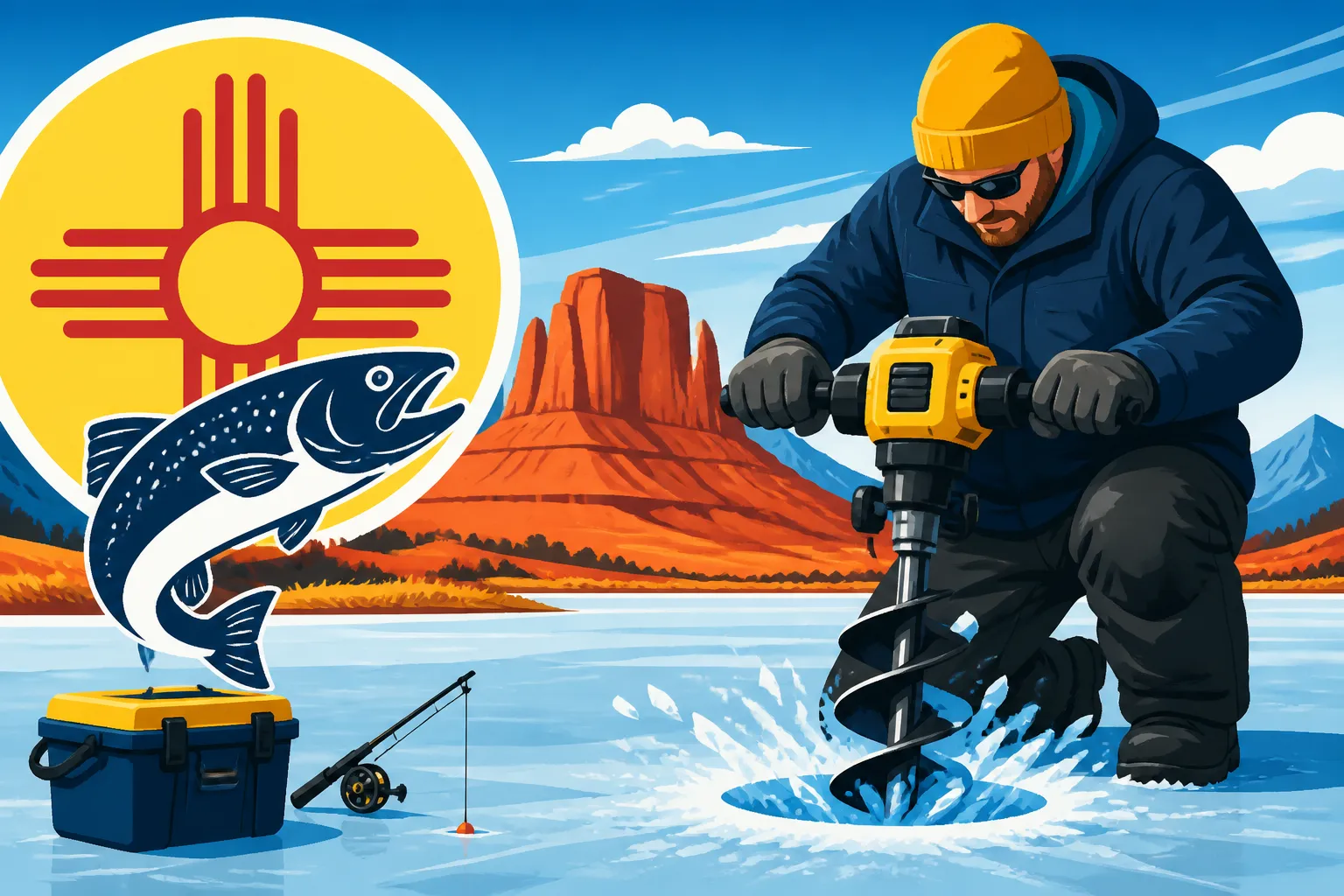
For New Mexico ice, you absolutely want a heavy-duty, brushless hammer drill. Aim for at least 18V, but 20V (often marketed as 20V MAX or similar) or even 40V models are highly preferred. More importantly, look for high Amp-hour batteries, typically 5Ah or higher. A drill with strong torque is crucial; this often translates to higher "inch-pounds" of torque. Brands like DeWalt, Milwaukee, and Makita are popular choices among ice anglers because they offer robust drills designed for demanding tasks. You might find a great deal on a drill and battery combo at a place like Bass Pro Shops or through online retailers like Amazon. Remember, you’ll also need an adapter to connect your auger bit to the drill’s chuck securely.
Dedicated Electric Augers: Peak Performance
For those who are serious about ice fishing and want the absolute best performance without the noise or fumes of a gas auger, a dedicated electric auger is the way to go. These units are specifically designed for ice drilling, integrating the motor, battery, and auger bit into a single, optimized package. They don't use a standard power drill; instead, they have their own powerful, high-torque electric motors.
Dedicated electric augers typically feature higher voltage battery systems (e.g., 40V or 80V) and robust, purpose-built motors that deliver consistent, sustained power directly to the auger blades. This results in faster, smoother drilling, even through very thick or challenging ice. They often come with multiple high-capacity batteries, ensuring you can drill numerous holes throughout the day. While they might be a larger initial investment, their efficiency and ease of use, especially when targeting popular spots with thick ice, make them a superior choice for frequent anglers who want reliable power, every single time. Brands like ION and Strikemaster are prominent in this category.
Choosing the Right Drill Power for Your New Mexico Adventures
Picking the perfect drill power for your ice fishing excursions in New Mexico isn't a one-size-fits-all decision. It really boils down to balancing a few key factors that are unique to your fishing style and the conditions you expect to encounter.
Factors to Consider: Budget, Portability, and Fishing Style
Let's be realistic – budget often plays a huge role. If you're a casual angler who only gets out a couple of times a season, perhaps only on lakes with thinner ice, investing in an 80V dedicated electric auger might feel like overkill. A good quality 20V cordless drill with a couple of high-capacity batteries might be a more sensible and cost-effective option, especially if you already own a compatible drill for other household tasks. You can often find fantastic cordless drill kits that include multiple batteries and a charger, sometimes at a great value if you watch for sales at places like Bass Pro Shops.
Portability is another major consideration. If you're hoofing it across a large frozen lake, perhaps to find those elusive Kokanee salmon at Heron Lake or to reach a specific trout pocket, then a lighter setup is a huge advantage. A cordless drill paired with a lightweight auger bit is often the lightest option. Dedicated electric augers, while powerful, can be heavier and bulkier, which might be a deterrent if you have a long walk to your fishing spot. Think about how you'll transport your gear – snowmobile, ATV, sled, or just your own two feet. Your fishing style also dictates your needs. Are you a run-and-gun angler who drills dozens of holes to find the fish? Or do you prefer to sit in one spot and drill just a few? High-volume drilling demands more power and battery life than occasional hole punching.
Recommended Power Specifications for Different Scenarios
To help you narrow down your choices, here’s a breakdown of recommended power levels for different New Mexico ice fishing scenarios:
- For the Casual Angler (1-5 trips per season, thinner ice, 6-inch auger): A quality 18V-20V cordless drill with at least one 5.0Ah battery. Ensure it’s a brushless motor and has a high torque rating. You might get away with a smaller battery if you only plan to drill a few holes, but having a backup is always smart.
- For the Avid Angler (Frequent trips, varied ice thickness, 6-8 inch auger): A high-end 20V (or 40V) cordless drill, preferably a hammer drill, with two 6.0Ah or larger batteries. This setup provides more sustained power and allows you to swap batteries as needed. This is a very common and effective setup for places like Fenton Lake Winter Trout Fishing or Bluewater Lake Fishing where ice can get reasonably thick.
- For the Dedicated Ice Fishing Enthusiast (Every weekend, thickest ice, 8-inch auger, maximum efficiency): A dedicated electric auger (40V or 80V system) with at least two high-capacity batteries. These units are built for purpose and offer superior speed, torque, and battery life for demanding conditions, making quick work of even the toughest ice.
| Auger Type / Power Source | Typical Voltage / Ah | Recommended Torque (Cordless Drill) | Best For | Pros | Cons |
|---|---|---|---|---|---|
| Manual Auger | N/A (Human Power) | N/A | Light use, thin ice, budget-conscious | Lightweight, no batteries, silent, reliable | Physically demanding, slow on thick ice, limited hole count |
| Cordless Electric Drill Combo | 18V-40V, 5-9Ah | 700-1200+ in-lbs | Versatile, moderate to thick ice, portability | Cost-effective if you own a drill, relatively lightweight, quick drilling | Battery drain in cold, drill can overheat, adapter needed |
| Dedicated Electric Auger | 40V-80V, 4-8Ah | N/A (Integrated Motor) | Heavy use, thick ice, maximum efficiency | Fast, powerful, quiet, purpose-built, long battery life | Higher upfront cost, can be heavier, less versatile for other tasks |
Maintaining Your Drill and Batteries for Optimal Performance
Even with the most powerful drill, proper maintenance is crucial, especially in the harsh environment of ice fishing. Batteries, in particular, are susceptible to cold. Always store your batteries in a warm place before heading out, perhaps in your vehicle's cabin or even inside your jacket pocket on the way to your spot. A cold battery will not perform as well and will drain much faster. Bringing multiple charged batteries is non-negotiable for a full day of fishing.
Keep your drill clean and dry. Ice shavings and water can get into the motor and chuck, causing issues. After each trip, wipe down your drill, especially the chuck and battery contacts. Regularly check the connections between your drill and the auger adapter to ensure they are secure and free from corrosion. By taking these simple steps, you'll extend the life of your equipment and ensure it's ready for every outing, whether you're chasing trout or just enjoying the peace of New Mexico Ice Fishing Season.
Accessories and Best Practices for Efficient Ice Drilling
Having the right drill is only part of the equation. To truly master ice drilling in New Mexico, you need to think about the complete system – from the blades that cut the ice to how you manage your power and ensure safety.
Auger Blades: Sharpness is Key
No matter how powerful your drill or electric auger, dull blades will render it almost useless. Think of trying to saw through wood with a butter knife; it just doesn't work. Sharp auger blades are absolutely critical for efficient, effortless drilling. They allow the drill to do its job without excessive strain, preserving battery life and preventing overheating. You'll notice immediately if your blades are dull: the drill will struggle, you'll have to press down harder, and the ice shavings will look more like slush than crisp chips.
Always carry a spare set of sharp blades, especially if you're fishing a longer trip or in areas known for thicker ice. Many anglers prefer to replace their blades after every season or after any encounter with rocks or sand on the bottom that might dull them prematurely. You can often find replacement blades at local sporting goods stores or through online retailers like Amazon. Some blades can be professionally sharpened, but for the average angler, replacing them is often the most convenient and effective option. When handling blades, always be extremely careful; they are razor-sharp.
Battery Management on Cold Days
Cold temperatures are the enemy of battery life, especially for lithium-ion batteries found in most cordless drills and electric augers. A battery that performs admirably at room temperature will lose a significant portion of its capacity in freezing conditions. This is why active battery management is so crucial for Ice Fishing in New Mexico.
Here's how to manage your batteries effectively:
- Start Warm: Always start with fully charged batteries that have been kept warm indoors.
- Insulate: When you're out on the ice, keep spare batteries in an insulated bag, a small cooler with a hand warmer, or even in an inner pocket of your jacket to keep them close to your body heat.
- Rotate: Don't run a single battery until it's completely dead. Rotate through your charged batteries. When one starts to slow down, swap it out for a fresh, warm one. The partially depleted battery can then warm up in your pocket or insulated bag, potentially regaining some performance.
- Avoid Deep Discharge: Try not to completely drain your lithium-ion batteries. While they can handle it, consistently running them to zero can shorten their overall lifespan.
Safety First When Drilling
While the focus is on getting those holes drilled, safety should always be paramount. Ice augers, whether manual, powered by a drill, or dedicated electric units, are serious tools with sharp blades and powerful motors.
- Secure the Auger: Always ensure your auger bit is properly and securely attached to your drill or electric unit before starting. A loose connection can be dangerous.
- Stable Footing: Always have stable footing when drilling. Ice can be slippery, and a powerful drill can twist if it binds. Wear appropriate footwear with good traction.
- Gloves On: Wear gloves to protect your hands from the cold and from accidental contact with the sharp blades.
- Clear the Area: Make sure no one is standing too close to you when you're drilling. Ice shards can fly, and a drill can kick if it snags.
- Blade Guard: Always use the blade guard when transporting or storing your auger. This protects both you and the blades.
- Kill Switch/Safety Button: Dedicated electric augers usually have a safety switch that must be engaged before the auger will spin. Always be mindful of this feature. Similarly, with a cordless drill, ensure the trigger lock is engaged when not in use.
- Know Your Ice: Always be aware of the ice conditions. How Thick Does Ice Need to Be to Fish Safely? is just a starting point; knowing the quality of the ice helps you anticipate how your drill will perform. Before you even think about drilling, consult a Seasonal Checklist for Planning a New Mexico Fishing Trip to make sure you're fully prepared.
By following these guidelines, you'll not only ensure your drill has the power to get the job done but also that you stay safe and enjoy your time chasing Fish You Can Catch Ice Fishing in New Mexico out on the ice.
Disclaimer
This article is for general informational purposes only and does not constitute professional advice. Laws, prices and regulations vary by location and change over time. Consult a qualified professional for guidance on your specific situation.