Best Rod Length for San Juan River Fishing
One of the trickiest parts about gearing up for a fantastic fishing trip to New Mexico's legendary San Juan River isn't just picking out the right flies or knowing the hatches; it's often agonizing over what length of fishing rod to bring. Anglers frequently find themselves wondering if their usual 9-foot setup is truly optimal for these unique waters. This guide is going to dive deep into how rod length impacts your success on the San Juan, helping you choose the perfect wand for your next adventure.
Understanding the San Juan River's Unique Demands
The San Juan River, especially its fabled Quality Waters section below Navajo Dam, presents a fishing environment unlike many others. It's a highly productive, tailwater fishery known for its abundant and often very wary trout. The consistent cold water temperatures from the bottom release of the dam mean year-round fishing, but also a specific set of challenges that directly influence your gear choices, particularly rod length.
The Quality Waters Section's Characteristics
Imagine standing on the banks of the San Juan, looking at its remarkably clear, cold currents. This isn't a wide-open, deep western river everywhere. You'll encounter everything from swift, shallow runs to slow, deep pools, often bordered by varying amounts of bankside vegetation like willows, cottonwoods, and brush. The riverbed itself can be quite challenging, with slippery rocks and varying depths that make wading an art form. The incredible density of trout, often holding in specific seams and current breaks, means accurate presentations are paramount. You're not just casting; you're often trying to place a tiny fly precisely in a specific feeding lane, sometimes just inches from the bank or an obstruction.
Factors Influencing Rod Length Choice
The physical layout of the San Juan River really pushes anglers to think about rod length. If you're constantly snagging your backcast in overhead branches, a shorter rod might be a blessing. Conversely, if you're trying to achieve a long, drag-free drift over complex currents from a distance, a longer rod could be your best friend. Your chosen technique also plays a huge role. Are you primarily nymphing with multiple flies and indicators? Are you a dedicated dry fly enthusiast, delicately presenting tiny midges? Or do you prefer swinging streamers through deeper pools? Each of these scenarios can benefit from a specific rod length, affecting everything from casting mechanics and line control to fighting powerful San Juan trout. Understanding these dynamics is key to truly optimizing your setup for a successful day.
Ideal Rod Lengths for Various San Juan River Scenarios
When you’re standing at the edge of the San Juan, debating which rod to string up, you quickly realize that there isn't a single "best" answer for everyone. The ideal rod length really hinges on where you're fishing, how you're fishing, and even your own physical stature and casting style. Let’s break down the common rod length categories and where they shine.
Shorter Rods (7-8 feet) for Tight Spots and Accuracy
While not the most common choice for the main stretches of the San Juan River's Quality Waters, shorter rods, typically in the 7 to 8-foot range, do have their niche. Think about those areas where the river narrows, or where dense stands of willows and cottonwoods line the banks, creating a tunnel of vegetation. In such spots, a long rod quickly becomes a liability, constantly snagging branches on your backcast. A shorter rod allows for much tighter loops and more controlled, often roll-cast-focused, presentations. This can be incredibly advantageous when you need to drop a fly precisely into a small pocket of calm water just behind a log or under an overhanging branch.
These rods also offer a slightly different feel when fighting fish. While a longer rod might provide more leverage on a long run, a shorter rod can feel more direct and immediate, which can be thrilling with the feisty rainbows and browns of the San Juan. They excel when you're wading close to the target, making short, accurate casts rather than long bomb hurls. If you find yourself gravitating towards the more intimate, brush-lined sections of the river, or if you simply prefer a lighter, more delicate setup for smaller dry flies, a shorter rod could be a delightful surprise. You might even find some excellent options online or at a local shop like Bass Pro Shops.
Medium Rods (9-10 feet) for All-Around Versatility
For the vast majority of anglers heading to the San Juan River, a medium-length rod, typically 9 to 10 feet, is considered the workhorse and the most versatile choice. This length strikes an excellent balance, offering enough reach for mending line over complex currents and controlling drifts, while still being manageable for casting in moderately open areas. A 9-foot 5-weight rod is often recommended as the quintessential all-purpose trout rod, and it performs admirably on the San Juan. It handles everything from delicate dry fly presentations to hauling small nymph rigs. The extra foot of length compared to an 8-foot rod provides noticeably better line control, allowing you to manage drag and extend your drift, which is crucial for fooling those selective San Juan trout.
Stepping up to a 9.5 or 10-foot rod in a 4- or 5-weight can provide even more advantage, particularly if you're doing a lot of nymphing or need to cast a bit further. The additional length aids in lifting more line off the water for longer mends and helps keep your indicator and flies in the desired feeding lane for longer. These rods offer a good blend of power for fighting fish and sensitivity for detecting subtle takes. If you're unsure which rod to bring or want one that can adapt to most situations you'll encounter on the San Juan River Fishing Guide, a medium-length rod is almost always the safest and most effective bet.
Longer Rods (10-11+ feet) for Nymphing and Reach
Now, if your primary goal on the San Juan River is dedicated nymphing, especially European nymphing techniques (like Czech, French, or Spanish nymphing), then a longer rod, stretching from 10 to 11 feet or even beyond, becomes a game-changer. These specialized rods are designed to maximize reach and line control, allowing you to keep almost all of your fly line off the water, minimizing drag and improving strike detection. With a long rod, you can effectively present your nymphs in various water depths and currents, maintaining direct contact with your flies and feeling even the most subtle tugs from a feeding trout.
The extended length isn't just for advanced techniques; it's also incredibly useful for traditional indicator nymphing. It allows for longer, more precise upstream mends, helping your flies drift naturally without being pulled prematurely by surface currents. When fishing crowded sections, the extra reach can also help you avoid tangling with fellow anglers or casting over their lines. While they can be a bit more challenging to cast in extremely tight, brushy conditions, the advantages they offer for specific nymphing applications on the San Juan are undeniable. Many manufacturers offer excellent dedicated nymphing rods, which you can often find by browsing specific fly fishing sections on sites like Amazon or visiting a specialty fly shop. If you're planning on Nymph Fishing on the San Juan River, a longer rod is a must-have tool in your arsenal.
Beyond Length: Other Rod Considerations for the San Juan
While rod length is a crucial factor, it's certainly not the only specification that matters when choosing a rod for the San Juan River. A rod's action, power, material, and even the comfort of its grip can significantly impact your fishing experience and success. Thinking holistically about your rod choice will ensure you have a tool that feels like an extension of your arm.
Rod Action and Power
"Action" describes where a rod bends when pressure is applied, while "power" refers to how much force is needed to bend the rod. For the San Juan River, these characteristics are paramount.
- Fast Action Rods: These rods bend primarily in the tip section, offering quick recovery and excellent line speed. They are superb for punching flies through the New Mexico wind, making long casts, and setting the hook quickly. Many experienced San Juan anglers prefer fast-action rods for their precision and ability to handle heavier nymph rigs or streamers. They give you a lot of control, which can be crucial when trying to place a fly in a specific feeding lane against a stiff breeze. However, they can be less forgiving for beginners, as timing needs to be spot-on.
- Moderate Action Rods: Also known as mid-flex rods, these bend more in the middle section. They offer a smoother, more relaxed casting stroke, making them great for delicate dry fly presentations and protecting lighter tippets. For those gentle, subtle takes on tiny midges, a moderate action rod provides a softer feel and reduces the chance of breaking off a trout. They are also generally more forgiving for those still refining their casting technique.
- Light Power (e.g., 3- or 4-weight): Excellent for delicate presentations and smaller fish. If you're targeting trout with tiny flies and light tippets, a lighter power rod provides the sensitivity and finesse you need.
- Medium Power (e.g., 5- or 6-weight): The most versatile for the San Juan. It balances the ability to cast various fly sizes and handle larger trout, making it a true all-rounder for everything from dries to small streamers. For a general New Mexico Trout Fishing Rules overview, a 5-weight is almost always a safe bet.
Material and Construction
The material your rod is made from heavily influences its weight, durability, and performance.
- Graphite (Carbon Fiber): By far the most common material for modern fly rods. Graphite rods are lightweight, sensitive, and allow for fast actions and powerful casts. The majority of rods you'll find from entry-level to high-end are made from various grades of graphite. The higher the modulus of graphite, generally the lighter and more sensitive the rod, but also more prone to breakage if abused.
- Fiberglass: Making a comeback for its unique characteristics. Fiberglass rods typically have a slower, more moderate action, offering a delightful "feel" for the cast and exceptional shock absorption, which is fantastic for protecting light tippets. While not as common for the main San Juan fishery due to wind and longer casting needs, a short, light fiberglass rod can be an absolute joy for small stream fishing or when focusing purely on dry flies in close quarters.
- Multi-Piece Construction: Nearly all modern rods come in 4-piece or even 6-piece sections, making them incredibly convenient for travel and hiking. This is a huge advantage for anglers exploring different parts of New Mexico, allowing you to easily pack your rod into a backpack for a day trip or even a longer backcountry adventure.
Handle and Reel Seat
Don't overlook the importance of a comfortable handle and a secure reel seat. When you're spending hours on the water, subtle discomfort can become a major distraction.
- Handle Material and Shape: Most fly rods feature a cork handle. Look for high-quality cork with minimal fillers for better feel and longevity. The shape of the handle (e.g., full wells, half wells, cigar grip) is largely a matter of personal preference, but ensuring it fits comfortably in your hand is crucial for reducing fatigue during long casting sessions. A comfortable grip also helps you maintain a relaxed casting stroke, which leads to better presentations.
- Reel Seat: A well-designed reel seat securely holds your reel in place without wobbling or loosening throughout the day. Look for durable materials, often aluminum, and a reliable locking mechanism. Some reel seats feature an uplocking design, others downlocking, and some even double locking rings for extra security. The balance of the rod and reel combination is also critical; a properly balanced setup will feel lighter and reduce strain on your wrist. This is especially true if you are spending hours wading and casting, as many do on the San Juan River Special Trout Water Section.
Putting It All Together: Choosing Your San Juan River Rod
Selecting the right rod for the San Juan River is a personal journey, blending technical considerations with your unique fishing style and comfort. It's about finding that perfect balance that makes your time on the water more enjoyable and productive. Let’s bring these considerations together to help you make an informed decision.
Matching Your Rod to Your Primary Fishing Style
Before you even start looking at rods, honestly assess how you most often fish, or how you want to fish, on the San Juan.
- Dedicated Nymphing: If you're planning on spending most of your time drifting multiple nymphs under an indicator or perfecting your Euro-nymphing techniques, a longer rod (10 to 11 feet) in a 3- or 4-weight is going to give you unparalleled line control and strike detection. The extra length helps with high-sticking, minimizing drag, and reaching those tricky seams. A rod designed specifically for nymphing will often have a more sensitive tip section to telegraph those subtle takes.
- Dry Fly Enthusiast: For those magical moments when the San Juan trout are rising to tiny midges or mayflies, a slightly shorter (8.5 to 9 feet) rod with a moderate or medium-fast action in a 3- or 4-weight will offer the delicate presentation and tippet protection needed. This setup excels at softly landing a small fly without spooking wary fish, and the gentler action helps prevent break-offs on light tippet.
- All-Around Versatility (Dries, Nymphs, Small Streamers): If you want one rod that can do a bit of everything the San Juan demands, a 9-foot, 5-weight rod with a medium-fast action is your best friend. This is the Swiss Army knife of trout rods, capable of handling small dries, nymph rigs, and even throwing small streamers with decent accuracy and power. It’s a fantastic choice for anglers who like to adapt to changing conditions and techniques throughout the day. This versatile setup is great for a general New Mexico Fishing Regulations Overview.
- Streamer Fishing: While not the primary method for many on the San Juan, if you enjoy stripping larger flies for aggressive trout, a slightly heavier rod (e.g., a 6-weight) might be preferred. The extra backbone helps cast heavier, wind-resistant streamers and gives you more power to fight bigger fish.
Considering Your Personal Preferences and Physicality
Beyond the technical aspects, your personal comfort and casting style are huge. What feels right to one angler might feel completely off to another.
- Casting Style: Do you have a powerful, aggressive casting stroke, or are you more delicate and methodical? A fast-action rod complements an aggressive style, while a moderate action might suit a more relaxed approach. If you find yourself frequently using roll casts or spey casts due to bankside obstructions, a rod that loads easily at short distances, regardless of its overall action, will be beneficial.
- Physical Stature: Taller anglers might find longer rods more comfortable to cast and wield, while shorter individuals might prefer something a bit more compact. There's no right or wrong here, but what feels balanced and easy to manage for you will make a significant difference. Try to cast a few different rods if possible, even if it's just dry casting in a store, to get a feel for them.
- Fatigue: A lighter rod will naturally cause less fatigue over a long day of casting and fighting fish. This is especially important on a river like the San Juan, where you might be making hundreds of casts throughout a full day. The overall weight, coupled with how well the rod balances with your chosen reel, plays into this significantly.
Budget-Friendly Options and Where to Look
Let's be real, top-tier fly rods can come with a hefty price tag. But you don't need to break the bank to get a quality rod that performs well on the San Juan. Many reputable brands offer excellent mid-range and entry-level options that are more than capable.
- Entry-Level Combos: For beginners, buying a rod-and-reel combo is often the most economical way to start. These usually come with the rod, reel, line, and backing, all matched and ready to go. While they might not have the ultimate sensitivity or lightest weight, they are perfect for learning the ropes.
- Mid-Range Rods: Many anglers find their sweet spot in the mid-range price point. Here, you get significant jumps in performance, sensitivity, and sometimes lighter weight, without the premium cost of flagship models. These rods often boast better components and more refined actions.
- Online Retailers: Websites like Amazon offer a vast selection of rods from various brands, often at competitive prices. It's a great place to research different models and read reviews from other anglers.
- Specialty Shops: Visiting a local fly shop or a larger outdoor retailer like Bass Pro Shops is highly recommended. Not only can you physically hold and wiggle different rods, but the staff often have firsthand experience with local waters like the San Juan and can provide invaluable advice tailored to your needs. They might even let you test cast a few in their parking lot! Don't forget to check out New Mexico Fishing License Vendors while you're there.
Ultimately, the best rod length for San Juan River fishing is the one that makes you feel confident and comfortable, allowing you to execute your preferred techniques effectively. Consider your specific approach to the river, your casting style, and your budget, and you'll be well on your way to picking out a fantastic rod for your next New Mexico fishing adventure.
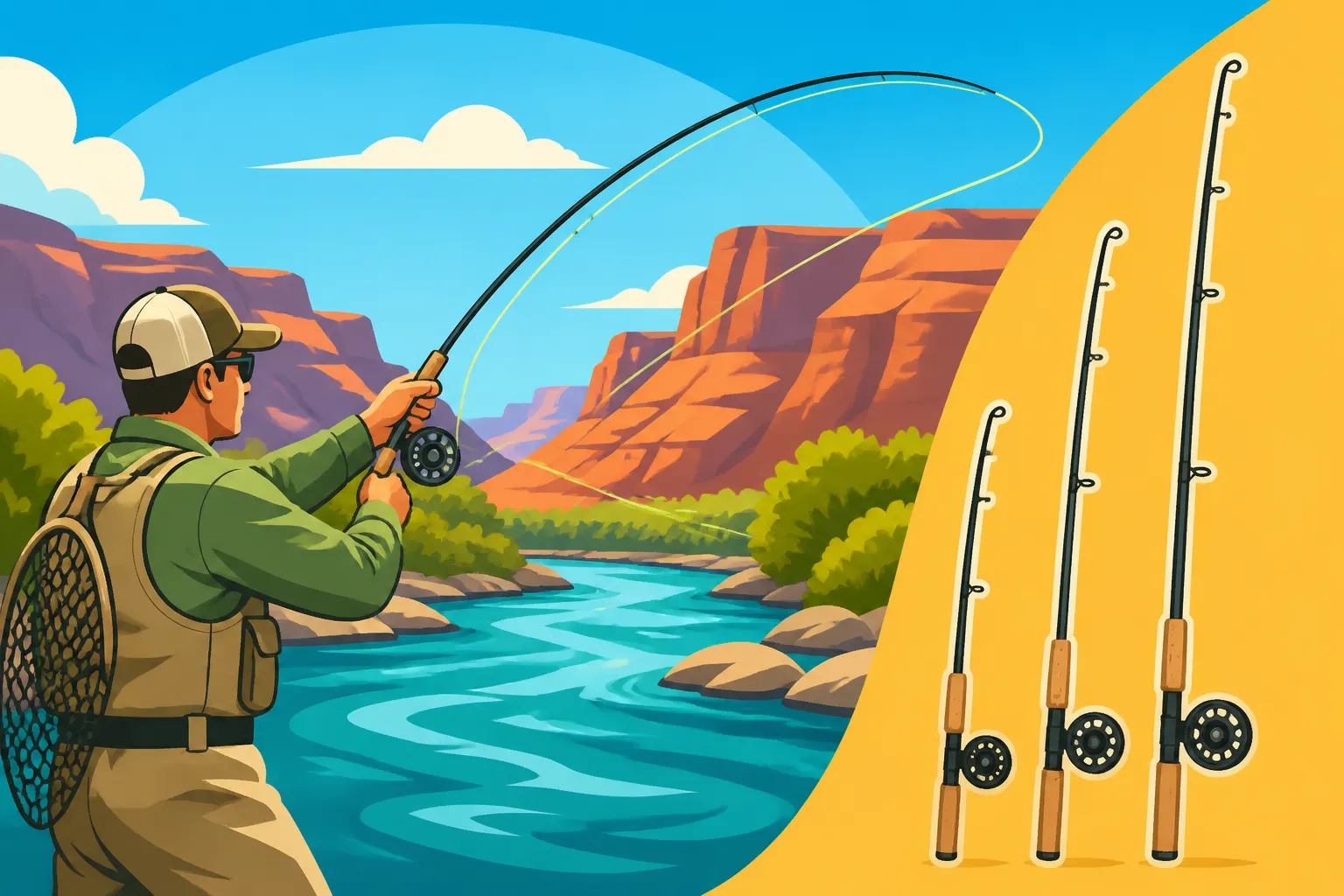
Here's a quick reference table to help visualize rod length choices for the San Juan River:
| Rod Length (Feet) | Primary Use Case | Advantages | Best Suited For | Potential Drawbacks |
|---|---|---|---|---|
| 7-8 Feet | Tight Quarters, Small Dry Flies, Roll Casting | Excellent for overgrown banks, precise short casts, intimate feel | Brushy sections, small streams, close-quarters dry fly | Limited reach for mending, harder with heavy rigs |
| 9 Feet | All-Around Versatility, General Trout Fishing | Great balance of casting distance, accuracy, line control | Most situations on the San Juan, multi-technique days | Can be short for dedicated nymphing, long for dense brush |
| 9.5 – 10 Feet | Nymphing (Indicator/Euro), Longer Drifts, Reach | Superior line control for mending, better with indicator rigs | Primary nymphing, open water, windy conditions | More cumbersome in very tight casting situations |
| 10.5 – 11+ Feet | Dedicated Euro-Nymphing, Extreme Reach | Maximum drag reduction, enhanced strike detection, long reach | Specialized nymphing, navigating complex currents | Can be tiring to cast all day, awkward for dry flies |
Disclaimer
This article is for general informational purposes only and does not constitute professional advice. Laws, prices and regulations vary by location and change over time. Consult a qualified professional for guidance on your specific situation.