Best Downrigger Setup for Kokanee Trolling
For many New Mexico anglers, especially those chasing kokanee salmon in our deep, clear reservoirs like Navajo Lake or Heron Lake, the frustration of not being able to consistently reach the fish's feeding depth can be a real roadblock. These elusive landlocked salmon often suspend themselves in specific, deep pockets of the water column, making traditional trolling tactics largely ineffective. This comprehensive guide will walk you through building the ideal downrigger setup for kokanee trolling, ensuring you can consistently present your lures right in their strike zone and bring home that silver bounty.
Understanding Downriggers and Their Kokanee Advantage
A downrigger is essentially a specialized piece of fishing equipment designed to precisely control the depth of your fishing lure or bait. It allows anglers to send their presentation down to specific depths, far deeper than weighted lines or diving lures alone can typically achieve with consistency. For kokanee salmon, which are notoriously finicky about depth, this precision is not just an advantage – it's often a necessity.
The Precision of Depth Control
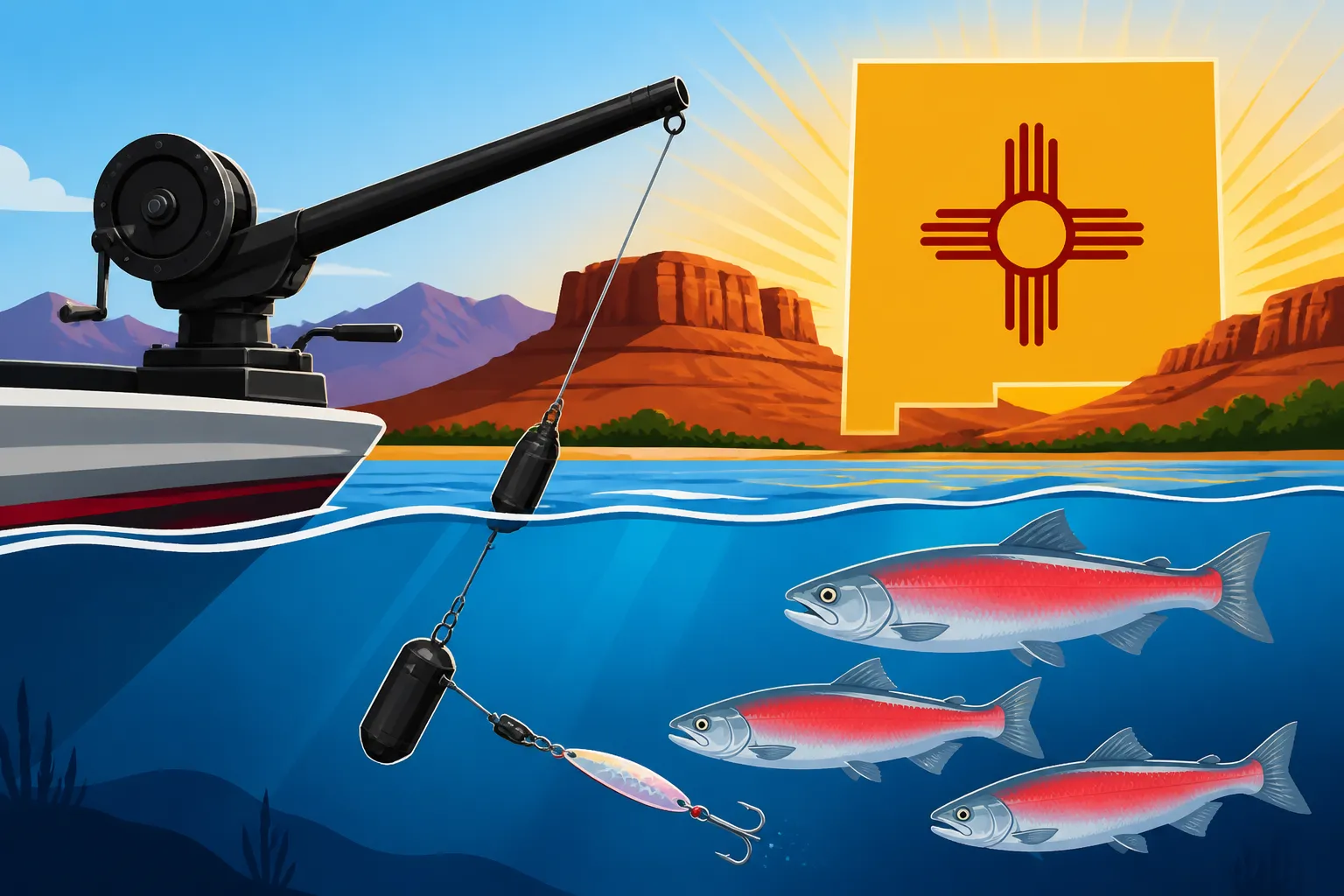
Imagine you're out on Navajo Lake, and your fish finder is showing a consistent school of kokanee at 40 feet. Without a downrigger, you'd be guessing with heavy weights, trying to dial in your trolling speed and line length to hit that exact mark. It's a constant battle against current, boat speed, and even the action of your lure pulling it upwards. A downrigger, however, uses a heavy cannonball weight to carry your line down to a set depth, holding it there firmly as you troll. Your lure then trails behind this weight, maintaining that precise depth. This takes the guesswork out of the equation and lets you focus on what matters: finding the fish and getting them to bite. It's a game-changer, especially on large, deep lakes where kokanee roam.
Mechanical Advantage and System Overview
At its core, a downrigger consists of a cranking mechanism, a boom that extends out from your boat, a heavy lead cannonball (often 8 to 12 pounds), and a strong, thin wire or braided line to attach the cannonball. A critical component is the release clip, which attaches your fishing line to the downrigger's wire and cannonball. When a fish strikes your lure, the tension causes your fishing line to "release" from the clip, allowing you to fight the fish directly without the drag of the cannonball. This simple yet ingenious system ensures your lure is presented precisely where you want it, and when a fish bites, you get a clean fight. Brands like Scotty and Cannon are well-known names in the downrigger world, offering robust and reliable units for both freshwater and saltwater applications.
Key Components of a Successful Kokanee Downrigger Setup
Building an effective kokanee downrigger setup involves more than just bolting a downrigger to your boat. Each component plays a vital role in the overall system, from the main unit itself to the terminal tackle you deploy. Getting these elements right is crucial for success, especially when targeting depth-sensitive fish like kokanee salmon.
The Downrigger Unit Itself
When selecting a downrigger, consider whether you want an electric or manual model. Manual downriggers are typically more affordable and simpler, requiring you to crank the cannonball up and down by hand. They are excellent for smaller boats or for anglers who don't spend every weekend trolling. Electric downriggers, on the other hand, offer push-button convenience for raising and lowering the weight, which is a huge benefit when frequently checking lures or moving between depths. Many electric models also feature auto-stop functions and even positive ion control to attract fish. For dedicated kokanee anglers, especially on larger waters like Navajo Lake where you might be trolling for hours, an electric model can greatly reduce fatigue and increase efficiency. Look for models with sturdy construction, a reliable clutch system, and a good length of boom, usually 24-48 inches, to keep the wire clear of your prop.
Rods, Reels, and Line for Downrigger Fishing
Your fishing rod and reel setup for downrigger fishing will differ from your typical casting gear. You'll want a rod with a soft, forgiving tip that can absorb the shock of the release clip snapping free, but enough backbone to handle a fighting kokanee. Rods designed specifically for downrigger or kokanee trolling often have this parabolic action. A length of 7 to 9 feet is common, allowing for good spread from the boat. For reels, a levelwind baitcasting reel or a small conventional reel is ideal, as they allow for precise depth monitoring (often with line counters) and handle the continuous drag of trolling well.
When it comes to line, many kokanee anglers prefer a monofilament main line, typically 10-15 pound test, for its stretch and shock absorption, which helps prevent hooks from tearing out of a kokanee's soft mouth. However, some opt for braided line for its sensitivity and lack of stretch, particularly if they are using longer leaders or want to feel every subtle bump. If using braid, it's wise to add a monofilament or fluorocarbon leader to provide that crucial stretch.
Release Clips and Their Importance
The release clip is a small but mighty component of your downrigger system. It connects your fishing line to the downrigger wire, holding your lure at the desired depth until a fish strikes. A good release clip needs to hold your line securely enough to prevent false releases from boat bounce or lure action, but release cleanly when a fish bites. There are various types, including adjustable tension clips, stacker clips (which allow you to run multiple lines off one downrigger), and special clips for different line types. For kokanee, lighter tension clips are often preferred since kokanee have softer mouths and smaller bites than some other species. Many anglers find adjustable clips to be the most versatile, allowing them to fine-tune the tension based on lure size, trolling speed, and water conditions. Buying a New Mexico Fishing License Online is easier than getting a release clip perfectly adjusted, but both are essential for a successful outing.
Terminal Tackle: Dodgers, Hoochies, and Lures
This is where the artistry of kokanee fishing really shines. Kokanee are visual feeders and highly attracted to flash, vibration, and color. Dodgers and flashers are critical for attracting them from a distance. A dodger is a metal plate that wobbles and flashes, creating an enticing disturbance in the water. Hoochies (small squid skirts) and various kokanee-specific lures are then trailed behind the dodger, often 8-24 inches. Popular kokanee lures include small spoons, wedding rings, and specialized kokanee jigs. The color choice can be paramount, with pink, orange, green, and chartreuse being perennial favorites. Sometimes, tipping your hoochie or lure with a kernel of shoepeg corn soaked in a kokanee attractant can make all the difference, adding scent and a bit of extra buoyancy. You can find a huge variety of these specialized lures and dodgers at stores like Bass Pro Shops or online retailers like Amazon.
Rigging Your Downrigger for New Mexico Kokanee
Once you have your downrigger unit and all your tackle, the next step is to rig everything correctly. Proper rigging ensures your gear functions smoothly, reduces tangles, and most importantly, puts your lure right where those New Mexico kokanee are holding. It might seem daunting at first, but with a little practice, it becomes second nature.
Setting Up the Cannonball and Downrigger Line
The cannonball is the heavyweight that pulls your fishing line down. For kokanee, an 8 to 12-pound cannonball is usually sufficient to hold your line steady, even when trolling at typical kokanee speeds. Ensure the cannonball is securely attached to the end of your downrigger wire or braided line. Most downriggers come pre-spooled with wire, but if you're replacing it or setting up a new unit, ensure you spool it tightly and evenly. Some anglers prefer braided downrigger line for less hum in the water, but wire is very common and effective.
Attaching and Adjusting the Release Clip
The release clip is attached to the downrigger wire, typically a few feet above the cannonball. The exact placement can vary, but generally, having it closer to the weight provides more stability and a truer depth. Your fishing line is then clipped into this release clip. It's crucial to adjust the tension on the clip so it holds your line firmly but releases when a fish strikes. For kokanee, this usually means a lighter setting than for larger, more aggressive fish. Test your clip by giving your rod tip a gentle tug; it should hold. Then give it a sharper tug, mimicking a fish strike; it should release. How to Troll for Kokanee at Navajo Lake and How to Troll for Kokanee at Heron Lake both rely heavily on this precise clip adjustment.
Leader Length and Lure Choice
This is where you connect your main fishing line to your dodger and then to your lure. Your leader from your main line to your dodger should generally be 10-20 feet long, made of fluorocarbon for its invisibility in water. The length of the leader behind your dodger to your lure is equally important and often more critical for kokanee. For hoochies, this leader is typically 8-24 inches. For small spoons or wedding rings, it might be a bit shorter. The idea is to allow the dodger to create its action and flash, with the lure trailing naturally behind. Experimentation with leader length is key, as kokanee can be particular on any given day. Always start with a fluorocarbon leader of about 8-10 pound test, as kokanee have excellent eyesight in clear waters.
Multiple Rods and Stacker Clips
If your state regulations allow, you can often run multiple rods per angler. With downriggers, stacker clips become incredibly useful. A stacker clip attaches to the downrigger wire above your main release clip, allowing you to run a second fishing line at a shallower depth from the same downrigger. This effectively doubles your spread and your chances of finding the fish's preferred depth. When running multiple rods, ensure you spread them out using rod holders, either straight back or out to the sides, to prevent tangles during turns. This is where a good boat layout and quality rod holders, available from Bass Pro Shops or other marine retailers, come into play. A typical setup for Kokanee Salmon Fishing in New Mexico might involve one rod directly off the downrigger and another with a stacker clip, offering two distinct depth presentations.
Tips for Effective Kokanee Trolling with Downriggers
Having the right downrigger setup is a fantastic start, but truly effective kokanee trolling in New Mexico requires understanding their behavior and refining your techniques. It’s not just about getting the lure to the right depth; it’s about making it irresistible.
Understanding Kokanee Behavior and Habitat
Kokanee salmon are landlocked sockeye salmon, and they have very specific preferences. They are cold-water fish, typically found in the thermocline layer of deep lakes during warmer months. This is often where the water temperature is ideal and where their preferred food source, zooplankton, congregates. Your fish finder is your best friend here. Look for schools of baitfish or arches representing kokanee at specific depths. Once you locate them, that's your target depth for your downrigger. Lakes like Navajo and Heron Lake are prime kokanee waters in New Mexico, offering deep, clear habitats for these elusive fish. New Mexico Fishing Season Dates and Limits will guide you on the best times to target these species.
Trolling Speed and S-Turns
Kokanee rarely hit a lure that's just sitting there. They respond well to erratic movement and flash. A typical trolling speed for kokanee is between 1.0 and 1.8 miles per hour, but this can vary depending on lure action and water temperature. Don't be afraid to experiment! One highly effective technique is to execute "S-turns" with your boat. As you turn, the lures on the outside of the turn speed up and rise slightly, while the lures on the inside slow down and drop. This change in speed and depth can often trigger a strike from following fish that were hesitant to commit. Observe your rod tips; when the boat turns, you'll see the action change in the rod, indicating your lure is doing something different.
Reading Your Electronics Effectively
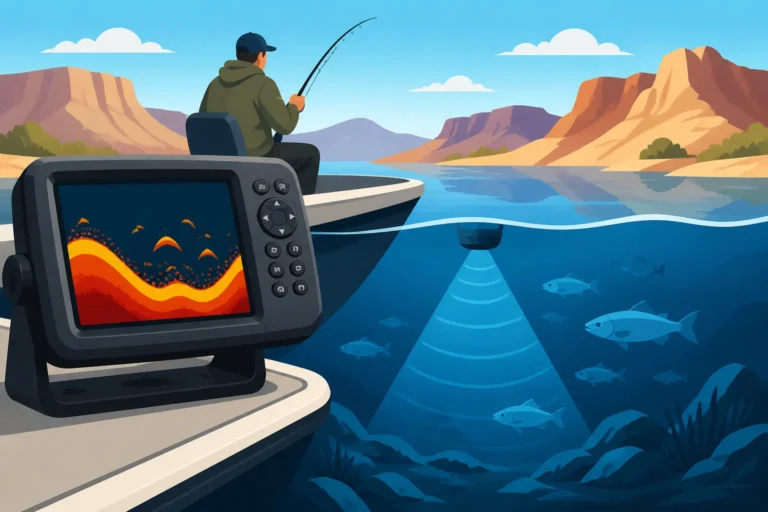
A quality fish finder with a good depth sounder and side-imaging capabilities (if your budget allows) is invaluable for kokanee fishing. It helps you locate schools of fish, identify the thermocline, and even track your downrigger cannonball to confirm your depth. Pay attention to suspended baitfish, as kokanee will often be found nearby. Many experienced anglers constantly watch their electronics, adjusting their downrigger depth by a few feet up or down based on what they're seeing. Don't just set it and forget it; actively use your electronics to stay on the fish. For more general guidance on gear, see Best Fishing Gear for New Mexico Anglers.
Best Times and Locations for Kokanee
While kokanee can be caught year-round in New Mexico, certain seasons and times of day offer better success. Spring and fall often see kokanee shallower and more active. During the heat of summer, they retreat to deeper, cooler waters, making downriggers even more essential. Early mornings and late evenings are generally the most productive times, as fish are often more active and light conditions are lower.
| Factor | Best Practice for Kokanee Trolling | Why It Works |
|---|---|---|
| Downrigger Depth | Target within 5 feet of fish on sonar | Kokanee are depth-sensitive; precision increases strike rates. |
| Trolling Speed | 1.0 – 1.8 mph, vary with lure action | Mimics natural baitfish movement; induces strikes. |
| S-Turns | Execute wide, gentle turns every few minutes | Changes lure speed and depth, triggering strikes from wary fish. |
| Leader Length | 10-20 ft main leader, 8-24 inches behind dodger | Allows dodger action while presenting lure naturally. |
| Lure Color | Pink, orange, green, chartreuse, especially with scent | Kokanee are attracted to bright colors and scent. |
| Electronics | Constantly monitor fish schools and thermocline | Keeps you on the fish's preferred depth and location. |
| Release Clip | Lighter tension, test for proper release | Prevents false releases, ensures clean fight with soft-mouthed fish. |
New Mexico's premier kokanee lakes are Navajo Lake Fishing Guide and Heron Lake Fishing Guide. Both offer excellent opportunities for downrigger trolling. Remember to check the specific regulations for each body of water before you head out, as limits and special rules can vary. New Mexico Fishing Regulations Overview provides a good starting point for general rules.
Ultimately, setting up a downrigger for kokanee trolling transforms your fishing experience from hopeful guessing to targeted precision. By investing in quality gear, understanding how each component works, and refining your techniques, you'll be well on your way to consistent success on New Mexico's beautiful kokanee waters.
Disclaimer
This article is for general informational purposes only and does not constitute professional advice. Laws, prices and regulations vary by location and change over time. Consult a qualified professional for guidance on your specific situation.