Do You Need a Kill Switch on a New Mexico Boat?
Ever been out on a beautiful New Mexico lake, perhaps speeding across Elephant Butte or exploring the coves of Navajo Lake, and noticed that little cord connected from your life vest to the boat's engine? Many boaters, even those with years of experience, might not fully grasp the legal requirements or the critical safety role this simple device plays. This guide will clarify whether you need a kill switch on your New Mexico boat, why it's so important, and how to ensure you're compliant with state regulations to keep everyone safe on the water.
Understanding Your Boat's Engine Cut-Off Switch (ECOS)
Before diving into the specifics of New Mexico law, let's get a clear understanding of what we're talking about when we say "kill switch" or, more formally, an Engine Cut-Off Switch (ECOS). This isn't just another piece of gear; it's a fundamental safety device designed to prevent catastrophic accidents.
What Exactly Is a Kill Switch?
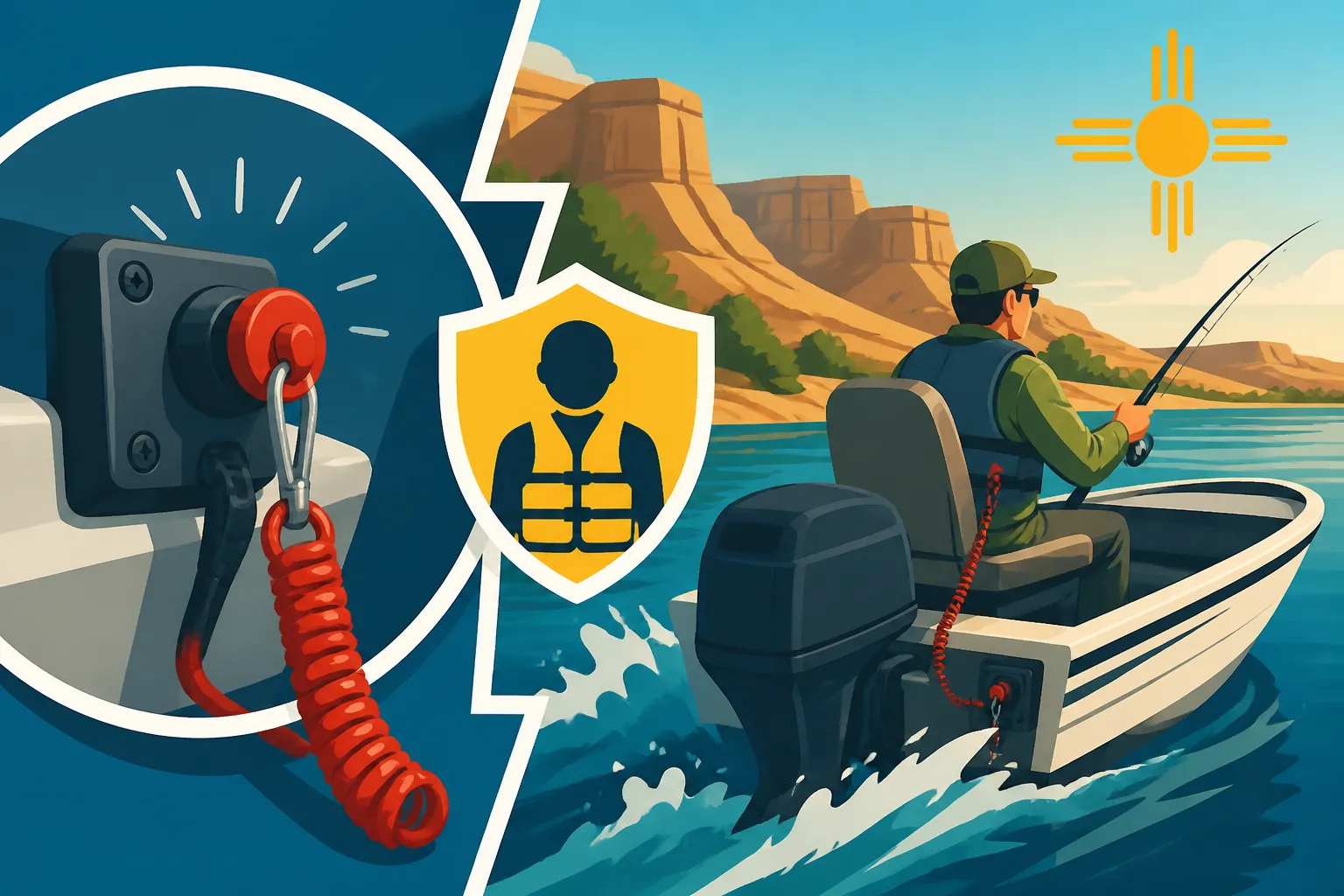
At its core, an ECOS is a safety mechanism designed to shut off a boat's engine automatically if the operator is accidentally thrown from the helm or falls overboard. It typically consists of a lanyard, a small coiled cord, that attaches to the boat operator's person (usually their life vest or clothing) and then to a switch on the control panel or directly on the engine. If the operator separates from the helm, the lanyard pulls a pin from the switch, instantly cutting power to the engine. This stops the boat from continuing on its path, potentially circling back and striking the person in the water, or continuing unmanned into other boats or the shore.
Imagine a scenario: you're cruising along Ute Lake, enjoying the wake, when an unexpected rogue wave hits your boat. If you, as the operator, are tossed out, an ECOS ensures the propeller stops turning almost immediately. Without it, the boat could continue to circle you, posing an extreme danger, or simply drive off, leaving you stranded far from shore. It’s a simple concept, but its implications for safety are profound, acting as an instant emergency brake for your boat.
How an ECOS Protects You and Others
The primary purpose of an ECOS is to prevent what's known as a "propeller strike" or a "runaway boat" situation. These incidents can lead to severe injuries or fatalities for the operator, passengers, and even other people in the water. When an operator is ejected, especially in small, fast-moving vessels, the boat can continue in an uncontrolled manner. This creates several hazards:
- Propeller Strike: The most immediate danger is the rotating propeller. If the boat continues to move, it can turn sharply, creating a deadly hazard for anyone who has fallen overboard. The ECOS instantly stops this danger.
- Runaway Vessel: An unmanned boat, especially one under power, is a significant risk to other boaters, swimmers, and shoreline property. It can collide with docks, other vessels, or even run aground, causing extensive damage and potential injury to innocent bystanders.
- Stranding: If you're ejected and the boat keeps going, you're left treading water, possibly miles from shore, with no means of propulsion or communication. The ECOS keeps the boat close, allowing for easier retrieval or assistance.
Beyond these immediate dangers, the ECOS also acts as a failsafe during sudden mechanical failures or steering issues, ensuring that even if other systems go haywire, the engine can be quickly disengaged. It's a critical component of responsible boating and personal safety equipment, similar in importance to wearing a life jacket, especially in conditions where sudden movements or impacts are possible.
New Mexico's Regulations for Engine Cut-Off Switches
Now, let's talk about the specific requirements here in the Land of Enchantment. New Mexico aligns its boating safety regulations with federal guidelines, particularly those set by the U.S. Coast Guard, to ensure a consistent standard of safety across navigable waters. Understanding these rules is essential for every boater.
The Law: Who, When, and Where it Applies
The law regarding kill switches, often referred to as the "Engine Cut-Off Switch (ECOS) Requirement," primarily impacts boats under a certain length and those operating on plane or at high speeds. While specifics can be nuanced, the general rule is that operators of most recreational boats less than 26 feet in length, equipped with an engine capable of 115 horsepower or more, must use an ECOS link (lanyard) when operating on plane or above displacement speed. This applies to personal watercraft (PWCs) as well, regardless of engine size or speed, due to their inherent design and dynamic operation.
It's crucial to understand that this isn't just a suggestion; it's a legal requirement. Failure to comply can result in fines and other penalties, which we'll discuss in a moment. So, whether you're fishing for bass on Santa Rosa Lake or enjoying water sports on Conchas Lake, if your boat fits the description, that lanyard needs to be attached to you. The idea behind these regulations is to ensure that when a boat is moving fast and the risk of operator ejection is highest, there’s an automatic safety measure in place. You can find more details about general regulations in our New Mexico Fishing Regulations Overview and specific requirements for powered vessels in the New Mexico Boat Registration and Titling Guide.
Consequences of Non-Compliance
Ignoring the ECOS requirement in New Mexico isn't just risky from a safety standpoint; it also carries legal repercussions. Law enforcement officers, including those from the New Mexico Department of Game and Fish and other local authorities, routinely patrol our waterways to ensure compliance with boating safety laws.
If you're caught operating a vessel that requires an ECOS without having the lanyard properly attached, you could face a citation. While I can't give specific dollar amounts, fines for boating violations can be substantial, and repeat offenses might lead to even stricter penalties, potentially including temporary suspension of boating privileges. Think of it like driving a car without a seatbelt; it's a safety device that's legally mandated for a reason, and not using it puts you at risk and can cost you.
Beyond the immediate financial penalty, there's the far greater consequence of an accident. If an incident occurs and it's determined that the ECOS was not being used as required, it could complicate insurance claims, lead to civil liabilities, and, most importantly, result in severe injury or loss of life that could have been prevented. It's simply not worth the risk to yourself, your passengers, or other recreationists on the water. For more information on potential issues, see Penalty for Fishing Without a License in New Mexico – while different, it illustrates the gravity of non-compliance with regulations.
Ensuring Your Boat is Compliant and Safe
Meeting the kill switch requirement is more than just having the device; it's about making sure it's functional, properly used, and becomes a routine part of your boating habits. This proactive approach ensures maximum safety.
Regular Checks and Maintenance
Just like you check your engine's oil or your boat's registration, your ECOS needs regular attention. Here are some key maintenance tips:
- Test Before Each Trip: Before you even leave the dock, attach the lanyard to yourself and start the engine. Then, simulate an ejection by pulling the lanyard's pin from the switch. The engine should immediately cut off. If it doesn't, do not operate the boat until the issue is resolved. This simple test only takes a few seconds but can save lives.
- Inspect the Lanyard: Check the lanyard itself for any signs of wear and tear. Is the coil stretched out? Are there any frayed edges or cracks in the plastic clips? A damaged lanyard might not function correctly when needed most. Replacement lanyards are readily available online through retailers like Amazon or at marine supply stores such as Bass Pro Shops.
- Inspect the Switch: Ensure the switch itself isn't corroded or sticky. A stiff switch might not release the pin easily. Keep it clean and free of debris.
- Keep Spares: It's a good idea to have a spare lanyard on board, especially if your boat uses a unique connection type. Lanyards can be misplaced or break unexpectedly, and having a backup means you won't have to cut your fishing trip short.
Making these checks a part of your pre-launch routine, right alongside checking your Required Safety Gear on a New Mexico Boat and ensuring you have enough Life Jacket Requirements for New Mexico Boaters for everyone aboard, will significantly enhance your safety on New Mexico's waters.
Best Practices for ECOS Use
Knowing the law is one thing; putting it into consistent practice is another. Here are some best practices to ensure you and your boat are as safe as possible:
- Attach it Every Time: This is the golden rule. Whenever the engine is running and you're operating the boat on plane or at speed, attach the ECOS lanyard to your person. Don't just drape it over the console or tuck it in your pocket. It needs to be securely fastened to your clothing or life vest.
- Educate Passengers: Make sure anyone who might operate the boat, or even just be a passenger, understands the function of the ECOS. Show them how it works, and explain its importance. If someone else takes the helm, ensure they attach the lanyard.
- Consider Fixed vs. Wireless Systems: While the traditional lanyard is common, wireless ECOS systems are gaining popularity. These systems use a wearable device (often on your wrist or a life vest) that communicates wirelessly with the engine. If the wearable device goes out of range (i.e., you fall overboard), the engine shuts off. These offer an alternative for those who find lanyards cumbersome, though they typically represent a greater initial investment.
- Know Your Boat's System: Understand where your ECOS is located, how to re-engage it if it accidentally trips, and what steps to take if it fails a test.
| Scenario | ECOS Lanyard Required? | Typical Horsepower | Speed Factor | Why It Matters |
|---|---|---|---|---|
| Operating a PWC | Yes | All | Always considered "on plane" | High speed, sudden turns, inherent ejection risk. |
| Operating a Boat < 26 ft | Yes | >= 115 HP | On plane or above displacement speed | High risk of operator ejection at speed. |
| Operating a Boat < 26 ft | No | < 115 HP | At displacement speed or idling | Lower speed, less ejection risk; federal law primarily targets higher horsepower. |
| Operating a Boat >= 26 ft | No | Any | Size often implies greater stability/crew. | Federal law exempts larger vessels due to reduced ejection risk. |
| Operating in No-Wake Zones | No (but good practice) | Any | No-wake speed | Speed is too low for ejection to cause runaway boat/propeller strike. |
Note: Always consult the current New Mexico boating regulations for the most up-to-date and specific legal requirements, as rules can vary and change.
Acquiring and Installing the Right Kill Switch System
If your boat isn't currently equipped with a functional kill switch, or if you need to replace a damaged component, don't put it off. Ensuring you have the correct system and that it's properly installed is crucial for both compliance and safety.
Finding the Right Equipment
Most modern outboard motors, and many sterndrive or inboard motors, come with an ECOS system pre-installed. However, older boats might not have one, or the existing one might be outdated or broken. The good news is that these systems are widely available.
- Integrated Systems: For boats without an existing ECOS, you can purchase aftermarket kits that integrate into your helm. These often require some basic electrical wiring knowledge or professional installation. When choosing an integrated system, make sure it's compatible with your engine's ignition system.
- Replacement Lanyards: If only your lanyard is lost or damaged, replacements are easy to find. Make sure you get one that matches the specific brand and model of your ECOS switch. Different manufacturers use different styles of pins or clips. You can usually find these at local marine retailers, big box outdoor stores like Bass Pro Shops, or online marketplaces like Amazon, often with various color and length options. It’s always smart to have a couple of spares on hand, especially if you have multiple operators.
- Wireless ECOS: As mentioned earlier, wireless systems offer an advanced alternative. Brands like Fell Marine offer popular wireless options that provide freedom of movement while maintaining the critical safety function. These are generally more expensive but can be a great investment for active boaters.
When purchasing any boating safety equipment, always opt for reputable brands and ensure the product meets ABYC (American Boat and Yacht Council) or USCG (U.S. Coast Guard) standards if applicable.
Installation and Testing
For a basic replacement lanyard, installation is as simple as clipping it onto your ECOS switch. However, if you're installing a new integrated wired ECOS, here's a general overview of the process:
- Safety First: Disconnect your boat's battery before performing any electrical work. This prevents accidental shorts or injuries.
- Mount the Switch: Choose a location on your helm that is easily accessible to the operator, but where the lanyard won't interfere with steering or other controls. Ensure it's mounted securely.
- Wire it In: This is the most critical step. The ECOS needs to be wired into your engine's ignition system, typically interrupting the kill wire or ignition circuit. If you're not confident with electrical wiring, it's highly recommended to have a certified marine technician perform this installation to ensure it's done correctly and safely. An improperly wired ECOS could fail when needed most, or even prevent your engine from starting.
- Reconnect and Test: Once everything is wired and mounted, reconnect your battery. Then, thoroughly test the system. Start your engine, and with the boat securely docked or trailered, pull the lanyard pin. The engine should immediately shut down. Repeat this several times to ensure reliable operation. Also, check that the engine cannot be started with the pin removed from the switch.
Proper installation and rigorous testing are non-negotiable. An ECOS that doesn't work is no safety device at all. By taking these steps, you’re not just adhering to the law; you’re investing in your own safety and the safety of everyone who shares the water with you. For any boat maintenance or upgrades, remember to consider overall boat health, which also includes understanding elements like New Mexico Boat Titling and Registration for full compliance.
Disclaimer
This article is for general informational purposes only and does not constitute professional advice. Laws, prices and regulations vary by location and change over time. Consult a qualified professional for guidance on your specific situation.